Shrubs
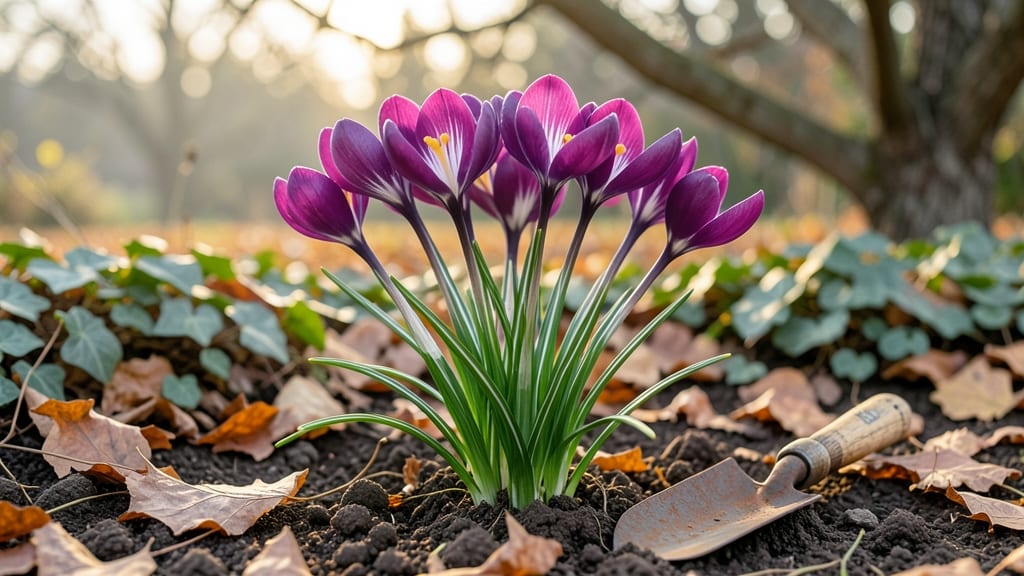
Autumn flowering crocus bloom when most gardens have gone quiet—those delicate purple, white, or striped cups pushing through frost-kissed soil in November. 🌿 Unlike their spring cousins, these hardy perennials thrive in cooler weather, offering a burst of color before winter sets in.
I’ve planted them for years, and they’ve never failed to deliver that unexpected burst of life when the garden feels dormant.
The secret to their success lies in timing and placement. Plant corms in late summer or early fall, about 3 inches deep in well-draining soil with morning sun and afternoon shade.
They need minimal water once established—just enough to keep the soil slightly moist until the first frost. This isn’t a high-maintenance plant; it’s a no-fuss way to extend your garden’s season.
What you’ll get is a garden that feels alive even in the coldest months. The flowers may last only a few weeks, but their impact is undeniable—bright spots of color against bare branches and frost-dusted leaves.
They also attract early pollinators, giving your garden a head start in the spring. Plus, they multiply over time, creating natural drifts that look effortlessly beautiful.
Perfect for rock gardens, woodland edges, or even container plantings, these crocus adapt to almost any spot. Just avoid heavy clay or waterlogged soil, and you’ll have a reliable late-season performer. Ready to bring a little magic to your autumn garden?
📚 In This Guide
- What you need
- Instructions
- Tips and common mistakes
- Wrapping up and next steps
What you need
- ● Autumn flowering crocus bulbs: 10–20 bulbs (depending on desired coverage; choose varieties like Crocus speciosus or Crocus vernus for vibrant colors).
- ● Well-draining potting mix or garden soil: 1–2 bags (5–10 cubic feet) enriched with compost for nutrient-rich planting.
- ● Garden fork or trowel: 1 (for digging and loosening soil).
- ○ Organic fertilizer (optional): 1–2 tbsp of balanced 10-10-10 or bone meal per planting hole (boosts bulb health).
- ● Measuring tape or ruler: For spacing bulbs 3–4 inches apart.
- ● Watering can or hose with gentle spray: To avoid displacing bulbs during watering.
- ○ Mulch (optional): 1–2 inches of straw or shredded leaves to retain moisture and insulate roots.
- ● Garden gloves (recommended): Protects hands from sharp soil and bulb edges.
- ● A sunny to partially shaded spot (6+ hours of sunlight for best blooms).
- ● Well-draining soil (crocus bulbs rot in soggy conditions—amend clay soil with sand or perlite if needed).
- ● Patience! Autumn planting means blooms arrive in early spring—no waiting until summer!
How to plant autumn flowering crocus for stunning early spring blooms
Here's my foolproof method for getting those cheerful purple and white blooms popping up when most gardens are still asleep.
🌱 Step 1: Choose the Right Corms and Prep the Soil
Select autumn-planted crocus corms (not spring varieties) that are firm and free of soft spots. The larger the corm—usually 1-2 inches in diameter—the bigger your flowers will be. I like to soak them in a 10% hydrogen peroxide solution for 10 minutes before planting to prevent rot.
Pick a sunny spot with well-draining soil—crocus hate soggy roots. If your soil is heavy clay, mix in 2-3 inches of coarse sand or perlite to improve drainage. Loosen the top 6 inches of soil with a garden fork to help roots establish easily. Here's the thing—crocus need good drainage more than anything else, so don't skip this step if your yard stays damp in winter.
🪴 Step 2: Plant at the Correct Depth and Spacing
Dig holes 3-4 inches deep—about three times the height of the corm itself. Planting too shallow means they'll pop up too early and get frost damage. Space corms 2-3 inches apart in all directions; they'll multiply over time, so don't crowd them from the start.
Place each corm with the pointed end facing up (this is where the shoot will emerge). Cover with soil and water gently to settle it around the corms. I like to mark the planting spots with small flags or a string line if I'm doing a large area—crocus are tiny when planted, and it's easy to forget where you put them.
☀️ Step 3: Water and Mulch for Winter Protection
Give the newly planted corms a thorough watering to encourage root growth before the ground freezes. After watering, apply a 2-3 inch layer of mulch (like shredded leaves or straw) to insulate them through winter. This protects the corms from extreme temperature swings and keeps them from drying out.
Here's where it gets fun—watch for the first green shoots in late winter or early spring. They'll appear when soil temperatures hit around 40°F. Once you see those first leaves, you can remove the mulch and let nature take its course. The blooms will follow within 2-4 weeks, depending on your climate.
✂️ Step 4: Deadhead and Maintain for Future Blooms
When the flowers fade, snip off the spent blooms but leave the leaves intact. Those leaves are busy storing energy for next year's blooms—don't remove them until they turn completely yellow and crispy in late spring. This ensures your crocus will multiply and return year after year.
After the foliage dies back, you can lightly fertilize with a low-nitrogen, high-phosphorus fertilizer (like 5-10-10) to encourage corm growth. I like to do this in early summer when the soil is warm. Over time, you'll get more corms and even more blooms without any extra work—just enjoy the show!
Tips & tricks for perfect autumn flowering crocus planting
These little-known details make all the difference between crocus that thrive and ones that disappear before spring.
Corm Selection Tip: When choosing your 1-2 inch diameter corms, look for ones that feel solid and heavy for their size. Lightweight corms often have dried-out centers, which means they won't bloom well. I've learned the hard way that skipping this step leads to disappointing results—especially with smaller corms. The 10-minute hydrogen peroxide soak isn't just a fancy step; it actually kills potential rot organisms that could sabotage your entire planting.
Soil Prep Secret: The 6 inches of loosened soil in Step 1 is crucial, but don't stop there. If your yard has heavy clay, mix in that 2-3 inches of coarse sand or perlite right where you'll plant. I've seen crocus drown in winter when planted in unamended clay—even with mulch. The key is creating a little "sandwich" of loose, well-draining soil around each corm, not just the surface layer.
Planting Depth Visual: That 3-4 inch depth can be tricky to judge. Here's my trick: hold the corm next to a ruler while planting. The top should be about 1 inch below the soil surface—this ensures proper insulation through winter while allowing easy emergence in spring. Too shallow and they'll get frost damage; too deep and they'll struggle to push through.
Mulch Strategy: The 2-3 inch mulch layer should stay in place until you see those first green shoots. But here's what nobody tells you—remove the mulch in stages if your spring arrives early. Start peeking under the edges when soil temps hit 40°F to give emerging shoots a fighting chance against late frosts. A sudden warm spell can fool crocus into sprouting too early.
Pro Tips for Autumn Flowering Crocus
- These little-known details make all the difference between crocus that thrive and ones that disappear before spring.
- Corm Selection Tip: When choosing your 1-2 inch diameter corms, look for ones that feel solid and heavy for their siz...
- Soil Prep Secret: The 6 inches of loosened soil in Step 1 is crucial, but don't stop there. If your yard has heavy cl...
Frequently asked questions
Got questions about autumn flowering crocus? You’re not alone!
Here’s what gardeners ask most—and the answers to help you grow these cheerful blooms with confidence.
When is the best time to plant autumn flowering crocus?
Plant them in early fall (6–8 weeks before the first frost) for best results. This gives roots time to establish before winter. If you miss the window, spring planting is possible, but blooms may be delayed or sparse. Aim for September–October in most U.S. zones.
How much sunlight and water do autumn crocus need?
These hardy perennials thrive in full sun to partial shade (4–6 hours of sunlight daily). Water lightly after planting, then reduce to occasional watering—they’re drought-tolerant once established. Overwatering can rot bulbs, so let soil dry between waterings.
Are autumn crocus toxic to pets or kids?
Yes! All parts of autumn crocus (Colchicum autumnale) contain colchicine, a toxic compound. Keep them out of reach of pets and children. Symptoms of ingestion include vomiting, diarrhea, or lethargy. Opt for pet-safe alternatives like Crocus vernus (spring crocus) if safety is a concern.
Will autumn crocus survive harsh winters?
These bulbs are extremely cold-hardy (zones 3–9). They naturalize well in cold climates and often return year after year. Mulch lightly in extreme zones (like zone 3) for extra protection, but avoid heavy mulch that can suffocate bulbs.
Why aren’t my autumn crocus blooming?
Blooms may skip a year if bulbs are too shallow, overcrowded, or lack sunlight. Dig up and replant bulbs 3–4 inches deep, space them 3–4 inches apart, and ensure they get at least 4 hours of sun. Fertilize lightly in fall with low-nitrogen bulb food to encourage flowering.
Still stumped? Drop your question below—we’re happy to help!
Wrapping up and next steps
Autumn flowering crocus isn’t just about adding a pop of early color to your garden—it’s a delightful way to embrace nature’s rhythm while requiring minimal effort. Whether you’re a seasoned gardener or just starting out, these hardy blooms prove that beauty can thrive with patience and a little know-how. 🌸
Ready to bring some cheerful charm to your outdoor space? Start by gathering your supplies, then dive in—your garden (and future spring visitors) will thank you! Plant a few this weekend and enjoy the magic of blooms before the snow flies.