Lawn
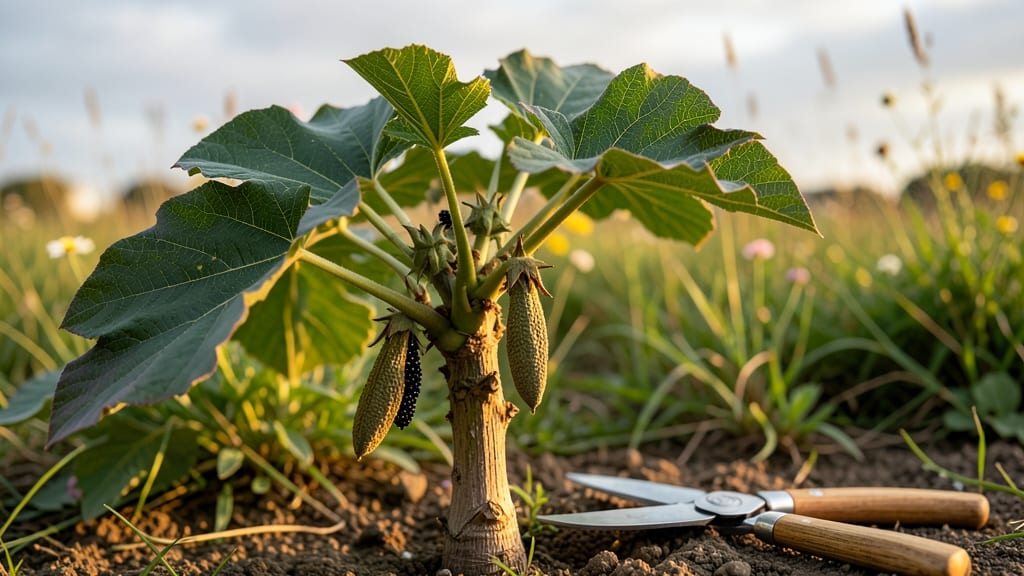
Moonflower datura seed pods are nature’s way of packaging next year’s drama—those spiky, lantern-like pods hold the magic for more of those ethereal white blooms that open at dusk. 🌙 The trick is harvesting them at the right moment, before they split open and scatter seeds everywhere, because timing makes all the difference between a reliable seed stash and a frustrating hunt for stragglers.
You’ll need just a few things: sharp pruning shears, a paper bag for collecting pods, and a dry, dark spot to cure them. Once you’ve picked the pods—when they turn from green to brown but haven’t burst yet—let them dry completely before cracking them open.
The seeds inside need this drying process to break dormancy, or they’ll just sit there stubbornly refusing to sprout.
What you’re aiming for is a batch of viable seeds that’ll sprout into those towering, fragrant moonflowers by next summer. The payoff? A garden that hums with night-blooming beauty and the satisfaction of growing something from seeds you saved yourself.
Just remember—every part of the plant is toxic, so keep it away from kids and pets.
This method works for gardeners in any climate, though warmer regions might see faster germination. If you’re new to seed saving, start with just a few pods—you’ll get the hang of it, and before you know it, you’ll have a moonflower forest of your own.
Let’s get those seeds ready for planting!
📚 In This Guide
- What you need
- Instructions
- Tips and common mistakes
- Wrapping up and next steps
What you need
- ● Moonflower datura plants: Mature plants with fully developed seed pods (typically late summer to early fall). Aim for at least 3–5 healthy plants for a good seed yield.
- ● Pruning shears or sharp scissors: Clean, sterilized tools to snip seed pods without damaging the stems. Disposable gloves are recommended—datura sap can irritate skin!
- ● Paper bags or breathable mesh bags: 1–2 bags per pod to collect seeds. Brown paper lunch bags work perfectly for airflow.
- ● Drying surface: A clean, dry, and well-ventilated area like a screened porch, drying rack, or cardboard box with holes punched in it.
- ○ Fan (optional but helpful): A small box fan or dehumidifier to speed up drying in humid climates.
- ● Labeling supplies: Masking tape and a marker to label bags with the harvest date and plant variety.
- ● Seed envelope or jar: For long-term storage, a small glass jar with a lid or seed-saving envelope keeps seeds dry and organized.
- ● Humidity indicator: A small silica gel packet in storage containers to absorb excess moisture.
- ● Camera or notebook: To document your harvest process or track seed viability over time.
- ● Safety goggles: Extra protection if you’re working in dusty or windy conditions.
Step-by-step guide to harvesting and drying moonflower datura seed pods
Here's how to save seeds from your moonflower datura for a fresh crop next season.
🌿 Step 1: Identify and Select Mature Seed Pods
Moonflower datura seed pods turn from green to brown when ready—wait until they're completely dry and papery to the touch. Look for pods that have split open slightly at the top, revealing the spiky, seed-filled interior. I always pick pods from the healthiest plants in my garden to ensure strong germination next year.
Harvest on a dry morning after the dew has evaporated. This prevents moisture from making the pods too damp to handle. Use clean, sharp pruning shears to snip the pods from the stem, leaving about ½ inch of stem attached. This helps prevent the seeds from spilling out during drying.
Here's the thing—don't harvest pods that have already split open and released seeds. You'll end up with empty pods and no seeds to save. The best time to harvest is when the pods are just starting to turn brown but haven't split yet.
🪴 Step 2: Dry the Seed Pods Properly
Spread the harvested pods on a clean, dry surface in a well-ventilated area. I use a mesh screen or an old window screen to allow air to circulate freely on all sides. Place the screen in a dry, shaded spot—direct sunlight can overheat the pods and cause them to crack open prematurely.
Turn the pods every 2-3 days to ensure even drying. You'll know they're properly dried when they feel completely light and hollow when tapped gently. The drying process typically takes 7-10 days, depending on your climate's humidity levels. If your air feels damp, drying may take longer.
Don't rush this step. Overly hasty drying can cause the pods to split open, scattering seeds everywhere. I've learned the hard way—patience here ensures you'll have viable seeds ready for planting next spring.
✂️ Step 3: Extract and Clean the Seeds
Once the pods are completely dry, gently squeeze them to release the seeds. The seeds will pop out easily—just be careful not to crush them. I place the pods in a paper bag and shake gently to collect the seeds. The bag helps contain any seeds that might otherwise scatter.
Remove any debris, chaff, or empty seed husks by hand. Moonflower datura seeds are large and distinctive, so you'll easily spot the good ones. Place the clean seeds in an envelope or small paper bag. Label it with the variety name and the year harvested—trust me, you'll forget by next spring!
Store the seeds in a cool, dry place. A sealed envelope with a desiccant packet in a dark cupboard works perfectly. Under these conditions, moonflower datura seeds remain viable for 2-3 years, though they germinate best when planted within a year of harvest.
💧 Step 4: Prepare Seeds for Next Year's Planting
Moonflower datura seeds don't require any special treatment before planting. Simply scatter them on the surface of well-draining soil in a sunny location. They germinate best in warm soil (70-80°F), so wait until after the last frost date in your area.
Lightly press the seeds into the soil—don't bury them too deeply, as they need light to germinate. Keep the soil consistently moist until germination occurs, which typically takes 10-20 days. You'll see the first true leaves emerge as small, fuzzy-looking seedlings.
Real talk: Moonflower datura can be a bit temperamental. If you want to boost germination rates, consider soaking the seeds in lukewarm water for 12 hours before planting. This softens the seed coat and encourages faster sprouting. Just don't soak them longer than that—too much moisture can cause them to rot.
Tips & tricks for perfect moonflower datura seed pod harvesting
These simple strategies will help you save the best seeds for next year's garden—without the frustration of empty pods or scattered seeds.
Timing is Everything: Harvest moonflower datura pods in the morning after the dew has evaporated. This prevents excess moisture from making them too damp to handle during drying. I've found that pods harvested in the morning dry more evenly and are less likely to split open prematurely during the 7-10 day drying process.
Drying Surface Matters: Use a mesh screen or window screen for drying—it allows air to circulate freely on all sides, preventing mold and ensuring even drying. Place it in a dry, shaded spot to avoid overheating from direct sunlight. I've had pods crack open when exposed to hot afternoon sun, scattering seeds everywhere.
Storage Wisdom: Store your clean seeds in a sealed envelope with a desiccant packet in a dark cupboard. This creates the ideal conditions for long-term viability. Remember, while seeds remain viable for up to 2-3 years, they germinate best when planted within a year of harvest. Label your envelope with the variety name and harvest year—you'll thank yourself next spring!
Germination Boost: For faster sprouting, soak seeds in lukewarm water for exactly 12 hours before planting. This softens the seed coat and encourages quicker germination. Just don't exceed this time—too much moisture can cause the seeds to rot. The warm soil temperature of 70-80°F will complement this treatment perfectly.
Pro Tips for Moonflower Datura Seed Pods
- These simple strategies will help you save the best seeds for next year's garden—without the frustration of empty pod...
- Timing is Everything: Harvest moonflower datura pods in the morning after the dew has evaporated. This prevents exces...
- Drying Surface Matters: Use a mesh screen or window screen for drying—it allows air to circulate freely on all sides,...
Frequently asked questions
Got questions about moonflower datura seed pods?
You’re not alone! Here are some of the most common queries—plus quick, practical answers to help you master the process.
When is the best time to harvest moonflower datura seed pods?
Harvest seed pods when they turn tan or brown and start splitting open naturally—usually late summer to early fall (August–October, depending on your climate). Wait too long, and the seeds may scatter or sprout prematurely! Aim for dry, crisp pods for the best results.
How long does it take for moonflower datura seed pods to dry completely?
Drying time varies, but most pods are fully dry in 1–2 weeks if hung in a well-ventilated, dry space (like a garage or shed). Check for dryness by gently squeezing a pod—if it crumbles easily, it’s ready! Pro tip: Use a fan for faster drying if humidity is high.
What do I do if my moonflower datura seed pods won’t open on their own?
If pods stay closed, try these tricks:
- Gently tap them with a wooden spoon to encourage splitting.
- Place them in a paper bag and store in a warm, dry spot for a few days.
- Use a knife or scissors to carefully slit open stubborn pods (sterilize tools first!).
Just avoid moisture—it can cause mold or rot.
Can I save moonflower datura seeds for more than one year?
Yes! Store seeds in a cool, dark place (like a sealed jar in the fridge) for up to 2–3 years. Add a silica gel packet to absorb moisture and prevent mold. Label the container with the harvest year to track freshness.
Are moonflower datura seed pods toxic to pets or kids?
Yes, extreme caution is required! All parts of the moonflower datura plant—including seeds and pods—are highly toxic if ingested. Keep pods and seeds out of reach of children and pets. Wear gloves when handling, and wash hands thoroughly afterward. If accidental exposure occurs, contact a poison control center immediately.
Wrapping up and next steps
Harvesting and drying moonflower datura seed pods is a rewarding way to ensure next year’s stunning blooms—just remember to handle these beauties with care! 🌙 By following the right steps, you’ll protect your garden’s future while enjoying the unique charm of these nocturnal flowers.
Whether you’re a seasoned gardener or just starting, this process is simpler than it seems.
Now that you’re armed with the know-how, grab those pods and get ready to nurture your garden’s magic! Start by marking your calendar for next year’s harvest season—your future moonflowers will thank you. Happy gardening! 🌱✨