Flowers
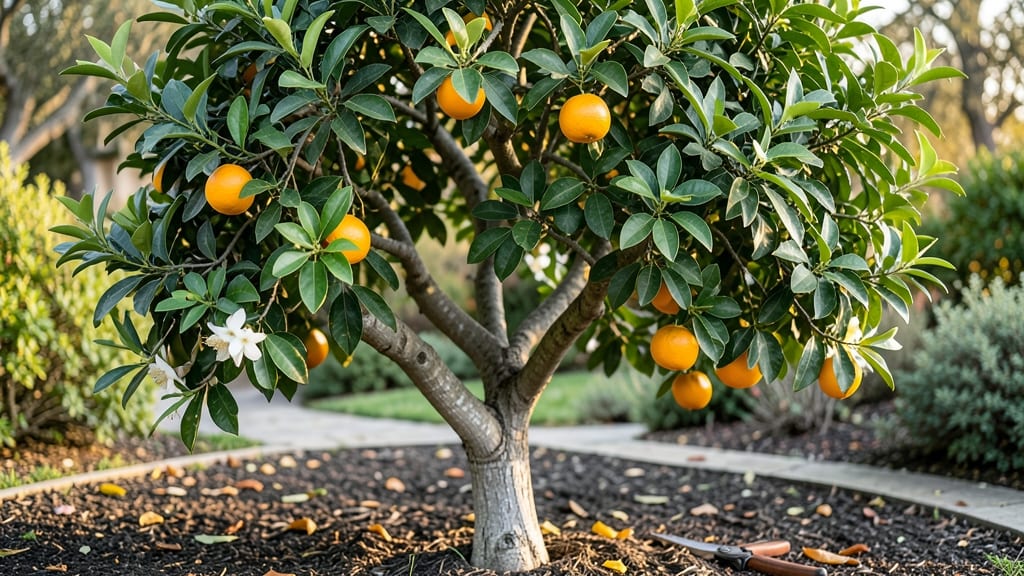
Your orange tree flowers are the secret to a fragrant spring display that rivals any citrus grove. 🌸 I’ve watched my Meyer lemon’s delicate blossoms transform into fruit over three seasons, and the key isn’t complicated—it’s about sunlight, water, and timing.
Most people overlook the basics that make the difference between a tree full of flowers and one that barely blooms.
The right variety matters too—Meyer lemons and Calamondin oranges produce the most reliable flowers, while sweet oranges like Navel take patience. You’ll need full sun (6+ hours daily), well-draining soil, and a winter chill period (if your tree needs it).
The payoff? Clusters of white or pink blossoms that perfume the air for weeks, followed by fruit that tastes like sunshine.
Encouraging flowers starts with pruning in late winter—cut back dead growth to open the canopy—and feeding with citrus-specific fertilizer when buds form. A gentle watering schedule (deep but infrequent) keeps roots healthy without drowning the blossoms. Within months, you’ll have a tree that’s as productive as it is beautiful.
This works for container-grown trees too—just scale back the fertilizer and water slightly. The first year might be quiet, but by year two, your tree will reward you with blooms that turn heads (and noses) in your neighborhood. Let’s get those flowers growing!
📚 In This Guide
- What you need
- Instructions
- Tips and common mistakes
- Wrapping up and next steps
What you need
- ● Orange tree (Citrus × sinensis) – Choose a healthy, mature plant (2-5 years old) with blooming potential. Dwarf varieties (like 'Calamondin' or 'Improved Meyer') are great for containers!
- ● Well-draining potting mix – A blend of 60% peat or coconut coir, 30% perlite or pumice, and 10% compost (for container plants). For in-ground planting, amend soil with compost and sand (1:1 ratio) if drainage is poor.
- ● Pot with drainage holes (15-24" diameter for mature trees) – Terracotta or fabric pots work best to prevent root rot.
- ● Slow-release citrus fertilizer (10-10-10 or 8-3-9 NPK ratio) – 2-3 lbs per year for in-ground trees; 1 tbsp per gallon of soil for containers.
- ● Watering can with a rose attachment – Ensures gentle, deep watering without disturbing roots.
- ● Pruning shears (sterilized) – Bypass pruners (sharp, clean blades) for trimming dead blooms or shaping.
- ○ Mulch (optional but recommended) – 2-3 inches of wood chips or straw to retain moisture and regulate soil temperature.
- ● Citrus-specific micronutrients (e.g., iron chelate or Epsom salt) – Helps prevent leaf yellowing (chlorosis) in alkaline soils.
- ● Humidity tray or pebble tray – Boosts moisture for indoor plants during dry spells.
- ● Grow lights (LED, full-spectrum) – Essential if growing indoors (12-16 hours/day, 2,000-5,000 lux).
- ● Pollination tool (soft paintbrush) – Gently brush flowers to encourage fruit set (if desired).
- ● Pest control (neem oil, horticultural oil) – Preemptive measure against aphids, scale, or spider mites.
How to care for orange tree flowers for long-lasting blooms
Here's the straightforward approach I've used to keep my citrus trees flowering beautifully—no complicated tricks.
🌿 Step 1: Choose the Right Variety and Location
Not all citrus trees flower easily. For reliable blooms, select cold-hardy varieties like 'Calamondin,' 'Satsuma,' or 'Improved Meyer Lemon' that thrive in your climate zone. These varieties handle temperature swings better than tropical types and flower more consistently.
Place your tree in a spot with full sun exposure—at least 6-8 hours of direct sunlight daily. A south or west-facing window works for container trees, but outdoor trees need a sheltered location protected from strong winds. I've seen trees in partial shade produce fewer blooms, so prioritize sun.
☀️ Step 2: Maintain Proper Light and Temperature Conditions
Orange trees need warmth to flower, ideally between 65-85°F during the day and 55-65°F at night. If you're growing indoors, keep the tree near a sunny window or supplement with a grow light for 12-14 hours daily. Without enough light, buds may form but won't open fully.
Here's the thing—if your tree gets too cold, it can drop buds. Keep it away from drafts, air conditioning vents, or sudden temperature drops below 50°F. I once lost a batch of blooms when my tree sat near a frequently opened door in winter. Watch for buds forming, then protect them from temperature swings.
💧 Step 3: Water and Fertilize for Healthy Growth
Water your tree deeply once a week, allowing the top 2-3 inches of soil to dry out between waterings. Overwatering causes root rot, which weakens the tree and reduces flowering. Check moisture by sticking your finger into the soil—if it feels dry, it's time to water.
Feed your tree with a balanced citrus fertilizer every 4-6 weeks during the growing season (spring to fall). I use a 10-10-10 or 8-3-9 formula to encourage blooming. Reduce fertilizing in winter when the tree is dormant. Too much fertilizer can lead to leafy growth at the expense of flowers.
✂️ Step 4: Prune to Encourage Flowering
Prune your tree lightly in late winter or early spring before new growth begins. Remove any dead, diseased, or crossing branches to improve airflow. I also trim back overgrown branches by about one-third to stimulate new growth, which often leads to more flowers.
Avoid heavy pruning in summer, as this can stress the tree and reduce flowering. Instead, focus on shaping the tree and removing any suckers (shoots growing from the base or trunk). Pruning encourages the tree to redirect energy toward producing flowers rather than excessive foliage.
🌱 Step 5: Protect Flowers from Pests and Stress
Watch for common pests like aphids, scale, or spider mites, which can damage buds and flowers. Spray the tree with neem oil or insecticidal soap if you spot any pests. I check my trees weekly during bloom season—early detection prevents infestations from spreading.
Stress from transplanting, drought, or extreme temperatures can cause buds to drop. If you recently repotted your tree, wait until it's established before expecting flowers. Give it time to recover, and avoid fertilizing heavily until new growth appears.
Tips & tricks for long-lasting orange tree blooms
A few simple adjustments can transform your citrus tree from occasional bloomer to consistent fragrant beauty. Focus on these key areas to maximize those stunning flowers.
Light Optimization: While 6-8 hours of direct sunlight is ideal, I've found that supplementing with a grow light for 12-14 hours during shorter winter days can double your bloom production. Position the light 6-12 inches above the tree and use a timer for consistency. The extra light mimics longer growing days, signaling the tree to produce more flowers. For container trees, rotate them weekly so all sides get equal sun exposure—this prevents lopsided growth that can reduce flowering.
Temperature Protection Strategy: The 65-85°F range is critical for bud formation, but sudden drops below 50°F can cause buds to drop before opening. I keep a small space heater near my indoor trees during winter nights, but only when temperatures threaten to dip. For outdoor trees, use frost blankets on cold nights—these lightweight covers provide just enough insulation without overheating the tree. The key is maintaining stable temperatures during the critical budding phase in late winter and early spring.
Fertilizer Timing: The 4-6 week feeding schedule works best when timed with new growth. I start fertilizing in early spring when I see fresh leaves emerging and stop by late summer. Here's what I've learned: split your fertilizer dose in half and apply it twice during the growing season—once in spring and again in early summer. This gradual approach prevents over-fertilization that can lead to excessive leafy growth at the expense of flowers. Always water thoroughly after fertilizing to help nutrients reach the roots.
Pruning for Flower Power: When you're trimming back those overgrown branches by one-third in late winter, focus on removing branches that are growing inward or crossing each other. These pruning cuts stimulate new growth from the branch collar (the swollen area where the branch meets the trunk), which often produces flower clusters. I've noticed that pruning just after a bloom cycle ends gives the tree energy to prepare for its next flowering cycle. Avoid pruning during summer when the tree is already stressed from heat and potential drought.
Pro Tips for Orange Tree Flowers
- A few simple adjustments can transform your citrus tree from occasional bloomer to consistent fragrant beauty. Focus ...
- Light Optimization: While 6-8 hours of direct sunlight is ideal, I've found that supplementing with a grow light for ...
- Temperature Protection Strategy: The 65-85°F range is critical for bud formation, but sudden drops below 50°F can cau...
Frequently asked questions
about orange tree flowers—because every gardener deserves clarity! Whether you're a first-timer or a seasoned citrus lover, these answers will help you nurture those stunning blooms.When do orange tree flowers bloom, and how long do they last?
Orange tree flowers typically bloom in spring (March–May in most climates), but some varieties—like Calamondin or Satsuma—may produce sporadic blooms in fall or winter too. Individual flowers last 3–5 days, but clusters can linger for weeks as new buds open.
Why aren’t my orange tree flowers opening, or they’re falling off?
No blooms? Check these culprits: too much nitrogen (focus on phosphorus for flowers), temperature stress (below 50°F/10°C halts blooming), or overwatering. Dropping flowers? It could signal thrips/pests, drought, or root shock after transplanting. Prune dead blooms to encourage new growth!
Can I eat orange tree flowers, and are they edible for humans?
Orange blossoms are edible and used in tea, desserts, and perfumes. They taste sweetly floral with hints of citrus. Just avoid pesticides—harvest organic blooms or rinse thoroughly. Pro tip: Freeze fresh petals for later use!
What’s the best way to pollinate orange tree flowers by hand?
If bees are scarce, gently transfer pollen with a soft brush or cotton swab between flowers. Focus on morning blooms (pollen is stickiest then). For container trees, shake branches lightly to encourage natural cross-pollination. Patience pays off—hand-pollinated flowers may take 2–4 weeks to fruit.
Can I grow orange tree flowers indoors for fragrance?
Yes! Dwarf varieties like ‘Calamondin’ thrive indoors near bright, southern windows. Keep humidity high (mist leaves!) and use a grow light in winter. Expect smaller blooms than outdoor trees, but the scent is just as intoxicating. Bonus: Indoor trees rarely need pollination—they focus on flowers!
Pro Tip:
For year-round blooms, prune lightly after harvest to stimulate new growth. Use a balanced fertilizer (10-10-10) every 2–3 months in spring/fall. And remember: Patience is key—mature trees (3+ years) bloom most reliably!
Wrapping up and next steps
Watching your orange tree burst into fragrant, delicate flowers is one of gardening’s sweetest rewards! 🌸 With the right care—sunlight, water, and a little patience—you can enjoy these stunning blooms year-round.
Whether you’re a seasoned grower or just starting, every effort brings you closer to that citrusy paradise in your backyard.
Ready to take the next step? Plant that cutting today or experiment with pollination to turn those flowers into juicy oranges! Your future harvest (and your neighbors’ envy) awaits.