
Flowers
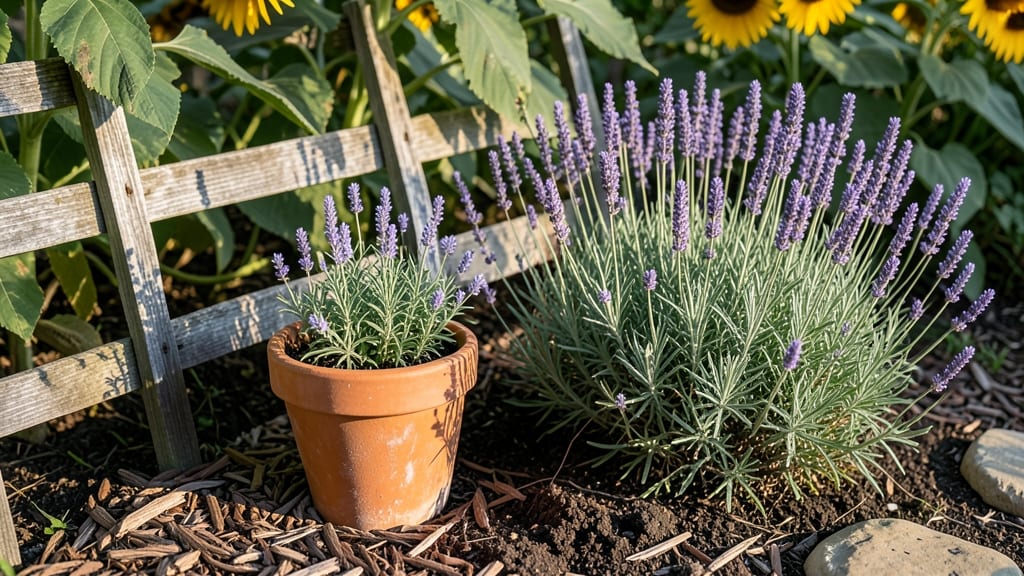
All things flowers can transform your garden into a season-long masterpiece—where every hue from frost-kissed spring to golden autumn dances in harmony without a clash. 🌸 The trick? Layering plants that overlap bloom times and complement each other’s hues, so you’re never stuck with bare soil.
Start with a color palette that excites you—maybe soft blues and whites for a dreamy cottage feel or bold reds and oranges for a fiery modern look. Then, mix perennials (like coneflowers and black-eyed Susans) with annuals (such as petunias and zinnias) to keep the show going.
Even containers can pull it off with the right combinations, proving you don’t need acres for impact.
By the time summer fades, your garden will still shine with late-blooming asters and ornamental grasses swaying in the breeze. The best part? Pollinators will flock to your yard, and neighbors will pause to admire the effortless beauty.
This isn’t just gardening—it’s creating a living work of art that evolves with the seasons.
Whether you’re working with a small balcony or a sprawling backyard, the principles stay the same. Let’s turn your space into a year-round floral masterpiece—one bloom at a time.
📚 In This Guide
- What you need
- Instructions
- Tips and common mistakes
- Wrapping up and next steps
What you need
- ● Flowering Plants: Choose a mix of perennials and annuals for continuous blooms. Aim for at least 12-15 plants per 100 sq. ft. of garden space. Examples: Perennials: Coneflowers (Echinacea), Black-Eyed Susans (Rudbeckia), Lavender (Lavandula), Daylilies (Hemerocallis)
- ● Annuals: Marigolds (Tagetes), Petunias, Snapdragons (Antirrhinum), Zinnias
- ● Soil Amendments: Compost (2-3 bags, 50 lbs each)
- ● Slow-release fertilizer (e.g., 10-10-10 or 5-10-5, 1 lb per 10 sq. ft.)
- ○ Peat moss or coconut coir (optional, for improving drainage)
- ● Mulch: 2-3 cubic feet of organic mulch (e.g., shredded bark or straw) to retain moisture and suppress weeds.
- ● Basic Gardening Tools: Trowel (for planting small flowers)
- ● Hand pruners or shears (for trimming and shaping)
- ● Garden gloves (1 pair, water-resistant)
- ● Watering can or hose with a spray nozzle
- ● Measuring & Planning: Measuring tape (25 ft. length)
- ○ Graph paper or garden planning software (optional but helpful!)
- ● Stakes and twine (for marking plant locations)
- ○ Optional Extras: Wheelbarrow (for hauling soil and mulch)
- ● Kneeling pad (for comfort during planting)
- ● Color wheel or garden design app (e.g., Gardenate or Pro Landscape)
- ● Sunlight assessment: Identify areas with full sun (6+ hours), partial shade (3-6 hours), or full shade (—this dictates plant placement!
- ○ Soil test kit (optional but recommended to check pH and nutrient levels). Aim for a pH of 6.0-7.0 for most flowers.
- ● Local climate knowledge: Research your USDA Hardiness Zone to select cold-hardy perennials if applicable.
- ● Water source: Ensure easy access to a garden hose or irrigation system.
Step-by-Step guide to designing a season-long flower garden
Here’s how to create a garden that blooms continuously—no gaps, no guesswork.
🌱 Step 1: Map Your Seasonal Color Layers
Start by dividing your garden into three bloom cycles: early spring, mid-to-late summer, and fall. I like to sketch a simple grid—each square represents a 4-foot section of the garden. Assign cool-toned bulbs (tulips, daffodils) to spring, warm perennials (coneflowers, black-eyed Susans) to summer, and deep-hued annuals (mums, asters) to fall.
Overlap bloom times by 2-3 weeks between seasons—this ensures no bare patches. For example, pair early tulips with late-blooming hellebores to bridge the gap before summer flowers take over. The key is strategic repetition: repeat your top 3-4 favorite colors across all seasons so the garden feels cohesive, not chaotic.
☀️ Step 2: Position Plants by Sun and Height
Group plants by their sunlight needs—full sun lovers (daylilies, lavender) get the back of the border, while partial shade plants (bleeding hearts, astilbes) go toward the front. I always measure sunlight exposure in 2-hour blocks at different times of day. A north-facing garden might need more shade-tolerant varieties, while a south-facing space can handle bold sun-worshippers.
Next, arrange plants by height tiers: tall (delphiniums, hollyhocks) go at the back, medium (peonies, phlox) in the middle, and short (pansies, ajuga) at the front. This creates natural layers that hide soil and support smaller blooms. Leave 12-18 inches between each tier for airflow—crowding invites fungal diseases and weak stems.
💧 Step 3: Layer Mulch and Watering Zones
Spread 3 inches of organic mulch (shredded bark or straw) over the entire bed to retain moisture and suppress weeds. I use a rake with ½-inch teeth to fluff the mulch evenly—this prevents clumping and ensures water penetrates the soil. Mulch also regulates soil temperature, which is critical for heat-sensitive bulbs like dahlias.
Divide the garden into three watering zones based on moisture needs. Drought-tolerant plants (sedum, yarrow) get deep watering every 10-14 days, while thirsty blooms (impatiens, coleus) need weekly shallow watering. Install a soaker hose along the back border for efficient hydration—this delivers water directly to roots without wetting foliage, reducing disease risk.
✂️ Step 4: Prune and Deadhead for Continuous Bloom
After the first flush of spring blooms, cut back spent stems to just above the first set of healthy leaves. This encourages bushier growth and triggers a second round of flowers. For perennials like coneflowers, I snip only the faded blooms, leaving the foliage intact to feed the plant for next season. Annuals like zinnias often self-seed—let a few go to seed for next year’s garden.
In late summer, reduce watering by 30% to harden off perennials for winter. This prepares them for dormancy and prevents weak, leggy growth. I always mark three key pruning dates on my calendar: early spring (cleanup), mid-summer (deadheading), and fall (cutting back woody stems). This keeps the garden looking intentional, not neglected.
Tips & tricks for perfect season-long flower garden design
Creating a garden that thrives all year takes more than just planting flowers—it’s about intentional layering and care. Here’s how to elevate your seasonal design from good to breathtaking.
Seasonal Color Overlap: The 2-3 week overlap between bloom cycles in Step 1 is where magic happens. I recommend adding a few evergreen shrubs (like boxwood or heather) as a neutral base—they provide structure while letting seasonal flowers shine. These act as a "filler" when spring bulbs fade and summer blooms haven't peaked yet. Think of them as the garden's unsung heroes.
Sunlight Mapping Hack: For Step 2, I take it a step further by using a sunlight tracking app to map my garden's sun exposure throughout the day. This helps me place sun-loving plants like daylilies in spots that get morning sun but afternoon shade. The key is observing how sunlight shifts—what's full sun in June might be partial shade in December. A simple chalk outline on your garden path marks these zones permanently.
Mulch Depth Matters: When applying that 3 inches of mulch in Step 3, I always add a 1-inch layer of compost beneath it. This boosts soil fertility while the mulch regulates temperature and moisture. The compost breaks down slowly, feeding your plants season after season. Plus, it prevents that "volcano mulch" look that smothers stems and invites pests.
Pruning Precision: In Step 4, when cutting back spent stems, I use clean, sharp pruners and make cuts at a 45-degree angle just above a leaf node. This encourages new growth from the right spot. For perennials like coneflowers, I leave the lower ⅓ of the stem intact
Pro Tips for All Things Flowers
- Creating a garden that thrives all year takes more than just planting flowers—it’s about intentional layering and care.
- Seasonal Color Overlap: The 2-3 week overlap between bloom cycles in Step 1 is where magic happens.
- Sunlight Mapping Hack: For Step 2, I take it a step further by using a sunlight tracking app to map my garden's sun exposure throughout the day.
Frequently asked questions
How do I ensure my flower garden stays colorful all year?
Layer plants with different bloom times—spring bulbs (tulips, daffodils), summer annuals (petunias, zinnias), and fall/winter shrubs (mums, hellebores). Add evergreens (like boxwood) for structure. Pro tip: Mulch well to protect roots and retain moisture!
When is the best time to plant for continuous blooms?
Start in early spring (after last frost) for perennials and bulbs, then add summer annuals in May-June and fall bloomers (like asters) in August-September. Timing hack: Check your USDA zone—cooler climates may need earlier starts!
Can I create a low-maintenance flower garden?
Opt for native plants (they’re drought-tolerant), use self-seeding annuals (like cosmos), and group plants by water needs. Budget tip: Swap expensive hybrids for hardy perennials (e.g., coneflowers, black-eyed Susans).
How do I keep pests from ruining my flowers?
Prevent pests with healthy soil (compost + balanced fertilizer) and natural barriers (marigolds deter aphids). For troubleshooting: Neem oil for soft-bodied bugs, soapy water for aphids, and row covers for caterpillars. Act fast!
How do I fix a garden that looks dull mid-season?
Refresh with fast-growing fillers like nasturtiums or sweet alyssum. Quick fixes:
- Trim dead blooms to encourage new growth.
- Add foliage contrast (silver lamb’s ear, purple basil).
- Rotate pots with seasonal picks (e.g., snapdragons in summer).
Wrapping up and next steps
From vibrant blooms to fragrant foliage, creating a season-long color harmony in your garden is all about intentional planning and joyful experimentation. 🌸 Whether you’re a seasoned gardener or just starting, the key is to embrace the rhythm of nature—layering textures, colors, and blooming times for a garden that feels alive year-round.
Your effort will reward you with a stunning, ever-changing canvas that brings peace and beauty to your outdoor space.
Ready to bring your vision to life? Start small—pick one corner of your garden this season and test a few of these techniques. Grab your gloves, sketch a quick layout, and let the magic of flowers guide you! 🌿