Planting
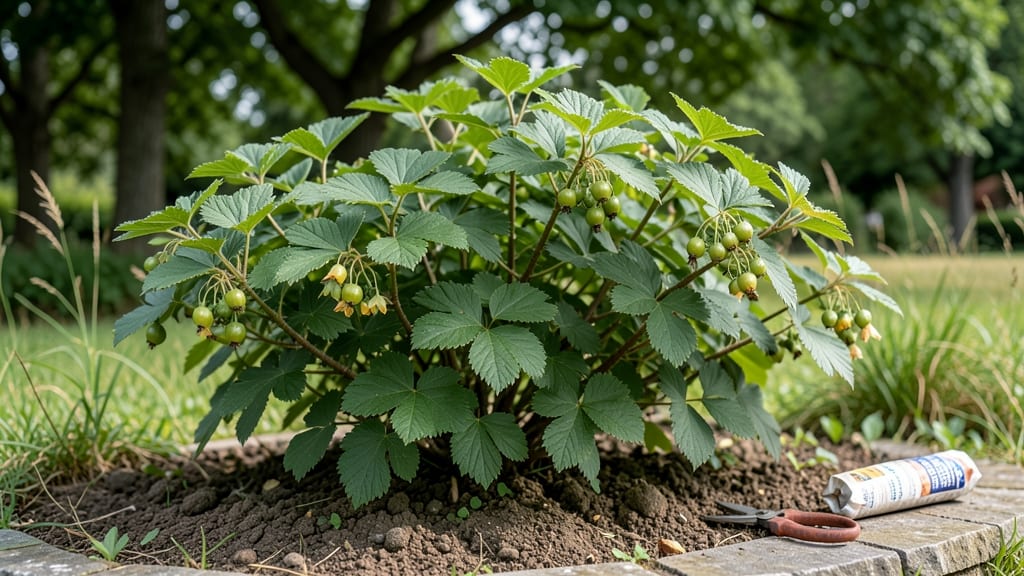
The gooseberry plant flower isn't just pretty—it's a pollinator magnet and a tasty bonus for gardeners. 🌸 I've watched mine burst into clusters of delicate blossoms every spring, and each one holds the promise of juicy berries later.
These tiny, pale green or yellow flowers might look unassuming, but they're packed with nectar that bees and butterflies can't resist.
Timing is everything with gooseberry flowers—they typically bloom in late spring, right when the air turns crisp and the bees wake up from winter. The flowers themselves are small but abundant, forming tight clusters along the stems.
To encourage more blooms, make sure your plant gets full sun and well-draining soil. A little extra phosphorus in the soil can also give that flowering boost.
What makes these blooms special is their dual role: they feed pollinators while also developing into the tart-sweet berries we love. The more flowers you see, the more berries you'll harvest. Just be mindful of frost—late blooms can get nipped if temperatures dip unexpectedly.
With the right care, your gooseberry plant will reward you with a spectacular floral display and a bountiful harvest.
Whether you're growing in a backyard or a container, these flowers thrive with minimal fuss. The key is consistency: water when the soil dries out, prune old growth in winter, and watch as your plant transforms into a pollinator paradise.
Next time you see those delicate blossoms, remember—they're working hard for both your garden and your table.
📚 In This Guide
- What you need
- Instructions
- Tips and common mistakes
- Wrapping up and next steps
What you need
- ● Gooseberry plants: 3–5 Ribes uva-crispa (European gooseberry) or Ribes hirtellum (American gooseberry) plants (dwarf or standard varieties work well).
- ○ Optional: Choose pollinator-friendly varieties like ‘Invicta’ or ‘Pilgrim Solstice’ for extra bee visits! 🐝
- ● Potting mix or garden soil: 5–10 gallons of well-draining, slightly acidic soil (pH 5.5–6.5).
- ● For containers: A 5-gallon pot per plant with drainage holes.
- ● Fertilizer: Balanced 10-10-10 or 5-10-10 granular fertilizer (1 cup per plant at planting).
- ● Organic option: Composted manure or worm castings (½ cup per plant).
- ● Garden trowel or transplanting spade.
- ● Pruning shears (for shaping and harvesting).
- ● Watering can or hose with a gentle spray nozzle.
- ○ Optional but helpful: Mulch (straw or wood chips) to retain moisture.
- ● Row cover or netting (to protect flowers from pests like birds).
- ● pH test kit (to ensure soil acidity is ideal).
- ● Sunlight: A spot with 6–8 hours of full sun daily (partial shade in hot climates).
- ● Water access: Consistent moisture (1–1.5 inches per week).
- ● Space: 3–5 feet between plants (or 2 feet in containers).
- ● Note: Gooseberries thrive in USDA Zones 3–8; adjust planting time for your climate! ❄️🌡️
Step-by-Step guide to cultivating gooseberry flowers for edible blooms
Here's how to coax vibrant, pollinator-friendly blooms from your gooseberry bushes.
🌱 Step 1: Choose a Sunny, Sheltered Location for Planting
Gooseberry bushes thrive in full sun to partial shade (at least 6 hours of direct sunlight daily). Select a spot with protection from strong winds—these delicate blooms need shelter to develop properly. I always plant mine near a fence or wall where they get morning sun and afternoon shade in hotter climates.
Check the soil drainage before planting. Gooseberries hate soggy roots, so if your soil stays wet for more than 24 hours after rain, amend it with 2-3 inches of compost mixed into the top 12 inches of soil. You'll know the drainage is right when water pools disappear within 30 minutes of watering.
☀️ Step 2: Prune for Optimal Flower Production
Prune your gooseberry bushes in late winter or early spring before new growth begins. Remove any dead, diseased, or crossing branches first—these compete with healthy growth. Then, cut back one-third of the oldest canes to the ground to encourage new, vigorous shoots that produce more flowers.
Here's the thing—gooseberries flower on both old and new wood, so don't over-prune. Leave 3-5 of the strongest canes from previous years to ensure a steady bloom. You'll see the best flower production when you maintain a balance between old and new growth.
💧 Step 3: Fertilize and Water for Healthy Blooms
Feed your gooseberry bushes in early spring with a balanced 10-10-10 fertilizer (about 1/2 cup per plant). This gives them the nutrients they need for robust flowering. Water deeply once a week during dry spells, ensuring the soil stays evenly moist but not waterlogged. You'll know it's right when the top 2 inches of soil feel damp but not soggy.
Stop fertilizing after mid-summer to prevent late-season growth that won't harden off before winter. Instead, focus on mulching with 2-3 inches of organic mulch (like straw or shredded leaves) to retain moisture and regulate soil temperature. This keeps roots cool and blooms vibrant.
🌿 Step 4: Protect Flowers from Pests and Encourage Pollinators
Gooseberry flowers attract beneficial pollinators like bees and butterflies, but they're also a target for pests like aphids and sawflies. Inspect the blooms weekly for signs of infestation—tiny holes in petals or sticky residue on leaves. If you spot pests, spray with neem oil (mixed as directed) in the early evening to avoid harming pollinators.
To boost pollination, plant companion flowers like lavender or borage nearby. These attract even more pollinators, increasing the chances of successful fruit set. You'll see the most vibrant blooms and the best fruit production when your gooseberry bushes are part of a thriving pollinator ecosystem.
⏰ Step 5: Harvest Flowers for Edible Use (When Ready)
Gooseberry flowers are edible and best harvested in the morning after the dew has dried but before the heat of the day. Use clean, sharp scissors to snip the blooms just above a leaf node. Avoid harvesting more than one-third of the flowers from a single bush to ensure fruit production continues.
Use the flowers immediately or store them in a paper bag in the refrigerator for up to 3 days. They make a beautiful garnish for salads, desserts, or infused syrups. You'll love the delicate floral flavor they add to dishes—just don't overharvest, or you'll sacrifice next year's berries.
Tips & tricks for perfect gooseberry flower cultivation
Between us, these little-known details make all the difference when growing edible gooseberry blooms.
Sunlight Strategy: While the instructions mention 6 hours of sunlight, I've found that morning sun paired with afternoon shade (especially in hot climates) produces more delicate, flavorful blooms. The key is avoiding midday heat stress—your bushes will reward you with larger, more vibrant flowers that last longer when harvested. Position them where they get gentle afternoon shade if your summers are intense.
Pruning Precision: That one-third pruning of oldest canes in Step 2 is critical, but here's what nobody tells you—always prune on a dry day. Wet canes tear easily, and you want clean cuts that heal properly. I also recommend sterilizing your pruners with rubbing alcohol between cuts to prevent spreading disease from any infected branches you might encounter.
Watering Wisdom: The once-weekly watering guideline works for most climates, but I've learned to adjust based on soil type. Sandy soils dry out faster—check moisture at 1-inch depth daily during heatwaves. Clay soils hold moisture longer, so you might only need water every 10 days. The top 2 inches damp test is perfect, but don't rely solely on it—also watch for wilting leaves or yellowing foliage, which signal hidden moisture issues.
Harvesting Hack: For the most delicate flavors, harvest flowers when they're fully open but before their petals start curling at the edges. I use a small bowl to catch the fallen blooms throughout the day—this gives you extra flowers for culinary use without overharvesting. Store them in paper bags (not plastic) to maintain their freshness and vibrant color for those 3 days in the fridge.
Pro Tips for Gooseberry Plant Flower
- Between us, these little-known details make all the difference when growing edible gooseberry blooms.
- Sunlight Strategy: While the instructions mention 6 hours of sunlight, I've found that morning sun paired with aftern...
- Pruning Precision: That one-third pruning of oldest canes in Step 2 is critical, but here's what nobody tells you—alw...
Frequently asked questions
Got questions about gooseberry plant flowers? You’re not alone!
Here are some of the most common queries—plus quick answers to help you grow confidently.
When do gooseberry plant flowers bloom?
Gooseberry flowers typically appear in early spring (March–April in most climates), just before the leaves unfurl. Cold-hardy varieties may bloom even earlier if winter wasn’t too harsh. Pro tip: If your plant skips flowering, check for nutrient deficiencies or insufficient sunlight ( <6 hours/day).
Are gooseberry flowers edible?
Yes! While the petals are mild and floral-tasting (great in salads or garnishes), the buds are the real star—pickled or fried like capers. Warning: Only eat flowers from organic, pesticide-free plants (or those you’ve grown yourself). Avoid flowers from store-bought bushes treated with chemicals.
Why aren’t my gooseberry flowers turning into fruit?
No fruit? Blame these culprits:
- Pollinators: Gooseberries need bees/wind. If flowers drop without fruit, hand-pollinate with a soft brush or plant bee-friendly neighbors (lavender, borage).
- Temperature: Late frosts (<28°F) can kill flowers. Cover plants with frost cloth if frost is forecasted.
- Age/Health: Young plants or those stressed by drought/sunburn may skip fruiting. Prune old wood () to encourage new growth.
Can I grow gooseberries from flower cuttings?
Not directly—but you can root semi-hardwood cuttings (from summer growth) to propagate your plant! Here’s how:
- Take 4–6″ cuttings with 2–3 leaf nodes.
- Strip lower leaves, dip in rooting hormone (optional), and plant in moist perlite/sand.
- Keep humid (use a plastic bag) and in partial shade until roots form (4–6 weeks).
What’s a good alternative if gooseberries don’t thrive in my climate?
Try these pollinator-friendly, edible-flowered plants with similar care:
- Currants (red/black): Hardy, berry-producing, and great for jams.
- Elderberry: Loves heat/humidity; flowers make syrups or fritters.
- Honeyberry: Cold-tolerant (Zone 3!) with edible flowers and berries.
- Borage: Annual with star-shaped blue flowers (edible + attracts bees).
All thrive in similar soil (well-draining, slightly acidic) and sun ( 6+ hours).
Wrapping up and next steps
Growing gooseberry plants isn’t just rewarding—it’s a gift to both your garden and local pollinators! 🐝 From their delicate, edible flowers to their tangy berries, these hardy shrubs bring beauty, flavor, and ecological benefits.
Whether you’re a seasoned gardener or just starting out, planting gooseberries is a simple yet impactful way to support biodiversity while enjoying nature’s bounty.
Ready to take the next step? Start by choosing the right variety for your climate, then gather your supplies and follow the planting tips above. Before you know it, your garden will be buzzing with pollinators—and maybe even a few curious birds eyeing your harvest! Happy gardening! 🌱