
Flowers
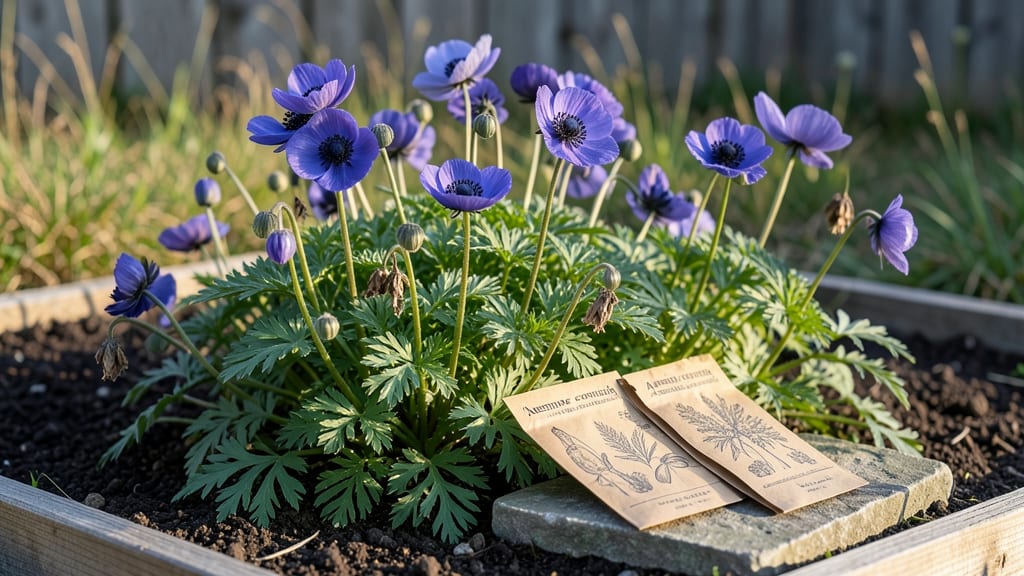
Growing anemone flower seeds isn’t just possible—it’s a foolproof way to fill your garden with delicate, frost-tolerant blooms in just three months. 🌱 I’ve grown them from seed for years, and the secret lies in patience and the right timing.
These seeds need cold stratification to break dormancy, but once they sprout, they reward you with lush foliage and striking flowers that thrive even after light frosts.
The process starts with selecting seeds—whether you choose the classic Japanese anemones with their deep pink blooms or the cheerful windflowers that dance in meadows. You’ll need a well-draining seed-starting mix, a shallow tray, and a little refrigerator space for stratification.
Most seeds germinate in 4-8 weeks when kept cool, and seedlings are surprisingly hardy once they get their start.
By midsummer, you’ll be pinching back leggy stems and watching for those first buds to form. The payoff? Vibrant blooms that last from late summer into fall, often returning the next year if you leave the foliage.
They pair beautifully with lavender, catmint, and even late-season asters, creating a garden that feels both wild and polished.
Even if you’ve struggled with finicky seeds before, anemones are forgiving—just don’t rush them. The key is consistency in moisture and light, and a little extra patience when they seem slow to wake up. Once you’ve mastered this, you’ll never buy anemone plants again.
📚 In This Guide
- What you need
- Instructions
- Tips and common mistakes
- Wrapping up and next steps
What you need
- ● Anemone flower seeds – Choose a variety like Anemone coronaria (Greek windflower) or Anemone hupehensis (Japanese anemone). Aim for 20–50 seeds for a small patch.
- ● Seed-starting mix – A lightweight, well-draining blend (e.g., 50% peat moss + 50% perlite or vermiculite, 10–12 inches deep).
- ● Seed trays or small pots – 2–3 inch diameter, with drainage holes (or a seed-starting tray with individual cells).
- ● Clear plastic domes or plastic wrap – To create a humid microclimate for germination.
- ● Spray bottle – For gentle watering (avoid over-saturating the soil).
- ● Grow lights or sunny windowsill – Anemones need 12–16 hours of light daily (grow lights are ideal for indoor starts).
- ○ Fertilizer (optional but helpful) – A balanced liquid fertilizer (10-10-10) or fish emulsion (diluted to half-strength) for transplanting.
- ● Small hand trowel – For gently pressing seeds into soil.
- ○ Heat mat (optional) – Keeps soil at 65–70°F to speed up germination (especially in cool climates).
- ● Pruning shears – For trimming seedlings later.
- ● Labeled plant markers – To track varieties (e.g., Anemone hupehensis ‘Honorine Jobert’).
- ● Outdoor garden bed or large containers – For transplanting once seedlings are 4–6 inches tall (ensure partial shade in hot climates).
Step-by-step instructions for growing anemone flowers from seed
Here's how I coax these delicate blooms from seed—no fancy tricks, just patience and the right timing.
🌱 Step 1: Stratify Seeds to Break Dormancy
Anemone seeds need cold stratification to germinate. Place them in a sealed plastic bag with damp sand (or a damp paper towel) and refrigerate for 4-6 weeks. This mimics winter conditions and signals the seeds it's time to grow.
Check weekly—if the sand feels dry, spritz it lightly. Once the 6-week period ends, you'll see tiny cracks in the seed coats, signaling they're ready to plant. Real talk: Skipping this step means waiting months (or never) for germination.
💧 Step 2: Sow in Well-Draining Soil
Fill 4-inch pots with a mix of 50% potting soil and 50% perlite (this prevents rot). Scatter seeds ¼ inch deep—they're tiny, so use a toothpick to place them gently. Anemones hate soggy soil, so ensure pots have drainage holes.
Lightly cover with the soil-perlite mix and mist until the surface feels damp (not wet). Place pots in a cool, bright spot (60-65°F) with indirect light. You'll see sprouts in 2-4 weeks—patience pays off here.
☀️ Step 3: Provide Gradual Sun Exposure
Once seedlings emerge, move them to a south-facing windowsill or under a grow light for 12-14 hours daily. Anemones tolerate partial shade but need 4-6 hours of morning sun to prevent legginess.
Watch for true leaves (not the first tiny cotyledons). When they appear, thin seedlings to 3 inches apart—crowding weakens stems. This is the moment that matters: Overcrowding leads to floppy, disease-prone plants.
🪴 Step 4: Harden Off and Transplant
After 8-10 weeks, when seedlings have 3-4 sets of leaves, it's time to transplant. Gradually introduce them to outdoor conditions by placing pots outside for 1 hour daily, increasing time over 10 days. This toughens them up.
Choose a sheltered garden spot with partial shade and well-draining soil. Dig holes twice as wide as the root ball and space plants 12 inches apart. Water deeply after planting—this helps roots establish quickly.
⏰ Step 5: Winter Care for Spring Blooms
Anemones are frost-resistant, but young plants need protection. Mulch with 2 inches of straw after the first frost to insulate roots. They’ll go dormant but return stronger in spring.
Resist the urge to fertilize until new growth appears in early spring. Too much nitrogen now encourages leafy growth at the expense of blooms. Instead, focus on consistent moisture—water when the top inch of soil feels dry.
Tips & tricks for perfect anemone flower seedlings
Took me years to figure out these little details that make all the difference with anemones—trust me, they're worth knowing.
Cold Stratification Check: The 4-6 week refrigeration period is non-negotiable for anemone seeds. I've tried skipping it, and germination either takes forever or never happens. If you're in a hurry, you can extend the cold treatment to 8 weeks for stubborn seeds, but don't go beyond that—it can actually damage the seed viability. Keep the bag sealed but check weekly to ensure the sand stays lightly moist, not soggy.
Lighting Strategy: That 60-65°F temperature range during germination isn't just about warmth—it's about creating the perfect balance with indirect light. Too much direct light at this stage can scorch those delicate seedlings. I use a simple LED grow light on a timer for 12 hours daily once they sprout, positioned about 6 inches above the pots. This mimics natural daylight without the intensity.
Transplanting Timing: The 8-10 week mark for transplanting is when anemones develop their true resilience. Before this, their stems are too fragile to handle outdoor conditions. When you're hardening off, start with just 1 hour outside in mild weather, then gradually increase by 30 minutes each day. I've found that cloudy days are perfect for this process—they're gentler on young plants than bright sunshine.
Winter Protection: That 2-inch straw mulch isn't just decoration—it's your plant's winter blanket. The key is applying it right after the first frost when the ground is still workable. I like to add a second layer of leaves on top of the straw for extra insulation in particularly harsh winters. This simple layering prevents the soil from freezing solid and protects those tender roots.
Pro Tips for Anemone Flower Seeds
- Took me years to figure out these little details that make all the difference with anemones—trust me, they're worth knowing.
- Cold Stratification Check: The 4-6 week refrigeration period is non-negotiable for anemone seeds.
- Lighting Strategy: That 60-65°F temperature range during germination isn't just about warmth—it's about creating the perfect balance with indirect light.
Frequently asked questions
Got questions about growing anemone flower seeds? You’re not alone! Here are answers to the most common concerns—from timing to troubleshooting—to help you cultivate these delicate blooms with confidence.
How long does it take for anemone seeds to germinate?
Anemone seeds are slow starters—expect germination in 4 to 8 weeks (or even longer!) under ideal conditions. Keep soil consistently moist (not soggy) and maintain temperatures between 60–70°F (15–21°C). Patience is key; cold stratification (refrigerating seeds for 4–6 weeks) can speed up the process. Pro tip: Use a heat mat if your home runs cold!
Can anemone seeds survive frost?
Yes! Anemones are frost-resistant perennials, but seeds need protection. Start seeds indoors 8–12 weeks before your last frost or sow them outdoors in early spring or fall after the soil cools (below 70°F/21°C). Young seedlings may need row covers if late frosts hit. Once established, mature plants thrive in USDA zones 3–9.
What’s the best soil mix for anemone seeds?
Anemones prefer well-draining, slightly acidic soil (pH 6.0–7.0). Mix equal parts peat moss, perlite, and garden soil (or use a seed-starting blend). Avoid heavy clay—it causes rot. For containers, ensure pots have drainage holes. Bonus: Add a thin layer of compost for nutrients without compacting the mix.
Why aren’t my anemone seeds sprouting?
Common culprits include:
- Too much light: Seeds need indirect light (12–14 hours/day) but can scorch with direct sun. Use a grow light 6 inches above trays.
- Inconsistent moisture: Let the top inch of soil dry between waterings—overwatering drowns seeds!
- Old seeds: Anemone seeds lose viability after 1–2 years. Store them in a cool, dry place if saving for later.
- No stratification: Some varieties (like Anemone hupehensis) need a cold period to break dormancy.
Try resetting your setup with fresh seeds and adjusted conditions.
Are there easy alternatives to growing anemones from seed?
If seeds feel too finicky, consider:
- Transplants: Buy bare-root or potted anemones in early spring for faster blooms (though they may cost more).
- Division: Split mature anemone clumps in early spring or fall—each section will regrow.
- Hybrid varieties: Some anemones (like Anemone × hybrida) are bred for seed reliability. Check labels!
For true gardeners, seeds offer more variety—just plan for the wait!
Wrapping up and next steps
Growing anemone flower seeds is a rewarding journey that brings stunning, frost-resistant blooms to your garden in just three months! With the right soil, patience, and care, you’ll enjoy their delicate beauty year after year.
Whether you’re a seasoned gardener or a beginner, these hardy flowers are a fantastic addition to any outdoor space.
Ready to plant your seeds? Start by gathering your supplies, following the steps above, and watch your garden transform! Share your progress with fellow plant lovers—happy gardening! 🌸🌱