
Flowers
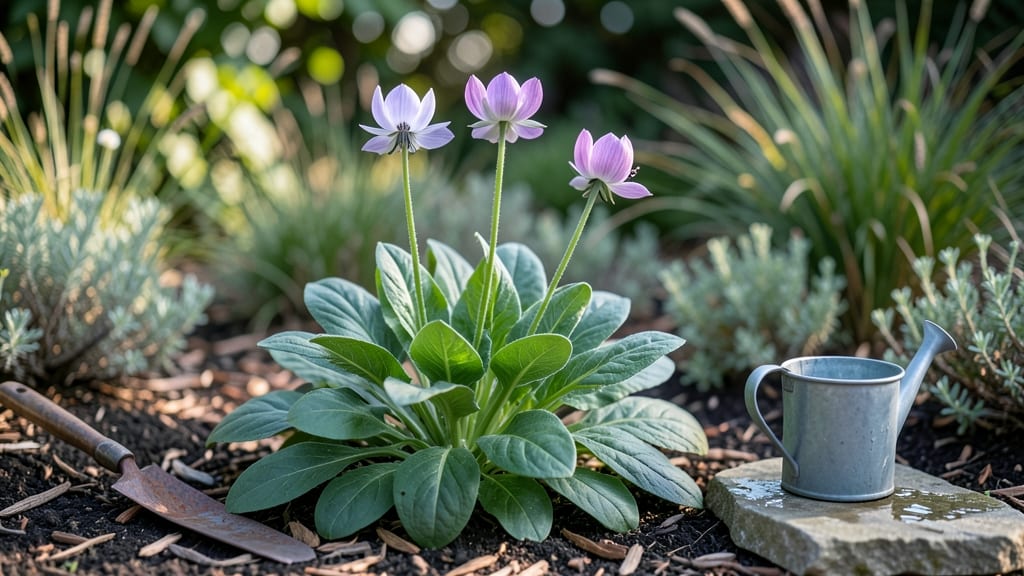
Balloon flower leaves pack a surprising double duty—delicious edible greens with that distinctive mild licorice flavor you can actually harvest from your garden. 🌿 The same plant that brings those striking purple-blue blooms also gives you tender leaves perfect for salads or stir-fries, but only if you know how to keep them healthy and productive.
Yellowing leaves usually mean overwatering or poor drainage, while wilting signals underwatering or heat stress—both fixable with simple adjustments. Spots on the foliage often point to fungal issues, and those can be prevented with proper spacing and air circulation.
I’ve learned the hard way that ignoring early signs turns a minor problem into a full-blown crisis, but with the right care, your balloon flower plants stay lush and flavorful all season long.
📚 In This Guide
- What you need
- Instructions
- Tips and common mistakes
- Wrapping up and next steps
What you need
- ● Balloon flower leaves (Platycodon grandiflorus) – Fresh or dried (1–2 cups, depending on recipe). Safety note: Always confirm identification before consuming!
- ● Water – For rinsing and cooking (1–2 cups, as needed).
- ● Basic kitchen tools: Sharp chef’s knife or kitchen shears
- ● Cutting board
- ● Medium pot or sauté pan
- ● Wooden spoon or spatula
- ● Foraging gear (if wild-harvesting): Gloves (to protect hands)
- ● Small basket or breathable bag
- ● Field guide or plant ID app (e.g., iNaturalist)
- ● Cooking enhancers: Olive oil or butter (for sautéing)
- ● Garlic, ginger, or soy sauce (to complement the licorice flavor)
- ● Salt and pepper (to taste)
- ● Storage supplies: Air-tight container (for drying or refrigerating)
- ● Paper towels (to blot excess moisture)
How to grow and harvest balloon flower leaves for cooking
Here’s the simple way to cultivate these delicate, licorice-flavored greens at home.
🌱 Step 1: Choose the Right Plant Variety and Location
Balloon flowers (Platycodon grandiflorus) are hardy perennials that thrive in partial shade to full sun, making them perfect for garden beds or containers. Look for varieties like 'Astra Blue' or 'White Balloon'—both produce tender, edible leaves with a mild licorice-like flavor. Plant in well-draining soil enriched with compost, as these greens dislike soggy roots.
If you're growing from seed, start indoors 8-10 weeks before the last frost in 68-72°F conditions. Transplant seedlings outdoors after the soil warms to 55°F, spacing them 12-18 inches apart. Balloon flowers are cold-hardy once established, so they’ll reward you with years of harvests if planted correctly.
☀️ Step 2: Maintain Optimal Growing Conditions
Keep the soil consistently moist but not waterlogged—balloon flower leaves wilt quickly in dry conditions but rot if overwatered. Water at the base in the morning to allow foliage to dry, reducing fungal risks. These plants love humidity but tolerate average garden conditions once rooted. A light mulch of 2-3 inches helps retain moisture and keeps roots cool.
Fertilize lightly every 4-6 weeks with a balanced 10-10-10 formula during the growing season. Too much nitrogen promotes leafy growth at the expense of flavor, so avoid heavy feeding. Watch for yellowing leaves—this often signals overwatering or nutrient imbalance. Adjust care accordingly.
✂️ Step 3: Harvest Leaves at Peak Flavor
Young leaves are most tender and flavorful, so harvest early in the season or after flowering. Use clean scissors to snip outer leaves just above a leaf node, leaving the center growth intact. Avoid cutting more than one-third of the plant at a time to encourage regrowth. Harvest in the morning after dew dries for the freshest flavor.
Balloon flower leaves have a mild licorice-like taste, best used raw in salads or lightly cooked in stir-fries. Rinse thoroughly to remove any soil or debris, then pat dry. Store harvested leaves in a sealed container in the fridge for up to 5 days or freeze for longer storage. For continuous harvests, pinch back flower buds to redirect energy into leaf production.
🌿 Step 4: Encourage Regrowth and Seasonal Care
After the first harvest, your balloon flowers may produce striking blue or white blossoms. While edible, the flowers are more decorative—focus on leaf regrowth by pruning spent blooms to stimulate new foliage. In fall, cut back stems to 2-3 inches above ground level and apply a light winter mulch to protect roots in colder climates.
These perennials are low-maintenance once established, but they appreciate a spring top-dressing of compost to replenish nutrients. If leaves yellow or growth stalls, it may signal nutrient deficiency—add a balanced fertilizer or switch to an organic option like fish emulsion. With proper care, your balloon flower patch will keep producing edible greens for years.
Tips & tricks for perfect balloon flower leaf cultivation
Growing these delicate greens takes patience, but these tricks will help you get the most flavorful harvests.
Seed Starting Strategy: When starting seeds indoors 8-10 weeks before last frost, use small seed-starting trays with drainage holes. Place them on a heating mat set to 68-72°F—this consistent warmth helps seeds germinate evenly. I’ve found that covering the trays with plastic wrap creates a mini greenhouse effect, speeding up germination by about 3 days. Just remember to remove the wrap once sprouts appear to prevent mold.
Soil Preparation Tip: Balloon flowers thrive in well-draining soil, but amending your garden bed with compost isn’t just about drainage—it’s about flavor too. I mix in a 2-3 inch layer of compost right before planting, which adds beneficial microbes that boost the plant’s natural licorice flavor. For containers, use a high-quality potting mix with perlite for extra drainage. The key is avoiding soggy roots, which can make leaves bitter.
Harvest Timing Secret: The morning harvest after dew dries is non-negotiable for flavor. I’ve noticed that leaves harvested at this time have the most vibrant licorice notes. When snipping, always cut just above a leaf node—this encourages new growth from that point. And here’s a pro move: harvest young leaves first, as they’re more tender and packed with flavor. Older leaves are still edible but have a slightly tougher texture.
Seasonal Care Hack: In fall, when you cut back stems to 2-3 inches, don’t just toss those cuttings! Dry them and save them for making licorice-flavored teas or infusions. The dried leaves keep their subtle licorice aroma, making them perfect for herbal remedies or culinary experiments. Just be sure to store them in an airtight container away from light.
Pro Tips for Balloon Flower Leaves
- Growing these delicate greens takes patience, but these tricks will help you get the most flavorful harvests.
- Seed Starting Strategy: When starting seeds indoors 8-10 weeks before last frost, use small seed-starting trays with drainage holes.
- Soil Preparation Tip: Balloon flowers thrive in well-draining soil, but amending your garden bed with compost isn’t just about drainage—it’s about flavor too.
Frequently asked questions
Can you eat balloon flower leaves raw?
Yes, but with caution! While Platycodon grandiflorus leaves are edible raw, they have a mild licorice-like flavor that can be polarizing. For a milder taste, lightly cook them (sautéing or blanching works best). If you’re sensitive to licorice flavors, start with small amounts to test your tolerance.
When is the best time to harvest balloon flower leaves?
Harvest leaves in the morning after dew has dried but before the heat of the day. Aim for young, tender leaves (3–5 inches long) for the best texture and flavor. Avoid harvesting during the plant’s flowering phase, as energy is focused on blooms, not foliage. Use clean scissors to snip leaves just above a leaf node.
How do you prepare balloon flower leaves for cooking?
Start by washing the leaves thoroughly to remove dirt or pests. For raw use, chop finely and add to salads or smoothies (they’re perfect with citrus!). To cook, blanch for 1–2 minutes in boiling water, then shock in ice water to preserve color. Sauté with garlic or olive oil for a simple side dish—think of them like a milder spinach!
Are balloon flower leaves toxic to pets?
While not highly toxic, balloon flower leaves can cause mild stomach upset in pets (especially dogs and cats) due to their saponin content. Keep plants out of reach if you have curious pets. If ingestion occurs, monitor for vomiting or diarrhea and contact a vet if symptoms persist. When in doubt, consult your vet before introducing new plants to your garden.
What can I substitute if I can’t find balloon flower leaves?
For a similar licorice-mint flavor, try:
- Comfrey leaves (edible but use sparingly—high in alkaloids)
- Dandelion greens (earthy, slightly bitter alternative)
- Chervil (milder anise-like taste, great in salads)
- Store-bought licorice root powder (for baking or teas)
Why are my balloon flower leaves turning yellow or wilted?
Yellowing leaves often signal overwatering or nutrient deficiency. Ensure soil drains well (balloon flowers hate soggy roots!) and amend with compost. Wilting can also mean underwatering or heat stress. Move plants to partial shade if leaves droop in hot weather. Pests like aphids can also cause wilting—spray with soapy water if needed.
Wrapping up and next steps
Balloon flower leaves are a delicious, versatile, and underrated edible green—packed with a mild licorice flavor that can elevate salads, teas, and stir-fries! Whether you're foraging, growing your own, or experimenting in the kitchen, these leaves offer a unique twist for adventurous cooks. 🌿
Ready to try them? Start small—add a few leaves to a dish or brew a cup of tea, and let your taste buds explore their subtle sweetness. Happy cooking! 🍽️
- Next step: Experiment with recipes or share your findings with fellow plant enthusiasts!