Flowers
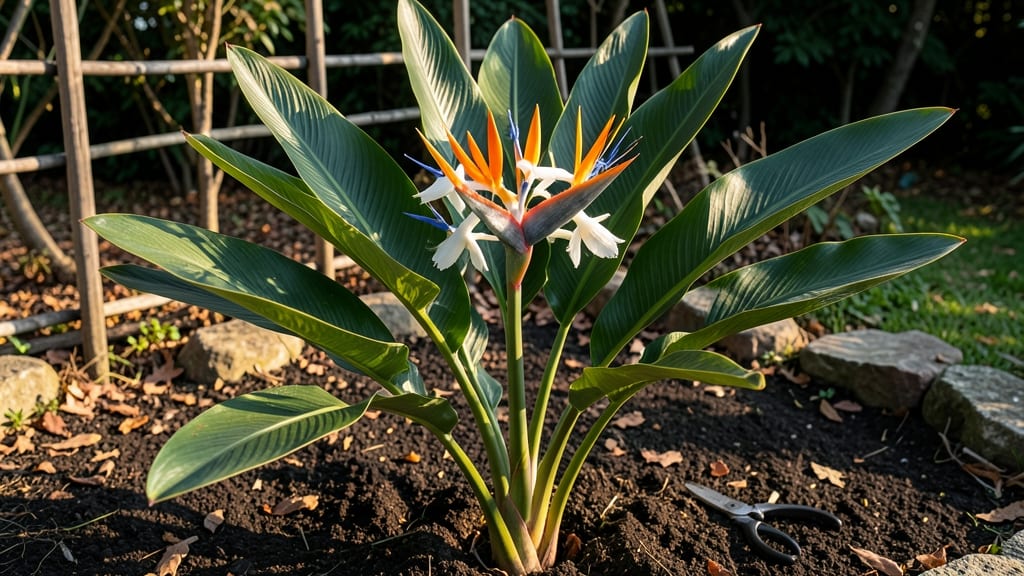
The bird of paradise flower (Strelitzia reginae) brings bold tropical drama to gardens that would otherwise feel ordinary. 🌺 I’ve grown mine for five years now, and every time I see those striking orange-and-blue blooms, I’m reminded why this plant is a showstopper—even in cooler climates.
The secret lies in mimicking its native South African habitat, where it thrives with just the right balance of sun, soil, and patience.
This isn’t a fussy plant—just one that rewards attention with vibrant, exotic blooms that last for months. You’ll need well-draining soil, bright indirect light (or full sun in warmer zones), and a watering routine that keeps the roots happy without drowning them.
Fertilizing twice a year with a balanced tropical blend keeps it lush, while occasional pruning after flowering encourages even more dramatic growth next season.
What you’ll love most is how it transforms any space—whether a sunny patio, conservatory, or even a bright indoor corner. The large, glossy leaves alone make it a statement plant, but the blooms? They’re the real magic: bright orange bracts cradling blue petals, like a tropical bird in flight.
With the right care, yours can bloom year-round in mild climates or produce fresh foliage even in winter.
Here’s the thing—it’s tougher than it looks, but not impossible. Even in Zone 8 and below, you can grow one as a container plant and bring it indoors before frost.
The key is understanding its tropical roots while adapting to your local conditions. Let’s get you started on creating your own slice of paradise.
📚 In This Guide
- What you need
- Instructions
- Tips and common mistakes
- Wrapping up and next steps
What you need
- ○ Bird of paradis plant: Start with a healthy nursery-grown Strelitzia reginae (1-3 years old, 18-24" tall). (Optional: Seeds for long-term projects—germination takes 3-6 months!)
- ● Well-draining potting mix: 5-10 gallons of cactus/succulent blend (or amend garden soil with perlite/coarse sand for 30-40% porosity).
- ● Container (if potted): 15-20 gallon pot with drainage holes (or in-ground planting in USDA Zones 9-11).
- ○ Slow-release fertilizer: 5-10-10 or 10-10-10 (1 tbsp per gallon of soil). (Optional: Organic options like worm castings or fish emulsion.)
- ● Mulch: 2-3 inches of wood chips or pine bark (keeps roots cool and retains moisture).
- ● Garden trowel or shovel (for transplanting).
- ● Pruning shears (sterilized with rubbing alcohol).
- ● Watering can or hose with gentle spray nozzle (avoid overhead watering).
- ○ Gloves (optional—bird of paradis has non-toxic sap but can stain skin).
- ● Sunlight access: 6+ hours of direct sun daily (partial shade in extreme heat).
- ● Drought tolerance: Once established, water deeply 1-2 times per week (less in winter).
- ● 🌡️ Temperature: Ideal range: 60–90°F. Protect from frost (<32°F kills the plant).
- ● ✨ Soil pH: Slightly acidic to neutral (6.0–7.0). Test your soil if unsure!
- ● 🎯 Support: Tall varieties may need a stake (bamboo or metal) for windy areas.
Step-by-step guide to growing stunning bird of paradise flowers
Here's how to bring this bold tropical beauty into your garden with confidence.
🪴 Step 1: Choose the Perfect Planting Location
Bird of paradise thrives in full sun—at least 6-8 hours daily. I always check the microclimate of my yard first: the south-facing wall gets the most consistent sun, while the north side stays too shady. Look for a spot where the plant will receive morning sun and afternoon shade in hotter climates to prevent leaf scorch.
This plant loves warmth but can handle 10-25°F temperatures if established. In colder zones, plant near a south-facing wall or use winter protection like burlap wraps. The key is avoiding cold winds that can damage the large, delicate leaves. If your winters drop below 10°F, consider growing it in a large container you can move indoors.
🌱 Step 2: Prepare the Soil and Plant Properly
Amend your native soil with well-draining mix—bird of paradise hates soggy roots. I blend in compost and coarse sand to improve drainage, especially if your soil stays wet after rain. The roots need oxygen, so avoid heavy clay without amendment. For container growing, use a lightweight potting mix with perlite or pumice.
Dig a hole twice as wide as the root ball but only as deep as the top of the root system. Place the plant so the crown sits just above soil level—burying it too deep causes rot. Water deeply right after planting to settle the soil and remove air pockets. You'll know it's right when the soil surface looks slightly compacted but not muddy.
☀️ Step 3: Water and Fertilize for Vibrant Growth
Water deeply once a week during the first growing season, letting the top 3-4 inches of soil dry out between waterings. Overwatering is the quickest way to kill this plant—yellowing leaves mean you're keeping it too wet. Once established, it becomes quite drought-tolerant, but the first year needs consistent moisture to develop strong roots.
Feed with a balanced fertilizer (10-10-10) in early spring and again in midsummer. I like to use a slow-release granular fertilizer worked into the soil at planting, then top-dress with compost annually. The dramatic blooms come from healthy foliage, so don't skimp on nutrients. You'll notice new growth within weeks of proper feeding—thick, glossy leaves are your sign everything's working.
✂️ Step 4: Prune and Maintain for Long-Term Beauty
Remove spent flower stalks by cutting them back to the base in late winter or early spring. This encourages fresh growth and more abundant blooms. I also trim any yellow or damaged leaves to keep the plant looking its best. The plant naturally grows in clumps, so you can divide mature plants every 3-4 years in early spring to propagate new plants.
Watch for pests like mealybugs or scale, which love the sap of tropical plants. Spray with neem oil if you spot any infestations. Bird of paradise is generally pest-resistant, but stressed plants attract problems. Mulch around the base with 2-3 inches of organic mulch to retain moisture and suppress weeds—just keep it a few inches away from the stem to prevent rot.
Tips & tricks for perfect bird of paradise flowers
Let me share my hard-won secrets for growing these showstopping tropical plants that'll make your garden the envy of the neighborhood.
Sunlight Strategy: The 6-8 hours of daily sun is non-negotiable for those signature blooms, but here's the trick: I always position my plants to catch morning sun first—it's less intense than afternoon rays and helps prevent leaf scorch. In hot climates, a little afternoon shade (like under a sheer curtain) can make all the difference during peak summer heat. Watch for leaves that start curling at the edges—that's your plant begging for relief.
Soil Secrets: When amending your soil with compost and coarse sand, I recommend going 50/50 for that perfect drainage balance. The roots need to breathe, but they also need nutrients to fuel those dramatic blooms. Pro tip: Test your soil's moisture level by sticking your finger 3-4 inches down—if it's damp, wait before watering. The plant's tolerance for drought comes after it's established, but those first-year roots need consistent moisture.
Winter Protection Hack: For those below 10°F nights, I've found that wrapping the plant base with burlap and adding a thick layer of mulch (4-6 inches) creates an insulating blanket. You can also use frost cloth as a lightweight alternative—just secure it loosely so air can circulate. The goal is to protect the crown while allowing some airflow to prevent rot. I've saved several plants this way that would have otherwise perished.
Fertilizer Timing: That 10-10-10 balanced fertilizer in early spring and midsummer is perfect, but here's what I do differently: I mix in a handful of bone meal at planting time for that extra phosphorus boost—it's like giving your plant a head start on bloom production. And when top-dressing with compost, I always rake it away from the stem to prevent rot while still feeding the roots.
Pro Tips for Bird Of Paradis Flower
- Let me share my hard-won secrets for growing these showstopping tropical plants that'll make your garden the envy of the neighborhood.
- In hot climates, a little afternoon shade (like under a sheer curtain) can make all the difference during peak summer heat.
- Soil Secrets: When amending your soil with compost and coarse sand, I recommend going 50/50 for that perfect drainage balance.
Frequently asked questions
Got questions about growing and caring for the stunning Bird of Paradise flower? You’re not alone! Here are some of the most common queries—plus quick answers to keep your tropical beauty thriving.
How long does it take for a Bird of Paradise to bloom?
A young Bird of Paradise plant may take 2–4 years to produce its iconic, bird-like blooms. Patience is key! With proper care—like bright, indirect light and well-draining soil—you’ll reward yourself with vibrant flowers that last several weeks per bloom cycle.
Can Bird of Paradise survive winter outdoors?
In USDA Zones 9–11, this tropical beauty thrives year-round outdoors. But if you’re in colder climates (Zones 8 or below), treat it as a tender perennial: Move it indoors before temps drop below 30°F (-1°C), or grow it in containers for easy relocation. Mulch helps protect roots if left in the ground.
Why are my Bird of Paradise leaves turning yellow?
Yellowing leaves usually signal overwatering or poor drainage. Let the top 1–2 inches of soil dry out between waterings, and ensure your pot has drainage holes. Brown tips? It might be fluoride buildup from tap water—try distilled or rainwater instead.
What’s the best way to propagate Bird of Paradise?
Dividing mature clumps is the easiest method! Wait until spring, then gently dig up the plant, separate the rhizomes (keeping roots intact), and replant in fresh, well-draining soil. Pro tip: Each division should have at least 3–4 leaves for success.
Can I grow Bird of Paradise in a small apartment?
This plant thrives in containers as long as you provide:
- Bright, indirect light (near a south- or west-facing window).
- A pot with drainage (12+ inches deep for mature plants).
- Fertilizer during growing season (spring–fall).
Wrapping up and next steps
The Bird of Paradis flower brings a burst of tropical beauty and resilience to any garden, thriving with minimal fuss once established. Its striking colors and exotic charm make it a showstopper—perfect for adding drama and year-round interest to your outdoor space.
Whether you're a seasoned gardener or just starting, this plant rewards patience with stunning blooms that feel like a taste of paradise.
Ready to bring home your own slice of the tropics? Start by choosing your plant—whether from a nursery or seeds—and give it the care it deserves. With the right conditions, you’ll be enjoying its breathtaking flowers in no time! 🌺✨