
Flowers
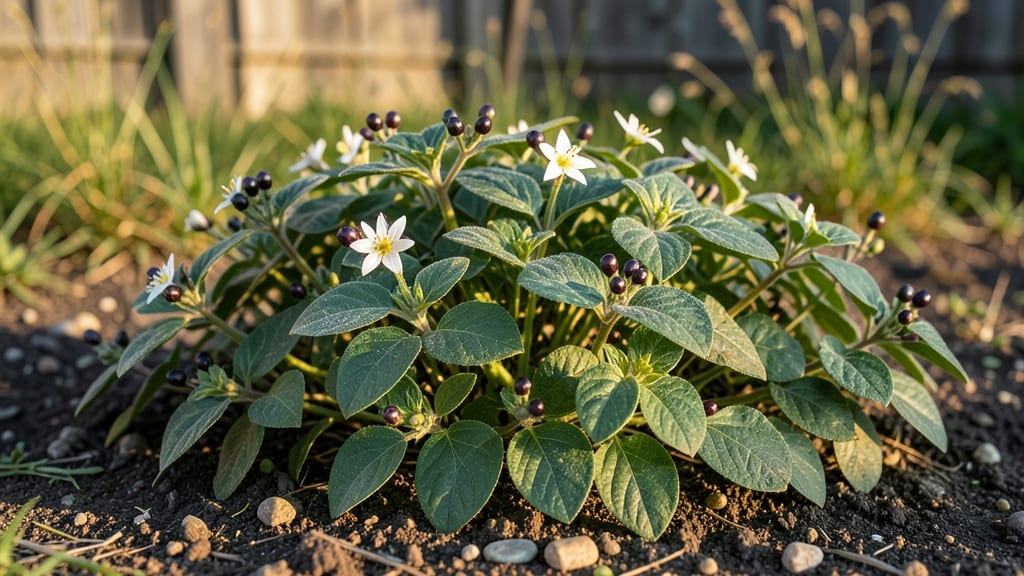
The Black Knight flower (Solanum jasminoides) brings drama to summer gardens with its velvety purple blooms and glossy foliage. I first spotted these striking plants in a neighbor’s container garden—immediately hooked by how they turned a simple clay pot into a showstopper.
What makes them special isn’t just their bold color, but how well they adapt to containers, making them perfect for patios, balconies, or even sunny windowsills.
These tropical beauties thrive in zones 9-11, but with the right care, they’ll reward you with months of blooms from summer through fall. They love bright, indirect light—think morning sun and afternoon shade—and well-draining soil that mimics their native tropical habitat.
Overwatering is their downfall, so let the top inch of soil dry out between waterings. A 5-gallon container with drainage holes is ideal, and adding a slow-release fertilizer at planting time gives them a strong start.
By mid-summer, you’ll be pinching back leggy stems to encourage bushier growth and more flowers. The trade-off? These plants are toxic to pets and humans—keep them out of reach of curious hands or paws.
With proper care, your Black Knight will become the star of your outdoor space, its dark purple blooms contrasting beautifully against lush green leaves. Let’s get you growing!
Whether you’re a container gardening newbie or a seasoned pro, these plants deliver high-impact results with minimal fuss. They’re drought-tolerant once established, and their trailing habit makes them perfect for hanging baskets or cascading over edges.
Just remember: patience pays off—they take a few weeks to adjust, but once they do, they’ll bloom like crazy. Ready to add some bold drama to your garden?
📚 In This Guide
- What you need
- Instructions
- Tips and common mistakes
- Wrapping up and next steps
What you need
- ● Black Knight flower plants: 1–3 nursery-grown plants (choose mature specimens for faster blooms).
- ● Containers: At least 1–2 large pots (12–18 inches deep) with drainage holes. Use terracotta, fiberglass, or plastic—just avoid metal.
- ● High-quality potting mix: 3–5 gallons of well-draining soil blend (e.g., 50% garden soil + 30% perlite + 20% compost).
- ● Organic fertilizer: A balanced, slow-release formula (e.g., 10-10-10 NPK) or compost tea for a natural boost.
- ● Mulch: 1–2 inches of pine bark, wood chips, or shredded leaves to retain moisture.
- ● Gloves & trowel: For planting and soil handling.
- ● Watering can or hose with a gentle spray nozzle.
- ○ Pruning shears: Optional, for trimming dead foliage or shaping.
- ○ Support stakes (optional): If your container is windy, use 1–2 bamboo stakes to stabilize taller stems.
- ○ Drip irrigation or self-watering system (optional): For low-maintenance hydration.
Step-by-step guide to cultivating Black Knight flowers in containers
Here’s how to grow these dramatic purple blooms with confidence—container gardening made simple.
Select the Right Container and Soil Mix
Choose a container at least 12 inches wide and deep with drainage holes—Black Knight flowers need room for their robust root systems. I prefer terracotta pots because they wick away excess moisture, preventing the fungal issues these plants can develop. Fill the bottom third with gravellike drainage material (like perlite or pumice) to ensure water doesn’t pool at the roots.
Use a well-draining potting mix that’s rich in organic matter. I blend one part compost with two parts premium potting soil to give the roots both nutrients and aeration. Avoid garden soil—it compacts too easily and can suffocate these plants. Moisten the mix until it’s damp but not soggy, like a wrung-out sponge.
Plant with Proper Spacing and Light Requirements
Dig a hole twice as wide as the root ball and place your Black Knight plant so the top of the root ball sits just below the soil line. These flowers thrive in full sun to partial shade, so position your container where it gets at least 6 hours of direct sunlight daily. South- or west-facing spots work best, but if you’re in a hot climate, afternoon shade helps prevent leaf scorch.
If you’re planting multiple, space them 18-24 inches apart—crowding leads to weak stems and fewer blooms. After planting, water deeply until it drains from the bottom holes. This ensures the roots settle into their new home without air pockets. Wait until the top inch of soil feels dry before watering again.
Maintain Consistent Watering and Fertilization
Black Knight flowers hate soggy soil but also dislike drying out completely. Water when the top 2 inches of soil feel dry, typically every 3-4 days in summer or once a week in cooler months. I use a soaker hose or drip irrigation to deliver moisture slowly at the base, avoiding wetting the leaves—this prevents fungal diseases like powdery mildew.
Feed your plants every 4-6 weeks with a balanced, water-soluble fertilizer (10-10-10 ratio). I mix it at half-strength to avoid burning the roots. Start fertilizing in early spring when new growth appears and continue until late summer. Stop fertilizing in fall to let the plant prepare for dormancy.
Prune and Support for Stronger Blooms
Deadhead spent blooms weekly to encourage more flowers. Simply pinch off the faded blossoms with your fingers or clean pruners, cutting just above the next set of leaves. This redirects the plant’s energy into producing fresh blooms instead of seed pods. I also trim any leggy or overcrowded stems to improve airflow and reduce disease risk.
These flowers can get top-heavy as they mature, so stake them early with 3-4 foot bamboo stakes or a cage support. Tie the main stems loosely with soft plant ties to prevent snapping in wind or rain. Prune back one-third of the plant after the first flush of blooms to promote a second, often even more vigorous flowering in late summer.
Overwintering for Next Year’s Blooms
In colder climates, dig up the tubers after the first frost and store them in a cool, dry place (like a garage) wrapped in newspaper. Check them monthly and discard any that rot. In milder zones, mulch heavily with 3-4 inches of straw and reduce watering to let the plant enter dormancy naturally.
Come spring, repot the tubers in fresh soil and resume regular care. You’ll often see new shoots emerge within 2-3 weeks, signaling it’s time to move them back outside. With proper overwintering, your Black Knight flowers will return year after year with even more dramatic blooms.
Tips & tricks for perfect Black Knight flower cultivation
These insights will help you nurture show-stopping purple blooms year after year—avoiding the common pitfalls that frustrate gardeners.
Container Selection: While the instructions specify a minimum 12-inch container, I've found that adding a saucer underneath prevents soil from spilling onto patios or decks. This is especially helpful during the frequent watering periods in summer. Also, consider adding a layer of landscape fabric over the drainage material to prevent it from mixing with your premium potting mix.
Light Optimization: The required 6 hours of direct sunlight is non-negotiable, but here's the trick: rotate your container every few weeks to ensure even exposure. Black Knight flowers naturally grow toward the light, which can cause uneven growth and weaker stems on one side. This simple rotation keeps your plants balanced and encourages symmetrical blooming.
Watering Strategy: The instructions mention checking the top 2 inches of soil, but I've developed a more precise method: use a soil moisture meter for accuracy, especially during summer's unpredictable weather. You'll notice the roots actually prefer consistent moisture rather than the strict schedule—adjust based on the meter readings rather than sticking rigidly to the 3-4 day guideline.
Overwintering Insight: When storing tubers in colder climates, I've found that placing them in a mesh produce bag with a few holes allows for just enough airflow to prevent rot while still maintaining humidity. This simple modification has saved me from losing several tubers to mold over the years.
Pro Tips for Black Knight Flower
- These insights will help you nurture show-stopping purple blooms year after year—avoiding the common pitfalls that frustrate gardeners.
- Container Selection: While the instructions specify a minimum 12-inch container, I've found that adding a saucer underneath prevents soil from spilling onto patios or decks.
- Light Optimization: The required 6 hours of direct sunlight is non-negotiable, but here's the trick: rotate your container every few weeks to ensure even exposure.
Frequently asked questions
Got questions about growing Black Knight flowers? You’re not alone—these striking blooms can be tricky for beginners! Here are answers to the most common queries to help you grow them like a pro.
What’s the best time to plant Black Knight flowers?
Plant Black Knight (a type of Dahlia) after the last frost when soil temperatures reach at least 60°F (15°C). For containers, start tubers indoors 6–8 weeks before your last frost date. They thrive in warm soil, so avoid planting too early—cold soil can stunt growth!
How often should I water my Black Knight flowers?
Keep soil consistently moist but not soggy. Water deeply 2–3 times per week (more in extreme heat). Containers dry out faster, so check soil daily—wilting leaves mean it’s time to water! Mulch helps retain moisture and keeps roots cool.
Why aren’t my Black Knight flowers blooming?
Lack of blooms often stems from over-fertilizing with nitrogen (which promotes leaves over flowers) or inconsistent watering. Try a balanced bloom booster fertilizer (10-10-10) and deadhead spent blooms to encourage new flowers. Also, ensure they get 6+ hours of sunlight daily.
Can I grow Black Knight flowers in containers year-round?
No—these tropical dahlias are not frost-hardy. Overwinter tubers indoors in a cool, dark place (like a garage) with 40–50°F (4–10°C) temps. In mild climates, mulch heavily or dig up tubers before winter. Containers make them portable, but they’ll need a break from cold!
What are some low-maintenance alternatives to Black Knight flowers?
If you want bold purple blooms with less fuss, try:
- Purple Coneflower (Echinacea) – Drought-tolerant and attracts pollinators.
- Black Baccara Petunia – Thrives in containers with minimal care.
- Dark Red Begonias – Shade-loving and long-blooming.
Wrapping up and next steps
The Black Knight flower is a stunning addition to any garden—especially for container growers! With its dramatic purple blooms and low-maintenance care, it’s perfect for adding bold color without the fuss.
Whether you’re a seasoned gardener or just starting out, these striking flowers prove that easy and eye-catching can go hand in hand.
Ready to grow your own? Plant a Black Knight today—your garden (and your neighbors!) will thank you. Grab your supplies, follow the steps, and enjoy the thrill of watching those deep purple blooms take center stage! 🌸