
Flowers
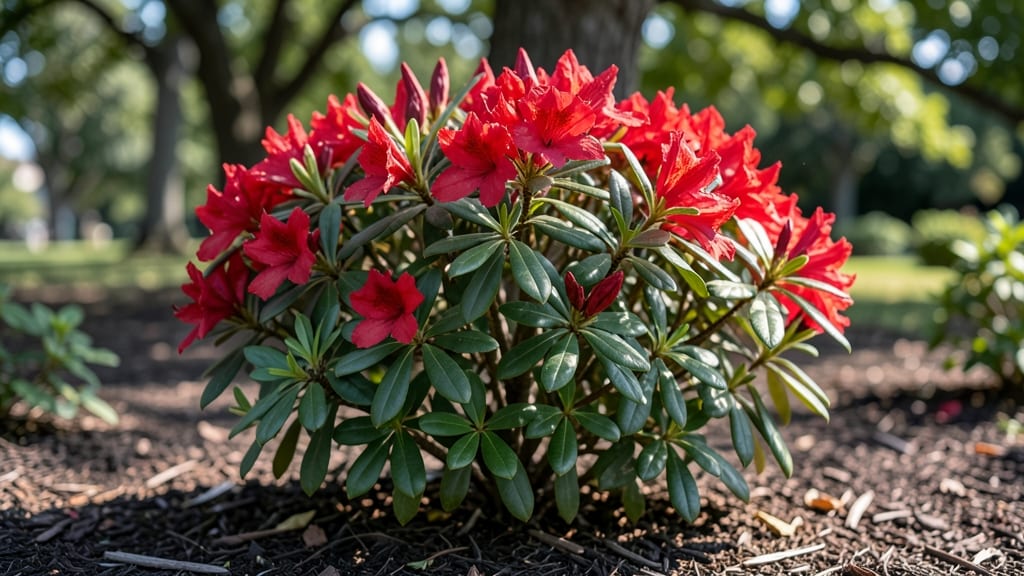
Spring’s boldest statement isn’t in words—it’s in bush red flowers that burst into color before summer even arrives. 🌸 I’ve watched azaleas and rhododendrons transform my yard from winter’s grays to a fiery red explosion, and the secret isn’t luck—it’s timing, soil, and a little pruning know-how.
These shrubs don’t just survive spring; they own it.
The magic starts in late fall or early winter when you prep the soil, and by March, you’re ready to plant. Choose a spot with morning sun and afternoon shade—too much direct heat wilts those petals faster than you’d think.
Mulch helps retain moisture, and a slow-release fertilizer keeps roots happy without overfeeding. Most varieties bloom for 4-6 weeks, so plan your planting to extend that show.
What you’ll end up with is a garden that feels like a postcard: glossy leaves framing clusters of red blooms that attract hummingbirds and make neighbors stop to ask names. The best part?
These shrubs need minimal pruning—just shape them after blooming, and they’ll reward you with bigger flowers next spring. No deadheading, no fuss, just reliable color year after year.
Works for sun-drenched patios, shady borders, or even container gardens—just match the variety to your light. Azaleas love acid soil, while viburnums handle neutral pH like champs. Here’s how to make them thrive in your space, no matter where you live.
📚 In This Guide
- What you need
- Instructions
- Tips and common mistakes
- Wrapping up and next steps
What you need
- ● Red flowering plants: Choose from azaleas, rhododendrons, camellias, or weigela bushes (3–5 plants for a full visual impact). Opt for spring-blooming varieties like Rhododendron 'Catawbiense' or Weigela 'Red Prince'.
- ● Potting soil or garden soil: 5–10 gallons (or enough to fill planting holes). Use a well-draining, acidic mix (pH 4.5–6.0) for optimal growth.
- ● Organic mulch: 2–3 bags of pine bark or shredded leaves to retain moisture and regulate soil temperature.
- ● Fertilizer: Slow-release, acid-loving plant fertilizer (e.g., Osmocote Smart-Release Plant Food) or organic options like fish emulsion.
- ● Garden gloves (1 pair) – Protect your hands from thorns or rough bark.
- ● Trowel or hand shovel – For digging planting holes (6–12 inches deep).
- ● Pruning shears – To trim dead branches and encourage bushier growth.
- ● Watering can or hose with a gentle spray nozzle – 10–15 gallons of water per plant for initial watering.
- ● Measuring tape or ruler – Ensures proper spacing (3–6 feet apart, depending on the plant).
- ● Epsom salt – A handful mixed into soil for magnesium boost (great for red blooms!).
- ● Plant supports or stakes – If your bush tends to flop (e.g., weigela).
- ● Slow-release watering spikes – For drought-prone areas.
- ● Garden markers – To label plants and track care routines.
How to create a striking spring red flower border
Here's how to craft a vibrant, low-maintenance display that thrives from early spring through summer.
🌱 Step 1: Select the Right Red Flower Varieties
Choose four plants that bloom at different times for continuous color. I recommend one early bloomer like tulips (for that classic spring punch), one mid-season performer like canna lilies (for bold tropical foliage), one repeat bloomer like begonias (for summer-long color), and one late-season finisher like salvia (for autumn interest). Each should have red flowers as the dominant hue—this ensures your border stays cohesive while offering variety in form and texture.
Check your USDA hardiness zone to select varieties that suit your climate. For example, tulips thrive in zones 3-8, while cannas prefer zones 7-11. Mixing perennials with annuals gives you instant impact and long-term rewards. If you're unsure, start with begonias and salvia—they're tough, adaptable, and flower nonstop.
☀️ Step 2: Prepare the Planting Site
Pick a location with 6+ hours of sunlight—most red flowers need full sun to bloom their brightest. Clear the area of weeds and loosen the soil to a depth of 12 inches with a garden fork. Amend the soil with 2-3 inches of compost mixed into the top 6 inches—this improves drainage and provides nutrients without overwhelming the plants.
If your soil is heavy clay, add sand or perlite to create a looser texture. Red flowers like cannas and salvias hate soggy roots, so ensure the site has good drainage. A slight slope helps water run off instead of pooling. Test your soil's pH—most red bloomers prefer slightly acidic to neutral (6.0-7.0). If yours is alkaline, add sulfur to adjust it gradually.
🪴 Step 3: Plant for Height and Texture
Arrange your plants in odd-numbered groupings (3, 5, or 7) for natural balance. Place the tallest in the back (like salvia, which can reach 3-4 feet) and the shortest in front (like begonias, which stay under 1 foot). Space them 12-18 inches apart—this gives them room to fill out without crowding, which reduces airflow and invites disease.
Dig holes twice as wide as the root ball but only as deep as the container. Gently remove each plant, loosen the roots if they're circling, and place it in the hole so the top of the root ball sits just below soil level. Fill in with soil, tamp lightly, and water deeply. Mulch with 2 inches of shredded bark to retain moisture and suppress weeds—just keep it 2 inches away from stems to prevent rot.
💧 Step 4: Water and Fertilize for Vibrant Blooms
Water deeply once a week for the first month, letting the soil absorb 1-2 inches of water each time. After that, water every 5-7 days, checking the soil 2 inches down—if it's dry, it's time to water. Most red flowers hate soggy soil, so always let the top inch dry out between waterings. Early morning is best to reduce evaporation and fungal risks.
Feed your border once a month with a balanced, water-soluble fertilizer (10-10-10) during the growing season. Red flowers respond well to iron supplements if their leaves turn yellow—this is a common sign of deficiency. Stop fertilizing in late summer to encourage dormancy for perennials like salvia and cannas. Deadhead spent blooms regularly to prolong flowering and keep the display tidy.
✂️ Step 5: Maintain and Extend the Season
Prune back tulips after they finish blooming to redirect energy into next year's flowers. Cut cannas back to 6 inches tall in fall, leaving the roots in the ground—they'll regrow in spring. For begonias and salvias, trim leggy stems to encourage bushier growth. Use clean, sharp shears and make cuts just above a leaf node to promote new growth.
To extend the season, add annuals like celosia or zinnias in late spring for extra pops of red. These fill gaps and attract pollinators, keeping your border lively. In fall, leave the salvia and canna foliage for winter interest—it adds texture and protects the roots. If frost threatens, cover tender plants with burlap or mulch to shield them until spring.
Tips & tricks for creating a striking spring red flower border
Here's what I've learned from years of designing vibrant garden displays that keep blooming all season long.
Plant Selection Strategy: In Step 1, when choosing your four red flower varieties, prioritize plants with different growth habits—like the upright salvia (3-4 feet) and the trailing begonias (under 1 foot)—to create visual layers. This creates that "wow" factor right from spring through fall. I always include at least one perennial like salvia because they return year after year, saving you money and effort.
Soil Preparation Insight: For Step 2, don't skip the soil test! Most garden centers offer pH testing kits for under $10. If your soil tests above 7.0, adding sulfur (just 1 pound per 100 square feet) will gradually lower the pH to the ideal 6.0-7.0 range that red flowers love. The difference in bloom intensity after just one season is dramatic—your red flowers will practically glow.
Planting Layout Tip: When arranging your plants in Step 3, think about the mature size of each variety. Place your canna lilies slightly off-center in the middle of the border—their bold foliage will anchor the display while their red blooms pop against the greenery. This asymmetric placement creates natural movement that draws the eye through your garden.
Maintenance Shortcut: In Step 5, instead of deadheading every single spent bloom, focus on removing only the largest clusters that are completely faded. This still encourages new blooms while saving you time. And for salvia and canna, let some of the seed heads remain through winter—they add beautiful texture and provide food for birds during colder months.
Pro Tips for Bush Red Flowers Spring
- Here's what I've learned from years of designing vibrant garden displays that keep blooming all season long.
- This creates that "wow" factor right from spring through fall.
- Soil Preparation Insight: For Step 2, don't skip the soil test!
Frequently asked questions
Got questions about adding bold red blooms to your spring garden? You’re not alone! Here are some of the most common queries—and their answers—to help you grow stunning bush red flowers with confidence.
When is the best time to plant red flowering bushes for spring color?
For spring bloomers, plant in early fall (6–8 weeks before frost) or late winter (before new growth starts). This gives roots time to establish before the growing season. If you’re adding potted plants in spring, do it as soon as the soil is workable (around 40°F+)—just avoid extreme heat or frost.
How do I keep my red flowering bushes healthy in early spring?
Start with well-draining soil and a sunny spot (6+ hours/day). Water deeply 1–2 times/week (adjust for rain), and mulch around the base to retain moisture. Prune dead or crossing branches in late winter to encourage new growth. Fertilize lightly in early spring with a balanced 10-10-10 formula—avoid heavy feeding, which can reduce blooms.
What are some low-maintenance red flowering bushes for beginners?
Try these hardy, beginner-friendly options:
- Azalea: Thrives in partial shade; blooms early spring with vibrant reds.
- Crapemyrtle: Drought-tolerant; long bloom season (summer–fall) but starts with spring color.
- Hydrangea (e.g., ‘Annabelle’ or ‘Endless Summer’): Loves sun/partial shade; reblooms if deadheaded.
- Weigela: Fast-growing; tolerates pruning and attracts pollinators.
All four handle USDA Zones 5–9 with minimal fuss!
Why aren’t my red flowering bushes blooming this spring?
Common culprits:
- Over-fertilizing: Too much nitrogen = leafy growth, fewer flowers. Use a low-nitrogen bloom booster instead.
- Wrong light: Some (like azaleas) need partial shade; others (crapemyrtles) full sun.
- Pruning at the wrong time: Avoid heavy cuts after mid-summer—this removes next year’s buds.
- Stress from transplant shock: Water deeply for 2–3 weeks post-planting and avoid moving established bushes.
Pro tip: If your bush is young, blooms may take 1–2 years to fully develop!
Can I mix red flowering bushes with other colors for a dramatic effect?
Pair deep reds with:
- Soft whites (e.g., spirea or dwarf lilac) for contrast.
- Purples (e.g., butterfly bush) for a royal look.
- Yellows (e.g., forsythia) for a sunset vibe.
Design tip: Group 3–5 bushes in odd-number clusters for a natural, fuller appearance. Add evergreens (like boxwood) as backdrop for year-round structure.
Wrapping up and next steps
Spring’s bold bush red flowers are more than just a pop of color—they’re a celebration of life, resilience, and easy gardening magic. Whether you’re a seasoned green thumb or a curious beginner, these vibrant blooms prove that stunning gardens start with simple, joyful choices. 🌸
Ready to bring this fiery charm to your space? Start small: Pick one red flowering bush, gather your tools, and dive in—your garden (and your neighbors!) will thank you. Happy planting!