
Flowers
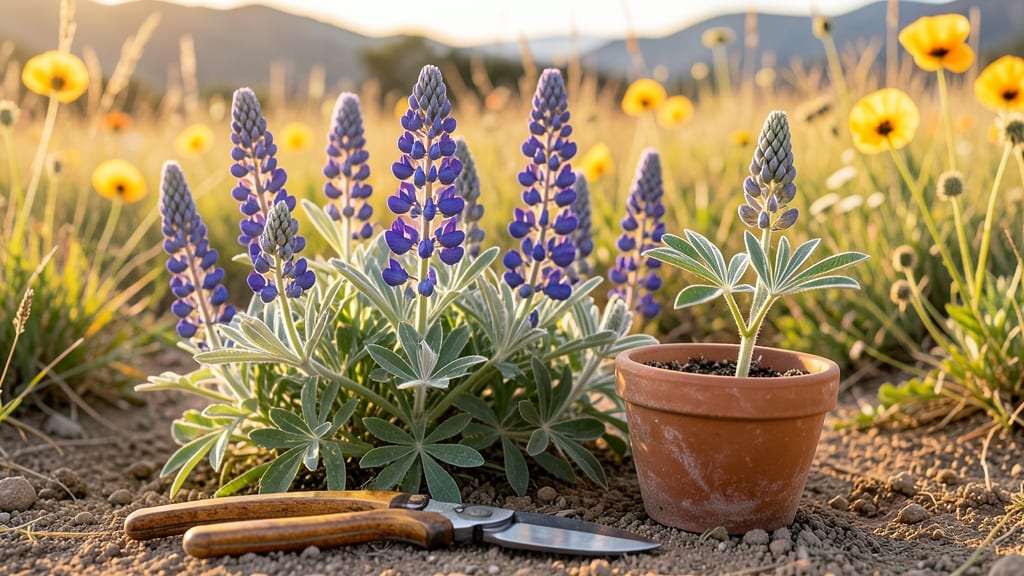
California purple flowers don’t just brighten your garden—they create a dreamy, frost-resistant haven that thrives where others falter. 🌿 These Pacific Northwest climbers, like Pacific hyacinth and lilac, bring year-round color without the fuss of high-maintenance blooms.
I’ve seen them transform bare walls into cascading purple waterfalls, even after coastal fog rolls in.
The magic lies in their adaptability: drought-tolerant varieties like ceanothus and lavender pair beautifully with bold purple clematis for layered texture. These plants handle California’s microclimates—from coastal breezes to inland heat—while still delivering that signature purple punch.
Plus, they attract hummingbirds and bees, turning your garden into a living pollinator paradise.
Imagine waking to morning sunlight filtering through velvety purple blooms or evening shadows deepening their hue. With minimal pruning and occasional watering, these climbers reward you with months of color, from early spring’s first flush to winter’s lingering frost-resistant blooms.
The best part? Mixing them with silvery foliage plants creates a striking contrast that pops in any light.
Whether you’re draping a trellis, framing a doorway, or softening a fence, these purple powerhouses work in containers or sprawling beds. Start with one variety—like the hardy Pacific wisteria—and watch your garden transform into a cool-toned retreat. The possibilities are endless, and the results? Pure California charm.
📚 In This Guide
- What you need
- Instructions
- Tips and common mistakes
- Wrapping up and next steps
What you need
- ● Purple flowering plants: 3–5 frost-resistant climbers (e.g., Clematis ‘Jackmanii’, Wisteria sinensis, or Iris douglasiana). Choose healthy, bare-root or potted specimens from a local nursery.
- ● Well-draining soil: 5–10 bags of garden loam (or a mix of compost, perlite, and sand for sandy soils). Aim for 6.0–7.0 pH.
- ● Organic fertilizer: 1–2 lbs of balanced 10-10-10 or slow-release bloom booster (e.g., fish emulsion or bone meal).
- ● Mulch: 3–5 cubic feet of wood chips or straw to retain moisture and insulate roots.
- ● Support structures: 1–2 trellises (6–8 ft tall, sturdy metal or wooden lattice).
- ● Or obelisks/arbors (for vines like wisteria).
- ● Gardening gloves (1 pair, heavy-duty for thorny climbers like clematis).
- ● Trowel (1 medium-sized, for transplanting).
- ● Pruners (1 pair, bypass pruners for clean cuts).
- ● Shovel (1 round-point shovel for digging).
- ● Watering can (3–5 gallon capacity) or hose with gentle spray nozzle.
- ○ pH testing kit (optional but helpful for soil prep).
- ● Measuring tape (for spacing plants 3–6 ft apart).
- ● Epsom salt (1 lb): Boosts magnesium for vibrant purple blooms.
- ● Drip irrigation system: Automates watering for climbers.
- ● Frost cloth (5–10 ft): Extra protection for young plants in Zone 7–9 winters.
- ● Companion plants: Salvia or Lavender to deter pests.
- ● Photo journal: Sketch or snap pics of your progress!
Step-by-step guide to planting frost-resistant purple climbers
Here's how to establish vibrant Pacific Northwest climbers that thrive through winter.
🌱 Step 1: Select and Prepare Your Climbing Framework
Choose a sturdy trellis, arbor, or pergola that's at least 6 feet tall—taller for vigorous varieties like clematis. I prefer metal or composite frameworks because they resist rot and won't warp in coastal humidity. Install it in a location with partial shade to full sun, depending on your specific climber (most purple varieties tolerate morning sun best).
For heavy climbers like wisteria, add horizontal support wires every 18 inches vertically. These will help distribute the plant's weight as it matures. If you're working with a small space, a 5-foot obelisk works beautifully for compact varieties like cyclamen vine. Here's the thing—don't skip this step. A weak support will collapse under winter's weight.
🪴 Step 2: Plant in Well-Draining, Moisture-Retentive Soil
Dig a hole twice as wide as the root ball but no deeper. The top of the root ball should sit 1 inch above ground level—this prevents waterlogging during our rainy winters. Amend the native soil with 2 inches of compost mixed into the bottom and sides of the hole. I always use peat moss for moisture retention in sandy soils common to the Pacific Northwest.
For container-grown plants, gently loosen the roots if they're circling. Place the plant in the hole, backfill with native soil mixed with compost, and water deeply to settle everything. Press down firmly around the base—this eliminates air pockets that could rot roots. Your soil should feel like a damp sponge, not a swamp.
☀️ Step 3: Establish Proper Watering and Mulching Routine
Water deeply once weekly during the first growing season, aiming for 1 inch of water per week. You'll know you're doing it right when the soil 1 inch below the surface feels consistently moist but not soggy. After establishment, most of these climbers are drought-tolerant once their roots spread. I use a soaker hose for even moisture distribution without wetting the foliage (which invites fungal diseases).
Apply 3 inches of mulch (wood chips or bark) around the base, keeping it 2 inches away from the stem. This conserves moisture, regulates soil temperature, and prevents weeds. Refresh the mulch annually in early spring—this is the moment that matters for winter protection. The mulch layer acts like a blanket, shielding roots from temperature swings.
✂️ Step 4: Prune for Winter Hardiness and Spring Bloom
In late winter (February), prune back one-third of the previous year's growth to encourage vigorous new shoots. For deciduous climbers, cut back to just above a strong bud or lateral branch. Evergreens like clematis only need light shaping—remove any dead or crossing branches. I always sterilize my pruners with rubbing alcohol between cuts to prevent disease spread.
Watch for new growth in early spring—that's your signal to stop pruning. The first flush of leaves will be tender, so avoid heavy pruning until you see 3-4 inches of new growth. This timing ensures you don't accidentally remove next year's flower buds. Most purple climbers bloom on new wood, so aggressive early pruning means fewer flowers.
Tips & tricks for perfect purple climbers in Pacific Northwest gardens
These pro-level strategies will help your frost-resistant climbers thrive year-round with minimal fuss.
Framework Stability: When installing your support structure, drive metal stakes deep enough that they won't shift with winter winds—at least 12 inches below ground level. For heavy climbers like wisteria, consider adding diagonal bracing between the main posts. I learned this the hard way after watching a poorly anchored trellis collapse during a December storm, taking my newly planted clematis with it.
Soil Preparation: The 1 inch above ground level placement for the root ball is critical, but don't stop there. For sandy soils common in the Pacific Northwest, mix in 1 part peat moss to 3 parts native soil in the planting hole. This creates the perfect moisture-retentive environment without compacting roots. Press the soil firmly around the base to eliminate air pockets—this prevents future root rot during our wet winters.
Winter Protection: In late fall, after the first hard frost, add an extra 2 inches of mulch around your climbers. This creates an insulating layer that protects roots from temperature swings. I also wrap young plants with burlap during the coldest months—it's a simple trick that prevents frost damage to tender new growth in spring.
Pruning Timing: That 3-4 inches of new growth signal is your golden opportunity. Wait until you see it before pruning, but don't delay too long—once growth reaches 6 inches, you risk removing next year's flower buds. For evergreens like clematis, I find that pruning in late February gives them just enough time to harden off before winter's final freeze.
Pro Tips for California Flowers Purple
- These pro-level strategies will help your frost-resistant climbers thrive year-round with minimal fuss.
- Framework Stability: When installing your support structure, drive metal stakes deep enough that they won't shift with winter winds—at least 12 inches below ground level.
- Soil Preparation: The 1 inch above ground level placement for the root ball is critical, but don't stop there.
Frequently asked questions
When is the best time to plant purple flowers in California?
For frost-resistant varieties like Lathyrus latifolius (purple sweet pea) or Clematis, aim for early spring (March–April) or fall (September–October). This gives roots time to establish before summer heat or winter chills. Coastal areas can plant slightly earlier, while inland regions should wait until frost risk passes.
Can these flowers really survive California’s frost?
Native and hybridized climbers like Ceanothus (California lilac) and Eschscholzia californica (California poppy) thrive in USDA zones 7–10. For extra protection, mulch heavily in winter and choose varieties labeled “frost-hardy.” Most handle temps down to 20–25°F with minimal damage.
What’s the easiest purple flower to grow in California?
Start with Lupinus (lupine) or Echinacea purpurea (coneflower) for low-maintenance blooms. Both tolerate drought, poor soil, and partial shade. For climbers, Clematis ‘Jackmanii’ is a top pick—just ensure it gets 6+ hours of sun and a sturdy trellis.
Why aren’t my purple flowers blooming this year?
Common culprits: over-fertilizing (too much nitrogen = leafy growth, no flowers), poor sunlight (most need full sun), or stress from drought/overwatering. Try deadheading spent blooms and feeding with low-nitrogen, high-phosphorus fertilizer in early spring.
Are there purple flowers that attract hummingbirds?
Yes! Plant Salvia ‘May Night’ or Penstemon spectabilis (beardtongue) for vibrant purple blooms that hummingbirds adore. These thrive in California’s climate, offer nectar, and pair beautifully with Lavender for a pollinator-friendly garden.
Pro Tip:
For year-round color, layer frost-resistant climbers like Jasminum nudiflorum (winter jasmine) with spring-blooming Wisteria. Mulch with wood chips to insulate roots and reduce watering needs.
Wrapping up and next steps
California’s purple blooms aren’t just a seasonal splash—they’re a year-round celebration of resilience and beauty! From frost-hardy climbers like Clematis to bold Lupines, these flowers prove that vibrant color can thrive even in cooler climates.
Whether you’re a gardener or simply a nature lover, let these purple stars inspire your next outdoor project.
Ready to bring the magic home? Start small—pick one frost-resistant variety, sketch a plan, and watch your garden transform into a purple paradise! 🌸✨