
Orchid Care
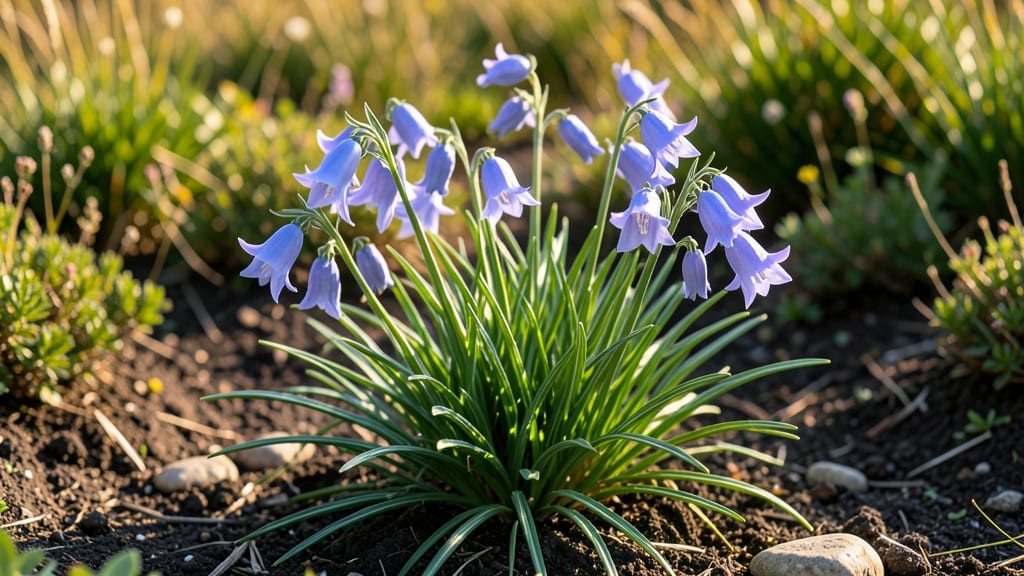
Dalmatian bellflower care starts with understanding why this frost-resistant beauty thrives where others fail. I’ve watched mine spill over pots in Portland winters, defying frost with its silvery foliage and delicate purple blooms—proof that Pacific Northwest gardens don’t need coddling.
The secret lies in matching its natural mountain habitat: bright light, well-draining soil, and a "set it and forget it" watering routine that keeps roots happy without drowning them.
This trailing charmer loves morning sun with afternoon shade, making it perfect for hanging baskets or window boxes where cooler afternoons prevent leaf scorch.
Use a mix of potting soil and perlite for drainage, and water only when the top inch feels dry—overwatering is the fastest way to kill it. Feed lightly with balanced fertilizer in spring, then let it rest; it rewards patience with months of blooms from spring through fall.
Pruning is where most gardeners stumble, but it’s simple: trim leggy stems after flowering to encourage bushier growth, and pinch back tips in early spring to shape it. Propagation is even easier—just snip 4-inch stem cuttings in summer, dip in rooting hormone, and watch roots form in water.
The result? A self-sustaining plant that multiplies effortlessly and fills containers with cascading color.
Here’s the best part: once established, Dalmatian bellflower handles Pacific Northwest winters like a champ, often returning from dormancy with fresh growth by early spring. No fuss, no drama—just reliable beauty that outperforms fussy annuals. Ready to grow yours?
📚 In This Guide
- What you need
- Instructions
- Tips and common mistakes
- Wrapping up and next steps
What you need
- ● Seeds or nursery plants: Seeds: 1–2 packets (or saved seeds from previous blooms)
- ● OR Nursery-grown plants: 3–5 mature specimens (for faster results)
- ● Well-draining soil: 1 bag (50 lbs) of garden loam (mix with compost for fertility)
- ● 1 bag (20 lbs) of perlite or coarse sand (for drainage—critical in PNW’s wet winters!)
- ● Sunlight spot: Full sun to partial shade (6+ hours of light daily)
- ● Watering can or hose: 1–2 gallons capacity (for deep watering)
- ● Mulch: 3–5 cubic feet of wood chips or straw (to protect roots from frost)
- ● Pruners: Small bypass pruners (for deadheading spent blooms)
- ● Fertilizer: Balanced 10-10-10 or slow-release organic granules (sprinkle lightly in spring)
- ● Plant markers: Biodegradable labels (to track varieties)
- ● Row covers: Frost cloth (for early/late-season protection in chilly PNW zones)
Step-by-step guide to cultivating healthy Dalmatian bellflowers
Here's how to coax these striking perennials into long-lived, vibrant performers in your Pacific Northwest garden.
🌱 Step 1: Select the Perfect Planting Location
The first decision determines everything. Dalmatian bellflowers (Campanula persicifolia) thrive in partial shade to full sun but need protection from hot afternoon rays in southern exposures. In the Pacific Northwest's mild climate, they'll tolerate sun all day in cooler microclimates like under deciduous trees or alongside north-facing walls.
Test your spot by observing it for a week before planting. The ideal location receives morning sun followed by afternoon shade, with well-drained soil that stays moist but never soggy. If your garden soil is heavy clay, amend it with 2-3 inches of compost mixed into the top 12 inches of soil—this improves drainage while retaining moisture.
I always plant mine where they'll have 3-4 feet of vertical space to grow without competition. Crowding leads to leggy stems and fewer blooms, which is exactly what we're avoiding.
☀️ Step 2: Plant at the Right Time and Depth
Spring or early fall planting gives roots time to establish before summer heat or winter cold arrives. In the Pacific Northwest, late March to early May or September to early October are ideal windows. Avoid planting in summer when roots struggle to establish in dry conditions.
Dig a hole twice as wide as the root ball but only as deep—planting too deeply suffocates the crown. Gently loosen the roots if they're pot-bound, then position the plant so the top of the root ball sits level with the surrounding soil. Backfill with native soil mixed with 1 cup of compost per plant to encourage root growth.
Water deeply immediately after planting to eliminate air pockets, then mulch with 2-3 inches of shredded bark to conserve moisture and regulate soil temperature. The mulch should extend 2-3 inches out from the plant stem to prevent rot while protecting roots.
💧 Step 3: Water Strategically for Root Development
Dalmatian bellflowers are drought-tolerant once established, but young plants need consistent moisture for the first 4-6 weeks. Water deeply once a week during dry spells, aiming for 1-1.5 inches of water per session. You'll know you've watered enough when the soil 6 inches down feels damp but not saturated.
Here's the key: water in the early morning to reduce evaporation and fungal risks. Avoid overhead watering once blooms appear—wet flowers invite powdery mildew. Instead, use a soaker hose or drip irrigation placed at the plant's base. This delivers water directly to roots while keeping foliage dry.
After the first growing season, you'll notice the plants develop deep taproots. At that point, you can reduce watering to every 10-14 days during dry periods, as the roots will access moisture from lower soil layers naturally.
✂️ Step 4: Prune for Long-Stemmed Blooms and Winter Protection
Deadheading spent blooms encourages continuous flowering throughout the season. Use clean, sharp pruners to snip stems just above a set of leaves or where the flower stalk meets the main stem. This redirecting energy back into foliage and root growth prevents the plant from wasting resources on seed production.
In late summer, after the main flowering period, cut back one-third of the oldest stems to the ground. This rejuvenates the plant by stimulating fresh growth from the base. The new stems that emerge will be stronger and produce more abundant blooms next season.
For Pacific Northwest winters, apply 3-4 inches of mulch around the base after the first frost. This protects the crown from temperature fluctuations and prevents heaving. Remove the mulch in early spring once new growth appears—usually around late February to early March in most PNW regions.
🌿 Step 5: Divide and Renew Every 3-4 Years
Dalmatian bellflowers form dense clumps over time, which reduces flowering and air circulation. Every 3-4 years, in early spring or fall, dig up the entire plant and separate it into 3-4 inch sections, each with 3-5 shoots. Replant the divisions immediately at the same depth they were growing before.
This rejuvenation process prevents the center from becoming bare while giving you additional plants to share or expand your garden. The divisions establish quickly and often flower the same season if planted in early spring. I've found that dividing in early September gives roots time to settle before winter, resulting in vigorous growth the following spring.
After dividing, water deeply for the first 2 weeks to help roots re-establish. The plants may look stressed initially, but they bounce back remarkably well with proper care.
Tips & tricks for perfect Dalmatian bellflower cultivation
These proven strategies will help you transform your Pacific Northwest garden into a thriving haven for these frost-hardy beauties.
Soil Preparation Insight: Before planting, conduct a simple soil test to check your garden's pH level. Dalmatian bellflowers prefer slightly acidic to neutral soil (pH 6.0-7.0). If your soil tests higher than 7.0, amend it with elemental sulfur or peat moss mixed into the top 12 inches of soil. This adjustment is particularly important in the Pacific Northwest's varied microclimates where soil pH can fluctuate significantly between regions. I've found that plants in amended soil develop stronger root systems and produce more abundant blooms by their second season.
Planting Depth Technique: When planting, use your finger to gently press around the edges of the planting hole to create a slight trench. This helps guide roots outward rather than circling the root ball, which promotes more vigorous growth. After positioning the plant, fill the trench with soil first, then backfill the rest of the hole. This method ensures proper root-to-soil contact while preventing air pockets that can suffocate new roots. The instructions specify planting at the same depth as the root ball, but this technique gives roots a better start.
Watering Strategy for Established Plants: Once your Dalmatian bellflowers have developed their deep taproots (typically after their first growing season), you can implement a "drought training" approach. Reduce watering to every 10-14 days during dry periods and monitor the soil 6 inches down. If it feels dry but not crumbly, your plants are accessing moisture from lower soil layers. This method mimics natural rainfall patterns and produces hardier plants. I've noticed that plants trained this way require less watering in subsequent years and develop more robust stems.
Pruning Timing Nuance: For continuous flowering, deadhead blooms in the morning when the plants are fully hydrated. This timing allows the plant to recover more quickly and prevents stress from afternoon heat. When performing the late summer rejuvenation pruning (cutting back one-third of oldest stems), time it for early September in the Pacific Northwest. This gives new growth time to establish before winter while avoiding the plant's natural dormancy period that typically begins in late October. The instructions specify early spring or fall, but this precise timing maximizes next season's performance.
Pro Tips for Dalmatian Bellflower Care
- These proven strategies will help you transform your Pacific Northwest garden into a thriving haven for these frost-hardy beauties.
- Soil Preparation Insight: Before planting, conduct a simple soil test to check your garden's pH level.
- Planting Depth Technique: When planting, use your finger to gently press around the edges of the planting hole to create a slight trench.
Frequently asked questions
Got questions about keeping your Dalmatian Bellflower (Campanula persicifolia) thriving in the Pacific Northwest’s unique climate? Here are some of the most common concerns—plus quick, practical answers to keep your garden blooming beautifully.
How cold can Dalmatian Bellflowers tolerate?
These hardy perennials are seriously frost-resistant! They handle temperatures down to -20°F (-29°C) without flinching. In the PNW’s rainy winters, they’ll often rebloom in spring if given well-draining soil. Just avoid soggy roots—mulch lightly in heavy winter rains to prevent rot.
When is the best time to plant Dalmatian Bellflowers?
Plant them in early spring or fall for the best results. Spring planting (March–April) gives roots time to establish before summer heat, while fall (September–October) lets them settle before winter. Avoid planting in peak summer—the PNW’s humidity can stress young plants.
How often should I water Dalmatian Bellflowers?
Water deeply but infrequently—about once a week (or when the top 1–2 inches of soil feel dry). These plants hate soggy soil, so ensure your garden has good drainage. In the PNW’s damp climate, prioritize well-amended soil with compost to prevent waterlogging.
Why aren’t my Dalmatian Bellflowers blooming?
No blooms? Check these fixes:
- Deadhead spent flowers to encourage more blooms.
- Ensure they get full sun (6+ hours/day)—shady spots reduce flowering.
- Fertilize lightly in early spring with a balanced 10-10-10 or compost.
- If overcrowded, divide clumps every 3–4 years to refresh growth.
Can I grow Dalmatian Bellflowers in containers?
They thrive in 5–7 gallon pots with drainage holes. Use a fast-draining mix (like cactus/succulent blend with perlite). Water carefully—containers dry out faster in the PNW’s windy summers. Just rotate pots occasionally for even sun exposure.
Wrapping up and next steps
Caring for your Dalmatian Bellflower in the Pacific Northwest is totally doable—even with its frost-resistant charm! 🌿 With the right sunlight, soil, and watering routine, this stunning perennial will reward you with vibrant blooms year after year.
Remember to prune wisely, monitor pests, and embrace its hardy nature—your garden will thank you!
Ready to watch your bellflower thrive? Plant one today and enjoy the beauty it brings to your outdoor space! 🌸 For more tips, explore our garden care guides or join a local horticulture group to share your progress.