Shrubs
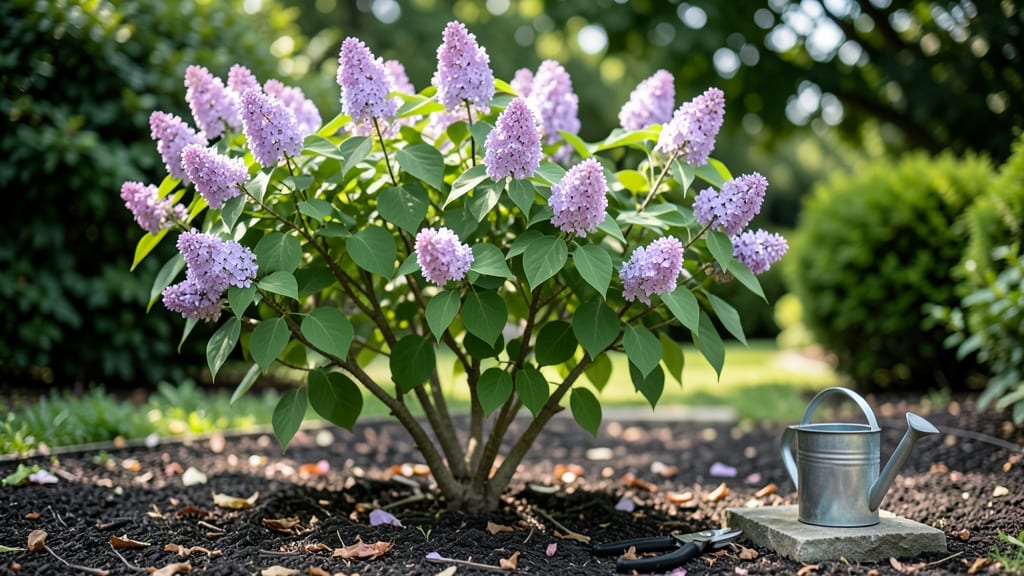
Early flowering lilacs burst into bloom weeks before standard varieties, turning Pacific Northwest yards into fragrant havens by late April. 🌸 I’ve watched my ‘Syringa meyeri’ open its purple clusters while daffodils are still nodding in the breeze—a sight that makes every winter’s chill worth it.
The secret lies in choosing cold-hardy varieties like Meyer lilacs or ‘Hyacinthiflora,’ which thrive in zones 3-7 and bloom earlier than their showy cousins.
Plant them in full sun with well-draining soil, and you’ll coax blooms weeks ahead of schedule. Mulch with compost in fall to protect roots, and prune right after flowering to encourage next year’s buds.
In my zone 7 garden, these shrubs reward patience with three weeks of fragrance—long before standard lilacs even think about blooming.
You’ll love how they outshine tulips and beat spring ephemerals to the punch, filling your garden with intoxicating perfume when everything else is still waking up. The key to extending their season?
Plant near a south-facing wall or group multiple varieties for staggered blooms. No more waiting for summer’s floral parade—your yard becomes the neighborhood’s first fragrant stop.
Perfect for Pacific Northwest gardeners who crave early color, these lilacs also adapt to urban microclimates and coastal breezes. Just avoid heavy clay soil, and you’ll turn your yard into a springtime scent machine. Here’s how to make it happen—without the wait.
📚 In This Guide
- What you need
- Instructions
- Tips and common mistakes
- Wrapping up and next steps
What you need
- ● Early flowering lilac plants: 1–3 Syringa meyeri (Palibin) or Syringa × prestoniae (Preston) varieties (dwarf or compact types for small spaces)
- ● Check for USDA Zones 3–8 compatibility (PNW is perfect!)
- ● Soil amendments: 5–10 lbs of compost or well-rotted manure per plant
- ● 1–2 lbs of balanced fertilizer (10-10-10) or slow-release granules
- ● Planting tools: 1 shovel or spade (for digging)
- ● 1 hand trowel (for precision)
- ● 1 pruners or shears (for trimming)
- ● 1 garden hose with spray nozzle (for watering)
- ● 1 mulch (pine bark or shredded wood) (2–3 inches to retain moisture)
- ● 1 soil pH tester (ideal range: 6.0–7.0)
- ● 1 stake or support (if planting in windy areas)
Step-by-Step guide to establishing early flowering lilacs in the Pacific Northwest
Here’s how to plant and nurture these fragrant shrubs for a showstopping spring display.
🌱 Step 1: Choose and Prepare the Planting Site
Early flowering lilacs thrive in full sun to partial shade, with at least 6 hours of direct sunlight daily. In the Pacific Northwest’s cooler climate, a spot with morning sun and afternoon shade works beautifully—this prevents leaf scorch while ensuring robust blooms. Test your site by observing how sunlight moves across it throughout the day.
Lilacs prefer well-draining soil with a slightly acidic to neutral pH (6.0-7.0). If your soil is heavy clay, amend it with 2-3 inches of compost mixed into the top 12 inches of soil. Avoid low-lying areas where cold air pools, as lilacs are sensitive to late frosts. Mark the planting spot with stakes to visualize the 6-8 foot mature spread of each shrub.
🪴 Step 2: Plant with Proper Spacing and Soil Care
Dig a hole twice as wide as the root ball but no deeper—this encourages roots to spread horizontally rather than settling too low. Gently remove the shrub from its container and loosen any circling roots with your fingers. Place it in the hole so the top of the root ball sits level with the surrounding soil—burying too deep suffocates the plant, while planting too high risks poor stability.
Backfill with the native soil, tamping lightly every 2 inches to eliminate air pockets. Water deeply to settle the soil, then add a 2-inch layer of mulch (like wood chips) around the base, keeping it 3 inches away from the stem. This preserves moisture, regulates soil temperature, and deters weeds. Avoid piling mulch against the trunk, as it can trap moisture and invite rot.
☀️ Step 3: Water and Fertilize for Strong Early Growth
Water deeply once a week for the first 4-6 weeks, ensuring the soil is moist 6 inches down. Lilacs are drought-tolerant once established, but young plants need consistent moisture to develop strong roots. Check soil moisture by inserting your finger—if it feels dry at 1 inch deep, it’s time to water. Overwatering causes root rot, so always let the top 1-2 inches dry out between waterings.
Apply a balanced, slow-release fertilizer (10-10-10) in early spring, following label instructions. Early flowering varieties benefit from phosphorus-rich feedings to encourage blooms. Skip fertilizers in late summer or fall, as new growth won’t harden off before winter. Prune immediately after flowering to maintain shape and remove any dead or crossing branches—this keeps energy focused on next year’s buds.
✂️ Step 4: Prune and Maintain for Long-Term Blooms
Prune lilacs right after they finish flowering (typically late spring) to avoid cutting off next year’s blooms, which form on old wood. Remove no more than one-third of the plant’s growth in a single year. Use clean, sharp pruners to make cuts just above a bud or branch junction, angling slightly downward to prevent water pooling. This encourages a bushier, more vibrant shrub over time.
Monitor for pests like aphids or borers, which can stress young lilacs. Spray with neem oil if you spot clusters of sticky residue (honeydew) on leaves. In the Pacific Northwest’s mild winters, lilacs rarely need winter protection, but a light mulch layer (2-3 inches) helps insulate roots in particularly cold snaps. Resist the urge to prune in fall—waiting until spring ensures you don’t accidentally remove flower buds.
Tips & tricks for perfect early flowering lilac shrubs
Took me years to perfect these Pacific Northwest-specific tricks—here’s how to get that showstopping spring display without the common pitfalls.
Sunlight Strategy: In Step 1, when you’re choosing that perfect spot, remember that "morning sun and afternoon shade" means positioning your lilacs to catch the gentle morning rays while avoiding the harsh afternoon sun that can scorch leaves. I’ve seen firsthand how lilacs planted in full afternoon sun can develop brown, crispy leaf edges—so test your site by observing sunlight patterns for a few days before planting. This is especially critical in the Pacific Northwest, where coastal areas can be cooler and sunnier than inland spots.
Soil Science: The instructions mention amending heavy clay soil with 2-3 inches of compost, but here’s the pro move: mix in a handful of perlite or coarse sand too. This improves drainage even more, preventing that dreaded root rot. I’ve had clients struggle with soggy soil, and this simple tweak makes all the difference. Also, grab a soil pH test kit—lilacs are particular about that 6.0-7.0 range, and adjusting with lime or sulfur might be necessary depending on your local soil.
Planting Precision: In Step 2, when you’re placing that root ball, don’t just eyeball the depth. Use a level tool to ensure the top sits exactly flush with the surrounding soil—this prevents water from pooling around the stem. I’ve seen too many new gardeners bury lilacs too deep, which suffocates the plant, or plant them too high, causing instability. Pro tip: Mark the original soil level on the root ball with a pencil before removing it from the container—this gives you a perfect reference point.
Watering Wisdom: The 4-6 week deep watering schedule in Step 3 is spot-on, but here’s what nobody tells you: Water in the early morning to give leaves time to dry before evening. This prevents fungal diseases that thrive in damp conditions. Also, use a moisture meter to check that 6-inch depth—your finger test can be misleading in heavy clay soils. I’ve seen lilacs wilt despite what felt like adequate watering, only to discover the soil was bone dry deeper down.
Pro Tips for Early Flowering Lilac
- Took me years to perfect these Pacific Northwest-specific tricks—here’s how to get that showstopping spring display without the common pitfalls.
- I’ve seen firsthand how lilacs planted in full afternoon sun can develop brown, crispy leaf edges—so test your site by observing sunlight patterns for a few days before planting.
- Soil Science: The instructions mention amending heavy clay soil with 2-3 inches of compost, but here’s the pro move: mix in a handful of perlite or coarse sand too.
Frequently asked questions
Got questions about early flowering lilacs? You’re not alone! Here are some of the most common concerns—and their answers—to help you grow these fragrant Pacific Northwest stars with confidence.
When do early flowering lilacs bloom in the PNW?
Early bloomers like Syringa meyeri or Syringa × prestoniae typically burst into color in late March to early April, often weeks before traditional lilacs. Cooler spring nights in the PNW can even push blooms earlier—sometimes as early as February in milder microclimates.
How do I encourage my lilac to flower earlier?
For a head start, prune lightly in late winter (before buds swell) to remove dead wood and open the center. Avoid heavy pruning—it can delay blooms. Also, plant in a sunny, sheltered spot (protected from late frosts) and mulch to insulate roots. Pro tip: A balanced fertilizer in early spring (like 10-10-10) gives lilacs a nutrient boost for earlier blooms!
Why aren’t my early lilacs flowering this year?
No blooms? Don’t panic! Common culprits include over-pruning (cutting back after blooms appear), poor drainage (root rot stunts growth), or young age—lilacs often need 3–5 years to mature. Check for pests (aphids, borers) or fungal issues (like powdery mildew), and adjust care accordingly.
Are there early blooming lilacs that thrive in shade?
Most lilacs crave full sun (6+ hours/day), but a few tolerate partial shade (4+ hours). Look for Syringa × hyacinthiflora ‘Palibin’ (tolerates light shade) or Syringa vulgaris ‘Sensation’ (more shade-friendly than traditional varieties). If planting in shade, ensure well-draining soil and monitor for leggy growth.
Can I force early blooms indoors for cutting?
Yes! Select a mature branch with buds in late winter, place it in water, and store it in a cool, dark place (35–40°F) for 4–6 weeks. Once buds swell, move it to room temperature and bright light—blooms should appear in 2–3 weeks. Change water every 2 days to prevent bacterial growth.
What’s the best alternative for early fragrance if lilacs fail?
If lilacs aren’t your style, try these fragrant early bloomers for the PNW:
- Viburnum bodnantense (‘Dawn’): Winter-spring blooms, intense fragrance.
- Pieris japonica: Evergreen with pink spring flowers and creamy bracts.
- Daphne odora: Winter-to-early spring blooms, highly fragrant.
- Forsythia: Bright yellow blooms in late winter/early spring.
Wrapping up and next steps
Growing an early flowering lilac in the Pacific Northwest isn’t just about adding beauty—it’s about embracing the first burst of color and fragrance the region has to offer! 🌸 These hardy shrubs thrive with minimal fuss, rewarding you with stunning blooms that turn heads and fill the air with sweet scents.
Whether you’re a seasoned gardener or just starting out, their resilience and charm make them a perfect addition to any yard.
Ready to transform your outdoor space? Start by choosing the right variety—like ‘Sensation’ or ‘Dwarf Korean’—and give your lilac the love it deserves. Plant it in well-draining soil, provide some afternoon shade, and watch as it becomes the star of your garden. Happy planting! 🌱