
Shrubs
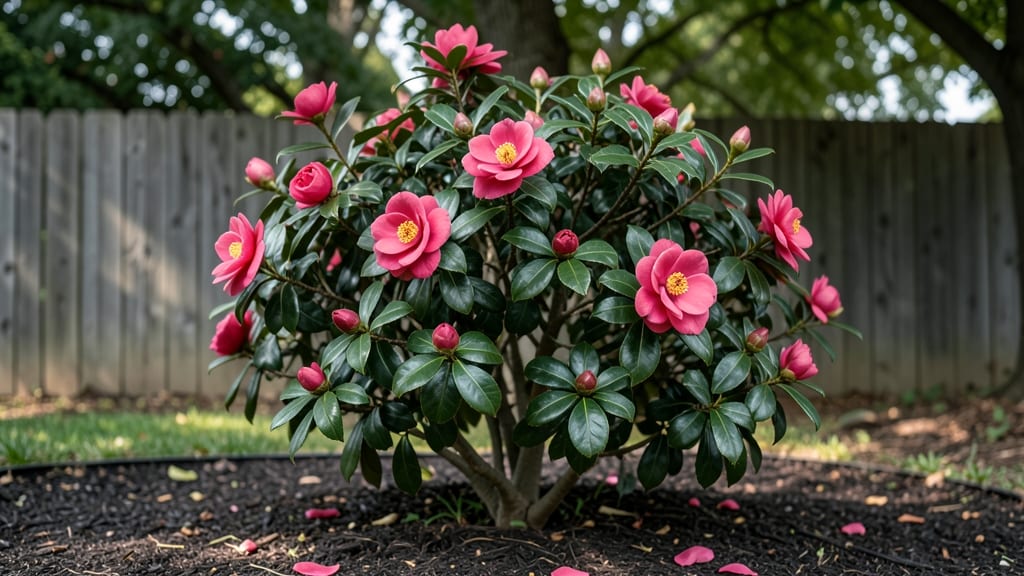
An evergreen flowering hedge turns your yard into a year-round showpiece—lush foliage in winter, bursts of color in spring, and zero fuss from pruning. I remember my first one: a Camellia hedge that bloomed in December when everything else was brown.
The key is choosing the right varieties for your climate and giving them space to grow naturally.
These hedges do more than look pretty—they block wind, muffle noise, and create privacy without sacrificing sunlight for your garden. Popular picks like Abelia or Hydrangea thrive with minimal care, while Camellia and Oakleaf Hydrangea add dramatic blooms.
The best part? They stay green all winter, so your curb appeal never takes a break.
Plant them where they’ll get morning sun and afternoon shade—most varieties hate scorching afternoon rays. A 3-foot spacing gives them room to fill out without needing shears.
Once established, they’ll grow 1-2 feet per year, creating a dense, fragrant barrier that’s easier to maintain than a traditional boxwood hedge.
For maximum impact, layer them with spring bulbs at the base—think daffodils or tulips peeking through the evergreen sea. The combination keeps your garden vibrant from January through November, with almost no upkeep. Here’s how to pick the perfect spot and varieties for your yard.
📚 In This Guide
- What you need
- Instructions
- Tips and common mistakes
- Wrapping up and next steps
What you need
- ● Evergreen flowering shrubs: Choose 3–5 plants per linear foot (e.g., Abelia, Camellia, or Gardenia—pick disease-resistant varieties for low-maintenance success!).
- ● High-quality potting soil: 10–15 bags (50 lbs each) of well-draining, organic blend (e.g., Miracle-Gro Garden Soil or Espoma).
- ● Mulch: 2–3 bags of shredded bark or pine straw (3 cubic feet each) to retain moisture and suppress weeds.
- ● Fertilizer: Slow-release granular fertilizer (e.g., Osmocote Smart-Release Flower & Vegetable) or organic options like fish emulsion.
- ● Garden tools: Trenching shovel or spade
- ● Hand pruners (bypass-style for clean cuts)
- ● Garden gloves (heavy-duty for protection)
- ● Measuring tape (25 ft)
- ● Wheelbarrow (for soil transport)
- ● Watering supplies: Hose with adjustable nozzle
- ○ Drip irrigation kit (optional but highly recommended for consistent moisture)
- ● Soil amendments: Perlite or sand (1–2 bags) to improve drainage in clay-heavy soil.
- ● Plant supports: Stakes or cages (if planting tall varieties like Camellia for windy areas).
- ● Eco-friendly weed barrier: Landscape fabric (10 ft roll) to reduce manual weeding.
- ● Seasonal blooms boosters: Acid-loving plant food (e.g., Miracle-Gro Azalea, Camellia & Rhododendron) for vibrant flowers.
How to create a low-maintenance evergreen flowering hedge
Here’s how to build a vibrant, year-round hedge that stays lush without constant pruning.
Select the Right Plants for Year-Round Color
Choose evergreen shrubs with seasonal blooms, like Abelia x grandiflora (white spring-to-fall flowers), Camellia sasanqua (autumn-winter blooms), or Pieris japonica (spring flowers with evergreen foliage). These varieties thrive in USDA Zones 7-10 and tolerate partial shade, reducing water needs.
Space plants 3-4 feet apart for a dense hedge. If your site gets full sun, opt for Abelia or Olearia—they handle heat better. For cooler climates, Pieris or Daphne provide winter interest with minimal care.
Prepare the Soil and Plant for Longevity
Amend native soil with 2-3 inches of compost to improve drainage and fertility. Evergreen flowering hedges hate soggy roots, so avoid heavy clay. If your soil is compacted, mix in pearlite or sand to loosen it.
Dig holes twice as wide as the root ball but no deeper. Place each plant so the top of the root ball sits 1 inch above ground level. This prevents waterlogging and encourages strong root growth. Backfill with native soil mixed with compost, tamping gently to remove air pockets.
Water Deeply and Mulch to Retain Moisture
Water each plant deeply once a week for the first month, then taper to every 10-14 days once established. Evergreens need consistent moisture but won’t tolerate soggy soil. Check soil 2 inches deep—if dry, water again.
Apply 3 inches of mulch (pine bark or shredded leaves) around the base, keeping it 6 inches away from the stem. Mulch conserves water, regulates soil temperature, and suppresses weeds—critical for low-maintenance hedges. Replenish mulch annually as it breaks down.
Provide Light and Protection for Seasonal Health
Most flowering evergreens thrive in partial shade (4-6 hours of sun daily). Too much sun scorches leaves, while too little reduces blooms. If your hedge loses color, adjust placement or add light shade cloth in summer.
In winter, protect young hedges from drying winds with a burlap windbreak if temperatures drop below 20°F. Mature plants handle cold well, but new growth benefits from shelter. Prune only to shape in late winter or early spring, removing no more than 25% of the plant at once.
Fertilize Strategically for Blooms and Growth
Apply a slow-release, acid-loving fertilizer (like 10-10-10) in early spring and again after blooming. Over-fertilizing encourages leafy growth at the expense of flowers. Use ½ the recommended dose for established hedges to avoid burn.
Monitor for pests like spider mites or scale, which thrive on stressed plants. Spray with neem oil if you spot webbing or sticky residue. Healthy hedges resist pests naturally, so focus on proper watering and mulching first.
Tips & tricks for perfect evergreen flowering hedges
Creating a thriving, low-maintenance hedge starts with understanding the nuances that keep these plants vibrant year-round.
Plant Selection: When choosing between Abelia, Camellia, Pieris, or Daphne, consider your climate and sunlight exposure. Abelia and Olearia thrive in full sun, while Pieris and Daphne prefer partial shade. For example, if your site gets intense afternoon sun, Abelia's heat tolerance will give you more reliable blooms than Camellia, which can scorch in direct sunlight. The 3-4 foot spacing isn't just about aesthetics—it ensures each plant gets adequate airflow, reducing disease risk and allowing roots to establish without competing.
Soil Preparation: The 2-3 inches of compost and potential perlite/sand amendment isn't just about improving drainage—it's about creating the ideal root environment. Evergreens have shallow root systems that need both moisture retention and oxygen. If your soil is particularly dense, consider adding coconut coir to the compost mix for better moisture retention without compacting. The 1-inch elevation of the root ball above ground level is critical: it prevents water from pooling around the stem, which can cause rot.
Watering Strategy: The first-month watering schedule of once weekly followed by every 10-14 days is designed to establish roots without encouraging dependency. Here's what I've learned: water deeply in the morning so foliage dries before evening, reducing fungal risks. Use a moisture meter to check that 2 inches deep—if it reads dry, water again. This method prevents overwatering while ensuring consistent moisture for root development. The 3 inches of mulch acts like a natural irrigation system, keeping soil temperatures stable and reducing evaporation.
Seasonal Care: The partial shade requirement of 4-6 hours daily is a balance—too much sun causes leaf scorch, while too little reduces flowering. If your hedge starts losing color, it's often a sign of either insufficient light or overwatering. For winter protection, the 20°F threshold is when young plants need that burlap windbreak. Mature plants can handle colder temperatures, but new growth benefits from this simple protection. The late winter pruning window is crucial: pruning too early can remove flower buds that have already formed, while waiting too long can encourage excessive new growth that may not harden off before winter.
Pro Tips for Evergreen Flowering Hedge
- Creating a thriving, low-maintenance hedge starts with understanding the nuances that keep these plants vibrant year-round.
- Plant Selection: When choosing between Abelia, Camellia, Pieris, or Daphne, consider your climate and sunlight exposure.
- Soil Preparation: The 2-3 inches of compost and potential perlite/sand amendment isn't just about improving drainage—it's about creating the ideal root environment.
Frequently asked questions
What’s the easiest evergreen flowering hedge for beginners?
Start with Abelia or Dwarf Gardenia—both thrive in partial sun, handle light pruning, and bloom reliably. For tougher conditions, Pieris japonica (Andromeda) is drought-tolerant and pest-resistant. Pro tip: Check your USDA hardiness zone to pick the hardiest variety for your climate!
When is the best time to plant an evergreen flowering hedge?
Plant in early spring or fall (4–6 weeks before frost) for ideal root establishment. Avoid summer heat or winter freezes, which stress young plants. Bonus: Mulch heavily after planting to retain moisture and protect roots.
Can I prune my evergreen flowering hedge at any time?
Light shaping is fine year-round, but avoid heavy pruning during late summer or early fall—this can reduce next year’s blooms. For most varieties, prune right after flowering (late spring/early summer) to encourage dense growth. Exception: Camellia hedges bloom on old wood, so prune after flowering in winter.
Why isn’t my evergreen hedge flowering as much as it should?
Check these common culprits:
- Too much shade: Most flowering evergreens need 4–6 hours of sun daily.
- Over-fertilizing: Too much nitrogen = lush leaves, fewer blooms. Use a balanced 10-10-10 fertilizer instead.
- Stress: Drought, poor drainage, or recent transplanting can delay flowers.
What’s a low-maintenance alternative if I don’t want to deal with flowering hedges?
Try Boxwood (Buxus) or Loropetalum for evergreen structure with minimal fuss. For color without blooms, Dwarf Holly (Ilex crenata) offers glossy leaves and berries (if male/female plants are paired). Win-win: These need almost no pruning and handle neglect better than flowering varieties.
Wrapping up and next steps
An evergreen flowering hedge is the ultimate low-maintenance way to bring year-round beauty to your landscape—no pruning drama, just vibrant blooms and lush foliage!
Whether you’re drawn to the classic elegance of Camellia or the bold charm of Abelia, these plants prove that stunning gardens can thrive with minimal effort. 🌿
Ready to transform your outdoor space? Start by researching the best varieties for your climate, then visit a local nursery to pick out your plants. With the right care (and a little patience), you’ll enjoy a colorful, hassle-free hedge that turns heads all year long!