Shrubs
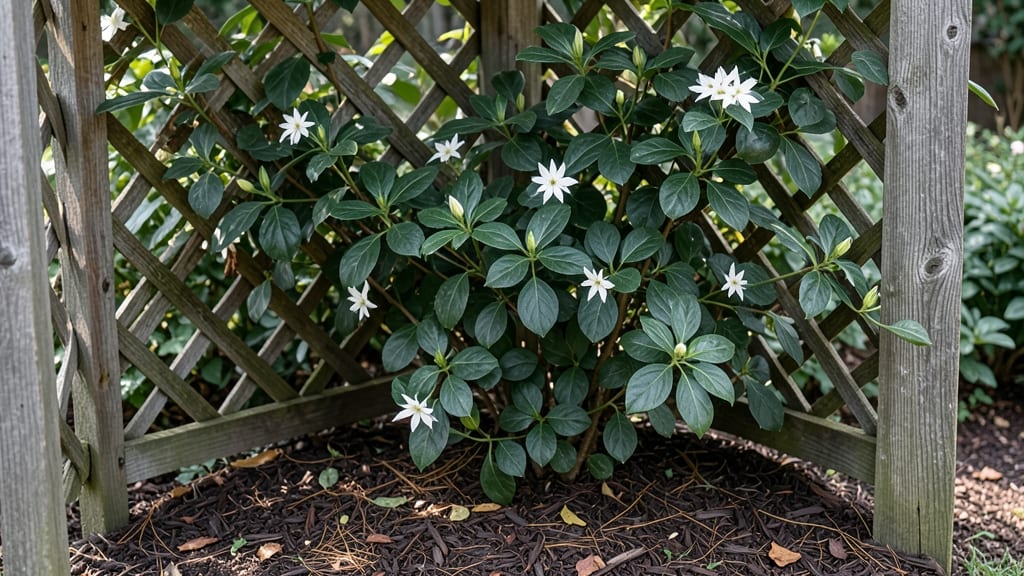
Evergreen flowering vines bring color and texture to your garden even when everything else is dormant. 🌿 I remember my first winter with a climbing jasmine—its glossy leaves and occasional blooms made the bare branches feel alive.
These plants aren’t just pretty; they’re the backbone of year-round interest, whether draped over a trellis or spilling down a bank.
They thrive with minimal fuss—most need just sunlight and occasional pruning to stay lush. Varieties like English ivy, star jasmine, or winter jasmine offer different shades of green and blooms in every season.
The key is matching their growth habits to your space: fast climbers for walls, trailing types for ground cover, or compact ones for containers.
Imagine your garden in January: vibrant foliage against a snowy backdrop, delicate flowers where others have none. These vines turn blank spots into focal points, soften hard edges, and even improve air quality. They’re the easy way to keep your outdoor space lively no matter the weather.
Perfect for beginners or seasoned gardeners, they adapt to almost any climate and style—modern, cottage, or even urban balconies. Let’s pick the right one for your vision and get planting!
📚 In This Guide
- What you need
- Instructions
- Tips and common mistakes
- Wrapping up and next steps
What you need
- ● Evergreen flowering vine plants: 1–3 plants (e.g., Clematis armandii, Jasminum nudiflorum, or Lonicera sempervirens) – choose based on your climate zone and sunlight.
- ● Pro tip: 💡 Opt for container-friendly varieties if space is limited!
- ● Potting soil: 5–10 gallons of well-draining, organic potting mix (or a blend of garden soil + compost for in-ground planting).
- ○ Containers (optional but handy): 1–2 large pots (12–18 inches in diameter) with drainage holes, or a trellis system for climbing.
- ● Pro tip: 🌡️ Use lightweight containers if you plan to move them seasonally!
- ● Garden gloves (1 pair) – to protect your hands from thorns or rough bark.
- ● Trowel or small shovel – for planting and soil prep.
- ● Pruners (1 pair) – sharp, clean pruners for trimming and shaping.
- ● Watering can or hose with a gentle spray nozzle – for consistent moisture.
- ○ Mulch (optional) – 2–3 inches of shredded bark or straw to retain moisture and suppress weeds.
- ● Trellis, arbor, or fence – if planting climbing varieties (height/width depends on vine growth habits).
- ● A location with 6+ hours of sunlight daily (adjust for shade-tolerant varieties like Hedera helix).
- ● Access to a water source (vines need consistent moisture, especially in containers).
- ● Patience! Some evergreen vines take 1–2 years to establish and bloom fully.
How to grow evergreen flowering vines for season-long beauty
Here's the straightforward approach I use to keep my garden vibrant all year.
🌱 Step 1: Choose the Right Vine Varieties for Your Climate
Start with evergreen flowering vines that thrive in your hardiness zone. My top picks are English ivy (Hedera helix), star jasmine (Trachelospermum jasminoides), and camellia (Camellia japonica)—they all flower reliably and keep their leaves year-round. Check the plant tags for cold tolerance; some varieties handle 10°F while others need at least 15°F protection.
If you live in a warm climate, plumbago (Plumbago auriculata) or confederate jasmine (Trachelospermum confusum) will bloom continuously. For coastal areas, coastal clematis (Clematis armandii) handles salt spray and winds beautifully. Real talk: I once planted a non-evergreen vine by accident—it died back in winter and looked sad until spring. Don't make that mistake.
🪴 Step 2: Plant in Well-Draining Soil with Support Ready
Dig a hole twice as wide as the root ball but only as deep as the container it came in. Mix the removed soil with 2-3 inches of compost to improve drainage and fertility. Evergreen vines hate soggy roots, so if your soil stays wet for more than 24 hours after rain, add 1 part perlite to 3 parts soil to lighten it up.
Install a trellis, arbor, or fence panel before planting—you'll thank yourself later when the vine needs support. I use 4-foot tall metal trellises for star jasmine and let English ivy cascade over walls. For camellias, a sturdy post with wire supports works best. Water deeply right after planting to settle the roots, then let the top inch of soil dry out before watering again.
☀️ Step 3: Position for Sunlight and Shelter
Most evergreen flowering vines need partial shade to full sun, but the exact amount varies by type. English ivy thrives in morning sun and afternoon shade, while camellias prefer dappled sunlight or filtered light—especially in hot climates. Star jasmine loves full sun but appreciates afternoon shade in southern regions.
Here's the thing—if your vine starts dropping leaves in winter, it's getting too much cold wind. Plant near a wall or fence to create a windbreak. I've seen camellias lose buds overnight when exposed to freezing winds. Mulch with 3 inches of shredded bark around the base to protect roots from temperature swings. Watch for new growth in spring—that's your signal the plant survived winter.
💧 Step 4: Water and Feed for Continuous Blooms
Water deeply once a week during the first growing season, then taper to every 10-14 days once established. Evergreen vines store moisture in their leaves, so they're more drought-tolerant than you'd think. The key is checking the soil: stick your finger 2 inches deep—if it feels dry, water until it's moist but not soggy.
Feed with a balanced 10-10-10 fertilizer in early spring and again after flowering. For camellias, use an acid-loving plant fertilizer (like one formulated for azaleas) to keep the soil pH between 5.5 and 6.5. I apply fertilizer after watering to prevent root burn. You'll see new flower buds forming in late summer—that's your reward for consistent care.
✂️ Step 5: Prune for Shape and Encourage More Flowers
Prune right after flowering to shape the vine and encourage next year's blooms. Cut back leggy growth by one-third to promote bushier growth. For camellias, remove spent blooms but leave the seed pods—they add winter interest. I use clean, sharp pruners and make cuts just above a leaf node to prevent disease.
If your vine looks overgrown, don't panic—evergreen vines are forgiving. You can trim back up to 50% of the foliage without harming the plant. Just avoid heavy pruning in late summer, as new growth won't harden off before winter. Watch for fresh green growth in spring—that's your sign the pruning worked.
Tips & tricks for perfect evergreen flowering vines
These simple strategies will help your evergreen vines thrive year after year with minimal effort.
Climate Selection: When choosing varieties, pay close attention to the cold hardiness ratings on plant tags. I learned this the hard way after losing a camellia to a single night below 10°F. If you're in a transitional climate, opt for star jasmine—it handles temperature swings better than most. For coastal areas, coastal clematis is your best bet for wind resistance and salt tolerance.
Soil Prep: The 2-3 inches of compost you mix into the planting hole isn't just for show—it creates the ideal environment for root establishment. For heavy clay soils, consider adding an extra 1 inch of perlite to improve drainage. I've seen vines struggle in compacted soil where roots can't expand properly, so take the time to loosen the soil thoroughly before planting.
Winter Protection: That 3-inch layer of shredded bark mulch around the base does more than just look pretty. It acts like a blanket, protecting roots from temperature fluctuations that can cause bud drop. In particularly cold winters, I've even wrapped camellia stems with burlap for extra insulation. Watch for new growth in spring—this is your confirmation that the winter protection worked.
Pruning Timing: Pruning right after flowering (as mentioned in Step 5) might seem counterintuitive, but it's the key to encouraging next year's blooms. The one-third reduction in leggy growth promotes bushier, more vigorous growth. For camellias specifically, leave those seed pods—they add winter interest and protect the plant from late frosts that could damage new buds.
Pro Tips for Evergreen Flowering Vines
- These simple strategies will help your evergreen vines thrive year after year with minimal effort.
- Climate Selection: When choosing varieties, pay close attention to the cold hardiness ratings on plant tags.
- Soil Prep: The 2-3 inches of compost you mix into the planting hole isn't just for show—it creates the ideal environment for root establishment.
Frequently asked questions
What’s the best way to prune evergreen flowering vines to encourage blooms?
Prune after flowering (late winter or early spring) to avoid cutting off next year’s buds. Use clean, sharp shears to trim back overgrown stems by about one-third. Avoid heavy pruning in fall—this can stress the plant and reduce blooms. Pro tip: Deadhead spent flowers regularly to redirect energy to new growth!
Do evergreen flowering vines survive winter in cold climates?
Most evergreen flowering vines (like Clematis or Jasmine) are hardy in USDA zones 5–9, but some varieties may need winter protection. Mulch the base with 2–3 inches of shredded bark or leaves, and wrap young plants in burlap for extra insulation. Watch for: frost damage on new growth—trim it back in spring.
Can I grow evergreen flowering vines in containers? If so, which ones work best?
Compact varieties like Star Jasmine (Trachelospermum jasminoides) or Confederate Jasmine (Trachelospermum × confederae) thrive in containers (10–15 gallons). Ensure pots have drainage holes, use well-draining soil, and fertilize monthly during growing season. Bonus: Train vines on a trellis for vertical interest!
What pests or diseases should I watch for in evergreen flowering vines?
Common culprits include aphids, spider mites, and scale insects. Yellowing leaves or sticky residue? Blast pests off with water or use insecticidal soap. Fungal issues (like powdery mildew) can occur in humid climates—improve airflow and avoid overhead watering. Preventative tip: Inspect plants weekly during growing season!
Why aren’t my evergreen flowering vines blooming this year?
Blooms can fizzle due to over-fertilizing with high nitrogen, poor sunlight, or stress from transplant shock. Ensure your vine gets 6+ hours of sun, prune correctly, and feed with a balanced bloom booster (like 10-10-10) in early spring. Patience pays off: Some vines take 2–3 years to establish and flower!
What’s a low-maintenance alternative to traditional evergreen flowering vines?
Try English Ivy (Hedera helix) for lush, evergreen coverage with minimal fuss, or Climbing Hydrangea (Hydrangea petiolaris) for bold foliage and occasional blooms. Both tolerate shade and require little pruning. For color: Coral Honeysuckle (Lonicera sempervirens) offers seasonal blooms with almost no upkeep!
Wrapping up and next steps
Transforming your garden into a vibrant, low-maintenance paradise is easier than you think with evergreen flowering vines! These stunning plants offer year-round color while requiring minimal effort—perfect for busy gardeners or those craving effortless beauty.
Whether you’re climbing a trellis, draping a fence, or adding texture to a wall, these vines bring life and charm to any space.
Ready to dive in? Start by choosing your favorite variety and gathering the essentials—then watch your garden flourish with bold blooms and lush greenery all year long! 🌿✨