Flowers
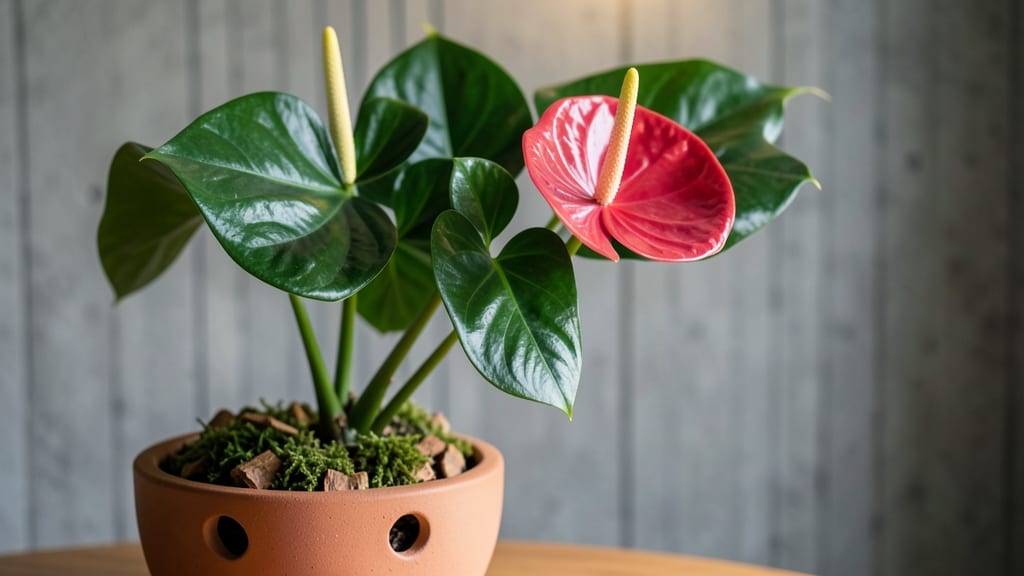
Bringing flowers into your home isn’t just about beauty—it’s about transforming any space into a year-round sanctuary with minimal effort. 🌸 I’ve spent years perfecting the art of keeping flowers vibrant indoors, from fresh bouquets that last weeks to low-maintenance potted plants that thrive in dim corners.
The secret? Choosing the right blooms, placing them strategically, and caring for them like the delicate (but resilient) treasures they are.
You don’t need a green thumb or a sunroom—just a few smart choices. Think snip-proof stems like alstroemeria or hydrangeas for bouquets that defy wilting, or air-purifying plants like peace lilies and snake plants for potted greenery that forgives neglect.
A simple vase, filtered water, and a weekly trim keep fresh flowers looking stunning, while self-watering pots make potted plants nearly foolproof. Even a north-facing windowsill can host a thriving arrangement with the right picks.
What you’ll end up with is a home that feels alive and intentional, not just decorated. Picture sunlit petals on your dining table, lush foliage in the bathroom, or trailing vines by the bookshelf—each arrangement telling its own quiet story.
The best part? These flowers don’t just survive; they thrive on attention, even if that attention is just a weekly spritz of water. You’ll master the balance between effortless elegance and lush, long-lasting blooms.
Whether you’re working with a bright kitchen nook or a cozy corner, these principles adapt to any space. Let’s turn your home into a gallery of seasonal blooms—without the stress. The tools you need are simpler than you think, and the results? Pure, everyday magic.
📚 In This Guide
- What you need
- Instructions
- Tips and common mistakes
- Wrapping up and next steps
What you need
- ● Fresh-cut flowers: Choose seasonal blooms (e.g., roses, peonies, daisies, or succulents) or long-lasting varieties like alstroemeria or carnations. Aim for 5–15 stems, depending on vase size.
- ● Floral preservative: A packet (or DIY mix of 1 tsp sugar + 1 tsp bleach per quart of water) to extend vase life.
- ● Clean vase or container: Glass, ceramic, or even a repurposed jar (ensure it’s at least 6–12 inches tall for balance).
- ● Scissors or floral shears: Sharp tools to trim stems cleanly (avoid kitchen knives!).
- ● Water: Room-temperature (never cold) to prevent shock.
- ● Floral foam: Pre-cut blocks (size depends on vase) for bouquets with heavy blooms.
- ● Decorative elements: Gravel, pebbles, or ribbon to add texture or hide stems.
- ● Greenery fillers: Eucalyptus, ferns, or ivy for volume and fragrance.
- ● Dried flowers: Preserved blooms (e.g., statice or babys breath) to mix with fresh cuts.
- ● Spray adhesive: For securing stems in foam or creating dried arrangements.
- ● A well-lit workspace (natural light helps assess colors and shapes).
- ● 10–15 minutes of focused time (no rush—flowers reward patience!).
- ● Basic design knowledge: Odd numbers of stems (3, 5, 7) create natural balance.
- ● Patience for wilted blooms: Remove leaves submerged in water to prevent bacteria.
How to create stunning indoor flower arrangements that last
Elevate any room with fresh, long-lasting blooms using these simple yet sophisticated techniques.
🌿 Step 1: Select Flowers and Foliage for Balance
Choose a mix of three types of flowers—tall, medium, and filler—to create depth. I always pick one dramatic focal bloom (like a single peony or garden rose) surrounded by 7-10 supporting stems in varying heights. Add textural foliage like eucalyptus or dusty miller to fill gaps and extend the arrangement's life.
For year-round arrangements, opt for long-lasting cuts like hydrangeas, alstroemeria, or snapdragons, which hold up beautifully in water. Avoid wilting varieties like tulips or daffodils unless you plan to change the water daily. Here's the thing—odd-numbered stems (like 7 or 9) create natural, asymmetrical beauty that feels effortless.
🪴 Step 2: Prepare Vases and Hydration Basics
Clean your vase thoroughly with hot, soapy water to remove any bacteria or residue that could clog stems or foul water. I use a clear glass vase for modern arrangements and a ceramic or metal vessel for rustic styles. Fill it with lukewarm water (never cold) to open the stems immediately and reduce shock.
Add a commercial floral preservative (like Chrysal Clear) to extend vase life by 3-5 days. If you don’t have preservative, mix 1 teaspoon of bleach per quart of water to prevent bacterial growth. Trim stems at a 45-degree angle just before arranging—this increases water absorption surface area and keeps flowers hydrated longer.
☀️ Step 3: Arrange for Natural Flow and Longevity
Start by placing the tallest stems in the back and work forward with medium and filler flowers. I like to fan the stems outward at the base to create a full, natural look. Avoid overcrowding—leaves should not touch the water to prevent bacterial growth. Here’s the trick: space stems evenly so air circulates, which slows wilting.
Leave 1-2 inches of stem submerged in water and adjust as flowers drink. For heavy blooms like roses or lilies, secure stems with floral tape at the base to prevent them from toppling. Step back frequently to check balance—asymmetry is key for organic, high-end appeal.
💧 Step 4: Maintain Freshness with Simple Care
Change the water every 2-3 days and trim stems by ½ inch each time to encourage fresh uptake. Keep arrangements away from direct sunlight, heating vents, or drafts—these accelerate wilting. I place mine in bright, indirect light near a window but not in the hot afternoon sun.
Remove any leaves submerged in water to prevent rot. If you notice wilting or yellowing, recut stems under water and refresh the solution. A spritz of water on foliage daily keeps arrangements looking vibrant. Real talk: even the best arrangements need a little TLC—but this keeps them stunning for 10-14 days without fuss.
Tips & tricks for perfect indoor flower arrangements
Here's what nobody tells you about creating arrangements that feel like high-end design—without the florist price tag.
The Stem Angle Secret: When trimming stems at a 45-degree angle in Step 2, make sure to do it just before arranging—not hours ahead. I've learned this the hard way: stems left sitting in air will seal off and refuse to drink up water later. Also, use sharp floral shears or even kitchen scissors—dull blades crush stems and block water uptake. For extra longevity, give stems a quick dip in warm water right after cutting to help them open faster.
Foliage Placement Strategy: In Step 3, don't just toss in foliage at the end—weave it throughout the arrangement. Place eucalyptus or dusty miller stems strategically between flowers to create visual layers. I like to tuck some foliage stems behind the focal bloom to add depth. Pro tip: Remove any leaves that would sit below the waterline to prevent bacterial growth that causes premature wilting. This simple step can extend your arrangement's life by nearly 3 days.
Lighting Location Matters: The instructions mention bright, indirect light, but here's the thing about placement: North-facing windows provide the most consistent indirect light. If you're using a south-facing window, position your arrangement at least 3 feet away from the glass to avoid heat damage. I've noticed arrangements in east-facing windows last slightly longer because they get morning light without the intense afternoon heat. Rotate your arrangement every 2-3 days to ensure even exposure.
Preservative Power Move: While commercial floral preservatives extend vase life by 3-5 days, here's my real talk: If you don't have one, make your own. Mix 1 teaspoon of white vinegar with 1 teaspoon of sugar in a quart of water. The vinegar prevents bacterial growth while the sugar provides energy for the flowers. Change this solution every 2-3 days just like the instructions recommend—it works just as well as store-bought preservatives and costs pennies.
Pro Tips for Flower In Home
- Here's what nobody tells you about creating arrangements that feel like high-end design—without the florist price tag.
- The Stem Angle Secret: When trimming stems at a 45-degree angle in Step 2, make sure to do it just before arranging—not hours ahead.
- Foliage Placement Strategy: In Step 3, don't just toss in foliage at the end—weave it throughout the arrangement.
Frequently asked questions
Got questions about keeping flowers thriving in your home? Here are answers to the most common ones—so you can enjoy year-round elegance without the stress!
What’s the best way to keep cut flowers fresh longer?
Trim stems at an angle (about 1 inch) before placing them in clean water, and change the water every 2–3 days. Remove leaves submerged in water to prevent bacteria buildup. For extra freshness, add a drop of bleach or a flower preservative packet. Pro tip: Keep arrangements away from direct sunlight and heat sources!
How often should I replace my indoor flowers?
Cut flowers typically last 7–14 days, while potted plants (like succulents or snake plants) can thrive for months with proper care. Monitor wilting, yellowing leaves, or foul odors—these are signs it’s time for a refresh. For seasonal blooms, rotate arrangements every 2–3 weeks to keep your space feeling vibrant!
Can I use tap water for my flowers?
Yes, but if your water is heavily chlorinated or hard (high in minerals), it can shorten their lifespan. Let tap water sit out for 24 hours before using, or use filtered water. For best results, room-temperature water is ideal—cold water can shock the stems.
What are the easiest low-maintenance flowers for beginners?
Start with hardy blooms like alstroemeria, carnations, or chrysanthemums—they last longer and tolerate minor neglect. For potted plants, try peace lilies, spider plants, or ZZ plants. These thrive with minimal watering and indirect light, making them perfect for busy lifestyles!
Why are my flowers wilting so fast?
Common culprits include bacteria in dirty water, stem blockages (air pockets), or overcrowding in the vase. Try recutting stems, using fresh water, and spacing blooms loosely. If flowers wilt within hours, they may have been damaged before purchase—opt for firmer stems next time!
| Quick Fix | When to Use |
|---|---|
| Trim stems + change water | Every 2–3 days or if water looks cloudy |
| Move to cooler spot | If leaves feel crispy or flowers droop in heat |
| Add preservative | For long-lasting arrangements (like roses or lilies) |
Wrapping up and next steps
Bringing flowers into your home isn’t just about beauty—it’s about effortless joy that brightens every season. Whether you’re a beginner or a seasoned green thumb, simple arrangements can transform your space with minimal fuss.
Start small, experiment with textures, and let nature’s charm do the rest—your home (and mood) will thank you! 🌸
Next step: Pick one tip from this guide and try it this weekend—your first arrangement is just a vase away! 🌿