Companion Plants
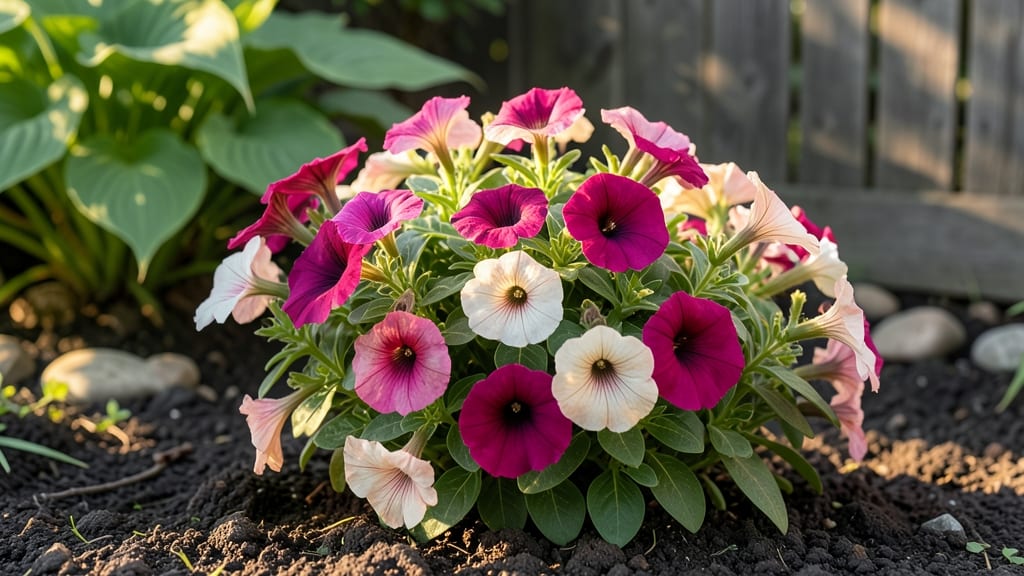
Flowering annual plants turn any garden into a nonstop color show from spring through fall—no waiting for perennials to mature. 🌸 I learned the hard way that skipping soil prep or overwatering kills even the hardiest varieties, but once you nail the basics, these plants reward you with blooms that last until frost.
The secret isn’t complicated: pick the right varieties for your sunlight, feed them consistently, and deadhead regularly to keep them producing.
Start with three essentials: well-draining soil, full sun (or the right shade match), and a balanced fertilizer. My go-to annuals—marigolds, zinnias, and petunias—thrive in average garden soil but explode with color when you add a handful of compost at planting.
Water deeply once a week (more in heatwaves) and avoid wetting the leaves to prevent mildew. These plants are forgiving, but consistency is key—skip a week of watering, and you’ll see it in the drooping blooms.
By midseason, you’ll have a garden that looks like a pro designed it—vibrant blooms in every shade, from fiery red zinnias to velvety blue salvias. The real magic happens when you deadhead spent flowers weekly; my zinnias now bloom continuously until October instead of tapering off by July.
Even beginner gardeners can master this—just remember: feed, water, and prune, and these plants will do the rest.
Works for containers, window boxes, or full garden beds—adjust spacing based on variety. Tall zinnias need room to stand, while trailing petunias spill beautifully over edges. Here’s how to keep them blooming all season without the guesswork.
📚 In This Guide
- What you need
- Instructions
- Tips and common mistakes
- Wrapping up and next steps
What you need
- ● Flowering annual seeds or seedlings: Choose 5–10 varieties (e.g., marigolds, zinnias, petunias, or cosmos) for color diversity. Opt for heirloom or disease-resistant varieties if possible.
- ● Well-draining potting mix: 2–3 cubic feet per container or garden bed (avoid heavy clay soil—amend with compost if needed).
- ● Containers or garden space: For containers: 5–10 gallon pots (one plant per 6–12" of pot diameter) with drainage holes.
- ● For in-ground planting: Full sun (6+ hours/day) and loose, fertile soil.
- ● Watering can or hose with gentle spray nozzle: Annuals need consistent moisture (1–2 inches per week).
- ● Organic fertilizer: Balanced 10-10-10 or slow-release granules (follow package rates for application).
- ● Hand trowel or transplanting spade (for digging).
- ● Pruning shears (to deadhead spent blooms and encourage regrowth).
- ● Mulch (straw or shredded bark) to retain moisture and suppress weeds.
- ● Garden gloves (to protect hands from thorns or soil).
- ● pH testing kit (ideal range: 6.0–7.0 for most annuals).
- ● Check your USDA Hardiness Zone (annuals thrive in zones 3–11 but may need seasonal adjustments).
- ● Review plant spacing guidelines (e.g., marigolds: 8–12" apart; zinnias: 6–12").
- ● Plan for succession planting if you want nonstop blooms (sow new seeds every 2–3 weeks).
How to plan and plant a stunning annual flower garden
Here's how to create a vibrant display that keeps blooming until frost.
🌱 Step 1: Choose the Right Annual Varieties for Your Climate
Annuals thrive in warm seasons, so select types that match your growing zone. For hot, sunny areas, try marigolds, zinnias, or sunflowers—they handle heat beautifully. In cooler regions, petunias, snapdragons, or pansies perform best. I always check the seed packet for days-to-maturity—plant fast-bloomers first, then follow with slower varieties to extend your color show.
Group plants by height: tall backdrops (like delphiniums), mid-height fillers (salvias), and trailing or low-growing types (like alyssum). This creates natural layers that hide soil and look fuller. I sketch a rough layout first—it saves time rearranging later when plants outgrow their spots.
☀️ Step 2: Select the Perfect Sunlight Spot
Most annuals crave 6+ hours of direct sun daily for continuous blooms. Observe your garden: morning sun (before 10 AM) is gentler, while afternoon sun (after 2 PM) can scorch delicate petals. If your space gets only partial sun, opt for shade-tolerant picks like impatiens or fuchsias—they’ll still thrive.
I avoid planting near large trees or structures that cast deep shade. Even 4 hours of sun can limit blooming potential. Test your spot for a week first: mark areas with morning sun only (cooler) vs. full sun (hotter). Adjust your plant choices based on what you observe.
💧 Step 3: Prepare the Soil for Healthy Roots
Annuals need well-draining, nutrient-rich soil to support their fast growth. Work in 2-3 inches of compost or aged manure to improve fertility. If your soil is heavy clay, mix in sand or perlite to loosen it—roots will thank you by spreading quickly. I like to till the top 6 inches deeply to encourage strong root development.
Test moisture levels before planting: press your finger 1 inch deep—if it feels dry, water thoroughly 24 hours ahead. Overly wet soil can suffocate seeds or seedlings. Raised beds or containers work well if your ground stays soggy, as they drain faster and warm up quicker in spring.
🪴 Step 4: Plant at the Right Time and Spacing
Wait until after the last frost date (check your local calendar) and when soil warms to at least 60°F. Plant seeds or transplants 1/4 inch deep, following packet instructions. Space smaller flowers like pansies 6-8 inches apart, while taller types like cosmos need 12-18 inches to avoid crowding.
I always water deeply right after planting to settle the soil and remove air pockets around roots. Mulch with 1-2 inches of straw or shredded leaves to retain moisture and suppress weeds. Avoid piling mulch against stems—keep it 2 inches away to prevent rot.
✂️ Step 5: Maintain for Nonstop Blooms
Deadhead spent flowers weekly—this redirects energy to new blooms instead of seed production. Pinch back leggy stems to encourage bushier growth. Feed plants every 4-6 weeks with a balanced, water-soluble fertilizer (like 10-10-10) to keep them vibrant.
Watch for pests like aphids or powdery mildew. I spray plants with neem oil at the first sign of trouble—it’s organic and effective. Water at the base in the morning to avoid fungal issues from evening dampness. With consistent care, your annuals will reward you with bold colors until frost!
Tips & tricks for perfect flowering annual gardens
Here's what nobody tells you about making your annuals thrive like a pro.
Climate Matching: Double-check your local frost dates and growing zone—this determines everything from planting time to variety selection. I once planted marigolds too early in zone 5 and lost them to frost. Use the days-to-maturity on seed packets to stagger planting: start with fast bloomers like zinnias (45-50 days) and follow with slower growers like cosmos (60-70 days) to extend your color show. The key is creating a continuous bloom timeline.
Sunlight Strategy: That 6+ hours of sun rule is non-negotiable for most annuals, but here's the secret: morning sun (before 10 AM) is gentler on delicate petals than afternoon heat. If you're working with partial shade, choose impatiens or fuchsias—they'll still give you vibrant blooms. I test my spots for a week first by marking areas with morning-only vs. full sun. This simple observation prevents wasted plants and money.
Soil Prep Secret: The 2-3 inches of compost isn't just about nutrients—it's about creating the right texture. For heavy clay soil, mix in sand or perlite to improve drainage, but don't overdo it. I aim for soil that crumbles easily when squeezed—like a damp sponge. Pro tip: Till only the top 6 inches deeply; deeper tilling can bring up weeds and disrupt soil structure.
Planting Precision: Those 1/4 inch deep planting instructions might seem shallow, but it's perfect for most seeds. Use your finger to make a small furrow, then cover gently—don't pack the soil. For transplants, loosen roots slightly before placing them in the hole to encourage faster establishment. I always water deeply right after planting to eliminate air pockets around roots, which helps prevent transplant shock.
Pro Tips for Flowering Annual Plants
- Here's what nobody tells you about making your annuals thrive like a pro.
- Climate Matching: Double-check your local frost dates and growing zone—this determines everything from planting time ...
- Sunlight Strategy: That 6+ hours of sun rule is non-negotiable for most annuals, but here's the secret: morning sun (...
Frequently asked questions
Got questions about flowering annuals? You’re not alone!
Whether you're a first-time gardener or a seasoned pro looking to refresh your blooms, here are some of the most common questions—and answers—to help you grow with confidence.
What’s the best time to plant flowering annuals for continuous blooms?
Most flowering annuals thrive when planted after the last frost in spring (typically late April to early June in most U.S. zones). For a longer season, stagger plantings every 2–3 weeks—this ensures fresh blooms as older varieties fade. Pro tip: Check your local frost dates and choose heat-tolerant varieties (like zinnias or marigolds) for summer-long color!
How often should I water flowering annuals to keep them blooming?
Water deeply 1–2 times per week, aiming for about 1 inch of water total. Morning watering is best to reduce evaporation and fungal risks. Let the top inch of soil dry out between waterings—overwatering can stress plants and lead to fewer blooms. Drought-tolerant picks like lantana or verbena need less frequent watering once established.
What are the most common pests for flowering annuals, and how do I stop them?
Watch for aphids, spider mites, and slugs, which love tender annuals. Prevent pests with:
- Neem oil spray (for aphids/mites)
- Beer traps or copper barriers (for slugs)
- Healthy soil (strong plants resist pests better!)
Can I grow flowering annuals in containers, or do they need a garden bed?
Many annuals thrive in containers—just choose compact varieties (like petunias or bacopa) and ensure pots have drainage holes. Use a lightweight potting mix and fertilize every 2–4 weeks. Bonus: Containers let you move plants to follow the sun or create mobile "garden rooms" on patios!
What’s a great low-maintenance annual that blooms all season?
Try zinnias, cosmos, or black-eyed Susans—they’re drought-tolerant, pest-resistant, and self-seed easily (meaning more blooms next year!). For shade lovers, impatiens or begonias deliver nonstop color with minimal fuss. Pro move: Deadhead spent blooms to encourage more flowers!
Can I save seeds from my flowering annuals for next year?
Yes! Let some blooms go to seed (skip deadheading on a few flowers) and harvest seeds when pods dry and turn brown. Store them in a cool, dry place until spring. Note: Hybrid varieties (like many petunias) may not produce true-to-type seeds—stick to heirloom or open-pollinated types for reliable results.
Wrapping up and next steps
Flowering annuals are the easy, vibrant superstars of any garden—packing color, pollinator power, and effortless beauty into every season! 🌸 Whether you’re drawing in butterflies, brightening a patio, or filling gaps in your landscape, these plants deliver instant joy with minimal fuss.
With the right mix of sun, soil, and care (plus a few pro tips from our FAQs), you’ll have a blooming paradise that keeps giving all year.
Ready to transform your space? Start small—pick one or two annuals to try this week, then expand as you gain confidence! Grab your seeds, get planting, and watch your garden burst into life like never before. 🌱✨