
Size
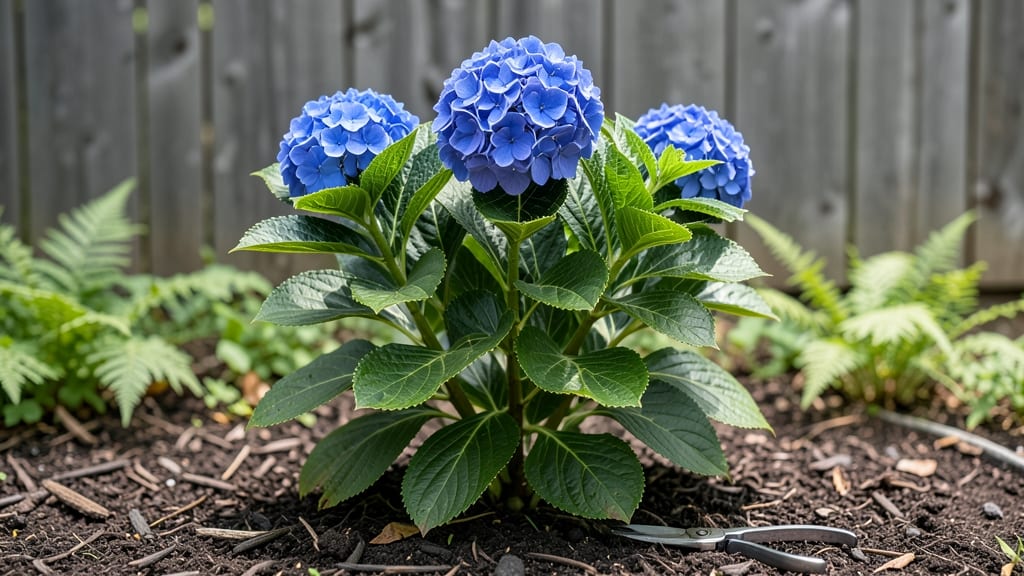
Tall flowering bushes can turn your yard into a vertical masterpiece that blooms from spring to frost. ✨ I’ve learned the hard way that placement and plant pairing make all the difference—my first attempt with hydrangeas and lilacs looked chaotic until I mapped their heights and bloom times.
Now, my garden has layers that draw the eye upward, creating drama no flat border could match.
The key is matching varieties to your space and style. Cottage gardens thrive with romantic climbers like clematis and roses, while modern landscapes shine with structured shrubs like panicle hydrangeas or spirea.
Each plant needs room to grow—check mature heights (some reach 10 feet!)—and pair early bloomers (like lilacs) with late-season stars (like abelia) for continuous color. My favorite combo? A tall hydrangea as the backdrop with shorter perennials in front for texture.
You’ll end up with a garden that feels like a living painting, where every season brings something new. Imagine summer’s bold blooms, autumn’s fiery foliage, and winter’s skeletal beauty against snow—all while providing habitat for pollinators.
The best part? These bushes age gracefully, their trunks maturing into character-rich focal points. Ready to transform your space? Let’s design it step by step.
Works for any yard size, from urban courtyards to sprawling estates. The same principles apply whether you’re framing a patio or softening a fence line—just adjust the scale. Here’s how to get started without overcomplicating it.
📚 In This Guide
- What you need
- Instructions
- Tips and common mistakes
- Wrapping up and next steps
What you need
- ● Flowering tall bushes: Choose 3–5 mature plants (6–10 ft tall) like hydrangeas, lilacs, abelia, or butterfly bushes. Opt for container-friendly varieties if space is limited.
- ● High-quality potting mix: 5–10 gallons (depending on pot size). Use a blend with 30–40% perlite or compost for drainage.
- ● Large containers or garden beds: Containers: 5–15-gallon pots with drainage holes (minimum 18" diameter for single bushes).
- ● Garden beds: 3–4 ft wide × 2–3 ft deep to accommodate root spread.
- ● Slow-release fertilizer: 10–20 lbs (5–10 lbs per bush). Look for a balanced NPK (10-10-10 or 20-20-20) formula.
- ● Mulch: 2–3 inches of shredded bark or pine straw to retain moisture and suppress weeds.
- ● Hand trowel or spade (for planting and soil prep).
- ● Garden gloves (to protect your hands from thorns or rough bark).
- ● Watering can or hose with a gentle spray nozzle (avoid over-saturating roots).
- ● Pruning shears (sharp, sterilized tools for shaping and deadheading).
- ○ Support stakes or trellises (optional, for windy areas or heavy blooms like roses).
- ○ pH testing kit (optional but helpful—aim for 6.0–7.0 for most flowering bushes).
How to design a stunning vertical garden with tall flowering bushes
Here’s how I create striking vertical displays that bring height and seasonal color to any space.
🌿 Step 1: Choose the Right Bushes for Vertical Impact
Select 4 tall flowering bushes that complement each other in height and bloom times. I like mixing hydrangeas (4-6 feet), weigela (5-7 feet), and spirea (3-5 feet) for layered drama. Check each plant’s mature height—some varieties grow 10+ feet, which may overwhelm a small space.
Look for compact or columnar varieties labeled for containers or vertical gardens. These grow narrower and won’t sprawl. For example, ‘Limelight’ hydrangea stays bushy and blooms prolifically. If your space is tight, opt for ‘Little Princess’ roses (3-4 feet) instead of climbers.
🪴 Step 2: Select and Prepare Containers for Vertical Growth
Use large, deep containers (18-24 inches deep) with drainage holes to support tall bushes. I prefer fabric grow bags for flexibility—they expand slightly as roots grow and prevent soil compaction. For a built-in look, install planters on a vertical trellis system or stack raised beds at different heights.
Fill containers with well-draining potting mix (avoid garden soil—it compacts and suffocates roots). Mix in slow-release fertilizer (like 10-10-10) to feed the plants for 3-4 months. Tap the soil lightly to remove air pockets, then water deeply until it drains from the bottom holes.
☀️ Step 3: Plant and Stake for Stability
Dig a hole twice as wide as the root ball but no deeper. Place the bush in the center, then backfill with soil, pressing gently to eliminate gaps. Water immediately to settle the roots. For taller varieties like weigela, insert 3-4 stakes around the bush and secure with soft ties to prevent toppling in wind.
Space plants 12-18 inches apart in containers to allow airflow and reduce competition. If using a vertical trellis, train vining varieties (like clematis) to climb while keeping upright bushes like spirea in the lower planters. Mulch the surface with 2 inches of shredded bark to retain moisture and suppress weeds.
💧 Step 4: Water and Feed for Year-Round Blooms
Water deeply 2-3 times per week in summer, letting the top 2 inches of soil dry between waterings. Tall bushes need more moisture than shorter plants—their roots extend deeper. Use a soaker hose or watering can with a rose attachment to avoid disturbing the soil surface.
Fertilize every 4-6 weeks during the growing season (spring to fall) with a balanced liquid fertilizer. In winter, reduce feeding to once every 8 weeks unless your climate stays mild. Deadhead spent blooms regularly to encourage continuous flowering and maintain a neat appearance.
✂️ Step 5: Prune and Maintain for Long-Term Health
Prune late winter or early spring (before new growth starts) to shape the bushes and remove dead wood. Cut back overgrown branches by 1/3 to promote bushier growth. For hydrangeas, trim stems to just above a leaf bud to encourage larger blooms.
Check for pests like aphids or spider mites on the undersides of leaves. Spray with neem oil if you spot them early—prevention is easier than treating an infestation. Rotate containers quarter-turn weekly to ensure even sunlight exposure, which prevents lopsided growth.
Tips & tricks for perfect vertical bush displays
Transforming your vertical space into a blooming masterpiece takes a few key insights—here's how to avoid common pitfalls and elevate your garden game.
Plant Selection Strategy: In Step 1, when choosing your 4 bushes, prioritize varieties with staggered bloom times. For example, pair early bloomers like ‘Little Princess’ roses with late-season hydrangeas. This creates continuous color from spring through fall. I also recommend checking the label for "container-friendly" designations—these varieties are bred to handle vertical growth without sprawling.
Container Depth Matters: The 18-24 inch deep containers in Step 2 aren't just about volume—they provide the root space tall bushes need to establish themselves. If you're working with limited space, consider using fabric grow bags stacked vertically on a wall mount. They expand as roots grow and prevent soil compaction that can strangle roots in rigid containers.
Staking Technique: For the taller varieties like weigela mentioned in Step 3, I've found that using 3-4 stakes creates a more stable base than just one. Position them at 90-degree angles around the plant to distribute wind pressure evenly. Use soft plant ties or even old tights cut into strips—they're gentler on stems than wire or twine.
Seasonal Care Adjustments: The watering schedule in Step 4 works perfectly for summer, but winter care needs tweaking. Reduce watering to once every 10-14 days in cold months, letting the top 4 inches dry out completely. This prevents root rot in containers that don't drain as well when temperatures drop. Also, move containers to a sheltered location if you're in a windy climate—they're more vulnerable to drying winds in winter.
Pro Tips for Flowering Tall Bushes
- Transforming your vertical space into a blooming masterpiece takes a few key insights—here's how to avoid common pitfalls and elevate your garden game.
- Plant Selection Strategy: In Step 1, when choosing your 4 bushes, prioritize varieties with staggered bloom times.
- Container Depth Matters: The 18-24 inch deep containers in Step 2 aren't just about volume—they provide the root space tall bushes need to establish themselves.
Frequently asked questions
What’s the best time of year to plant flowering tall bushes?
For most flowering tall bushes, early spring or fall is ideal—when soil is workable but not scorching. Spring planting gives roots time to establish before summer heat, while fall offers cooler temps and reduced competition for water. Pro tip: Avoid planting in peak summer or winter (frost risk). Check your local USDA hardiness zone for species-specific timing!
How long does it take for tall flowering bushes to bloom?
Patience pays off! Most tall flowering bushes take 1–3 years to reach full bloom, depending on the variety and care. Faster bloomers like Butterfly Bush (Buddleia) may flower in their first year, while slower growers like Lilac (Syringa) often need 2–3 seasons. Pro tip: Prune strategically in early spring to encourage earlier (and more abundant) blooms!
Are there low-maintenance flowering tall bushes for beginners?
If you’re new to gardening, try these drought-tolerant, hardy options:
| Bush | Why It’s Great |
|---|---|
| Spirea (Spiraea) | Thrives in full sun, blooms spring to summer, and handles poor soil. |
| Dwarf Fothergilla | Fragrant spring flowers, fall foliage, and minimal pruning needs. |
| Abelia | Blooms twice a year (spring + fall) and tolerates heat/drought. |
Pro tip:
Mulch annually to retain moisture and reduce weeds—saving you time!
Why aren’t my tall flowering bushes blooming this year?
Don’t panic! Common culprits include:
- Over-fertilizing with high-nitrogen (promotes leaves, not flowers). Use a balanced 10-10-10 or low-phosphorus fertilizer.
- Poor pruning timing. Prune right after flowering (not in late summer/fall) to avoid cutting off next year’s buds.
- Insufficient sunlight. Most flowering bushes need 6+ hours of sun daily.
- Stress from drought or pests. Check for aphids, spider mites, or powdery mildew.
Pro tip:
If your bush is young (<2 years), it may still be establishing roots—give it time!
Can I grow flowering tall bushes in containers or small spaces?
Yes! Many tall flowering bushes adapt well to containers if you:
- Choose compact varieties (e.g., Dwarf Lilac or Patio Hydrangea).
- Use a large pot (15+ gallons) with drainage holes.
- Opt for lightweight, well-draining soil mixed with compost.
- Water frequently (containers dry out faster) and fertilize monthly in growing season.
Pro tip:
Place containers near a south-facing wall to maximize sun exposure!
Wrapping up and next steps
Flowering tall bushes are the ultimate game-changers for adding height, color, and drama to your garden—no matter the season! 🌸 From fragrant climbers to bold statement plants, these vertical stars bring effortless elegance while requiring minimal fuss once established.
Whether you’re a seasoned gardener or just starting, the key is patience, placement, and a little creativity—and trust us, the payoff is worth it.
Ready to transform your space? Start small: pick one or two bushes that thrill you, then expand as you gain confidence. Before you know it, your yard will be a year-round floral masterpiece—and that’s a victory worth celebrating! 🌿✨