
Planting
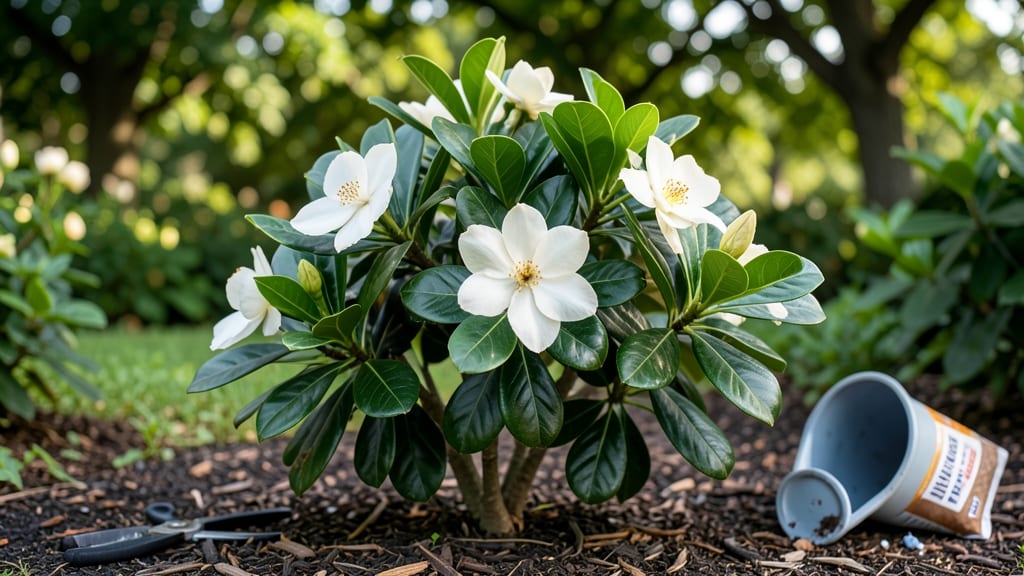
Nothing beats the intoxicating scent of gardenia plant flowers wafting through a summer evening—it’s like a tropical vacation in your own backyard. 🌿 I’ve grown gardenias for years, and the secret to those glossy, fragrant blooms isn’t complicated: it’s all about light, soil, and patience.
Most people give up after the first season because they don’t realize gardenias reward consistency over quick results.
The key starts with bright, indirect light—think dappled shade under a tree or a sheltered patio spot. Gardenias crave acidic, well-draining soil (think pine bark or peat moss mixed with compost), and they’ll sulk if their roots sit in soggy conditions.
Once planted, keep the soil evenly moist but never waterlogged, and you’ll see those signature white (or pale yellow) blooms by midsummer.
By late summer, you’ll be rewarded with clusters of velvety, fragrant flowers that last for weeks. The blooms aren’t just beautiful—they perfume the air with a sweet, creamy scent that hummingbirds and butterflies adore.
Prune lightly after flowering to encourage bushier growth, and watch your gardenia become the star of every outdoor gathering.
Works beautifully in containers for patios or as a focal point in shaded garden beds. The only downside? Gardenias can be picky about their care—but once you crack the code, they’ll bloom reliably for years. Let’s get those roots settled in the right spot!
📚 In This Guide
- What you need
- Instructions
- Tips and common mistakes
- Wrapping up and next steps
What you need
- ● Gardenia plant: 1-3 Gardenia jasminoides (most common variety) or Gardenia augusta (for larger blooms)
- ● Option: Seeds (though slower; better for experienced gardeners) or a 1-2 year old potted sapling for faster results 🌱
- ● Well-draining potting mix: 1 bag (5-10 gallons) of peat-based or coconut coir mix (gardenia hates soggy roots!)
- ● Container or garden bed: For containers: 1-2 large pots (12–18 inches in diameter) with drainage holes
- ● For in-ground: A sunny spot with partial shade (4–6 hours of dappled light daily)
- ● Fertilizer: 1 balanced acid-loving plant fertilizer (e.g., 10-10-10 or 8-3-9) or
- ● 1 slow-release citrus fertilizer (gardenia loves acidity!)
- ● Tools: Gloves (gardenia leaves can be prickly!)
- ● Trowel or small shovel
- ● Watering can with a fine rose nozzle (to avoid disturbing soil)
- ○ Optional: Mulch (pine bark or oak leaves) to retain moisture and acidity
- ● Patience: Gardenias thrive in warm climates (USDA Zones 7-11). If you’re in a cooler zone, start indoors 8–10 weeks before the last frost!
- ● pH Test Kit: Ensure your soil is acidic (pH 5.0–6.5). Adjust with sulfur if needed.
- ● Humidity: Aim for 60–80% humidity—mist leaves daily or use a humidity tray.
- ● Sunlight: No harsh afternoon sun! Use sheer curtains or shade cloth if planting outdoors.
Step-by-step guide to growing gardenia flowers for maximum blooms
Here's how to coax those iconic, intoxicating gardenia blooms from your plants—season after season.
🌱 Step 1: Select the Right Location and Soil
Gardenias demand bright, indirect light—think dappled shade under a canopy or a south-facing window with sheer curtains. Direct afternoon sun scorches the glossy leaves, while too little light stunts blooming. I always test a spot by placing a plant there for a week first; if leaves yellow or drop, move it.
Use acidic, well-draining soil with a pH between 5.0-6.5. Amend heavy garden soil with 30% peat moss or pine bark fines and a handful of sulfur to lower pH. Gardenias hate soggy roots, so raise containers on 2-inch pot feet to improve drainage. A simple pH test kit confirms your soil's readiness—aim for that slightly sour tang.
☀️ Step 2: Water and Feed for Continuous Blooms
Water gardenias when the top 1-2 inches of soil feel dry to the touch—never on a schedule. I check by poking a finger in; if it comes out clean, water deeply until it runs from the drainage hole. Overwatering causes root rot, while underwatering triggers bud drop. In containers, I use rainwater or distilled water to avoid fluoride buildup from tap water, which burns tender roots.
Feed every 2-3 weeks during spring and summer with a balanced 10-10-10 fertilizer diluted to half strength. When buds form, switch to a low-nitrogen, high-phosphorus formula (like 5-10-10) to encourage blooming. I always water the soil first to prevent fertilizer burn—never apply to dry roots. Stop fertilizing in fall to let plants rest.
✂️ Step 3: Prune Strategically for Health and Flowers
Prune gardenias right after blooming to shape the plant and encourage next year's flowers. Use sterilized pruning shears to cut back leggy stems to an outward-facing bud, which promotes bushier growth. Never prune more than one-third of the plant at once—this stresses gardenias and reduces blooms. I always clean my shears with rubbing alcohol between cuts to prevent disease spread.
Remove any yellow leaves or spent blooms immediately. Deadheading spent flowers redirects the plant's energy into new buds. If you notice bare stems with no leaves, it's a sign of over-pruning or poor light—time to adjust. For container plants, I trim back any stems that grow beyond the pot's edge to maintain balance and airflow.
🪴 Step 4: Protect from Pests and Seasonal Shifts
Gardenias attract aphids, spider mites, and whiteflies, which suck sap and weaken plants. I treat infestations with neem oil spray (mix 1 tablespoon per quart of water) applied in the early morning to avoid harming bees. For severe cases, a soapy water spray (1 teaspoon mild dish soap per gallon) works quickly—just rinse leaves thoroughly after 24 hours.
Before winter, move container gardenias to a cool but frost-free location (around 50-60°F). Reduce watering to once every 2 weeks and stop fertilizing entirely. If grown outdoors in cold climates, mulch the base with 2-3 inches of pine straw to insulate roots. I always wrap pots in bubble wrap for extra protection—this small step prevents root freeze damage.
Tips & tricks for perfect gardenia plant flowers
A few expert insights that'll help you nurture gardenias into fragrant, blooming powerhouses.
Lighting Secret: Gardenias need that perfect balance of bright, indirect light—think morning sun with afternoon shade. I've found that placing them near an east-facing window works wonders, especially in summer when afternoon sun can be too intense. If your gardenia starts dropping leaves, it's a clear sign to move it to a more sheltered spot.
Soil Science: The pH balance is everything with gardenias—aim for that 5.0-6.5 range like the instructions say. I've learned the hard way that using regular garden soil can lead to poor drainage and stunted growth. For containers, I mix in 30% peat moss or pine bark fines with a handful of sulfur to keep that acidity level just right. A pH test kit is your best friend here!
Watering Wisdom: The finger test is foolproof—stick your finger into the top 1-2 inches of soil. If it feels dry, water deeply until it runs from the drainage hole. I've noticed that gardenias in containers need watering more frequently than those in the ground because they dry out faster. Rainwater or distilled water is ideal to avoid fluoride buildup that can harm those tender roots.
Pruning Precision: When pruning right after blooming, always cut back to an outward-facing bud to encourage bushier growth. I make sure to never remove more than one-third of the plant at once—this keeps the gardenia healthy and blooming. Sterilizing your pruning shears with rubbing alcohol between cuts prevents disease spread, which is crucial for maintaining plant health.
Pro Tips for Gardenia Plant Flowers
- A few expert insights that'll help you nurture gardenias into fragrant, blooming powerhouses.
- Lighting Secret: Gardenias need that perfect balance of bright, indirect light—think morning sun with afternoon shade.
- Soil Science: The pH balance is everything with gardenias—aim for that 5.0-6.5 range like the instructions say.
Frequently asked questions
about gardenia plant flowers—because every gardener deserves clarity!How often do gardenia flowers bloom, and how can I encourage more blooms?
Gardenias typically bloom spring through early summer, with occasional reblooming in fall if conditions are ideal. To encourage more flowers, ensure they get bright, indirect light (like dappled shade) and consistent moisture—never letting soil dry out completely. Prune spent blooms and fertilize lightly with acidic, phosphorus-rich fertilizer (like 7-9-5) in early spring. Overcrowding or poor drainage can reduce blooms, so check your plant’s roots!
Why aren’t my gardenia flowers opening, and how long does it take for them to bloom?
Gardenia buds may stay closed due to stress from temperature swings (they love 70–80°F), low humidity, or lack of sunlight. Buds can take 2–4 weeks to open—patience is key! If they drop before opening, it’s often a sign of underwatering, drafts, or sudden cold snaps. Try misting leaves daily or placing a pebble tray under the pot to boost humidity.
Can I grow gardenias indoors, and what’s the best light setup?
Gardenias thrive indoors near east- or west-facing windows where they get 4–6 hours of bright, indirect light daily. Avoid harsh afternoon sun, which can scorch leaves. If natural light is lacking, supplement with a grow light (12–14 hours/day). Keep humidity high (use a humidifier or group plants together) and maintain 60–70°F temperatures—cold drafts from AC or windows can stress them.
What pests commonly attack gardenia flowers, and how do I treat them?
Gardenias are prone to aphids, spider mites, and scale insects, which suck sap and weaken plants. Check undersides of leaves for sticky residue or tiny webs. Treat mild infestations with neem oil or insecticidal soap (spray early morning/evening). For severe cases, use horticultural oil or introduce ladybugs. Keep plants healthy with proper watering and ventilation to deter pests!
Are there gardenia alternatives with similar fragrance but easier care?
If gardenias seem high-maintenance, try these fragrant, low-fuss alternatives:
- Jasmines (e.g., Jasminum officinale): Sweetly scented, drought-tolerant, and thrive in partial shade.
- Gardenia ‘Radicans’: A trailing variety with longer bloom periods and slightly easier humidity needs.
- Tuberose (Polianthes tuberosa): Intense night-blooming fragrance; grow from bulbs in warm climates.
- Mock Orange (Philadelphus): Fragrant white flowers, hardy, and blooms in late spring.
Wrapping up and next steps
Gardenia plants bring unmatched elegance and intoxicating fragrance to any garden, making them a must-have for plant lovers. Whether you’re drawn to their lush foliage, velvety blooms, or soothing scent, these tropical beauties reward patience and care with breathtaking results.
Now that you’re armed with the right knowledge—from soil prep to troubleshooting—it’s time to roll up your sleeves and get growing!
🌱 Next step: Pick your favorite gardenia variety, gather your supplies, and start nurturing these fragrant stars. Watch your garden transform into a serene, floral paradise—one bloom at a time! 🌸