Propagation
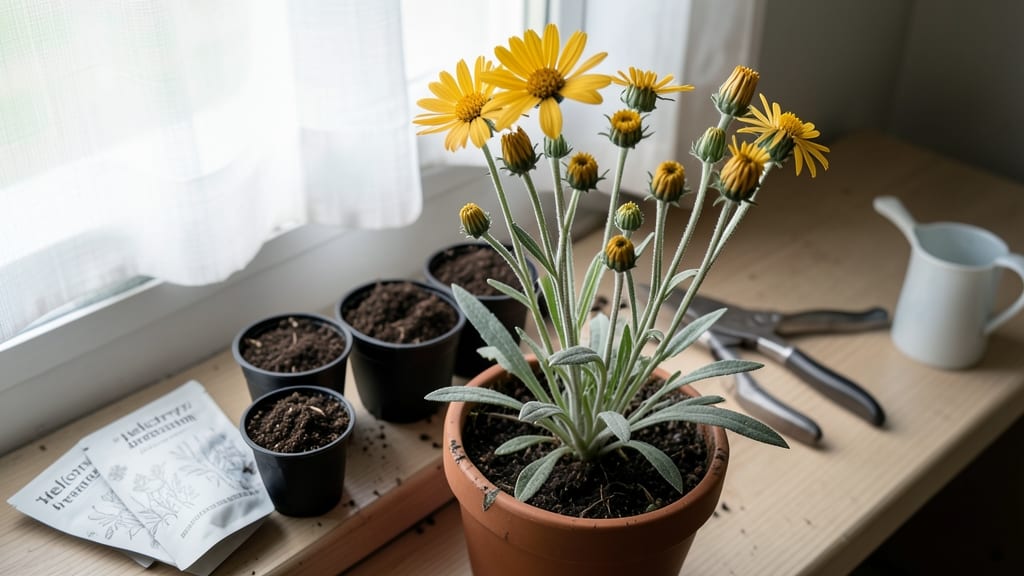
Growing strawflowers from seed delivers shockingly lush blooms that last for months in vases—if you nail the timing and soil. I’ve grown them from seed every spring for five years, and the secret isn’t fancy equipment but patient moisture control right from the start.
The first time I saw those papery petals pop through the soil, I knew I’d never buy them again.
Strawflowers thrive in well-draining soil and bright light, but they’re forgiving once established—drought tolerance is their superpower. Start seeds indoors 6-8 weeks before your last frost, using a shallow tray with a mix of potting soil and perlite.
Keep the soil damp (not soggy) and watch for those first leaves in 7-14 days. If germination stalls, try a bottom heat mat—it cuts waiting time by half.
By summer, you’ll have sturdy stems ready for transplanting, and the blooms arrive 8-10 weeks after sowing. The flowers hold their color even after drying, making them perfect for arrangements.
Plus, they attract pollinators all season long—just don’t let them go to seed unless you want more volunteers popping up next year.
This method works for containers or garden beds, and the seeds stay viable for years. Once you’ve grown them, you’ll never buy cut strawflowers again—they’re too easy to grow and too beautiful to waste on a bouquet.
📚 In This Guide
- What you need
- Instructions
- Tips and common mistakes
- Wrapping up and next steps
What you need
- ● Strawflower seeds: 10–20 seeds (depending on desired quantity; opt for heirloom or organic varieties for best results).
- ● Seed-starting mix: 1–2 cups of lightweight, well-draining potting soil (avoid garden soil—it’s too dense!).
- ● Containers: Small seed trays or pots (3–4 inches deep) with drainage holes, or
- ● Biodegradable peat pots (great for transplanting later!).
- ● Watering can or spray bottle: A gentle misting tool prevents seed displacement.
- ● Clear plastic wrap or humidity dome: Keeps seeds cozy until germination (reusable!).
- ● Grow lights or sunny windowsill: Strawflowers need 6–8 hours of light daily (south-facing windows or LED grow lights work best).
- ○ Fertilizer (optional but helpful): Balanced liquid fertilizer (5-5-5 or 10-10-10) or
- ● Slow-release granular fertilizer (like 14-14-14) mixed into soil.
- ● Plant labels: Mark seeds with dates or varieties (strawflowers come in pink, orange, and yellow—keep track!).
- ● Tweezers or small spoon: For delicate seed placement.
- ○ Heat mat (optional): Speeds up germination if your home is chilly (70–75°F is ideal).
- ● Pruning shears: For trimming mature plants to encourage bushier growth.
- ● Drying rack or screen: If you plan to preserve your blooms (strawflowers last years when dried!).
Step-by-Step guide to cultivating strawflowers from seed
Here’s how to coax these drought-tolerant beauties from seed to show-stopping blooms.
🌱 Step 1: Start Seeds Indoors for Early Growth
Fill a seed tray with sterile seed-starting mix to within ¼ inch of the rim. Strawflower seeds are tiny, so I use a toothpick to create ¼-inch-deep furrows—just enough to hold them without burying too deep. Sprinkle seeds sparingly (they’re small but pack a punch), spacing them ½ inch apart to avoid overcrowding later.
Gently press the seeds into the mix so they make contact with the soil, then mist lightly with water until the surface is damp but not soggy. Cover the tray with plastic wrap or a humidity dome to retain moisture and warmth. Place it in a warm spot (70–75°F)—a sunny windowsill or under a heat mat works best. Germination takes 7–14 days, so patience is key. You’ll know it’s working when tiny green sprouts push through the soil.
☀️ Step 2: Provide Light and Prevent Leggy Seedlings
Once seedlings emerge, remove the cover immediately to prevent damping-off. Place them under bright, artificial grow lights for 14–16 hours daily—natural light alone often leads to leggy, weak stems. Position the light 2–3 inches above the seedlings and adjust as they grow to keep them compact. Strawflowers need strong stems to support their eventual blooms, so avoid stretching by keeping light consistent.
Water from the bottom by placing the tray in a shallow tray of water for 10–15 minutes—this encourages roots to grow downward. Let the soil dry slightly between waterings; soggy soil invites rot. After 4–6 weeks, when seedlings have 2–3 sets of true leaves, they’re ready to transplant. Harden them off by gradually exposing them to outdoor conditions for 5–7 days before moving them permanently.
🪴 Step 3: Transplant to Well-Draining Soil
Choose a sunny spot with at least 6–8 hours of direct sunlight daily. Strawflowers thrive in well-draining soil—amend heavy clay with sand or perlite if needed. Dig holes twice as wide as the root ball and space plants 12–18 inches apart to allow airflow and prevent mildew. Gently remove seedlings from their containers, tease the roots if they’re root-bound, and place them in the holes at the same depth they were growing indoors.
Water deeply after transplanting to settle the soil and encourage root establishment. Mulch around the base with 1–2 inches of organic mulch to retain moisture and suppress weeds. Strawflowers are drought-tolerant once established, but young plants benefit from weekly watering until they’ve developed a strong root system. Avoid overhead watering to prevent fungal issues—stick to soaker hoses or drip irrigation for targeted moisture.
✂️ Step 4: Support and Prune for Stronger Blooms
Strawflowers grow 2–3 feet tall and need staking or support to prevent flopping. Install bamboo stakes or cages at planting time and loosely tie stems to them as they grow. This ensures blooms stay upright and accessible. Deadhead spent flowers by snipping them back to the nearest set of leaves—this redirects energy to new blooms and prolongs the flowering season.
Fertilize lightly every 4–6 weeks with a balanced, water-soluble fertilizer (10-10-10) to encourage lush growth. Too much nitrogen, however, will promote leafy growth at the expense of flowers. Watch for aphids or spider mites—spray affected plants with neem oil or insecticidal soap if needed. Strawflowers are generally low-maintenance, but consistent care ensures vibrant, long-lasting blooms that last well into fall.
Tips & tricks for perfect strawflower cultivation
These insights will help you navigate the nuances of growing strawflowers from seed to show-stopping blooms with confidence.
Seed Starting Precision: When creating those ¼-inch-deep furrows in Step 1, use a toothpick to make precise lines—this prevents burying seeds too deep, which can delay or prevent germination. I’ve learned the hard way that seeds need just enough light to sprout, so avoid pressing them too firmly into the soil. A gentle touch ensures consistent contact without compacting the mix. The 70–75°F warmth requirement is non-negotiable; cooler temperatures slow germination significantly.
Lighting Strategy for Strong Stems: In Step 2, the 14–16 hours of daily grow light is crucial for preventing leggy seedlings. I position my lights 2–3 inches above the tray and adjust as they grow—this maintains consistent light intensity without burning the delicate leaves. If you notice seedlings stretching toward the light, lower the lights immediately. Natural light alone rarely provides enough intensity, especially in cloudy conditions, so artificial lighting is your best friend during early growth.
Transplanting Technique: When transplanting in Step 3, the twice-as-wide holes create space for roots to expand without crowding. I always tease the roots gently if they’re root-bound—this encourages outward growth rather than circling, which can strangle the plant. The 12–18 inch spacing might seem generous, but it’s essential for airflow and preventing fungal issues. Mulching with 1–2 inches of organic material helps retain moisture while suppressing weeds, which is especially important during the weekly watering phase for young plants.
Pro Tips for Growing Strawflowers From Seed
- These insights will help you navigate the nuances of growing strawflowers from seed to show-stopping blooms with conf...
- Seed Starting Precision: When creating those ¼-inch-deep furrows in Step 1, use a toothpick to make precise lines—thi...
- Lighting Strategy for Strong Stems: In Step 2, the 14–16 hours of daily grow light is crucial for preventing leggy se...
Frequently asked questions
Got questions about growing strawflowers from seed? You’re not alone! Here are answers to the most common queries to help you cultivate these cheerful blooms with confidence.
How long does it take for strawflower seeds to germinate?
Strawflower seeds typically germinate in 7–14 days when kept in warm, moist soil (around 70–75°F). For faster results, soak seeds in warm water for 24 hours before planting. Patience is key—some seeds may take up to 3 weeks, especially in cooler conditions.
Can I grow strawflowers from seed indoors, or do they need direct sunlight?
Yes! Start seeds indoors 6–8 weeks before the last frost under grow lights or in a sunny window. Once seedlings sprout, move them to a south-facing window or under 12–14 hours of artificial light daily. Harden off plants for 1–2 weeks before transplanting outdoors for full sun.
Why aren’t my strawflower seedlings growing tall or blooming?
Slow growth or no blooms often stem from insufficient light, overcrowding, or nutrient deficiencies. Ensure seedlings get 6+ hours of sunlight daily, thin them to 12–18 inches apart, and fertilize lightly with a balanced 10-10-10 formula every 4–6 weeks. Pinch back leggy stems to encourage bushier growth.
Do strawflowers need special care in hot or cold climates?
Strawflowers thrive in USDA Zones 3–10 but handle heat better than cold. In hot climates, provide afternoon shade to prevent wilting. In cooler zones, plant seeds after the last frost or start them indoors. Mulch around the base to regulate soil temperature and retain moisture.
Can I grow strawflowers in containers, and what’s the best pot size?
Strawflowers adapt well to containers. Use pots at least 12 inches deep with drainage holes and well-draining soil. For bushier plants, choose wide, shallow containers (14+ inches in diameter) and space 2–3 plants per pot. Ensure pots get full sun and water regularly—containers dry out faster than garden beds.
Wrapping up and next steps
Growing strawflowers from seed is a rewarding journey that brings bursts of color to your garden in just 8 weeks! 🌸 With the right soil, sunlight, and a little patience, you’ll enjoy vibrant blooms that last—even after cutting.
Whether you’re a beginner or a seasoned gardener, these cheerful flowers are a fantastic way to add life and beauty to your space.
Now that you’re armed with tips and tricks, it’s time to plant those seeds and watch your garden transform! Start small, experiment with colors, and soon you’ll be sharing your stunning strawflowers with friends. Happy growing! 🌱