Shrubs
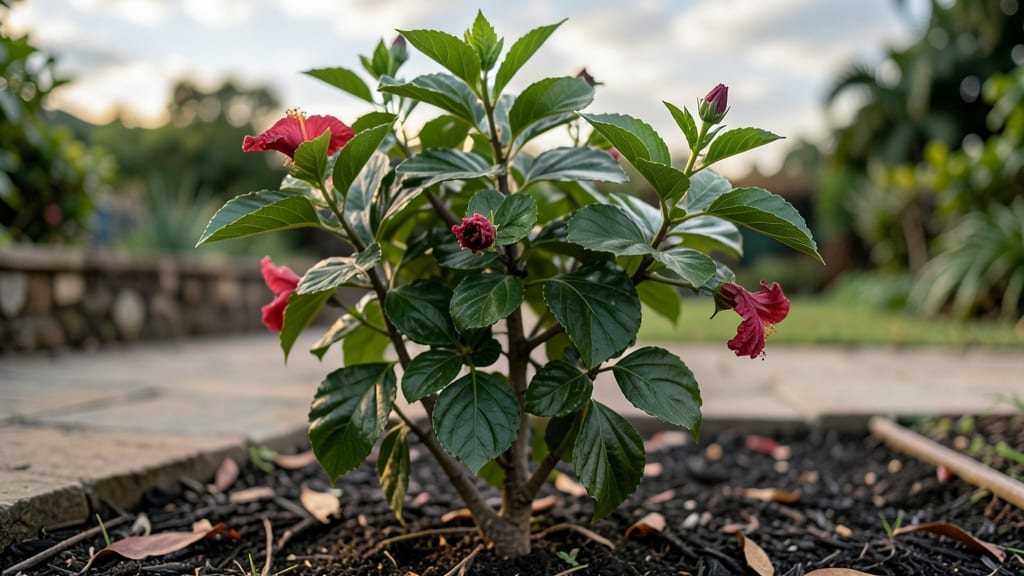
Your hibiscus has stopped flowering—but don’t panic, because this common hiccup is usually fixable with just a few tweaks to light, nutrients, and care. pruning timing. The good news? Fixing one or two of these often brings back blooms within weeks.
Start by checking your plant’s sunlight. Hibiscus need 6+ hours of direct sun daily—if they’re tucked under trees or in shady spots, that’s your first clue. Next, overwatering or underwatering can shock the plant into survival mode, cutting off flower production.
Stick your finger in the soil: if it’s soggy or bone-dry, adjust your watering schedule immediately. Finally, pruning at the wrong time (like mid-summer) signals the plant to focus on new growth instead of blooms.
What you’ll see after making these adjustments is bold new buds forming within 3-4 weeks, with vibrant blooms returning by mid-season. The leaves will darken slightly, stems will firm up, and you’ll notice more energy in the plant’s overall growth.
This isn’t just about fixing the problem—it’s about teaching your hibiscus to thrive again.
For future seasons, keep a simple log of light changes, watering patterns, and pruning dates. Hibiscus are forgiving once you understand their rhythm—just give them consistent care, and they’ll reward you with months of continuous blooms instead of sporadic bursts. Let’s get those flowers back!
📚 In This Guide
- What you need
- Instructions
- Tips and common mistakes
- Wrapping up and next steps
What you need
- ● Pruning shears or sharp bypass pruners – 1 pair (sterilized with rubbing alcohol to prevent disease spread).
- ● Balanced, water-soluble fertilizer – 1 (10-10-10 or 20-20-20 NPK ratio) for feeding hibiscus.
- ○ Slow-release fertilizer granules – 1 bag (10-15 lbs) (optional but ideal for long-term growth).
- ● pH testing kit – 1 digital or liquid test kit (to check soil acidity, ideal pH: 6.0–6.5).
- ● Organic mulch – 2–3 cubic feet (pine bark, coconut coir, or compost for moisture retention).
- ● Watering can or hose with a gentle spray nozzle – 1 (for deep, even hydration).
- ● Gloves – 1 pair (to protect hands from thorns and soil).
- ● Epsom salt (magnesium sulfate) – 1 small bag (1 tbsp per gallon of water for magnesium boosts).
- ● Copper fungicide – 1 bottle (if fungal issues like leaf spot are suspected).
- ● Grow lights or LED bulb – 1–2 (for indoor hibiscus needing 6+ hours of light daily).
- ● Soil moisture meter – 1 (to monitor hydration levels accurately).
- ● Compost or worm castings – 1–2 gallons (for enriching soil naturally).
How to revive flowering in a non-blooming hibiscus
Here's the straightforward approach I use to coax hibiscus back into full bloom—no complicated steps, just targeted adjustments.
Check Light Exposure and Adjust Immediately
Hibiscus plants need 6-8 hours of direct sunlight daily to trigger blooming. If your plant's leaves are pale or stems stretch leggy toward the window, it's not getting enough light. Move it to a south- or west-facing window or supplement with a grow light for 12-14 hours per day. I notice blooms return within 2-3 weeks once light conditions improve.
Watch for yellowing leaves—this is a classic sign of insufficient light. If you're using a grow light, position it 12-18 inches above the plant and raise it as new growth appears. Too close causes leaf burn, too far makes stems stretch.
Prune Strategically to Encourage New Growth
Overgrown hibiscus plants focus energy on leaves instead of flowers. Use clean, sharp pruners to trim back one-third of the oldest stems in early spring. Cut just above a leaf node (the bump where leaves attach) to encourage branching. I always prune after the last frost—new growth needs warm weather to thrive.
Don't skip deadheading spent blooms either. Pinch off flowers as they fade to redirect energy to fresh buds. You'll see new flower buds forming at the tips of stems within 3-4 weeks of pruning. Avoid heavy pruning in fall—this stresses the plant before winter dormancy.
Adjust Watering and Fertilizing for Blooms
Hibiscus need consistent moisture—never let soil dry out completely, but avoid soggy roots. Stick your finger 1 inch deep into the soil; if it feels dry, water thoroughly until it drains from the bottom. Yellowing leaves often mean overwatering, while drooping leaves signal underwatering. Find that middle ground.
Feed your hibiscus with a balanced, water-soluble fertilizer (10-10-10 ratio) every 2-4 weeks during growing season. Too much nitrogen makes lush leaves but no flowers. Switch to a low-nitrogen, high-phosphorus fertilizer (like 5-10-5) when you notice buds forming to boost blooming. Reduce fertilizing in fall and winter—rest is key for spring blooms.
Bonus: Rule Out Common Culprits
Pests like spider mites or aphids can stress hibiscus and halt flowering. Inspect leaves regularly for webbing or sticky residue. Aphids cluster on new growth, while spider mites appear as tiny dots on undersides. Treat infestations with neem oil or insecticidal soap immediately—don't wait for damage to spread.
If your hibiscus is indoors, dry air from heaters can also stunt blooms. Place a humidifier nearby or mist leaves daily during dry months. I notice hibiscus in dry conditions produce fewer blooms and smaller flowers. Aim for 40-50% humidity—a simple hygrometer helps track this.
Tips & tricks for reviving hibiscus blooms
Here's what nobody tells you about bringing your hibiscus back to life—small details that make all the difference.
Light Positioning: The 6-8 hours of direct sunlight in Step 1 should come from the plant's strongest side. Rotate your hibiscus a quarter turn every week so all sides get even light exposure. I've seen plants that get 8 hours of light on one side but still don't bloom because the other sides get neglected. This simple rotation ensures balanced growth and more buds.
Pruning Precision: When trimming back one-third of the oldest stems in Step 2, look for stems that are thicker than a pencil—these are the ones that have outgrown their usefulness. Cut at a 45-degree angle just above a leaf node (the little bump where leaves attach) to maximize new growth. I learned this the hard way after pruning too close to nodes and getting sparse regrowth.
Fertilizer Timing: The switch to low-nitrogen, high-phosphorus fertilizer in Step 3 should happen when you first see tiny buds forming—not after flowers open. Phosphorus helps root development and flower production, but you need to give the plant a phosphorus boost right when it's preparing to bloom. I've noticed buds appear within 10-14 days after making this switch during the growing season.
Humidity Hack: For indoor hibiscus struggling with dry air, place the plant on a tray filled with pebbles and water. The evaporation creates natural humidity around the plant without direct water contact. This works especially well in winter when heaters dry out the air. I've seen hibiscus in dry conditions bounce back with this simple setup—just make sure the water level stays below the pot's bottom.
Pro Tips for Hibiscus Stopped Flowering
- Here's what nobody tells you about bringing your hibiscus back to life—small details that make all the difference.
- Light Positioning: The 6-8 hours of direct sunlight in Step 1 should come from the plant's strongest side.
- Pruning Precision: When trimming back one-third of the oldest stems in Step 2, look for stems that are thicker than a pencil—these are the ones that have outgrown their usefulness.
Frequently asked questions
Got questions about why your hibiscus stopped blooming?
You’re not alone—this is a common issue! Here are answers to the most pressing questions to help you get those vibrant flowers back.
Why did my hibiscus suddenly stop flowering?
Hibiscus often stops flowering due to nutrient imbalances (too much nitrogen), poor lighting, or stress from overwatering/underwatering. It may also be due to seasonal changes or aging plants. Check for yellowing leaves or sparse blooms—these are red flags!
How long does it take for hibiscus to flower again after fixing the issue?
With the right care (balanced fertilizer, proper sunlight, and consistent watering), hibiscus can rebound in 4–8 weeks. If pruned back, expect new growth and flowers in 6–12 weeks. Patience is key—some varieties bloom faster than others!
Can I revive a hibiscus that hasn’t bloomed in months?
Start by adjusting fertilizers (switch to a low-nitrogen, high-phosphorus blend), pruning dead growth, and ensuring it gets 6+ hours of sunlight daily. Stress-free conditions often coax blooms back within a season.
What’s the best fertilizer to encourage hibiscus flowers?
A balanced or phosphorus-heavy fertilizer (like 5-10-10 or 7-9-5) promotes blooms. Avoid high-nitrogen feeds—they encourage leafy growth but stunt flowers. Feed every 4–6 weeks during the growing season (spring–fall).
Should I prune my hibiscus if it’s not flowering?
Yes! Prune dead or leggy branches in early spring to encourage new growth. For tropical hibiscus, cut back by 1/3; for hardy types, trim lightly. Avoid heavy pruning in fall/winter—it stresses the plant and delays blooming.
Wrapping up and next steps
Don’t let a lack of blooms dim your hibiscus’s charm—with the right care, your plant can bounce back stronger than ever! 🌸 Remember, light, nutrients, and pruning are your secret weapons. Start by checking soil moisture, adjusting sunlight, and giving it a nutrient boost (like a balanced fertilizer or compost).
If all else fails, a little patience and consistency go a long way—your hibiscus will thank you with vibrant blooms in no time.
Next step: Pick one fix from this guide and try it this week. Track changes over 2-4 weeks—you’ve got this! 🌱