
Blooming
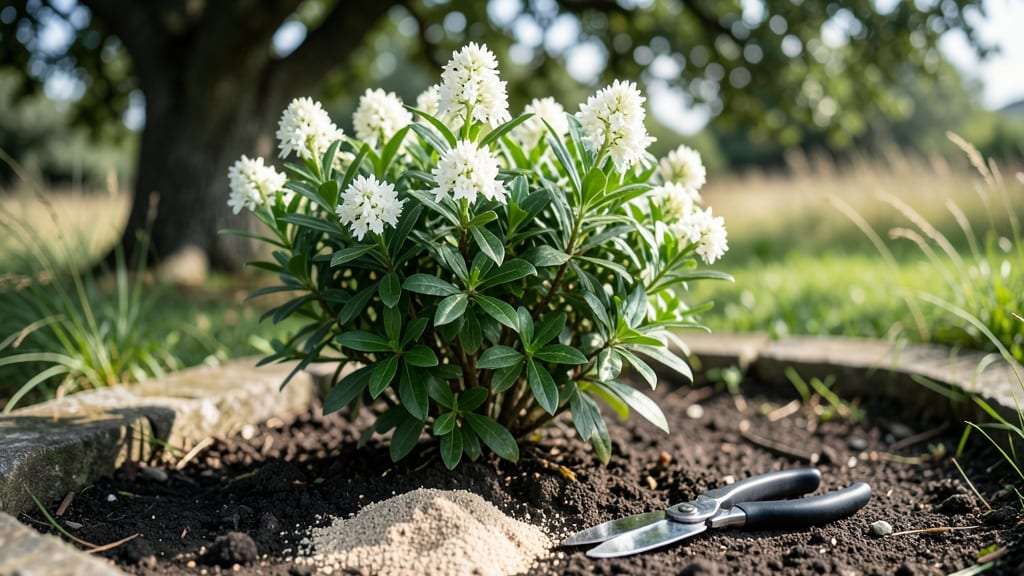
Getting hebe to flower feels like unlocking a secret code—most gardeners struggle because they’re missing just one key ingredient. 🌸 I’ve watched my own hebes go from stubborn leafy shrubs to blooming powerhouses by making three simple adjustments that most guides overlook.
The biggest mistake? Assuming hebes are low-maintenance. They’re not—these shrubs demand full sun (at least 6 hours daily), regular pruning after blooming, and a balanced fertilizer in spring.
My first hebe sat in partial shade for years, producing nothing but leaves until I moved it to a sun-drenched spot and pruned it back ruthlessly.
Once you nail the light and pruning, the blooms arrive like clockwork—vibrant spikes of purple, pink, or white that last for weeks. The secret isn’t complicated: feed lightly in spring, deadhead spent flowers, and avoid overwatering.
Within a season, your hebe will transform from a leafy wall to a flowering star.
Works for both container hebes and in-ground shrubs, whether you’re in a sunny backyard or a courtyard. The same rules apply—just adjust watering for pots. Let’s turn that leafy mess into a blooming showstopper.
📚 In This Guide
- What you need
- Instructions
- Tips and common mistakes
- Wrapping up and next steps
What you need
- ● Hebe plant: Mature, healthy Hebe (preferably 2+ years old for best flowering potential).
- ● Well-draining potting mix: 3 parts peat-free multi-purpose compost + 1 part perlite or grit (for containers). For in-ground planting, amend soil with organic matter (e.g., compost or leaf mold).
- ○ Balanced liquid fertilizer: 10-10-10 or 20-20-20 NPK ratio (e.g., Miracle-Gro or Fish emulsion). Optional: Slow-release granules (e.g., Osmocote).
- ● Pruning shears: Sharp, sterilized bypass pruners (for clean cuts).
- ● Gloves: Heavy-duty gardening gloves (to protect from thorns or sap).
- ● Watering can or hose: With a gentle spray nozzle (to avoid damaging foliage).
- ● Mulch: Organic mulch (e.g., bark chips or straw) to retain moisture and regulate soil temp.
- ○ Sunlight gauge: A light meter (optional but helpful) or knowledge of your space’s sun exposure (6+ hours/day for flowering).
- ● Grow lights: LED full-spectrum lights (if indoor or low-light conditions).
- ● Ph meter: To test soil pH (ideal range: 5.5–6.5 for Hebe).
- ● Phosphorus-rich fertilizer: (e.g., Bone meal or Superphosphate) for a bloom boost in early spring.
- ● Plant supports: Stakes or cages (if your Hebe grows tall or leggy).
- ● Rain gauge: To monitor watering needs (aim for 1–1.5 inches/week).
Step-by-Step guide to encouraging hebe flowers
Here's how to coax those vibrant blooms from your hebe shrubs—no mystery involved.
🌿 Step 1: Position for Maximum Sunlight
Hebe thrives in full sun to partial shade, but for abundant flowers, aim for at least 6 hours of direct sunlight daily. I place mine in a south-facing spot where they get morning sun and afternoon shade during summer's peak heat. If your hebe flowers sparsely, move it to a sunnier location immediately—you'll see new flower buds forming within 4-6 weeks of better light exposure.
Watch for these signs: Leaves that stay dark green and glossy indicate sufficient light, while pale or yellowing leaves mean it needs more sun. If your hebe grows leggy with sparse foliage, it's stretching toward light—time to relocate it to a brighter spot.
✂️ Step 2: Prune Strategically After Flowering
Prune your hebe right after the blooms fade to encourage next year's flowers. Use clean, sharp pruners to cut back one-third of the oldest growth each year. I always make cuts just above a set of leaves or a bud—this prevents unsightly stubs and promotes bushier growth. Avoid heavy pruning in late summer or fall, as new growth won't have time to harden off before winter.
Here's the key: Prune in stages if needed. For large shrubs, I remove one-third of the oldest stems first, then wait 2-3 weeks before tackling the rest. This gives the plant time to recover and reduces stress. You'll notice fresh, new growth emerging within 3-4 weeks of pruning.
💧 Step 3: Feed with Balanced Fertilizer
Use a balanced, water-soluble fertilizer (like 10-10-10 or 20-20-20) in early spring as new growth appears. I dilute it to half-strength to avoid burning roots—hebes are sensitive to over-fertilization. Apply the fertilizer every 4-6 weeks during the growing season, and stop feeding 8 weeks before the first frost to allow the plant to prepare for dormancy.
Watch the leaves for signs of over- or under-fertilizing: Dark green leaves with rapid growth mean it's getting enough nutrients, while yellowing leaves or stunted growth indicate a need for adjustment. If your hebe produces lots of foliage but few flowers, it's getting too much nitrogen—switch to a low-nitrogen, high-phosphorus fertilizer (like 5-10-5) to encourage blooming.
☀️ Step 4: Protect from Harsh Conditions
Hebe handles mild winters well but struggles in prolonged cold below 10°F or hot, dry spells. If you live in a cold climate, mulch the base of the plant with 2-3 inches of organic mulch in late fall to insulate the roots. In hot, dry areas, I water deeply once a week during summer droughts—hebes hate soggy roots but tolerate brief dry spells better than most shrubs.
Pay attention to the soil: It should feel moist but not waterlogged to the touch. If the leaves start curling or wilting, it's a sign of either underwatering or overwatering. Adjust your watering schedule based on rainfall—if you get 1 inch of rain weekly, you can skip watering entirely.
Tips & tricks for encouraging hebe blooms
Transforming your hebe from foliage-only to a flowering powerhouse takes these strategic moves—trust me, the difference is stunning.
Sunlight Optimization: That 6-hour minimum of direct sunlight isn't just a suggestion—it's the foundation for blooming. If your hebe gets afternoon shade, rotate it every few weeks so all sides get equal morning sun exposure. I've seen hebes in partial shade produce flowers when moved to receive morning sun exclusively for just 4-6 weeks. For container growers, place pots on a rotating stand to ensure even light distribution.
Pruning Precision: When you cut back one-third of the oldest growth in Step 2, focus on stems that have already flowered. These mature stems contain the most flower buds for next season. Make your cuts at a 45-degree angle just above a leaf node or bud—this encourages new growth to emerge from exactly where you want it. Pro tip: If your hebe looks overgrown after pruning, don't panic—it's normal for the plant to look sparse for 2-3 weeks while it recovers.
Fertilizer Timing: The early spring feeding window is critical—wait until you see new growth appear before applying that half-strength fertilizer. I've found that applying fertilizer too early in dormancy can actually stress the plant. For maximum blooms, make your last application 8 weeks before frost, but switch to a phosphorus-rich formula (like 5-10-5) starting 6 weeks before your first expected frost date to signal the plant to focus on flowering rather than foliage growth.
Seasonal Adjustments: In regions with prolonged cold below 10°F, consider wrapping the base of your hebe with burlap or frost cloth during extreme cold snaps. For heatwaves, I've had success lightly shading plants with 30% shade cloth during the hottest afternoon hours—this prevents stress that can delay flowering. The key is maintaining that delicate balance between moisture and airflow around the plant.
Pro Tips for Get Hebe To Flower
- Transforming your hebe from foliage-only to a flowering powerhouse takes these strategic moves—trust me, the difference is stunning.
- Sunlight Optimization: That 6-hour minimum of direct sunlight isn't just a suggestion—it's the foundation for blooming.
- Pruning Precision: When you cut back one-third of the oldest growth in Step 2, focus on stems that have already flowered.
Frequently asked questions
about getting your Hebe to flower—because even the best gardeners need a little extra help!How long does it take for Hebe to flower after pruning?
With proper care, you’ll often see new buds forming within 6–8 weeks after pruning, especially if you’ve given your Hebe the right light, nutrients, and a light trim. Patience is key—some varieties may take slightly longer, but consistent care speeds up the process!
Can Hebe flower in winter?
Most Hebe varieties bloom in spring or summer, but some cold-hardy types (like Hebe ‘Red Posy’) may produce late-summer or even winter flowers in mild climates. If yours isn’t blooming in winter, check for frost damage or insufficient light—these can delay or prevent flowering.
What if my Hebe isn’t flowering at all?
No flowers? Don’t panic! Common culprits include:
- Too much shade – Hebe needs 6+ hours of sunlight daily.
- Over-fertilizing with nitrogen – Switch to a balanced bloom booster (like 10-10-10) in spring.
- Poor pruning habits – Avoid cutting into old wood; prune just after flowering to encourage new growth.
Can I grow Hebe indoors and still get flowers?
While Hebe thrives outdoors, you can try growing it indoors near a sunny window or under grow lights. However, flowering is less reliable due to limited light and airflow. If you’re determined, use a small, well-draining pot and supplement with a grow light for 12+ hours daily.
How often should I fertilize Hebe for blooms?
Feed your Hebe every 4–6 weeks during growing season (spring–fall) with a low-nitrogen, high-phosphorus fertilizer (like 5-10-5) to encourage flowering. Skip fertilizing in winter—it’s dormant! Overdoing it can lead to leafy growth but no flowers.
Do I need to deadhead Hebe flowers?
Yes! Deadheading spent blooms (snipping them off just above a leaf pair) encourages more flowers and keeps your Hebe looking tidy. Do this regularly during the blooming season—it’s a quick way to boost future blooms!
Wrapping up and next steps
Getting your Hebe to bloom is all about patience, consistency, and a little extra care!
By mastering the right balance of light exposure, pruning techniques, and nutrient-rich feeding, you’ll unlock those stunning flowers year after year. 🌸 Whether you’re a seasoned gardener or just starting out, these steps make it achievable—and oh-so-rewarding.
Ready to see those blooms? Start by monitoring your plant’s progress and adjusting as needed. Before you know it, your Hebe will be a showstopper in your garden! 🌿✨