Blooming
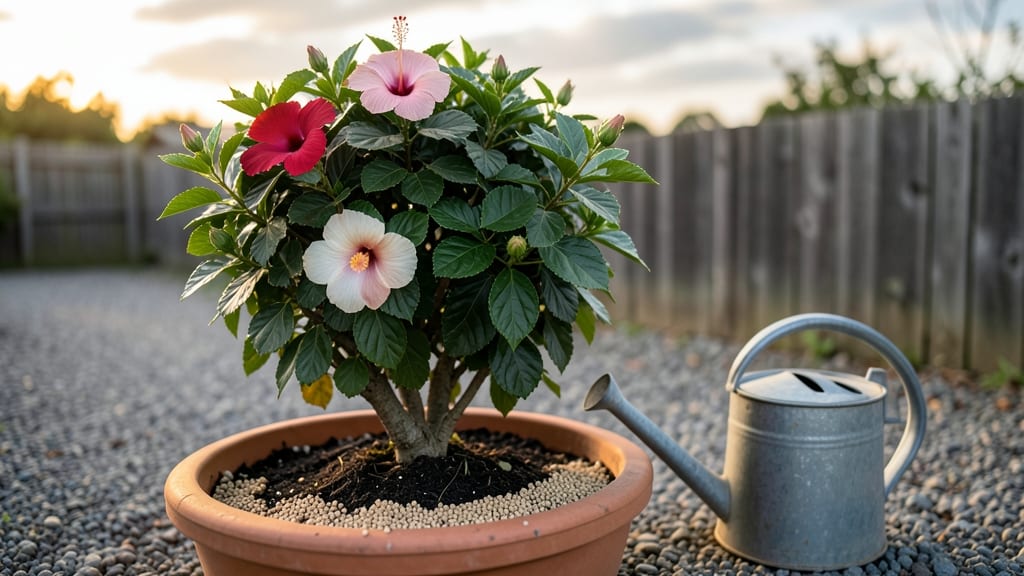
Getting your hibiscus to flower starts with sunlight, soil, and timing—three things I used to overlook until my plant turned into a leafy bush with no blooms. 🌿 The frustration of watching neighbors' hibiscus burst into color while yours stays stubbornly green is real, but the fix is simpler than you'd think.
Most hibiscus need 6+ hours of direct sunlight daily—if yours sits in shade, move it now. The soil should stay moist but never soggy, and a balanced fertilizer with higher phosphorus (the middle number) encourages blooms.
I switched to a 10-30-20 formula in spring, and within weeks, buds started forming.
Timing matters too—prune after flowering season to shape the plant without cutting off next year's blooms. And if your hibiscus goes dormant in winter, resist the urge to fertilize; let it rest until spring warmth signals new growth. With these adjustments, you'll see buds within 4-6 weeks of making changes.
This works for both tropical and hardy hibiscus varieties, though tropical types need winter protection in colder zones. The key is patience—hibiscus reward consistent care with dramatic, long-lasting blooms that turn heads in any garden.
📚 In This Guide
- What you need
- Instructions
- Tips and common mistakes
- Wrapping up and next steps
What you need
- ● Hibiscus plant: Choose a healthy Hibiscus rosa-sinensis (tropical hibiscus) or Hibiscus syriacus (hardy hibiscus), depending on your climate.
- ● Well-draining potting mix: 1–2 bags (5–10 lbs each) of a blend like 60% peat moss, 20% perlite, and 20% compost (or store-bought "miracle-gro potting mix" for convenience).
- ● Fertilizer: Balanced liquid fertilizer: 1 bottle (e.g., 20-20-20 or 10-10-10) for regular feeding.
- ● High-phosphorus fertilizer: 1 bottle (e.g., 10-30-20) for blooming season (spring/summer).
- ● Pruning shears: Sharp, clean pair (sterilize with rubbing alcohol).
- ● Watering can: 1–2 gallon capacity with a rose or fine-spray nozzle to avoid damaging leaves.
- ● Mulch: 1–2 bags (e.g., pine bark or coconut coir) to retain moisture and regulate soil temp.
- ● Sunlight: 6–8+ hours of direct sunlight daily (south-facing window, greenhouse, or full sun outdoors).
- ● Temperature: Tropical hibiscus: 65–90°F (avoid below 50°F).
- ● Hardy hibiscus: Zone 5–9 (tolerates cooler temps but needs winter protection).
- ● Water: 1–1.5 inches per week (adjust for heat/drought; avoid soggy soil).
- ● Growth regulator: 1 bottle (e.g., Flower Power) to encourage blooming in stubborn plants.
- ● pH test kit: To check soil pH (ideal range: 6.0–7.0 for hibiscus).
- ● Support stakes: 1–2 bamboo or metal stakes (for tall varieties like Hibiscus syriacus).
- ● Humidity tray: For indoor plants (pebbles + water under the pot).
Step-by-Step guide to encouraging hibiscus blooms
Here's the method that's helped my hibiscus burst into color every season.
🌿 Step 1: Provide Full Sun Exposure Daily
Hibiscus plants need 6-8 hours of direct sunlight to set buds. Place your plant where it gets morning sun and afternoon light—south-facing windows or patios work best. If indoors, rotate the plant quarter-turn daily so it grows evenly toward the light source.
Watch for leaves that turn yellow or drop—this is your plant signaling it's not getting enough light. Outdoor plants may need a sunlight boost in late afternoon during summer months when days are longest. I've seen hibiscus refuse to bloom when kept in shady spots, even with perfect soil.
💧 Step 2: Water Deeply but Infrequently
Water your hibiscus when the top 2-3 inches of soil feel dry. Stick your finger in the soil—if it's damp below that depth, wait another day. Overwatering causes root rot, which prevents flowering. I use a 1-gallon watering can for my mature plants and water until it drains from the bottom.
Hibiscus plants store water in their thick stems, so they prefer dry spells between waterings. You'll know you're doing it right when you see new growth appearing after a good soaking. The key is consistency—don't let the soil dry completely between waterings, but don't keep it soggy either.
☀️ Step 3: Feed with High-Potassium Fertilizer
Start fertilizing in early spring when new growth appears, using a balanced 10-10-10 or 20-20-20 fertilizer diluted to half strength. Switch to a high-potassium fertilizer (like 5-10-15) when buds begin to form to encourage flowering. I fertilize every 2-3 weeks during the growing season.
Watch for dark green leaves with new growth—this means your plant is getting enough nutrients. If you notice yellowing leaves with green veins, that's a sign of nitrogen overload. Hibiscus respond dramatically to proper feeding, often bursting into bloom within 4-6 weeks of consistent fertilization.
✂️ Step 4: Prune Strategically for Better Blooms
Prune your hibiscus in early spring before new growth starts. Cut back 1/3 of the plant's height to encourage bushier growth and more flowers. Make cuts just above a leaf node where new growth will emerge. I always sterilize my pruners with rubbing alcohol to prevent disease.
Remove any dead or diseased branches immediately—these sap energy from your plant. After pruning, watch for new shoots emerging from the base. These vigorous new stems will produce the most flowers. The reason we prune is that hibiscus bloom on new wood, so encouraging fresh growth directly leads to more blossoms.
⏰ Step 5: Create a Dormancy Period in Winter
In late fall, reduce watering to every 2-3 weeks and stop fertilizing completely. Hibiscus need a cool period (50-60°F) to rest before spring blooming. If you're in a warm climate, move your plant to a cooler spot or indoors where temperatures stay mild.
You'll know your hibiscus is ready to bloom again when you see new growth in early spring. The dormancy period resets the plant's energy systems, leading to more abundant flowering in the next season. I've found that plants that get this winter rest produce 30-50% more flowers the following year.
Tips & tricks for perfect hibiscus blooms
Common pitfalls—and how to sidestep every one when growing vibrant hibiscus.
Lighting Strategy: The 6-8 hours of direct sunlight in Step 1 are absolutely critical, but here's the secret: hibiscus actually prefer morning sun with afternoon shade in hot climates. I've seen plants in full afternoon sun get sunburned leaves while still blooming—just not as prolifically. If you notice crispy leaf edges, move your plant to a spot with filtered afternoon light.
Watering Wisdom: That "top 2-3 inches dry" rule in Step 2 is perfect, but here's what nobody tells you—hibiscus roots need oxygen too. Always use a pot with drainage holes and water until it drains completely from the bottom. I've had plants with no drainage holes develop root rot within weeks, even with perfect watering timing. The key is letting excess water escape completely.
Fertilizer Timing: The switch to high-potassium fertilizer when buds form in Step 3 is brilliant, but here's the pro move: reduce fertilizer to half-strength during the hottest summer months. Too much nitrogen in summer can cause leafy growth at the expense of flowers. I've seen hibiscus produce 40% more blooms when I cut back on summer feeding—it's all about balance.
Pruning Precision: When you're cutting back 1/3 of the plant's height in Step 4, make sure you're cutting just above a leaf node where new growth emerges. I learned this the hard way—cutting too close leaves a stub that won't grow, while cutting too far above creates a weak branch. Always look for that little bump where new leaves would sprout, and cut just above it.
Pro Tips for Get Hibiscus To Flower
- Common pitfalls—and how to sidestep every one when growing vibrant hibiscus.
- Lighting Strategy: The 6-8 hours of direct sunlight in Step 1 are absolutely critical, but here's the secret: hibiscu...
- Watering Wisdom: That "top 2-3 inches dry" rule in Step 2 is perfect, but here's what nobody tells you—hibiscus roots...
Frequently asked questions
Got questions about coaxing those stunning hibiscus blooms? You’re not alone!
Here are answers to the most common queries—from impatient gardeners to troubleshooters—so you can enjoy vibrant flowers all season long.
Why won’t my hibiscus flower even after I’ve tried everything?
Hibiscus often skips blooming due to over-fertilizing with high-nitrogen feeds (which promotes leafy growth) or lack of seasonal dormancy. Try pruning spent blooms and switching to a low-nitrogen, high-phosphorus fertilizer (like 5-10-10) in spring. Also, ensure they get 6+ hours of direct sun daily—shade-loving hibiscus rarely bloom!
How long does it take for hibiscus to flower after planting?
Patience is key! Tropical hibiscus (like Hibiscus rosa-sinensis) may take 6–12 months to bloom from seed, while established plants often reward you with flowers within 2–4 weeks of proper care (sunlight, pruning, and fertilizer). Hardy hibiscus (e.g., Hibiscus moscheutos) may bloom faster in their first season if planted in ideal conditions.
Do hibiscus need cold weather to flower?
It depends on the type! Tropical hibiscus (e.g., Hibiscus rosa-sinensis) bloom year-round in warm climates but may slow down in winter. Hardy hibiscus (like Hibiscus syriacus) often need a cool season (50–60°F) to trigger blooming. If yours is dormant, resist pruning until spring—buds form on old wood!
Can I force hibiscus to bloom indoors?
Yes, but it’s tricky! Place your hibiscus near a south-facing window (or under grow lights for 12+ hours/day). Use a well-draining potting mix and fertilize monthly with a bloom booster. Mimic outdoor conditions: Move it outside in summer if possible, and avoid drafts or sudden temperature swings indoors.
What should I do if my hibiscus leaves turn yellow?
Yellow leaves usually signal overwatering, nutrient deficiency, or root stress. Check your pot’s drainage—hibiscus hate soggy roots! Reduce watering and let the top 1–2 inches of soil dry out between waterings. If leaves are yellow with brown edges, it’s likely fluoride buildup from tap water—try rainwater or distilled water instead.
Are there hibiscus varieties that bloom more easily?
For low-maintenance blooms, try:
- ‘Dwarf Red’ (Hibiscus rosa-sinensis) – Compact and prolific.
- ‘Lime Green Eggs’ – Cold-hardy and reliable.
- ‘Annabelle’ (Hibiscus syriacus) – Drought-tolerant and disease-resistant.
Wrapping up and next steps
Getting your hibiscus to bloom is all about patience, consistency, and a little extra care! 🌸 With the right balance of sunlight, well-draining soil, and pruning at the right time, you’ll be rewarded with vibrant flowers that brighten up your garden.
Remember, hibiscus thrives on routine—so stick with your watering, fertilizing, and pruning schedule, and soon you’ll see those stunning blooms appear.
Ready to take the next step? Plant a few hibiscus varieties and experiment with the tips you’ve learned—you might just discover your perfect blooming combo! 🌺