
Propagation
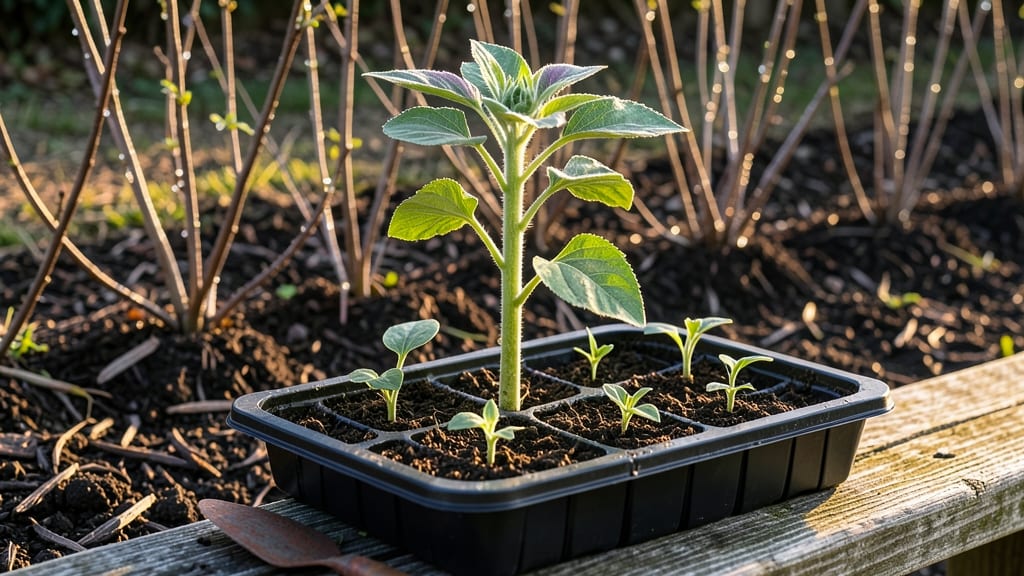
Growing sunflowers from seedlings means those 10-foot giants will greet you by midsummer—if you nail the transplanting. I’ve watched my seedlings stretch into towering stalks in just 90 days, and the secret starts with how you handle that first move from tray to soil.
The difference between a thriving plant and a wilted disappointment often comes down to timing, soil prep, and a little extra care during those first critical weeks.
Here’s the thing—sunflowers are tough, but they’re not forgiving when it comes to transplant shock. You’ll need a sunny spot with well-draining soil, a sturdy stake for support, and a watering routine that keeps the roots happy without drowning them. The good news?
Once they’re in the ground, they’re low-maintenance, but those first few days are where you set the stage for vibrant green leaves and a sky-reaching bloom. I’ve even grown them in containers—just make sure the pot is at least 12 inches deep for those big varieties.
By late summer, you’ll be snapping photos of sunflowers that put your neighbors’ to shame. The blooms attract pollinators, the seeds feed birds, and the sheer joy of watching them grow is unbeatable.
The key is patience—those first few weeks after transplanting are the hardest, but once they take root, they’ll grow like crazy. Stick with me, and I’ll show you exactly how to avoid the pitfalls that trip up even experienced gardeners.
Whether you’re working with a backyard plot or a balcony container, the principles are the same. Sunflowers are one of the most forgiving plants you can grow, but a little know-how makes all the difference. Let’s get those seedlings planted right so you can enjoy the payoff come harvest season.
📚 In This Guide
- What you need
- Instructions
- Tips and common mistakes
- Wrapping up and next steps
What you need
- ● Sunflower seeds: Choose fast-maturing varieties like Mammoth or Autumn Beauty (10–20 seeds per plant, depending on desired spacing).
- ● Seed-starting mix: 1–2 gallons of sterile, well-draining potting soil (avoid garden soil—it can harbor diseases!).
- ● Seedling trays or pots: Biodegradable peat pots (2–3 inches deep) or small plastic cell trays (50+ cells).
- ● Grow lights or sunny windowsill: A full-spectrum LED grow light (12–16 hours/day) or a south-facing window with 6+ hours of sunlight.
- ● Spray bottle: For gentle watering (avoid over-saturating seeds).
- ● Plant labels: Small stakes or markers to track varieties and planting dates.
- ● Trowel or transplanting tool: For carefully moving seedlings outdoors.
- ○ Fertilizer (optional): Balanced liquid fertilizer (10-10-10) or compost tea to boost early growth.
- ○ Heat mat (optional): For faster germination (70–75°F is ideal).
- ○ Mulch (optional): Straw or shredded leaves to retain moisture in the garden.
- ○ Glove (optional): To protect hands from prickly sunflower stems later!
Step-by-step instructions for transplanting sunflower seedlings
Here's how to get your sunflower seedlings thriving in the ground with minimal stress.
🌱 Step 1: Prepare the Planting Site for Sunflowers
Sunflowers need full sun and room to grow, so choose a spot that gets at least 6-8 hours of direct sunlight daily. Clear the area of weeds and loosen the soil to a depth of 12-15 inches—sunflowers have deep roots and need good drainage. I like to work in a handful of compost or the 5-10-10 fertilizer into the top 6 inches of soil to give them a nutrient boost right away.
If your soil feels heavy or compacted, mix in 2-3 inches of coarse sand or perlite to improve drainage. Sunflowers hate soggy roots, so this step prevents future issues. Test the soil moisture by squeezing a handful—it should crumble easily when dry but hold together when damp. If it sticks like clay, you’ll need to amend it further.
🌿 Step 2: Harden Off Seedlings Before Transplanting
Before moving seedlings outdoors, harden them off over 5-7 days to avoid shock. Start by placing them in a shaded spot outside for 1-2 hours the first day, gradually increasing exposure. You’ll notice the leaves perk up and turn a deeper green as they adjust to outdoor conditions.
By day 5, let them spend the full day outside, even if it’s cloudy. Watch for wilting—if leaves droop, they’re not ready yet. Once seedlings handle full sun without wilting, they’re ready for the ground. This step is critical; skipping it can lead to stunted growth or even death.
🪴 Step 3: Transplant Seedlings at the Right Depth
Dig holes twice as wide as the root ball but only as deep as the container held the seedling. Gently remove the seedling, keeping the root ball intact—sunflowers resent root disturbance. Place it in the hole, then backfill with soil, pressing lightly to eliminate air pockets. Water deeply right after planting to settle the soil around the roots.
Space seedlings 18-24 inches apart for medium varieties and 2-3 feet apart for giant sunflowers. Crowding leads to weak stems and competition for nutrients. After watering, check the soil surface—it should feel moist but not muddy. If it’s too wet, the roots may suffocate.
☀️ Step 4: Provide Support and Monitor Growth
Sunflowers grow tall quickly, so stake tall varieties (over 5 feet) with 6-foot bamboo stakes or use a cage support to prevent toppling. Tie stems loosely with soft cloth or plant ties every 12 inches as they grow. Avoid tight bindings—sunflower stems thicken rapidly and can snap if restricted.
Water at the base once a week, providing 1-2 gallons per plant during dry spells. You’ll see rapid growth once the first true leaves appear—this is when they start photosynthesizing efficiently. Mulch around the base with 2-3 inches of straw or grass clippings to retain moisture and suppress weeds.
Tips & tricks for perfect sunflower seedling transplanting
These simple strategies will help your sunflowers grow strong and healthy from the moment they hit the ground.
Site Selection Tip: While the instructions mention 6-8 hours of sunlight, I recommend choosing a spot that gets even more—8-10 hours if possible. Sunflowers are sun worshippers, and extra sunlight means more energy for growth. Also, avoid planting near trees or large shrubs, as they'll compete for sunlight and nutrients.
Soil Prep Secret: When loosening the soil to 12-15 inches, I like to add a handful of coarse sand or perlite not just for drainage, but also to improve aeration. This helps the deep roots establish quickly. For heavy clay soils, consider adding a bit more—up to 3-4 inches of sand—to really break up that compacted texture.
Harden Off Gradually: The 5-7 day hardening process is crucial, but I've found that starting with just 1 hour of shade on day one actually gives seedlings time to adjust without stress. By day three, you can move them to partial sun for 3-4 hours, then full sun by day five. Watching for wilting is key—if leaves droop, they're not ready for more sun yet.
Transplanting Technique: When removing seedlings from containers, I gently squeeze the sides to loosen the root ball before lifting. This helps preserve those delicate roots. After planting, I always water deeply right away, then let the soil settle for 10 minutes before adding more water. This prevents soil erosion and helps roots establish contact with the surrounding earth.
Pro Tips for Grow Sunflowers From Seedlings
- These simple strategies will help your sunflowers grow strong and healthy from the moment they hit the ground.
- Site Selection Tip: While the instructions mention 6-8 hours of sunlight, I recommend choosing a spot that gets even more—8-10 hours if possible.
- Soil Prep Secret: When loosening the soil to 12-15 inches, I like to add a handful of coarse sand or perlite not just for drainage, but also to improve aeration.
Frequently asked questions
Got questions about growing sunflowers from seedlings? You’re not alone—here are some of the most common concerns, answered in a flash!
How long does it take for sunflower seedlings to sprout?
Sunflower seeds typically sprout in 7–14 days after planting, depending on soil warmth and moisture. Keep the soil consistently moist (but not soggy) and place the tray in a warm spot (70–75°F) to speed up germination. Patience pays off—just imagine those golden blooms emerging!
When should I transplant sunflower seedlings outdoors?
Wait until after the last frost and soil temps are above 50°F (usually late spring). Seedlings should have 2–4 true leaves and be at least 3–4 inches tall. Harden them off for 5–7 days first—gradually expose them to outdoor conditions to avoid shock.
What do I do if my sunflower seedlings look leggy or weak?
Leggy seedlings mean they’re reaching for light! Move them closer to a bright window or grow light (12–16 hours/day). If they’re already planted, thin them to 12–18 inches apart to reduce competition. A balanced fertilizer (like 10-10-10) can also give them a boost.
Can I grow sunflowers from seedlings in containers?
Choose a large container (at least 12–18 inches deep) with drainage holes. Dwarf varieties (like ‘Teddy Bear’) thrive in pots, while giant types need 5+ gallons of space. Use well-draining potting mix and place the container in full sun. Just be ready to stake or cage tall varieties as they grow!
Why aren’t my sunflowers blooming?
Sunflowers need full sun (6+ hours daily) and consistent watering (1–2 inches per week). If they’re not blooming, check for:
- Overcrowding—thin seedlings to 12–24 inches apart.
- Nutrient deficiencies—add compost or a phosphorus-rich fertilizer.
- Pests/disease—inspect for aphids or fungal spots.
Wrapping up and next steps
Growing sunflowers from seedlings is a rewarding journey that brings vibrant blooms and a sense of accomplishment—and you’ve got all the tools to succeed! 🌻 With the right soil, spacing, and care, you’ll watch those towering stalks reach their full potential in just 90 days.
Now that you’re equipped with tips and troubleshooting advice, it’s time to plant those seedlings and enjoy the process—whether for beauty, wildlife, or even delicious seeds!
Next step? Grab your gloves, head to the garden, and let nature do its magic. Happy growing! 🌱