
Shrubs
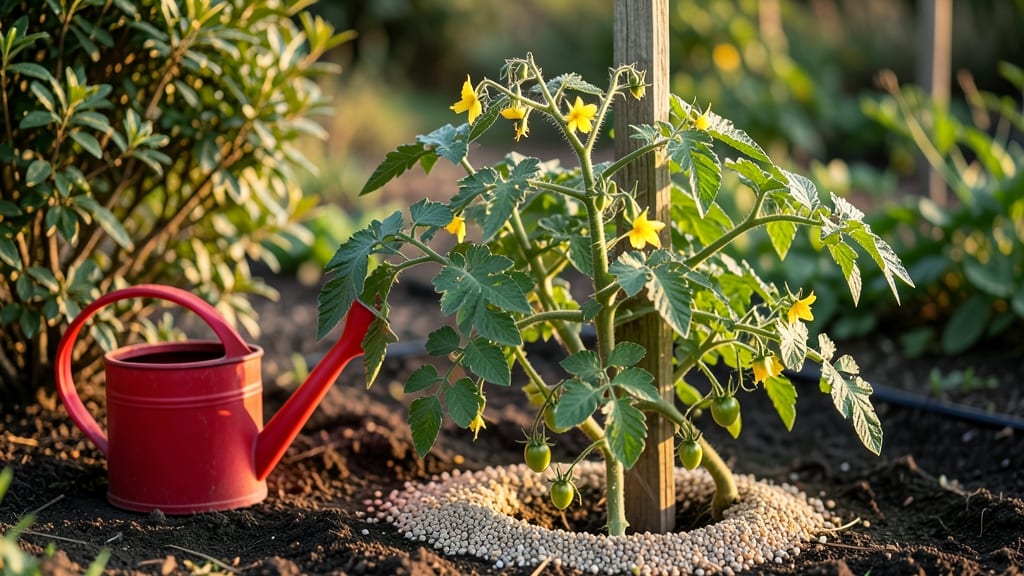
Increasing flowering in tomatoes starts with sunlight, and I’ve learned the hard way that skimp on light, and you’ll get leaves instead of fruit. 🌞 My first attempt with a shady patio ended with a bushy plant and zero tomatoes—until I moved it to full sun.
The secret isn’t just more light, but the right kind: 6-8 hours of direct sunlight daily, with afternoon shade in scorching climates to prevent stress.
Pruning and feeding work hand-in-hand to boost flowers. I prune suckers (those little shoots between stems) weekly to redirect energy upward, and I’ve found that a balanced fertilizer—like 10-10-10 or compost tea—keeps blooms coming. Over-fertilizing with nitrogen?
That’s a one-way ticket to leafy monsters with no flowers. The trick is a light feeding every 2-3 weeks once flowers appear, paired with consistent watering at the base (never the leaves).
You’ll know it’s working when your plant throws out clusters of tiny yellow blossoms instead of just a few stragglers. The flowers will turn into fruit within weeks, and your harvest will outpace anything you’ve grown before.
Even indoor growers can replicate this with LED lights and careful pruning—just mimic the outdoor conditions as closely as possible.
For outdoor plants, watch the weather: temperatures above 85°F can cause blossom drop, while humidity below 40% stresses the plant. A simple shade cloth or morning watering can make all the difference.
Indoor growers, keep humidity up with a pebble tray and avoid drafts. Small tweaks here lead to big rewards in the fruit bowl.
📚 In This Guide
- What you need
- Instructions
- Tips and common mistakes
- Wrapping up and next steps
What you need
- ● Tomato plants – Choose determinate (bush) or indeterminate (vining) varieties (e.g., 'Better Boy,' 'Sweet 100,' or 'Roma').
- ● High-quality potting mix – 5–10 gallons (for containers) or enrich garden soil with compost (1–2 cubic feet per plant).
- ● Balanced fertilizer (10-10-10 or 5-5-5) – 1–2 tbsp per plant at transplanting.
- ● Bloom-boosting fertilizer – Phosphorus-rich (e.g., 5-10-10 or tomato-specific bloom fertilizer).
- ● Pruning shears – Bypass-style (sharp, clean cuts to avoid disease).
- ○ Grow lights (optional) – LED full-spectrum (12–16 hrs/day) for indoor plants.
- ● Stakes or cages – 5–6 ft tall for indeterminate varieties.
- ● Watering can or hose with gentle nozzle – Avoid wetting leaves to prevent blight.
- ● pH test kit – Ideal soil pH: 6.0–6.8.
- ● Sunlight – 6–8+ hours of direct sun daily (south-facing windows or greenhouse for indoor setups).
- ● Temperature – 70–85°F (21–29°C) (cooler nights <60°F/15°C can delay flowering).
- ● Water consistency – 1–1.5 inches per week (deep watering 2x/week; adjust for containers).
- ● Epsom salt (magnesium sulfate) – 1 tbsp per gallon of water (spray foliage weekly for calcium/magnesium boost).
- ● Fish emulsion or compost tea – Organic nutrient top-up (follow label rates).
- ● Shade cloth (30–50%) – For hot climates (>90°F/32°C) to prevent stress.
- ● Humidity tray – For indoor plants (pebbles + water under pots).
Step-by-Step guide for boosting tomato flowers
Here's how I've helped struggling tomato plants transform into prolific bloomers—no fancy tricks, just smart care.
☀️ Step 1: Maximize Sunlight Exposure
Tomatoes need 6-8 hours of direct sunlight daily to trigger flowering. If your plants aren't blooming, check their position first. Move them to a sunnier spot immediately—even a few extra inches closer to a south-facing window makes a difference. I've seen plants that produced zero flowers suddenly burst into blossoms after just 24 hours of better light.
Morning sun is ideal because it warms the plants gradually. Avoid placing them in harsh afternoon sun without acclimation, or you'll scorch the leaves. Watch for leaves that cup upward or develop brown edges—they're begging for more shade during peak heat. A simple solution is to use shade cloth (30-50%) on hot afternoons if your area gets intense midday sun.
💧 Step 2: Master Watering for Flower Production
Consistent moisture is critical—fluctuations stress plants and delay blooming. Water deeply once every 2-3 days until the top 2-3 inches of soil feel damp (not soggy). I use a moisture meter to check because visual cues can trick you. When soil is too dry, plants focus energy on survival rather than producing flowers.
Here's the thing—water at the base, never overhead. Wet leaves invite fungal diseases that weaken plants and reduce flowering. I water in the morning so any moisture on leaves dries quickly. If you notice leaves curling or wilting slightly during the day, that's normal—it means the roots are actively drawing up water. But if leaves stay crispy or yellow, you're either underwatering or overwatering.
✂️ Step 3: Prune Strategically to Encourage Blooms
Pruning isn't about making plants look neat—it's about directing energy to flower production. Remove any suckers (the small shoots that grow between the main stem and branches) when they're 2-3 inches long. These compete with flowers for resources. I pinch them off with my fingers rather than cutting to avoid damaging the main stem.
Also trim any leaves that shade the fruit clusters. You want sunlight to reach the blossoms directly. Remove leaves below the first flower cluster to improve air circulation and reduce disease risk. Just don't overdo it—keep at least 18-24 inches of foliage above the top fruit cluster to maintain plant health. You'll see new flower trusses form within 1-2 weeks of proper pruning.
🌿 Step 4: Feed with the Right Nutrients
Flowering requires phosphorus, which you'll find in a balanced 10-10-10 or 5-10-10 fertilizer. I switch to a phosphorus-heavy formula (like 3-9-6) when plants start flowering. Apply it every 2-3 weeks during the blooming season, following package rates. Too much nitrogen makes plants grow leaves instead of flowers—watch for dark green, rapidly growing foliage as a warning sign.
Don't forget about calcium! Blossom end rot (black spots on fruit) means your plants need more calcium. I mix in crushed eggshells or use a calcium nitrate spray weekly. You'll see fewer affected fruits within 2-3 weeks of consistent calcium treatment. For container-grown tomatoes, I add a handful of eggshells to the soil at planting time as a slow-release source.
Tips & tricks for boosting tomato flowering
Common pitfalls—and how to sidestep every one when it comes to tomato blooms.
Sunlight Strategy: Pay attention to the 6-8 hours of direct sunlight requirement by checking your plants' position at different times of day. I've noticed that even a slight shift—like moving them just 6 inches closer to a south-facing window—can make a dramatic difference. If your plants are in containers, consider rotating them every few days so all sides get equal exposure. This ensures even growth and prevents leggy plants that struggle to bloom.
Pruning Precision: When removing suckers in Step 3, focus on those between the main stem and branches that are 2-3 inches long. These little shoots steal energy from flower production. I always prune in the morning when the plants are turgid (firm), which makes the stems easier to pinch off cleanly. Avoid pruning too aggressively—keeping at least 18-24 inches of foliage above the top fruit cluster maintains the plant's ability to photosynthesize efficiently.
Nutrient Timing: The 2-3 week interval for phosphorus-heavy fertilizer applications is critical, but don't forget about the transition. When you switch from a balanced fertilizer to a phosphorus-heavy one (like 3-9-6), do it gradually over 2-3 applications to avoid shocking the plant. Too much phosphorus at once can actually inhibit flowering. I also recommend mixing crushed eggshells into the soil at planting time for container-grown tomatoes—this provides a steady calcium supply without the need for weekly sprays.
Watering Watch: That top 2-3 inches of soil feeling damp guideline is your golden rule, but here's what I've learned: use your finger to check moisture at different spots around the plant—soil can be damp in one area and dry in another. Also, consider installing a simple drip irrigation system if you're dealing with multiple plants. This ensures consistent moisture without the risk of overhead watering that can spread disease. Watering in the morning gives leaves plenty of time to dry, which is especially important during humid weather.
Pro Tips for Increase Flowering In Tomatoes
- Common pitfalls—and how to sidestep every one when it comes to tomato blooms.
- Sunlight Strategy: Pay attention to the 6-8 hours of direct sunlight requirement by checking your plants' position at different times of day.
- Pruning Precision: When removing suckers in Step 3, focus on those between the main stem and branches that are 2-3 inches long.
Frequently asked questions
Got questions about boosting tomato flowering? You’re not alone! Here are some of the most common concerns—and straightforward answers to help you grow a bountiful harvest.
Why aren’t my tomato plants flowering at all?
If your tomatoes are all leaves and no flowers, it’s often due to too much nitrogen (from fertilizer) or inconsistent sunlight. Switch to a balanced 10-10-10 or phosphorus-heavy (5-10-10) fertilizer and ensure they get 6–8 hours of direct sun daily. Cold drafts or sudden temperature drops can also stall blooms—keep plants in warmth (70–85°F).
How long does it take to see more flowers after pruning or fertilizing?
With proper care, you’ll notice new flower clusters within 7–14 days. Pruning removes competing foliage, redirecting energy to blooms, while phosphorus-rich fertilizers (like bone meal) trigger flowering in 5–10 days. Be patient—some varieties (like heirlooms) take longer to respond than hybrids. Check for pests or disease if no progress appears after 2 weeks.
Can I use household items (like Epsom salt) to increase flowering?
Yes! A spray of Epsom salt (1 tbsp per gallon of water) boosts magnesium, which helps with flower production. Apply it foliar-style every 2 weeks. Other DIY tricks: crushed eggshells (for calcium) or compost tea (for microbes). However, stick to organic fertilizers if you’re avoiding chemicals—household items alone may not replace balanced nutrients.
What if my tomato flowers drop off before fruiting?
Flower drop (or blossom end rot) usually means stress from uneven watering, calcium deficiency, or extreme heat/cold. Fix it by:
- Watering deeply 1–2x/week (not daily shallow watering).
- Adding crushed eggshells or calcium nitrate to soil.
- Avoiding temps below 55°F or above 90°F.
Are there tomato varieties that flower more easily?
Determinate varieties
(like ‘Roma’ or ‘Celebrity’) produce flowers in clusters and fruit all at once, making them easier to manage. Indeterminate types (e.g., ‘Sungold’, ‘Brandywine’) flower continuously but need more pruning. For beginners, try ‘Early Girl’ or ‘Better Boy’—they’re forgiving and prolific!
Wrapping up and next steps
Growing tomatoes with abundant blooms is totally within your reach—just tweak a few key factors like sunlight, pruning, and feeding! With the right balance of nutrients, pruning techniques, and environmental care, your tomato plants will reward you with bountiful flowers and delicious fruit. 🌸
Ready to see those blossoms thrive? Start by applying these tips today—and don’t forget to track your progress in a garden journal for even better results next season!