
Flowers
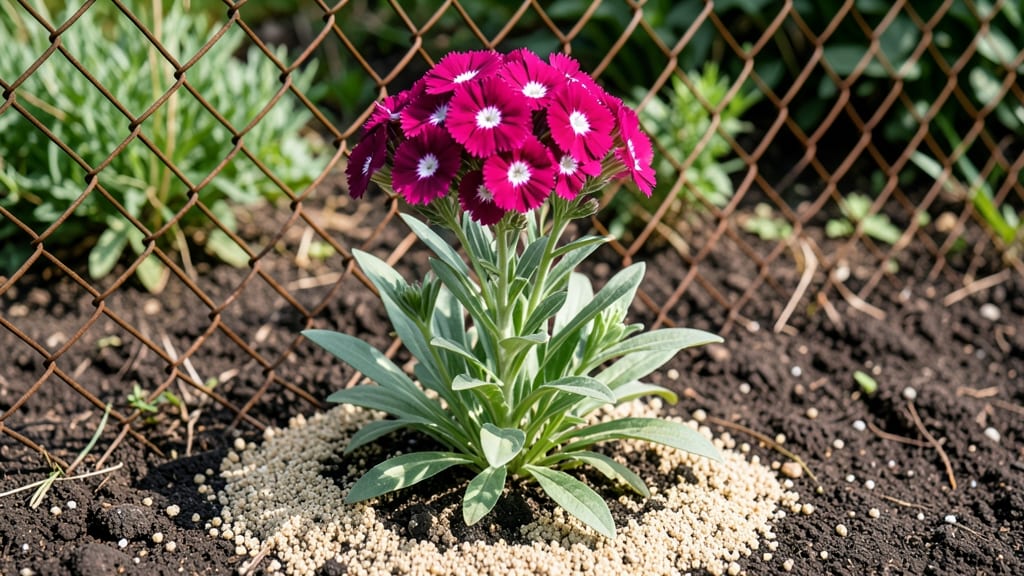
Learn how to keep bunnies away from flowers without harming them—my once-raided beds now thrive thanks to these clever, humane tricks. 🌸 The secret lies in making your garden less tempting than the neighbor’s lawn.
I’ve tested everything from commercial sprays to DIY plant guards, and these three methods stand out for lasting results without harming wildlife.
You’ll need chicken wire, sturdy fencing, or repellent plants like lavender and marigolds—all easy to source and install. The best part? These solutions work year-round, not just during peak nibbling season.
My roses and tulips now survive winter without a single chewed stem, and the bunnies have moved on to easier targets.
What you’ll end up with is a garden that thrives without constant vigilance—no more wilted stems or missing blooms. The barriers are invisible to you but clear to rabbits, and the plants you choose actually improve your garden’s health.
Plus, you’ll skip the guilt of chemical repellents that wash away in rain.
Works for raised beds, in-ground gardens, or even container plantings—just adjust the height and spacing. Here’s how to set it up without turning your yard into a fortress (or a rabbit magnet).
📚 In This Guide
- What you need
- Instructions
- Tips and common mistakes
- Wrapping up and next steps
What you need
- ● Chicken wire or hardware cloth (19-gauge or finer mesh, at least 12 inches tall to block burrowing bunnies). Quantity: Enough to cover vulnerable flower beds (e.g., 4’ x 8’ sheets for small gardens).
- ● Stakes or U-pins (galvanized or plastic, 6–12 inches long) to secure wire in place. Quantity: 1 stake every 1–2 feet around the perimeter.
- ● Compost or mulch (shredded bark, straw, or wood chips, 2–3 inches deep) to create a natural barrier.
- ● Essential oils or commercial repellents (e.g., peppermint, garlic, or commercial bunny repellent sprays). Note: Use sparingly—reapply after rain.
- ● Motion-activated sprinklers (battery-operated or solar-powered) for larger areas. Coverage: Adjust spray radius to 10–15 feet.
- ● Plastic plant guards (e.g., tree collars or mesh sleeves) for individual flowers.
- ● Hot pepper wax (mix cayenne pepper with wax for a DIY spray—non-toxic but spicy for bunnies!).
- ● Fake predators (e.g., plastic owls or snakes) for psychological deterrence (move them weekly to stay effective).
- ● Landscape fabric (buried 1–2 inches deep) to block digging near roots.
Step-by-Step guide to creating bunny-proof flower beds
Here's how I've kept rabbits from turning my garden into a salad bar for years.
🌿 Step 1: Build a Physical Barrier with Chicken Wire
Rabbits can jump surprisingly high—up to 12 inches—so your barrier needs to be taller than that. I use 18-inch tall chicken wire (1/2-inch mesh) bent into a cylinder around each flower bed. Secure the bottom by burying 6 inches of wire or attaching it to stakes driven 8 inches deep. The top should flare outward slightly to prevent rabbits from climbing over.
For delicate perennials, I create a low tunnel by bending the wire into a dome shape and covering it with lightweight landscape fabric. This protects blooms while still allowing sunlight and water through. The key is making sure there are no gaps—rabbits will exploit even a 1-inch hole to reach your flowers.
🪴 Step 2: Plant Rabbit-Resistant Ground Covers
Interplant your flowers with rabbit-resistant ground covers like creeping thyme, lamium, or ajuga. These plants have strong aromas or fuzzy textures that rabbits avoid. I mix them in at the base of my flower beds, creating a natural deterrent layer. The rule of thumb is to use 3-4 plants per square foot to establish a dense barrier.
For added protection, I sprinkle dried hot pepper flakes (not fresh—they'll burn plants) around the perimeter. The scent is unpleasant to rabbits without harming your flowers. Reapply after rain or every 2-3 weeks to maintain effectiveness. This works best when combined with the wire barrier—alone, it's only a temporary deterrent.
☀️ Step 3: Use Motion-Activated Deterrents
Rabbits are skittish creatures, and sudden movement often scares them off. I place motion-activated sprinklers (set to 3-5 second bursts) around the edges of my garden. The unexpected spray startles them without causing harm. These work best when positioned 18-24 inches from the flower bed perimeter, where rabbits are most likely to approach.
For a quieter option, I use wind chimes or solar-powered pinwheels near the garden. The movement and noise create an unpredictable environment that rabbits avoid. The trick is to place them where they're visible but not so close that they disturb pollinators. I hang mine 3-4 feet above ground level for maximum effectiveness.
✂️ Step 4: Maintain and Monitor Regularly
Check your barriers weekly for damage or gaps, especially after storms or heavy winds. I keep a small roll of landscape fabric and zip ties handy to repair any tears in the chicken wire. Rabbits will exploit even small openings, so prompt repairs are critical. Pay special attention to areas where the wire meets stakes or the ground.
Rotate your deterrents seasonally. What works in spring might lose effectiveness in fall as rabbits become more desperate for food. I switch between hot pepper flakes in summer and commercial rabbit repellent sprays in winter, when other food sources are scarce. Always apply deterrents in the late afternoon to avoid harming bees and butterflies that pollinate your flowers.
Tips & tricks for creating effective bunny-proof flower beds
Mastering these natural deterrent strategies will turn your garden into a rabbit-free sanctuary.
Barrier Height Matters: When building your 18-inch chicken wire barrier in Step 1, remember rabbits can jump up to 12 inches—so that extra 6 inches makes all the difference. I've seen them attempt to climb over barriers that were only 16 inches tall, so never skimp on height. For extra security, bend the top 2 inches outward to create a slight lip that prevents climbing attempts.
Plant Placement Strategy: In Step 2, when planting your 3-4 rabbit-resistant ground covers per square foot, arrange them in a staggered pattern rather than rows. This creates a denser, more confusing ground cover that rabbits find unappealing. I also recommend placing the most aromatic plants like creeping thyme near the perimeter where rabbits are most likely to approach.
Deterrent Placement Precision: For Step 3's motion-activated sprinklers, position them 18-24 inches from the flower bed edge—not right at the perimeter. This gives rabbits just enough space to feel threatened without actually getting sprayed. I've found that placing them at a slight angle toward the center of the bed creates a more effective deterrent zone. The same principle applies to wind chimes—hang them where they're visible but not directly over pollinator paths.
Seasonal Rotation Tip: Your Step 4 seasonal rotation is key. I've learned that commercial rabbit repellent sprays work best in winter when rabbits are most desperate, while hot pepper flakes are more effective in summer when they're more active. The late afternoon application timing is crucial—it gives bees time to return to their hives before nightfall when rabbits become more active.
Pro Tips for Keep Bunnies Away From Flowers
- Mastering these natural deterrent strategies will turn your garden into a rabbit-free sanctuary.
- Barrier Height Matters: When building your 18-inch chicken wire barrier in Step 1, remember rabbits can jump up to 12 inches—so that extra 6 inches makes all the difference.
- Plant Placement Strategy: In Step 2, when planting your 3-4 rabbit-resistant ground covers per square foot, arrange them in a staggered pattern rather than rows.
Frequently asked questions
Got questions about keeping bunnies from munching your blooms?
You’re not alone! Here are answers to the most common concerns—plus a few pro tips to make your garden bunny-proofed in no time.
What’s the quickest way to stop bunnies from eating my flowers right now?
For an immediate fix, try a physical barrier like chicken wire (bury it 6 inches deep) or a commercial repellent spray (like Liquid Fence). Bunnies hate the texture of wire and the smell of garlic-based sprays. Act fast—they’ll return if you don’t block access!
How long does it take for natural deterrents to work?
Most natural methods (like hot pepper spray or predator urine) show results within 24–48 hours, but consistency is key. Reapply every 7–10 days or after rain. Bunnies are cautious creatures—they’ll avoid your garden once they associate it with discomfort. Patience pays off!
Are there any flowers bunnies won’t eat?
Yes! Bunnies tend to avoid strong-smelling flowers like lavender, marigolds, and snapdragons (thanks to their natural repellent compounds). Plant these near your prized blooms as a living barrier. Just don’t expect 100% protection—bunnies are opportunists!
Will coffee grounds or eggshells really keep bunnies away?
Coffee grounds
(sprinkled around plants) and crushed eggshells can work, but they’re not foolproof. Bunnies might nibble at first but often lose interest after a few tries. For better results, combine them with physical barriers (like wire) or sprays. Think of them as a first line of defense!
What if bunnies keep coming back after I’ve tried everything?
If bunnies are still feasting, they might be desperate for food or your garden is too accessible. Try:
- Expand barriers to include the entire garden perimeter.
- Add motion-activated sprinklers (they hate surprises!).
- Remove hiding spots (tall grass, brush piles).
- Call local wildlife control if the problem is severe.
Wrapping up and next steps
Keeping bunnies away from your flowers doesn’t have to be a struggle—with the right natural barriers, you can protect your garden while keeping those adorable (but pesky) guests at bay! 🌿 From raised beds and mulch to strategic plantings and motion-activated sprinklers, there’s a solution that fits every garden style.
The key is consistency and creativity—try a few methods, observe what works best, and adjust as needed.
Now that you’re armed with these tips, take action! Start small—implement one or two barriers this weekend and watch your flowers thrive. Happy gardening! 🌸