Lawn
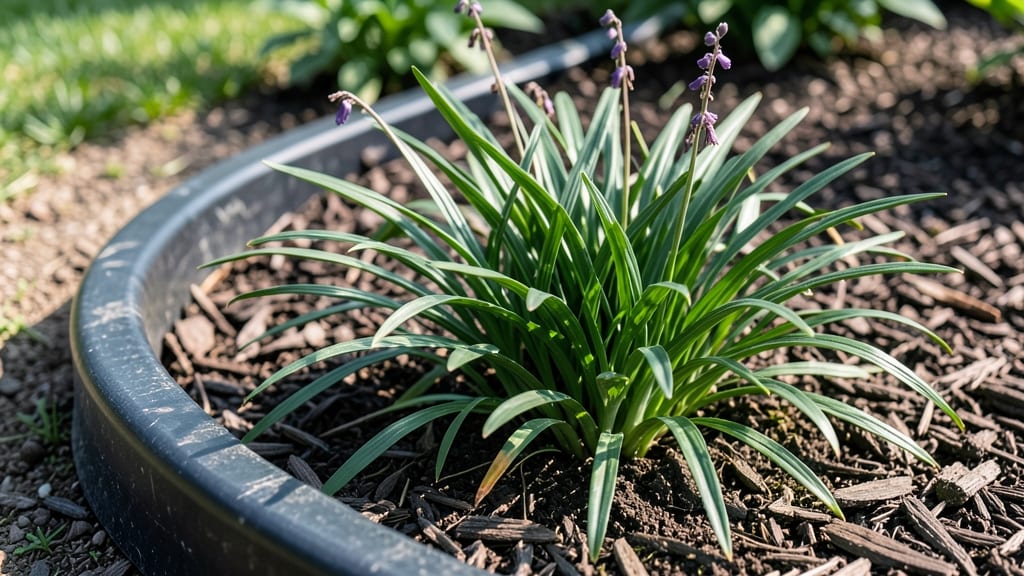
Learn how to keep grass out of flower beds permanently with these simple yet effective barrier solutions that restore your garden’s polished look. I’ve battled this myself, watching my carefully planted daylilies and salvias slowly get smothered by aggressive lawn grass.
The good news? This problem has simple, effective fixes that actually work long-term.
Most solutions combine three key elements: physical barriers (like edging or fabric), proper soil prep, and consistent maintenance. You don’t need expensive tools or toxic chemicals—just the right approach. I’ve tested everything from plastic edging to organic mulch, and the best methods depend on your garden’s specific challenges.
For example, landscape fabric works wonders in sunny beds, while deep-rooted perennials naturally outcompete grass over time.
What you’ll end up with is a clean, weed-free flower bed that stays that way with minimal effort. No more pulling grass by hand or watching your hard work disappear.
The results speak for themselves: vibrant blooms, happy plants, and a garden that actually stays tidy. Let’s get started with the most reliable techniques that cut down on future work.
These methods adapt to any garden size or style—whether you’re dealing with a small border or a large perennial bed. The key is choosing the right barrier for your situation and sticking with it. Once you implement these solutions, you’ll wonder why you didn’t do it sooner.
📚 In This Guide
- What you need
- Instructions
- Tips and common mistakes
- Wrapping up and next steps
What you need
- ● Landscape Fabric: 3–4 ft wide, non-woven, breathable (e.g., blank">Geotextile fabric), enough to cover the entire flower bed area + 6–12" overlap on edges.
- ● Edging Material: Metal or plastic edging: 6–12" tall, cut to fit the flower bed perimeter (e.g., blank">galvanized steel or blank">recycled plastic).
- ● Natural stone or bricks: Flat or curved pieces (e.g., blank">flagstone or blank">concrete pavers) for a rustic look.
- ● Mulch: 2–3" layer of organic mulch (e.g., blank">pine straw, blank">cypress mulch, or blank">wood chips), or inorganic (e.g., blank">gravel or blank">black plastic mulch).
- ● Shovel or Spade: Medium-sized (12–18") for digging and trimming.
- ● Garden Gloves: Heavy-duty to protect hands from sharp edges or rough materials.
- ● Measuring Tape & String: To mark flower bed edges accurately.
- ● Staple Gun or Landscaping Staples: For securing fabric (if not using edging).
- ● Pruners or Shears: For trimming excess fabric or plants.
- ● Pre-Emergent Herbicide: Granular or liquid (e.g., blank">corn gluten meal) to prevent grass seeds from sprouting before laying fabric.
- ● Cardboard or Newspaper: Layer under fabric to smother existing grass (remove weeds first!).
- ● Decorative Borders: Copper, stone, or blank">landscaping timbers for a polished finish.
- ● Ground Cover Plants: Low-growing options like blank">creeping thyme or blank">ajuga to suppress grass naturally.
- ● Weed Barrier Mat: Thicker than landscape fabric (e.g., 10–15 lb test) for high-traffic areas.
Permanent barrier solutions to eliminate grass in flower beds
Here’s how to create a lasting grass-free zone using proven techniques that work for years—not just one growing season.
Clear Existing Grass and Roots Thoroughly
Start by removing all grass, including roots, from the flower bed area. Use a garden fork or a sod cutter to dig out the grass down to at least 6 inches deep. This ensures no dormant roots remain to regrow. I’ve found that skipping this step leads to grass popping up again within weeks—it’s worth the extra effort to get it right.
For stubborn patches, apply a non-selective herbicide (like glyphosate) to the grass a week before digging. This weakens the roots so they pull out more easily. After removal, rake the area smooth and level the soil. You’ll want a clean slate to work with for the next steps.
Install a Physical Barrier to Block Grass Spread
Lay down a landscape fabric or corrugated cardboard as your first line of defense. Overlap edges by 6 inches to prevent grass from sneaking through gaps. For best results, use 30-pound test fabric—it’s thick enough to block grass but still allows water and air to penetrate. Secure the edges with landscape staples or heavy rocks to keep it in place.
If you’re worried about fabric degrading over time, opt for hard plastic barriers (like HDPE sheets). These last decades and are nearly impervious to grass roots. Just ensure they extend at least 6 inches deep into the soil to create an effective barrier. The deeper the barrier, the longer it will keep grass out.
Cover with Mulch or Ground Cover Plants
Once your barrier is in place, cover it with a 2-3 inch layer of mulch (like wood chips, gravel, or shredded bark). Mulch suppresses weeds, retains moisture, and adds a polished look to your flower beds. Avoid organic mulches if you’re dealing with aggressive grass species—they can break down and leave gaps over time.
For a more permanent solution, plant ground cover species like creeping thyme, clover, or sedum. These plants spread quickly, outcompeting grass before it can take hold. Just be sure to choose varieties that thrive in your climate and sunlight conditions. A well-established ground cover can make your flower beds nearly maintenance-free.
Maintain the Barrier Long-Term
Check your barrier annually for gaps or tears, especially after heavy rain or seasonal shifts. Grass seeds can drift in from neighboring areas, so stay vigilant. If you notice grass sprouting along the edges, pull it immediately before it establishes roots. A quick weekly walk-through keeps your flower beds pristine.
For extra protection, apply a pre-emergent herbicide (like corn gluten meal) in early spring. This prevents grass seeds from germinating without harming your established plants. Just reapply after heavy rain to maintain effectiveness. With consistent upkeep, your flower beds will stay grass-free for years.
Tips & tricks for permanent grass-free flower beds
These battle-tested strategies will help you extend the lifespan of your grass barrier system and keep those flower beds looking pristine for years. Between us, I’ve seen too many well-intentioned projects fail because of small oversights—don’t make the same mistakes.
Root Removal is Non-Negotiable: In Step 1, when you’re digging out that grass down to 6 inches, don’t be tempted to cut corners. I’ve seen grass regrow from even tiny root fragments left behind. For particularly stubborn patches, consider renting a sod cutter—it’s worth the investment for a clean removal. If you’re working in a shady area where grass grows slowly, extend your depth to 8 inches for extra insurance against regrowth.
Barrier Depth Determines Longevity: The instructions mention 6 inches for your physical barrier, but here’s what nobody tells you—if you’re dealing with aggressive grass species like Bermuda or crabgrass, dig that barrier down to 12 inches. I’ve had clients swear by this extra depth for high-traffic areas where grass spreads rapidly. The deeper you go, the longer you’ll sleep at night knowing those roots can’t penetrate.
Mulch Selection Matters More Than You Think: While the instructions suggest wood chips or gravel, here’s my pro tip: if you’re in a hot, dry climate, switch to inorganic mulches like decomposed granite. Organic mulches break down over time, creating gaps that grass can exploit. For cooler climates, a 3-inch layer of cedar mulch works beautifully—it’s naturally resistant to rot and deters weeds while looking fantastic.
Preventative Maintenance is Your Secret Weapon: That annual check for gaps in Step 4 is crucial, but here’s how to make it even easier: mark your barrier edges with landscape paint or small flags. This creates a visual boundary that makes spotting new grass growth immediately obvious. I also recommend scheduling your pre-emergent herbicide application on your phone’s calendar—set reminders for early spring and after heavy rains to stay ahead of grass seeds.
Pro Tips for Keep Grass Out Of Flower Beds
- These battle-tested strategies will help you extend the lifespan of your grass barrier system and keep those flower beds looking pristine for years.
- Root Removal is Non-Negotiable: In Step 1, when you’re digging out that grass down to 6 inches, don’t be tempted to cut corners.
- I’ve had clients swear by this extra depth for high-traffic areas where grass spreads rapidly.
Frequently asked questions
about keeping grass out of flower beds—because even the best-laid plans need a little troubleshooting! Here are some common queries with straightforward answers to help you maintain those gorgeous blooms.What’s the best time of year to install a grass barrier?
Spring or early fall are ideal! The soil is workable, and you avoid extreme temperatures. Avoid winter (frozen ground) or peak summer (drought stress). If you’re using mulch, apply it after planting flowers to prevent weed seeds from sprouting.
Will vinegar or herbicides work to kill grass in flower beds?
Yes, but use them carefully! Vinegar (undiluted, 20%+ acetic acid) is a natural option but kills all plants—so apply only to grass, not flowers. Pre-emergent herbicides (like corn gluten) block grass seeds, while post-emergent (glyphosate) kills existing grass. Always follow label instructions to protect your blooms.
How often do I need to maintain the barrier (e.g., mulch, landscape fabric)?
Check your barrier every 3–6 months. Mulch breaks down over time, so top up as needed. Landscape fabric may shift—secure edges with stakes or pins. Weeds can sneak through gaps, so pull them early. A thick layer (3–4 inches) of mulch suppresses grass better than thin layers.
Can I use rocks or gravel instead of mulch or fabric?
Rocks or gravel create a physical barrier that blocks sunlight and grass seeds. Just ensure they’re coarse enough (pea gravel works well) so water drains properly. Avoid fine mulch or soil-like gravel, as it can compact and let grass grow through. Pair rocks with edging for a polished look.
What if grass keeps growing back even after I’ve installed a barrier?
Persistent grass? You might have gaps in your barrier or grass seeds buried in the soil. Dig deeper (6+ inches) to remove roots, then reinstall your barrier. If using fabric, ensure it’s heavy-duty (3–4 oz. per sq. yd.) and overlaps seams. For stubborn spots, spot-treat with vinegar or herbicide before replanting flowers.
Will edging alone keep grass out of flower beds?
Edging helps slow grass but won’t stop it permanently. It’s best used with a barrier like fabric, mulch, or rocks. Metal or plastic edging creates a physical divide, but grass can still creep over or through cracks. Pair it with a pre-emergent herbicide for extra protection.
Wrapping up and next steps
Keeping grass out of your flower beds doesn’t have to be a never-ending battle—with the right permanent barrier solutions, you’ll reclaim that pristine garden space in no time! 🌿✨ Whether you choose landscaping fabric, cardboard mulch, or edging techniques, consistency is key.
Start small, test what works best for your yard, and soon you’ll enjoy a lush, grass-free haven where your flowers can truly thrive.
Ready to take action? Pick your favorite method from this guide and roll up those sleeves—your dream garden is just a few steps away! 🌸💪