
Planting
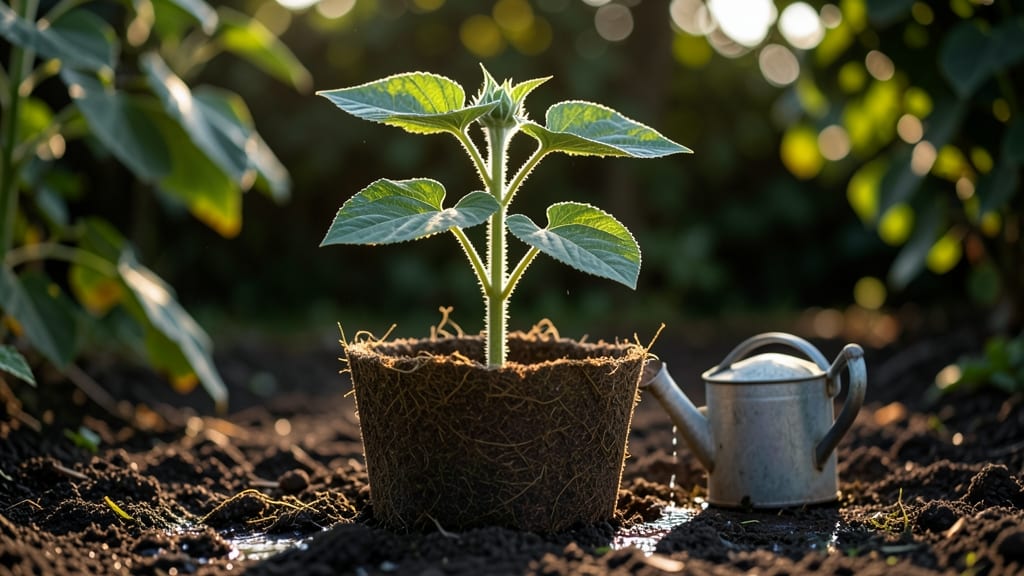
Planting sunflower seedlings is where the magic of summer begins—those first towering stems reaching for the sky in just 30 days. 🌻 I remember my first attempt, where I buried them too shallow and watched them flop in the wind.
Now I know the secrets to sturdy plants that grow tall and proud, with blooms that turn heads at the farmer's market.
The key is in the details: loose, well-draining soil mixed with compost, planting depth just below the first set of true leaves, and spacing them 12-18 inches apart for strong stems.
Sunflowers need full sun—at least 6-8 hours daily—and they’ll reward you with deep roots that anchor them against storms. Most beginners overwater, so let the soil dry slightly between waterings once established.
By mid-summer, you’ll have 8-foot giants with velvety petals and seeds that feed birds all winter. The best part? Sunflowers thrive even in poor soil and attract pollinators like bees and butterflies.
Just avoid transplant shock by hardening off seedlings for a week before planting—trust me, it makes all the difference.
Works in gardens, containers, or even along fences—just give them space to shine. Whether you’re growing for cut flowers, birdseed, or just the joy of watching them grow, this method delivers foolproof results. Let’s get those seedlings in the ground!
📚 In This Guide
- What you need
- Instructions
- Tips and common mistakes
- Wrapping up and next steps
What you need
- ● Sunflower seedlings: 3–10 plants (depending on space; dwarf varieties need less room).
- ● Garden soil or potting mix: 1–2 bags (sterilized, well-draining). Pro tip: Mix in compost for extra nutrients!
- ● Planting containers or garden bed: For containers: 5–15 gallon pots (1 plant per pot) with drainage holes.
- ● For garden beds: 6+ inches of loose, fertile soil per plant.
- ● Watering can or hose: With a gentle spray nozzle (sunflowers hate soggy roots!).
- ○ Fertilizer (optional but helpful): Balanced 10-10-10 or slow-release granular fertilizer (follow package rates).
- ● OR organic options like fish emulsion or worm castings.
- ● Stakes or trellis (for tall varieties): 6–8 ft bamboo stakes or metal cages (1 per plant).
- ● Gloves & trowel: For easy digging and handling.
- ● Mulch: Straw or wood chips to retain moisture and suppress weeds.
- ● Epsom salt: 1 tbsp dissolved in water (monthly feed for greener leaves).
- ● Sunflower companion plants: Marigolds or basil to deter pests.
- ● Grow lights: If starting indoors before last frost.
Step-by-step guide for planting sunflower seedlings
Here's how I get sunflowers thriving from the start—strong stems, deep roots, and blooms in just 30 days.
🌱 Step 1: Prepare the Planting Site for Maximum Root Growth
Sunflowers need deep, well-draining soil to support their massive root systems. Work the soil to a depth of 12-18 inches, breaking up any compacted layers with a broadfork or tiller. If your soil is heavy clay, mix in 2-3 inches of compost to improve aeration and water retention.
Here's the thing—sunflowers hate soggy feet. If your soil drains poorly, create raised beds or mounds 12 inches high and 18 inches wide to give roots room to breathe. Test drainage by digging a hole, filling it with water, and checking if it drains within 2 hours. If not, amend with sand or perlite before planting.
🪴 Step 2: Plant Seedlings at the Right Depth and Spacing
Dig holes twice as deep as the seedling's root ball—this encourages roots to grow downward instead of circling. Gently remove the seedling from its container, tease the roots outward if they're tightly bound, and place it in the hole so the top of the root ball sits level with the soil surface. Press soil firmly around the base to eliminate air pockets.
Spacing matters for towering stems. Plant 4-6 inches apart for dwarf varieties and 12-18 inches apart for giant sunflowers. If growing in rows, space rows 2-3 feet apart to allow airflow and prevent disease. I always mark planting spots with wooden stakes to avoid overcrowding—sunflowers grow fast, and you don’t want them competing for sunlight.
☀️ Step 3: Water Deeply and Mulch for Retention
Water each seedling deeply immediately after planting—1 gallon per plant—to settle the soil and encourage root expansion. Avoid overhead watering for the first 48 hours to prevent fungal diseases. Instead, use a soaker hose or drip irrigation to deliver moisture directly to the root zone.
Spread 2-3 inches of mulch (straw or wood chips) around each plant, keeping it 3 inches away from the stem to prevent rot. Mulch locks in moisture, regulates soil temperature, and suppresses weeds—critical for sunflowers, which can bolt (flower prematurely) if stressed. Replenish mulch as it decomposes to maintain coverage.
⏰ Step 4: Monitor Light and Support for Towering Growth
Sunflowers need full sun (6-8 hours daily) to reach their full height. If planting in partial shade, expect shorter stems and smaller blooms. I always face plants south in northern hemispheres to maximize morning sunlight. Rotate seedlings quarter-turns weekly to ensure even growth and prevent leaning.
Tall varieties (over 6 feet) need staking. Install 6-foot bamboo stakes or metal plant supports at planting and tie stems loosely with soft fabric strips as they grow. Avoid tight ties—sunflower stems swell rapidly and can split if restricted. Watch for first true leaves (the second set after cotyledons) as your signal to start fertilizing lightly with balanced 10-10-10 every 2 weeks.
Tips & tricks for perfect sunflower seedling planting
Sunflowers grow fast, but only if you set them up right from the start. These insights will help you avoid common pitfalls and give your seedlings the best chance to thrive.
Soil Preparation Secret: Don't just dig shallow—those massive sunflower roots need depth. Focus on breaking up compacted layers down to 18 inches for giant varieties. I've seen sunflowers struggle when planted in shallow soil, even with compost added. Use a broadfork to gently loosen the soil without disturbing the structure too much. For heavy clay soils, mix in 2-3 inches of compost and test drainage by filling a hole with water—it should drain completely within 2 hours. If it doesn't, add perlite or sand to improve drainage.
Root Ball Technique: When planting, dig holes twice as deep as the root ball—this encourages roots to grow downward rather than circling. I've learned the hard way that planting too shallow leads to weak stems that can't support those towering blooms. After placing the seedling, press soil firmly around the base to eliminate air pockets, but don't compact it too much. This creates good root-to-soil contact while allowing roots to expand easily.
Watering Wisdom: That first gallon of water per plant is crucial, but timing matters just as much. Water deeply immediately after planting to settle the soil, then switch to a soaker hose or drip irrigation for the first 48 hours to prevent fungal diseases. Overhead watering can create the perfect environment for mildew, especially in humid conditions. I've noticed that seedlings watered properly from the start develop stronger root systems within just a few days.
Support System Strategy: For tall varieties, install 6-foot bamboo stakes at planting time—don't wait until they're leaning. Use soft fabric strips to tie stems loosely, checking weekly to ensure they're not too tight. Sunflower stems swell rapidly as they grow, and tight ties can restrict growth or even split the stem. I've seen plants reach 12 feet with proper support that would have toppled without it.
Pro Tips for Plant Sunflower Seedlings
- Sunflowers grow fast, but only if you set them up right from the start.
- Soil Preparation Secret: Don't just dig shallow—those massive sunflower roots need depth.
- Root Ball Technique: When planting, dig holes twice as deep as the root ball—this encourages roots to grow downward rather than circling.
Frequently asked questions
Got questions about planting sunflower seedlings? You’re not alone! Here are answers to the most common queries to help you grow tall, happy sunflowers with ease.
How deep should I plant sunflower seedlings?
Plant sunflower seedlings about 1-2 inches deep, ensuring the soil covers the roots but leaves the top of the seedling exposed. Press the soil gently to secure the seedling—this prevents transplant shock and encourages strong root growth. If planting in cooler weather, a slightly deeper placement (up to 2.5 inches) can help protect tender roots.
When is the best time to plant sunflower seedlings outdoors?
Wait until after the last frost when soil temperatures are at least 50°F (10°C). Sunflowers thrive in warmth, so aim for late spring to early summer (April–June in most U.S. zones). Hardening off seedlings for 5–7 days before transplanting improves their survival rate in cooler climates.
Can I plant sunflower seedlings too close together?
Yes! Overcrowding stunts growth and increases disease risk. Space seedlings 12–18 inches apart for dwarf varieties and 24–36 inches apart for giant sunflowers. If you’re short on space, opt for bush-type sunflowers (like ‘Moulin Rouge’) or use containers with at least 12-inch diameters per plant.
What should I do if my sunflower seedlings look wilted or yellow?
Wilting or yellowing often signals underwatering, overwatering, or pests. Check the soil moisture—sunflowers need 1–1.5 inches of water per week but hate soggy roots. Inspect leaves for aphids or spider mites (common culprits) and treat with neem oil or insecticidal soap if needed. Yellowing lower leaves are normal as plants mature, but new leaves should stay vibrant.
Can I grow sunflowers from seedlings in containers?
Sunflowers adapt well to containers if given enough space. Use large pots (at least 12–18 inches deep) with drainage holes and fill with well-draining potting mix. Dwarf varieties like ‘Teddy Bear’ thrive in containers, while taller types may need staking. Place containers in full sun (6+ hours daily) and fertilize lightly every 3–4 weeks.
Wrapping up and next steps
Planting sunflower seedlings is a rewarding journey that yields towering blooms and deep roots in just 30 days! By following the right steps—choosing the perfect spot, preparing the soil, and providing consistent care—you’ll watch your seedlings grow into vibrant, sun-kissed giants. 🌻✨
Now that you’re armed with knowledge, it’s time to roll up your sleeves and get planting! Start by selecting healthy seedlings, then follow the guidelines above to give them the best start.
Before you know it, you’ll be enjoying the stunning beauty and joy of sunflowers in your garden. Happy growing! 🌱💛