
Pruning
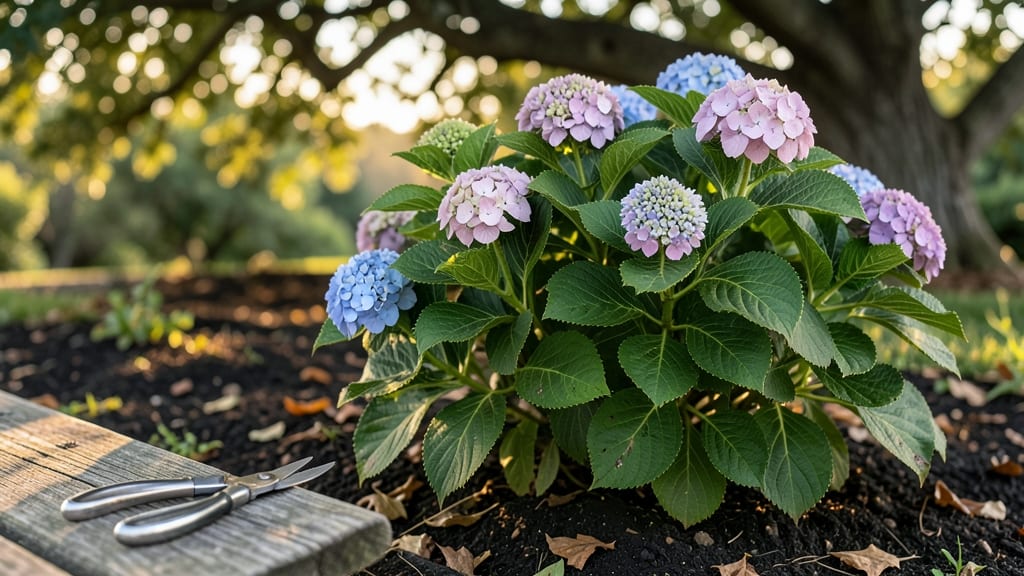
Pruning flowering shrubs isn’t just about shaping—it’s about unlocking their full potential for vibrant blooms all season long. 🌸 I’ve spent years perfecting the timing and technique, and the difference between a shrub that fades by midsummer and one that bursts with color from spring to fall comes down to when and how you cut.
The right approach transforms a once-a-year show into a continuous display.
Timing is everything: prune spring-bloomers like lilacs right after their flowers fade, while summer-flowering shrubs like hydrangeas need a late-winter trim to encourage fresh growth. You’ll need sharp bypass pruners, a sturdy ladder for taller shrubs, and a clear plan—because every cut either fuels future blooms or stunts them.
The goal is to remove dead wood, thin crowded branches, and shape without sacrificing next year’s flowers.
With the right technique, you’ll see fuller growth, stronger stems, and blooms that arrive earlier and last longer. A well-pruned shrub doesn’t just look better—it thrives, resisting disease and pests while putting energy into flowers instead of overgrown branches.
The key is patience; a single season of careful pruning sets the stage for years of effortless beauty.
This method works for hydrangeas, roses, spirea, and even butterfly bushes—any shrub that rewards you with flowers. Whether you’re tackling a neglected hedge or maintaining a prized specimen, the principles stay the same. Let’s get those shears ready and turn your shrubs into showstoppers.
📚 In This Guide
- What you need
- Instructions
- Tips and common mistakes
- Wrapping up and next steps
What you need
- ● Pruning shears: Bypass pruners (for clean cuts on small stems, 5–8 inches long, sharp blades). Anvil pruners (for thicker branches, but can crush stems—use sparingly).
- ● Loppers: Bypass loppers (for branches ½–2 inches thick, 8–12 inches long, with comfortable grips).
- ● Pruning saw: Hand saw or folding pruning saw (for thick branches 2+ inches in diameter; choose a curved blade for precision).
- ● Gloves: Heavy-duty gardening gloves (cut-resistant, like those with nitrile or Kevlar for thorns or rough shrubs).
- ● Disinfectant: Rubbing alcohol (70%+) or bleach solution (1 part bleach to 9 parts water) to sterilize tools between cuts (prevents disease spread).
- ● Sharpener: Pruner sharpening stone or file (keep blades razor-sharp for clean cuts).
- ● Cleanup supplies: Trash bags or bucket (for clippings).
- ○ Optional: Compost bin (if you’ll repurpose clippings).
- ● Extension pole: For hard-to-reach branches (attach loppers or shears to a 3–6 ft. pole).
- ● Step stool or ladder: Sturdy, non-slip (for taller shrubs; never stand on chairs!).
- ● Marking twine or paint: Colored spray paint or twine to tag branches for removal (helps visualize the final shape).
- ● Hand lens or magnifier: For spotting pests/diseases in tight buds or stems.
- ○ Pruning sealant: Optional for large cuts (like tree wound paint; skip for small shrubs—clean cuts heal faster!).
Step-by-step guide to pruning flowering shrubs for continuous beauty
Here's the method I've used for years to keep flowering shrubs thriving and blooming reliably.
✂️ Step 1: Identify Your Shrub's Blooming Habits
Flowering shrubs fall into two categories: those that bloom on old wood (last year's growth) and those that bloom on new wood (current season's growth). This determines when you prune. Spring-bloomers like lilacs and forsythia need pruning right after flowering, while summer-bloomers like hydrangeas and butterfly bush can wait until late winter or early spring.
Look at your shrub's growth pattern—if flowers appear on last year's stems, prune after blooming. If flowers form on current season's growth, prune in late winter before buds swell. I always check my notes from previous years to confirm, as some shrubs can be tricky.
✂️ Step 2: Gather Tools and Prepare for Pruning
You'll need sharp, clean pruning shears for small branches and loppers for thicker stems. Disinfect your tools with rubbing alcohol to prevent spreading disease between cuts. I also wear gloves to protect my hands from thorns and sap.
Examine your shrub's structure first. Remove any dead, diseased, or crossing branches completely at their point of origin. These are your first priority cuts—they improve airflow and prevent future problems. Work methodically from the outside in, shaping as you go.
✂️ Step 3: Apply the Right Pruning Technique
For spring-blooming shrubs, cut back old flower stems to just above a set of healthy buds or lateral branches. Make cuts at a 45-degree angle, about ¼ inch above a bud that faces outward. This encourages new growth in the right direction and maintains the shrub's natural shape.
For summer-blooming varieties, you can be more aggressive with rejuvenation pruning. Cut back ⅓ to ½ of the oldest stems to the ground in late winter. This stimulates vigorous new growth that will produce more flowers. I always step back frequently to check the overall shape—what looks balanced from close up might need adjustment from a few feet away.
🌿 Step 4: Shape and Thin for Airflow
After removing dead wood and old flowers, focus on shaping. Lightly trim to encourage a full, rounded form for most flowering shrubs. Avoid shearing—this creates dense, woody growth with fewer flowers. Instead, selectively remove individual stems that spoil the shape or grow inward.
Thinning is key for maintaining healthy blooms. Remove 10-20% of the oldest stems each year to promote new growth. This rejuvenation process keeps your shrub productive and prevents it from becoming overcrowded. The goal is to create an open, airy structure that lets sunlight penetrate to the center.
⏰ Step 5: Timing Your Pruning for Seasonal Success
Spring-blooming shrubs should be pruned right after flowering but before new growth hardens. Summer-bloomers get their pruning in late winter or early spring, before buds begin to swell. This timing ensures you don't remove next year's flower buds.
For most flowering shrubs, three pruning sessions work best: a light shaping after flowering, another in mid-summer to remove spent blooms, and a major rejuvenation cut in late winter. This approach keeps your shrubs looking their best year-round while maintaining healthy growth patterns.
Tips & tricks for pruning flowering shrubs
Real talk: Pruning flowering shrubs can seem intimidating, but these insights will help you avoid common pitfalls and achieve that perfect balance between shape and bloom.
Timing Secret: The difference between a thriving shrub and one that struggles often comes down to understanding your specific shrub's blooming cycle. For spring-bloomers like lilacs, I can't stress enough how critical it is to prune right after flowering but before new growth hardens. This ensures you don't accidentally remove next year's flower buds. For summer-bloomers like hydrangeas, that late winter/early spring timing is your golden window—don't wait until buds swell, or you'll sacrifice next season's display.
Tool Technique: Sharp tools make all the difference. I've ruined too many clean cuts with dull shears that tear rather than slice. Always disinfect your tools between cuts to prevent spreading disease—rubbing alcohol works perfectly. And here's what nobody tells you: Use a 45-degree angle for your cuts, about ¼ inch above the outward-facing bud. This angle helps water run off the cut and prevents rot while encouraging new growth in the right direction.
Rejuvenation Strategy: For established shrubs that seem to have lost their vigor, don't be afraid to get aggressive during that late winter rejuvenation pruning. Cutting back ⅓ to ½ of the oldest stems to the ground stimulates fresh, vigorous growth that will produce more abundant flowers. I've seen dramatic turnarounds with this approach—shrubs that looked like overgrown bushes transformed into lush, flowering beauties within a single season.
Shape with Purpose: Avoid the temptation to shear! Shearing creates dense, woody growth with fewer flowers. Instead, focus on selectively removing individual stems that spoil the shape or grow inward. Think of it like sculpting—you're creating an open, airy structure that lets sunlight penetrate to the center. The goal is to maintain that natural, full form while keeping the interior well-ventilated.
Pro Tips for Prune Flowering Shrubs
- Real talk: Pruning flowering shrubs can seem intimidating, but these insights will help you avoid common pitfalls and achieve that perfect balance between shape and bloom.
- Timing Secret: The difference between a thriving shrub and one that struggles often comes down to understanding your specific shrub's blooming cycle.
- Tool Technique: Sharp tools make all the difference.
Frequently asked questions
Got questions about pruning flowering shrubs? You’re not alone! Here are some of the most common concerns—and their answers—to help you prune with confidence.
When is the best time to prune flowering shrubs?
The ideal timing depends on your shrub’s blooming habit. Spring-bloomers (like lilacs or forsythia) should be pruned right after flowering to avoid cutting off next year’s buds. Summer- or fall-bloomers (like hydrangeas or abelia) can be pruned in late winter or early spring before new growth starts.
Can I prune flowering shrubs in the fall?
It depends! Avoid heavy pruning in fall for spring-blooming shrubs—it removes next year’s flower buds. However, light shaping or deadheading is safe. For summer/fall bloomers, fall pruning can encourage new growth, but avoid cutting back more than 1/3 of the plant to prevent winter stress.
What if I prune at the wrong time?
Don’t panic! A minor mistake (like pruning too late) may reduce blooms for one season, but most shrubs recover. For severe over-pruning, focus on recovery care: water deeply, fertilize lightly, and avoid heavy cuts next year. Some shrubs (like hydrangeas) can even rebloom if given time.
How often should I prune flowering shrubs?
Most flowering shrubs need annual pruning to maintain shape and health, but the intensity varies. Young shrubs benefit from light pruning yearly to encourage branching, while mature shrubs may only need structural shaping every 2–3 years. Always prune dead, diseased, or crossing branches anytime they appear.
What if my shrub stops blooming after pruning?
Lack of blooms often means you pruned too late or too hard. For spring bloomers, check if you cut back old wood (where buds form). For reblooming types, ensure you’re fertilizing and watering well. Try deadheading spent flowers to encourage more blooms—just avoid heavy cuts in the wrong season!
Wrapping up and next steps
Pruning flowering shrubs doesn’t have to be intimidating—with the right timing and technique, you’ll encourage vibrant blooms and healthier growth all year long! 🌸 Remember to always use clean tools, follow seasonal guidelines, and remove spent flowers or overgrown branches thoughtfully.
Your garden will thank you with stunning, repeat blooms and a well-manicured look.
Ready to put your new skills to work? Grab your pruners and start with just one shrub today! Whether it’s a spring cleanup or a summer trim, every cut brings you closer to a thriving, picturesque landscape. Happy pruning! ✂️