
Blooming
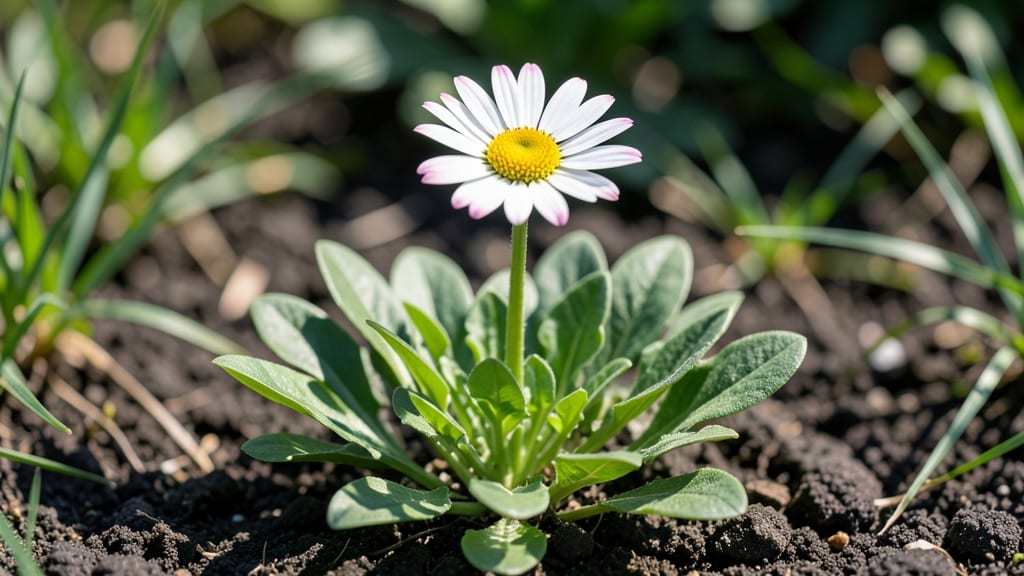
Learn how to take care of a daisy flower so you can wake up to cheerful faces every morning—those bright white petals with yellow centers that make even a simple garden look like a postcard. 🌼 The secret to their sun-loving perfection starts with the right soil. not the fancy kind you buy but the loose, well-draining mix that lets roots breathe.
I learned this the hard way when my first batch of daisies wilted after a heavy rain because their soil couldn’t handle the moisture.
Daisies thrive on neglect almost as much as they do on sunlight—six hours of direct sun daily is their minimum, but they’ll reward you with nonstop blooms if you give them eight or more.
Watering is simple: keep the soil evenly moist but never soggy, and you’ll avoid the most common mistake new gardeners make. A light feeding with balanced fertilizer every four to six weeks keeps them blooming all season, though they’re not picky eaters.
Pruning isn’t just about looks—it’s how you encourage more flowers. Deadhead spent blooms regularly, and your plants will respond by producing fresh ones within weeks.
The real magic happens when you let them go to seed at the end of the season; those self-sown daisies are the easiest way to fill gaps next year. By winter, you’ll have a garden that looks like it’s been professionally landscaped, all from seeds you planted yourself.
Even in hot summers, daisies handle the heat better than most flowers, but watch for powdery mildew if humidity climbs too high. A quick spray of neem oil usually clears it up before it becomes a problem.
The best part? Once established, they’re nearly maintenance-free—just sit back and enjoy the show. Here’s how to keep them looking their best all season long.
📚 In This Guide
- What you need
- Instructions
- Tips and common mistakes
- Wrapping up and next steps
What you need
- ● Daisy seeds or seedlings: Choose Leucanthemum vulgare (English daisy) or Bellis perennis (lawn daisy). Buy 10–20 seeds for a small patch or 3–5 seedlings for quicker blooms.
- ● Well-draining potting mix: A 5-gallon bag of high-quality, organic soil blend (e.g., 60% garden soil + 30% perlite + 10% compost). Avoid heavy clay.
- ● Containers or garden bed: For containers: 6–12-inch pots with drainage holes (1–2 plants per 6-inch pot).
- ● For in-ground: A sunny spot with at least 6 hours of direct sunlight and loose, fertile soil.
- ● Watering can or hose with a gentle spray nozzle: Daisy roots are shallow—avoid overwatering!
- ○ Fertilizer (optional but helpful): Balanced 10-10-10 granular fertilizer (1 tbsp per square foot) or liquid seaweed extract (diluted as directed).
- ● Slow-release rose/flower fertilizer (follow package rates).
- ● Pruning shears: Sharp, clean pair for deadheading and shaping (sterilize with rubbing alcohol between cuts).
- ○ Mulch (optional but recommended): 1–2 inches of straw, pine needles, or shredded bark to retain moisture and suppress weeds.
- ● Gloves: Protect your hands from prickly stems or soil debris.
- ● pH testing kit: Aim for soil pH 6.0–7.0 (daisies thrive in slightly acidic to neutral soil).
- ● Pest control: Neem oil spray (for aphids/slugs).
- ● Diatomaceous earth (food-grade, for crawling pests).
- ● Stakes or small cages: For tall varieties (e.g., Gerbera daisies) to prevent flopping in wind.
- ○ Sunlight meter (optional): Ensure your spot gets the minimum 6 hours of sun daisies crave.
Step-by-step instructions for growing daisy flowers
Here's how to coax those cheerful blooms from seed to full sun-loving glory.
🌱 Step 1: Start Seeds Indoors or Plant Directly Outdoors
Daisies thrive when started either indoors or directly in the garden. If sowing indoors, plant seeds ¼ inch deep in sterile seed-starting mix about 6-8 weeks before your last frost date. Keep the soil consistently moist but never soggy—daisy seeds need warmth (70-75°F) to germinate, which usually takes 7-14 days.
For direct sowing, wait until soil temperatures reach at least 50°F—cold soil slows germination and can cause rot. Scatter seeds ¼ inch deep in well-drained soil, spacing them 12-18 inches apart for full-sized blooms. Lightly cover with soil and water gently to avoid disturbing the seeds. Here's the thing—daisies grow fast once they sprout, so don't rush the timing.
☀️ Step 2: Provide Full Sun and Well-Drained Soil
Daisies demand full sun (6-8 hours daily) for those classic bright blooms. If you notice stems stretching or leaves growing pale, your plants need more light—move them to a sunnier spot immediately. The soil must drain well; daisies hate soggy roots, which leads to yellowing leaves and poor growth.
Work in a 2-3 inch layer of compost before planting to enrich the soil without compacting it. If your garden soil is heavy clay, mix in sand or perlite to improve drainage. Water deeply once a week (or when the top 2 inches of soil feel dry), but avoid wetting the leaves—this prevents fungal diseases like powdery mildew that can ruin blooms.
🌿 Step 3: Thin Seedlings and Fertilize Lightly
When seedlings reach 2-3 inches tall, thin them to 12-18 inches apart—crowding weakens stems and reduces flower production. Use sharp scissors to snip unwanted seedlings at soil level (pulling can disturb roots of remaining plants). This is the moment that matters: strong spacing ensures each daisy gets enough air circulation and nutrients.
Feed plants with a balanced liquid fertilizer (10-10-10) every 4-6 weeks during the growing season. Too much fertilizer leads to lush foliage but few blooms—daisies prefer moderate feeding. Stop fertilizing 6-8 weeks before your first frost to encourage flower production rather than leaf growth.
✂️ Step 4: Deadhead and Prune for Continuous Blooms
Cut back spent blooms just above the next set of leaves to encourage new flowers. I like to do this on a dry morning—wet stems can rot if you snip too late in the day. Regular deadheading keeps daisies blooming all season long, especially if you remove faded flowers every 2-3 days.
In late summer, give your daisies a light trim by cutting back one-third of the plant height. This removes leggy growth and stimulates fresh, bushier foliage. Don’t skip this step—it rejuvenates the plant for a second flush of blooms before frost.
⏰ Step 5: Prepare for Winter and Divide as Needed
Daisies are perennial in many climates, but they need protection if temperatures drop below 20°F. Cut back stems to 2-3 inches tall in fall, then mulch with 2-3 inches of straw or shredded leaves to insulate roots. Remove the mulch in early spring once new growth appears.
Every 2-3 years, divide mature clumps in early spring. Dig up the plant, separate the roots into smaller sections (each with 3-5 buds), and replant them 12-18 inches apart. This prevents overcrowding and keeps your daisies blooming vigorously for years to come.
Tips & tricks for perfect daisy flower care
Common pitfalls—and how to sidestep every one—when growing these cheerful sun-lovers from seed to bloom.
Germination Conditions: Those 70-75°F soil temperatures for indoor starts are non-negotiable. I learned this the hard way after ruining three batches with cold soil—germination can take twice as long or fail completely. Place your seed trays on a heating mat or near a sunny window to maintain consistent warmth. For direct sowing, use a soil thermometer to confirm those at least 50°F soil temps before planting.
Sunlight Strategy: The 6-8 hours of full sun requirement is critical, but not all sun is equal. Morning sun with afternoon shade works in hot climates, but daisies will stretch and produce fewer blooms. If your garden has partial shade, consider growing them in containers where you can move them to sunnier spots as needed. A south-facing window or balcony often provides the perfect light conditions for container-grown daisies.
Thinning Technique: When those seedlings reach 2-3 inches tall, resist the urge to pull them—you'll disturb the roots of your keepers. Instead, use sharp scissors to snip at soil level. This might seem counterintuitive, but it prevents shock to the remaining plants. I've found that thinning in the early morning gives the plants time to recover before the heat of the day sets in.
Winter Prep: That 20°F threshold is important, but don't wait until the last minute to prepare. Start cutting back stems to 2-3 inches in early fall before hard frosts hit. The mulch layer should be 2-3 inches thick, but don't pack it down—leave air spaces to prevent rot. I've had great success using straw mulch because it breaks down slowly and adds organic matter to the soil as it decomposes.
Pro Tips for Take Care Daisy Flower
- Common pitfalls—and how to sidestep every one—when growing these cheerful sun-lovers from seed to bloom.
- Germination Conditions: Those 70-75°F soil temperatures for indoor starts are non-negotiable.
- Sunlight Strategy: The 6-8 hours of full sun requirement is critical, but not all sun is equal.
Frequently asked questions
Got questions about keeping your daisies happy and blooming? You’re not alone! Here are some of the most common concerns—and quick, practical answers to help you grow sun-loving perfection.
How often should I water daisy flowers?
Water daisies deeply but infrequently—about 1-1.5 inches per week, including rainfall. Let the top 1-2 inches of soil dry out between waterings to prevent root rot. Mulch helps retain moisture, but avoid overwatering, especially in winter.
When is the best time to plant daisy flowers?
Plant daisies in early spring or late summer for optimal results. They thrive in cool to moderate temperatures (50–75°F). If planting from seed, start indoors 6–8 weeks before the last frost. Transplant seedlings outdoors after soil warms.
What pests or diseases commonly affect daisies, and how do I treat them?
Daisies may face aphids, slugs, or powdery mildew. For pests, spray with soapy water or neem oil. Remove infected leaves for mildew, and improve airflow. Prevention tip: Rotate plants yearly and avoid overhead watering to keep them healthy.
Can daisies grow in containers, and what’s the best setup?
Yes! Use a 5-gallon container minimum with drainage holes and well-draining soil. Choose compact varieties like Gerbera daisies or Shasta daisies. Place in full sun and water consistently. Fertilize lightly every 4–6 weeks for container-grown daisies.
Do daisies need winter care, and how do I protect them?
Most daisies are perennial and hardy to USDA zones 3–9. Cut back dead foliage in late fall, then mulch heavily (3–4 inches) to insulate roots. In colder zones, add extra mulch or a light frost cloth for severe winters.
Why aren’t my daisies blooming?
Daisies may skip blooms due to over-fertilizing (too much nitrogen), poor sunlight, or crowded roots. Deadhead spent blooms, ensure 6+ hours of sun daily, and fertilize lightly with low-nitrogen, high-phosphorus formula in spring.
Wrapping up and next steps
Caring for daisies is a rewarding journey that brings vibrant color and joy to your garden! With the right sunlight, soil, and watering routine, you’ll soon be enjoying their cheerful blooms year after year.
Remember, consistency is key—whether you’re nurturing seedlings or maintaining mature plants, a little love goes a long way. 🌼
Ready to watch your daisies thrive? Grab your gardening tools, pick a sunny spot, and start planting today! Your garden will thank you—and so will your eyes. 💚