
Flowers
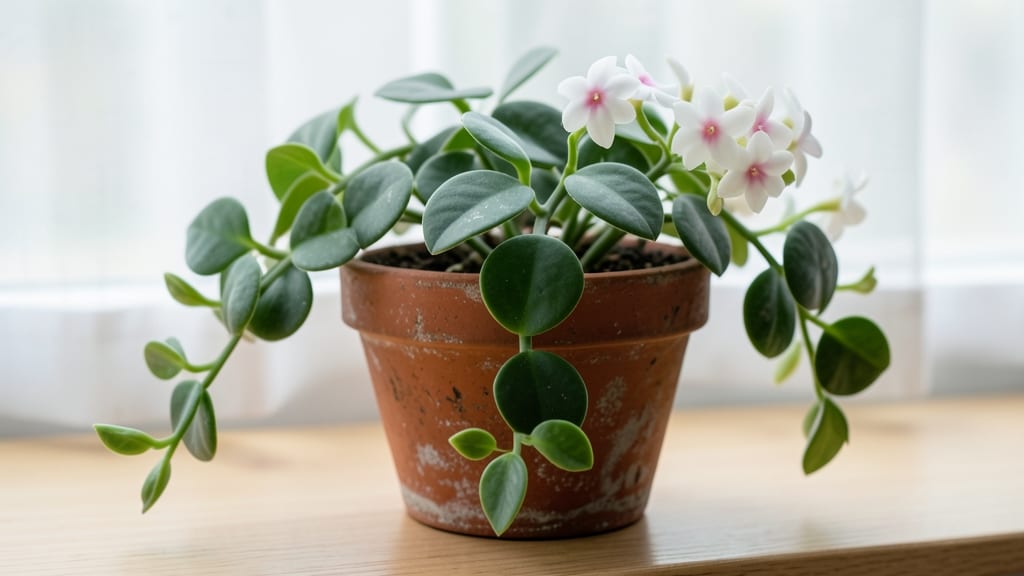
Growing a hoya porcelain flower feels like nurturing a living piece of art—its waxy, deep green leaves and delicate porcelain-white blooms transform any space into a serene corner. 🌿 I’ve watched mine slowly climb, revealing its secrets over years, and the key isn’t complicated: patience, indirect light, and occasional watering.
This plant thrives on neglect almost as much as it does on attention, making it perfect for busy plant parents or beginners who want something striking without the fuss.
The real magic happens when you mimic its natural tropical habitat. A well-draining soil mix, a slightly humid environment, and a spot near a bright window (but not direct sun) will keep those glossy leaves vibrant and encourage those signature waxy flowers to appear.
Unlike fast-growing vines, this hoya takes its time—think of it as a slow-blooming investment that rewards you with years of beauty. Even in low light, it won’t wilt; it just grows a little slower, proving it’s built for resilience.
What you’ll end up with is a plant that feels like a quiet conversation piece—its thick, succulent-like leaves store water, so you’ll only need to water every 2-3 weeks, and its vines can stretch 3-6 feet with proper support.
The porcelain flowers, though rare, are worth the wait: clusters of tiny, star-shaped blooms that smell faintly sweet and last for weeks. Once you see that first bloom, you’ll understand why collectors adore this hoya.
Whether you’re growing it indoors near a window or outdoors in a shaded spot, the care routine stays simple. The biggest mistake? Overwatering or letting it dry out completely—this plant prefers to be slightly thirsty than soggy.
With the right balance, you’ll have a lush, low-maintenance vine that thrives for years, proving that sometimes the best plants are the ones that grow on their own terms.
📚 In This Guide
- What you need
- Instructions
- Tips and common mistakes
- Wrapping up and next steps
What you need
- ● Hoya carnosa 'Porcelain Flower' plant: 1 healthy cutting or mature plant (ensure it has at least 2-3 leaves for stability).
- ● Well-draining potting mix: 1 bag (5-10 quarts) of a cactus/succulent blend or a mix of: 60% inorganic material (perlite, pumice, or orchid bark)
- ● 30% peat moss or coco coir
- ● 10% worm castings or compost (for nutrients)
- ● Pot with drainage holes: 1 container (6-8 inches in diameter) with a saucer to catch excess water. Terracotta or ceramic works best!
- ● Watering can or spray bottle: 1 with a fine rose attachment for gentle hydration.
- ● Shears or pruning scissors: 1 pair (sterilized with rubbing alcohol) for trimming.
- ● Grow lights: 1-2 LED grow bulbs (if growing indoors with low natural light).
- ● Humidity tray or pebble tray: 1 to increase moisture levels (especially for dry climates).
- ● Support structure: 1 moss pole, trellis, or decorative hook for vining varieties.
- ● Fertilizer: 1 balanced, water-soluble fertilizer (e.g., 10-10-10 or a succulent-specific formula).
- ● Plant labels: 1-2 to track care notes or propagation dates.
- ● Location: Bright, indirect light (3-6 hours of sun daily). Avoid harsh afternoon rays.
- ● Temperature: Ideal range of 60–80°F (15–27°C). Protect from drafts or temps below 50°F (10°C).
- ● Patience: Hoyas are slow growers—enjoy the journey! 🌱
Step-by-Step instructions for cultivating Hoya porcelain flower vines
Here's how to coax those stunning waxy blooms from your new porcelain flower plant.
🌱 Step 1: Select the Right Pot and Soil Mix
Start with a 6-8 inch pot with drainage holes—your porcelain flower hates soggy roots. I use a well-draining cactus/succulent mix blended with 30% perlite to prevent compaction. The soil should feel gritty when dry and drain freely within 10-15 minutes after watering.
Add a 1-inch layer of charcoal at the bottom to prevent bacterial buildup, which is especially important for hoyas that store water in their thick leaves. This layer also helps keep the roots aerated, mimicking the plant's natural epiphytic growing habits.
☀️ Step 2: Position for Bright, Indirect Light
Place your porcelain flower near an east-facing window where it gets bright, indirect light for 6-8 hours daily. Direct midday sun can scorch the thick leaves, while too little light causes weak, leggy growth. You'll know the light is right when the leaves stay deep green with no yellowing or sunburn spots.
If you notice the vines stretching toward the light with long gaps between leaves, it's time to move the plant 2-3 feet closer to the window or supplement with a grow light for 12-14 hours daily. Just don't let the leaves touch the bulb—hoyas are sensitive to heat.
💧 Step 3: Establish a Watering Routine
Let the soil dry out completely between waterings—stick your finger 1-2 inches deep into the soil. When it feels dry, give the plant a thorough drink until water runs out the drainage holes. Empty the saucer afterward to prevent root rot, which can kill hoyas quickly.
I water mine every 7-10 days in spring/summer and every 3-4 weeks in winter when growth slows. Overwatering is the #1 killer of porcelain flowers, so when in doubt, wait another day. The thick leaves store moisture, so wilting doesn't always mean the plant is thirsty.
🌿 Step 4: Encourage Vining and Support Growth
Hoyas are vining plants that need something to climb or trail over. Install a small moss pole or trellis near the plant so the vines can attach naturally. You'll see the vines start curling around the support within 4-6 weeks—this is when the plant begins its natural growth pattern.
Gently twist the vines around the support as they grow to encourage stronger attachment. If you notice new leaves emerging reddish-purple, it's a sign the plant needs more light. Fertilize lightly with a balanced 10-10-10 fertilizer every 4-6 weeks during spring and summer to support flowering.
⏰ Step 5: Trigger Blooming with Proper Care
Porcelain flowers bloom best with a cool nighttime temperature between 55-65°F combined with bright light. In winter, move the plant to a cooler spot if your home stays above 70°F—this mimics the seasonal change that triggers buds.
Watch for small white buds forming along the vines—this is your first sign of impending blooms. When the buds appear, reduce fertilizer to half-strength and avoid moving the plant. The flowers will open over 7-10 days, revealing their stunning waxy blooms that can last 2-3 weeks with proper care.
Tips & tricks for perfect Hoya porcelain flower care
Here's what nobody tells you about keeping your porcelain flower thriving—these are the secrets that'll have it blooming beautifully.
Soil Mix Secrets: That 30% perlite ratio isn't just about drainage—it's about creating the perfect air pockets for hoyas' shallow roots. I add a handful of orchid bark to my mix too (optional) for extra aeration, especially if you notice the soil compacting after watering. The charcoal layer at the bottom does more than prevent bacteria—it actually helps the soil retain just enough moisture without becoming soggy, which is crucial for those waxy leaves that store water.
Light Positioning: The 6-8 hours of bright, indirect light in Step 2 is your sweet spot, but here's the thing: east-facing windows work best because morning sun is gentler. If you only have south-facing windows, use a sheer curtain to diffuse the light—direct sun will turn those gorgeous green leaves into crispy brown patches faster than you can say "sunburn." I've seen porcelain flowers recover from light adjustments, but it takes about 2 weeks for the leaves to readjust their pigment.
Watering Wisdom: That thorough drink until water runs out isn't just about saturation—it's about flushing out any salts that might build up from tap water. I always use filtered or distilled water for my hoyas because the minerals in regular tap water can accumulate in the soil over time. And about that wilting: your porcelain flower might look thirsty when it's actually just conserving moisture in those thick leaves. Press your finger into the soil—if it's dry 1-2 inches down, it's time to water.
Bloom Trigger: The 55-65°F nighttime temperature range is non-negotiable for those waxy blooms, but here's how to create it without moving your plant outside. Place a small fan near the plant on low setting during summer nights to circulate cooler air, or move it to a basement or unheated garage for winter. I've seen buds form within 4-6 weeks of establishing this temperature contrast—just be patient and don't move the plant once those white buds appear!
Pro Tips for Hoya Porcelain Flower
- Here's what nobody tells you about keeping your porcelain flower thriving—these are the secrets that'll have it blooming beautifully.
- Soil Mix Secrets: That 30% perlite ratio isn't just about drainage—it's about creating the perfect air pockets for hoyas' shallow roots.
- Light Positioning: The 6-8 hours of bright, indirect light in Step 2 is your sweet spot, but here's the thing: east-facing windows work best because morning sun is gentler.
Frequently asked questions
Got questions about nurturing your Hoya porcelain flower? You’re not alone—this stunning vining beauty has a few quirks! Here are answers to the most common queries to keep your plant thriving with minimal fuss.
How often should I water my Hoya porcelain flower?
Water your Hoya carnosa compacta only when the top 1–2 inches of soil are completely dry. Typically, this means watering every 2–3 weeks in cooler months and slightly more often (every 1–2 weeks) in hot, dry summers. Overwatering is the #1 killer—let it remind you by wrinkling its leaves!
Why aren’t my Hoya porcelain flowers blooming?
Patience is key! These Hoyas bloom only when mature (2–5 years old) and need a winter rest period (cooler temps, less water). Bright, indirect light and occasional outdoor shade in spring/summer also trigger blooms. If it’s not flowering, check for proper light exposure and avoid fertilizing in winter.
What do brown or crispy leaves mean?
Brown, dry patches usually signal underwatering or low humidity. If leaves feel soft or mushy, you’re overwatering. Move your plant to bright, indirect light and adjust your watering schedule. A quick fix? Mist the leaves or place a pebble tray nearby to boost humidity!
Can I grow Hoya porcelain flower indoors?
This hardy Hoya thrives indoors with bright, east- or north-facing windows. Avoid harsh direct sun (like south-facing windows) to prevent leaf scorch. If your space is dim, supplement with a grow light 12–14 hours/day. Just ensure good airflow to prevent pests.
How do I propagate Hoya porcelain flower?
Propagation is easy with stem cuttings! Snip a healthy vine with 2–3 nodes, let it callus for 1–2 hours, then plant in well-draining soil or perlite. Keep the soil lightly moist (not soggy) and place in bright, indirect light. Roots should form in 4–8 weeks—just be patient!
What pests should I watch for?
Mealybugs and spider mites are the usual culprits. Wipe leaves with soapy water or use neem oil for mild infestations. Isolate the plant early to prevent spread. Yellowing leaves or sticky residue? Act fast—these pests love Hoyas!
Wrapping up and next steps
The Hoya porcelain flower is a stunning, low-maintenance plant that rewards patience with breathtaking blooms and lush foliage. Whether you're a seasoned plant parent or a beginner, its adaptability and resilience make it the perfect addition to any home or garden.
Now that you’re armed with the right care tips, why not bring this vining beauty into your space and watch it thrive?
🌱 Next step: Grab your Hoya, pick a sunny spot, and let nature do the rest—your future blooms will thank you! 🌸