Planting
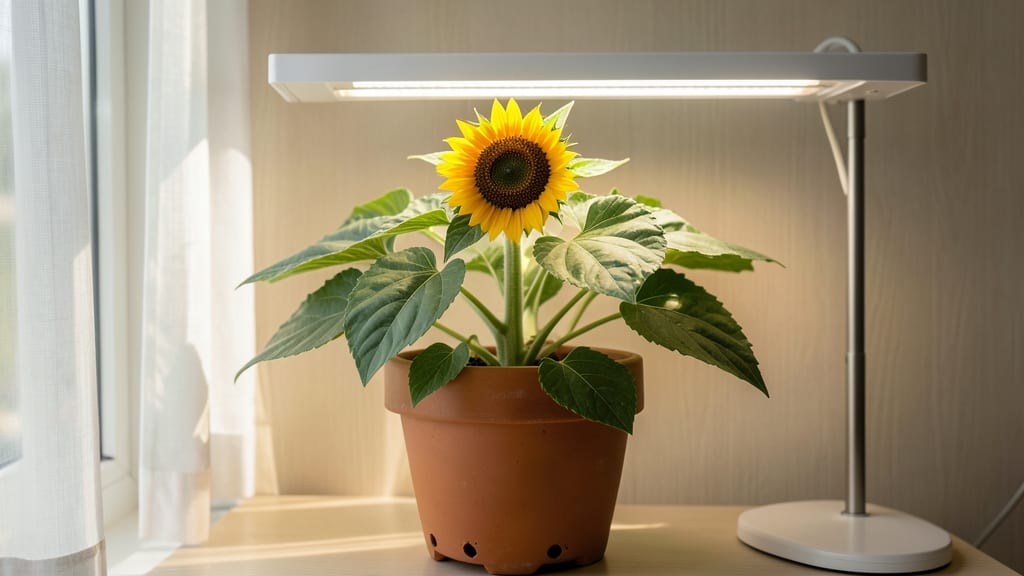
Growing an indoor sunflower plant means bringing that golden summer joy into your living room year-round. 🌻 I’ve watched these towering beauties reach for my apartment ceiling—proof that even dwarf varieties can grow 6-8 feet tall indoors with the right care.
The key starts with the right dwarf variety like ‘Teddy Bear’ or ‘Moulin Rouge,’ which thrive in containers. You’ll need a 10-12 inch pot with drainage, bright light (south-facing windows or 12+ hours of grow lights), and soil that drains fast but holds moisture.
Overwatering is the silent killer—let the top inch dry between waterings.
With proper light and a balanced fertilizer every 4-6 weeks, your sunflower will shoot up straight and sturdy. The blooms may be smaller than outdoor giants, but they’ll still turn heads with their vibrant colors and cheerful presence.
Plus, the process is oddly satisfying—like watching a tiny seed become a living sunbeam.
Even in small spaces, sunflowers can shine. Rotate the pot weekly for even growth, and don’t be afraid to stake taller varieties. The payoff? A year-round conversation piece that smells like summer and reminds you that gardening isn’t just for the backyard.
📚 In This Guide
- What you need
- Instructions
- Tips and common mistakes
- Wrapping up and next steps
What you need
- ● Sunflower seeds: Choose a dwarf or small variety (e.g., Teddy Bear or Moulin Rouge)—they thrive indoors! (1–3 seeds per pot, depending on desired size.)
- ● Growing container: A pot with drainage holes (6–12 inches in diameter, depending on seedling size).
- ● High-quality potting mix: Lightweight, well-draining soil (avoid garden soil—it compacts!). (1 bag, ~1–2 cubic feet.)
- ● Grow lights or sunny windowsill: South-facing window (6+ hours of sunlight) or a full-spectrum LED grow light (12–16 hours/day).
- ● Watering can or spray bottle: For gentle hydration (avoid soggy soil!).
- ● Seedling heat mat (to speed up germination, especially in cooler climates).
- ● Fertilizer (balanced liquid fertilizer, 10-10-10 or organic options like fish emulsion).
- ● Support stake or trellis (for taller varieties, 3–4 feet tall).
- ● Humidity dome or plastic wrap (to retain moisture during germination).
- ○ pH tester (optional, ideal soil pH: 6.0–7.0).
- ● Patience! Sunflowers grow fast—but germination can take 7–14 days.
- ● Consistent care: Sunflowers love attention (water, light, and occasional checks for pests!).
- ● Space to grow: Even dwarf varieties can reach 3–5 feet tall—plan your pot’s final location!
How to grow a thriving indoor sunflower plant
Here's how to coax those towering stems indoors with just a few key adjustments.
🌱 Step 1: Select the Right Variety and Container
Not all sunflowers thrive indoors—choose dwarf varieties like 'Teddy Bear' or 'Moulin Rouge' that top out at 3-4 feet. These stay manageable in containers while still delivering dramatic height. Avoid giant varieties; they outgrow indoor spaces and light sources quickly.
Use a 5-7 gallon container with drainage holes—sunflowers develop deep taproots that need room to grow. I like fabric grow bags because they allow roots to breathe while preventing waterlogging. Fill the bottom third with fast-draining mix (half potting soil, half perlite) to encourage root development before hitting denser planting medium.
💧 Step 2: Plant with Proper Depth and Watering
Plant seeds 1 inch deep in well-draining mix, spacing them 6 inches apart if growing multiple plants. Press the soil gently around each seed to ensure good contact—this prevents air pockets that can stall germination. I've found that pre-soaking seeds in warm water for 4 hours speeds up germination by 2-3 days.
Water thoroughly after planting, then maintain consistent moisture—never let the top inch dry out completely. Sunflowers wilt dramatically when thirsty, but overwatering causes root rot. Here's the trick: water when the soil feels dry to touch 1 inch down, then let excess drain completely. Yellowing leaves often signal overwatering, not underwatering.
☀️ Step 3: Position for Maximum Light Exposure
Sunflowers need 6-8 hours of direct sunlight daily—south-facing windows work best, but east or west exposures can work if supplemented with a grow light. Place your plant within 12 inches of the window initially, then adjust as it grows. You'll notice leaves stretching toward light (called etiolation) if it's not getting enough.
Rotate the pot quarter-turn weekly to prevent lopsided growth. Sunflowers grow toward their light source aggressively, and unchecked, they'll lean dramatically. If you see the stem bending more than 30 degrees, move the plant immediately to a brighter spot or increase grow light hours. A simple LED grow bulb on a timer solves this completely.
🌿 Step 4: Fertilize and Support Growth
Start fertilizing when first true leaves appear (about 10-14 days after germination). Use a balanced liquid fertilizer (10-10-10) diluted to half-strength every 2 weeks. Sunflowers are heavy feeders, but too much fertilizer causes weak stems that can't support their own weight. I've seen indoor sunflowers snap under their own blooms when over-fertilized.
Install a bamboo support stake or small tomato cage when the stem reaches 12 inches tall. Tie the main stem loosely to the stake with soft plant ties—tightening too much restricts growth. Watch for the first bud formation (about 6-8 weeks after planting) to determine final height. Dwarf varieties rarely exceed 4 feet, but some may surprise you.
✂️ Step 5: Deadhead and Extend the Display
Once the sunflower blooms, cut the stem just above a set of healthy leaves to encourage a second bloom. This works best with dwarf varieties that have the energy to rebloom. Remove dead flowers immediately—they sap energy from new growth. I've had 'Teddy Bear' sunflowers produce 3-4 blooms in a single season with proper deadheading.
To extend the display, move the plant to a cooler location (around 60-65°F) after blooming. This slows metabolism and preserves the flower's freshness. Most indoor sunflowers last 7-10 days after cutting, but with proper care, you can enjoy them for 2-3 weeks. The key is keeping the stem in warm water (change daily) and avoiding direct heat sources.
Tips & tricks for perfect indoor sunflower growth
Let me share the hard-won lessons that'll help your indoor sunflower thrive when outdoor conditions just won't work.
Variety Matters: While 'Teddy Bear' and 'Moulin Rouge' are excellent choices, don't overlook 'Little Becka' for its compact 2-foot height—perfect for windowsills. The key is selecting varieties bred for indoor conditions, as their shorter stature and bushier growth habit prevent the leggy, weak stems that plague outdoor giants in small spaces. I've seen 'Teddy Bear' reach 4 feet indoors with proper care, but only when started from fresh seeds—not old ones from last year's garden.
Germination Hack: That 4-hour warm water soak before planting is non-negotiable for indoor growers. The warm water activates enzymes that speed germination by 2-3 days, which matters when you're counting on those first true leaves appearing around 10-14 days. Use a seedling heat mat set to 75°F for the first week—it mimics outdoor soil temperatures and prevents the cold-induced dormancy that can stall germination.
Light Strategy: The 6-8 hours of direct sunlight requirement is non-negotiable, but here's the secret: supplement with a full-spectrum LED grow light on a 14-hour day/night cycle when natural light falls short. Position the light 12-18 inches above the plant and raise it gradually as the stem grows to prevent burning. I've had success with 20-watt LED clips that cost under $20—they're more energy-efficient than traditional grow lights and don't generate excess heat that can stress your sunflower.
Support System: Install that bamboo stake or tomato cage at 12 inches, but here's what nobody tells you—sunflowers grow so fast they'll outgrow their support in 3-4 weeks. Have a second, taller stake ready (I use 3-foot tall stakes) to swap in when the first one becomes inadequate. The transition should happen when the stem reaches 24 inches, just before bud formation. Tightening the ties too much restricts growth, but loose ties can fail when the stem reaches its full height.
Pro Tips for Indoor Sunflower Plant
- Let me share the hard-won lessons that'll help your indoor sunflower thrive when outdoor conditions just won't work.
- Variety Matters: While 'Teddy Bear' and 'Moulin Rouge' are excellent choices, don't overlook 'Little Becka' for its c...
- Germination Hack: That 4-hour warm water soak before planting is non-negotiable for indoor growers. The warm water ac...
Frequently asked questions
Got questions about growing your own indoor sunflower plant? You’re not alone—these cheerful giants are full of surprises! Here are answers to the most common queries to help you nurture your sunlit companion like a pro.
Can I grow a sunflower indoors year-round, or do I need to wait for spring?
Indoor sunflowers thrive anytime—no need to wait for warmer months. Since they’re not exposed to outdoor seasons, you can start seeds or transplant seedlings indoors whenever you’re ready. Just ensure they get 6–8 hours of bright light daily (a south-facing window or grow light works best). For extra speed, opt for dwarf varieties like ‘Teddy Bear’ or ‘Moulin Rouge,’ which mature faster in containers.
How often should I water my indoor sunflower, and how will I know it’s thirsty?
Water your sunflower when the top 1–2 inches of soil feel dry. Stick your finger in the pot—if it’s dry, it’s time to hydrate! Overwatering is the biggest risk, so use a pot with drainage holes and avoid soggy soil. Yellowing leaves or drooping stems signal thirst, while mushy stems or mold mean you’re overdoing it. Aim for 1–2 times per week, adjusting for humidity and light levels.
Will my indoor sunflower get too tall for my home? How do I control its height?
Indoor sunflowers can grow 6–10 feet tall—even indoors! To manage height, choose compact varieties (like ‘Little Becka’ at 2–3 feet) or prune aggressively. Pinch back the top bud when the plant is 12–18 inches tall to encourage bushier growth. For stability, place the pot near a wall or use a sturdy stake early on. If it leans, rotate the pot daily to ensure even light exposure.
What if my sunflower’s leaves turn yellow or spotty? Is it dying?
Yellow leaves or spots usually mean overwatering, pests, or nutrient issues. First, check the soil—if it’s waterlogged, let it dry out. Brown spots could signal fungal issues (like powdery mildew), so improve airflow and avoid wet foliage. Yellowing between veins often means overwatering or poor drainage. For pests (like aphids), wipe leaves with soapy water or spray with neem oil. Most sunflowers bounce back with adjustments!
Can I grow sunflowers from seed indoors, or should I buy a starter plant?
Both work! Starting from seeds is rewarding and budget-friendly—just plant them ½ inch deep in well-draining soil and keep them warm (70°F+) with bright light. Seedlings may take 7–10 days to sprout. Buying a starter plant saves time but limits variety choices. Pro tip: Soak seeds overnight to speed up germination. If using seeds, choose heirloom or non-GMO for best results.
Wrapping up and next steps
Growing an indoor sunflower plant is a rewarding way to bring nature’s joy into your home—even in tight spaces! With the right care, these cheerful blooms can thrive indoors, offering beauty, fresh air, and a dash of sunshine to your decor. 🌻
Ready to take the next step? Start small:
- Pick a sunny spot near a window (south or west-facing is ideal).
- Plant your seeds or transplant a young sunflower with confidence.
- Watch it grow, and enjoy the process—because every gardener starts somewhere!