Flowers
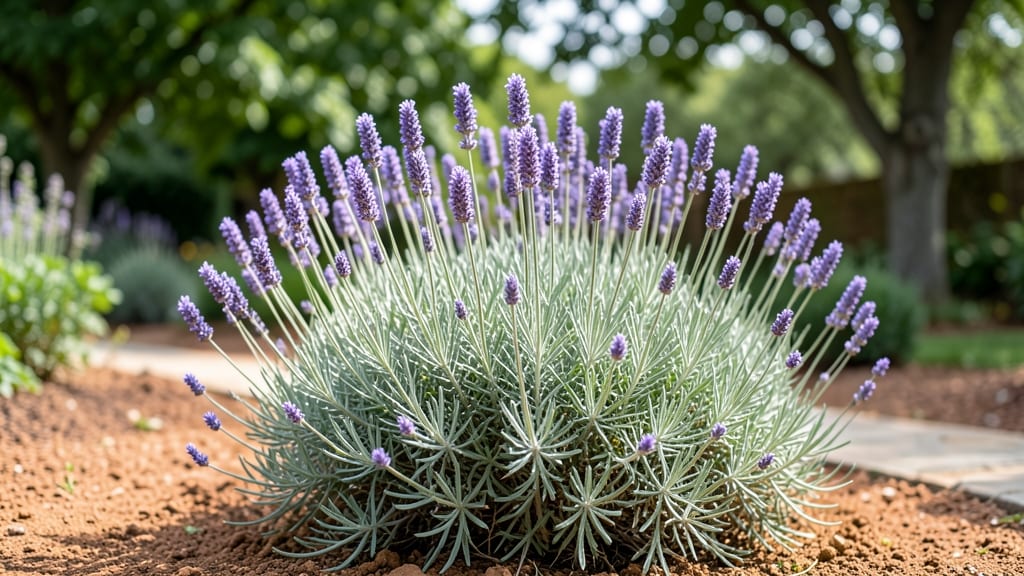
July flowers in season bring the garden to life with bold blooms that defy the summer heat—my go-to list includes sun-loving stars like black-eyed Susans, vibrant zinnias, and heat-resistant lavender that perfume the air when the sun beats down. 🌻 The secret to their success?
Most thrive with minimal fuss: well-draining soil, afternoon shade in hot climates, and consistent watering that keeps roots cool without soggy soil.
These flowers don’t just survive July—they flourish, offering long-lasting color that turns heads at neighborhood barbecues. Zinnias keep blooming all season with deadheading, while coneflowers attract pollinators like magnets, turning your yard into a buzzing ecosystem. Even drought-tolerant varieties like Russian sage need just occasional attention to stay stunning.
Imagine your garden overflowing with deep purples, fiery oranges, and creamy whites that brighten even the hottest afternoons. The best part? Many of these blooms last into fall, giving you double the bang for your gardening buck.
Whether you’re filling containers or borders, these heat-proof picks deliver drama with minimal effort.
For regional tweaks, swap out heat-sensitive varieties in Southern zones for tougher natives like salvia or gaillardia, while Northern gardeners can extend the season with late-blooming dahlias. The key is matching plants to your microclimate—once you do, you’ll have a July garden that’s the envy of the block.
📚 In This Guide
- What you need
- Instructions
- Tips and common mistakes
- Wrapping up and next steps
What you need
- ● July flowers in season: Choose from Lantana, Zinnias, Marigolds, Black-Eyed Susans, or Gladiolus (select 3–5 varieties for a vibrant mix). Purchase 6–12 plants per variety (check local nurseries for heat-tolerant cultivars).
- ● Potting soil or garden soil: 1–2 cubic yards (amend with 20% perlite or vermiculite for drainage if planting in containers).
- ● Organic compost: 1–2 bags (10–20 lbs each) to enrich soil with nutrients.
- ● Slow-release fertilizer: 10–15–10 NPK ratio (1 lb per 100 sq ft) for blooming plants.
- ● Mulch (straw or shredded bark): 2–3 inches to retain moisture and suppress weeds.
- ● Garden trowel or hand shovel (for transplanting seedlings).
- ● Pruning shears (for deadheading and shaping).
- ○ Watering can or hose with a gentle spray nozzle (drip irrigation is optional but ideal for heat waves).
- ● Gloves (gardening or work gloves to protect hands).
- ● Measuring tape or ruler (to space plants 12–24 inches apart, depending on variety).
- ○ Containers (optional): 5–10-gallon pots with drainage holes for balcony or patio gardening.
- ● Sunlight: Full sun (6+ hours daily)—these flowers thrive in heat!
- ● Watering schedule: Deep watering 2–3 times per week (more during extreme heat; avoid wetting foliage to prevent disease).
- ● Local climate knowledge: Check your USDA Hardiness Zone (most July blooms suit Zones 7–11; adjust watering for Zone 10+).
- ● Pest awareness: Keep an eye out for aphids or spider mites—neem oil spray (1 tsp per quart of water) is a natural remedy.
- ● Epsom salt (1 tbsp per gallon of water) for magnesium boost in Zinnias or Gladiolus.
- ● Decorative stones or pebbles for a polished container garden look.
- ● Butterfly or bee-friendly companion plants (e.g., Basil or Aloe) to attract pollinators.
- ● Dried flower preservatives (glycerin or silica gel) if you plan to harvest blooms for arrangements.
Step-by-step guide to selecting and caring for July's heat-loving flowers
Here's how to turn your garden into a summer paradise with bold, sun-kissed blooms.
🌿 Step 1: Choose Heat-Tolerant Varieties for July Planting
July's scorching temperatures demand flowers with staying power. Opt for varieties like black-eyed Susan (Rudbeckia hirta), zinnia (Zinnia elegans), or lantana (Lantana camara), all of which thrive in full sun and 90°F+ conditions. These perennials and annuals boast vibrant colors that pop against summer's green backdrop—think fiery reds, deep purples, and golden yellows.
If your soil feels dry and powdery to the touch, amending with 2-3 inches of compost before planting gives roots a moisture-retaining boost. I always dig in a handful of organic matter around each plant at transplant time—it's the difference between wilting by afternoon and blooming until frost.
☀️ Step 2: Position for Maximum Sun and Airflow
July's sun is relentless, so position your blooms where they'll receive 6-8 hours of direct sunlight daily. A south-facing bed or raised planter gets the most intense light, but watch for afternoon shade—even 1-2 hours of relief prevents leaf scorch. You'll know you've got it right when flowers open fully by mid-morning and last until early evening.
Space plants 12-18 inches apart to allow airflow, which is critical for preventing fungal diseases like powdery mildew. Crowded flowers trap humidity and create ideal conditions for pests. I like to sketch a quick layout first—it saves time and ensures no two plants compete for sunlight.
💧 Step 3: Water Deeply but Strategically
Deep watering once every 2-3 days at the soil level—never overhead—encourages strong root systems. Water until 6 inches of soil feels moist, then let the top inch dry out before the next session. Overhead sprinkling wastes water and promotes mildew, so I use a soaker hose or drip irrigation for efficiency.
Morning is the best time to water—it gives foliage time to dry before evening humidity sets in. You'll notice healthy plants have thick, upright stems and vibrant, glossy leaves. If leaves feel crispy to the touch or curl at the edges, you're either underwatering or overwatering.
✂️ Step 4: Deadhead and Fertilize for Continuous Blooms
Deadheading spent blooms every 5-7 days triggers new flower production. Pinch off faded flowers with your fingers or snip just above the next set of leaves with clean shears. This simple step keeps zinnia and lantana blooming until frost—something I learned the hard way when my first summer garden faded by August.
Feed plants with a balanced liquid fertilizer (10-10-10) every 3-4 weeks to replenish nutrients lost through heat stress. You'll see a difference within 7-10 days—plants perk up, leaves regain their luster, and blooms multiply. Avoid high-nitrogen fertilizers; they promote leafy growth at the expense of flowers.
🪴 Step 5: Protect from Heat Stress and Pests
On days when temperatures hit 95°F+, provide afternoon shade with lightweight shade cloth (30-50% coverage) to prevent wilting. Mulch with 2-3 inches of straw to retain moisture and keep roots cool. You'll know it's working when soil stays consistently moist and plants don't wilt by noon.
Watch for aphids and spider mites, which thrive in hot, dry conditions. Spray plants with a neem oil solution (1 tablespoon per quart of water) every 10-14 days as a preventative. Early intervention keeps pests from becoming a full-blown infestation—something I've had to deal with in past summers.
Tips & tricks for perfect July summer blooms
These game-changing strategies will help your July garden flourish even in the hottest conditions.
Soil Prep Secret: Before planting, work in 2-3 inches of compost and mix in a handful of perlite or coarse sand to improve drainage. This combination prevents waterlogging while retaining moisture—critical for July's intense heat. I've found that amending clay soil this way transforms it into a perfect growing medium for heat-loving flowers like zinnia and lantana.
Sunlight Strategy: The 6-8 hours of direct sunlight requirement is non-negotiable, but placement matters just as much. Position taller varieties like black-eyed Susan on the north side of your bed to prevent them from shading shorter plants. I've seen gardens where the wrong arrangement caused entire sections to struggle—don't make that mistake! Even 1-2 hours of afternoon shade can make the difference between thriving and wilting plants.
Watering Wisdom: When you water once every 2-3 days, focus on deep saturation—aim for 6 inches of moist soil. The key is consistency: morning watering prevents fungal issues, while checking soil moisture with your finger (not just eyeballing) ensures you're not over or under-watering. I keep a small trowel handy to check moisture levels at planting depth.
Heat Protection: On days when temperatures hit 95°F+, your afternoon shade strategy becomes critical. Lightweight shade cloth (30-50% coverage) is your best friend—it diffuses harsh light while still allowing beneficial sunlight through. I've learned that providing this protection during the hottest hours can extend the blooming season by several weeks, especially for delicate varieties.
Pro Tips for July Flowers In Season
- These game-changing strategies will help your July garden flourish even in the hottest conditions.
- Soil Prep Secret: Before planting, work in 2-3 inches of compost and mix in a handful of perlite or coarse sand to im...
- Sunlight Strategy: The 6-8 hours of direct sunlight requirement is non-negotiable, but placement matters just as much...
Frequently asked questions
Got questions about July’s hottest blooms?
You’re not alone! Here are answers to the most common queries about summer flowers in season—from care tips to what to do if your plants wilt faster than a snowman in July.
Why do some July flowers wilt in the heat?
Many summer blooms like hibiscus or lilies thrive in heat but need consistent watering (1–2 inches per week) and morning sun to avoid wilting. Pro tip: Mulch around the base to retain moisture and shield roots from scorching. Overwatering can also cause drooping—stick your finger in the soil first!
When is the peak blooming season for July flowers?
Most July flowers hit their peak between mid-June and early August, depending on your climate. Zinnias and sunflowers often bloom earliest (late June), while gladiolus and dahlias peak in July. Check your local frost dates—late spring frost can delay blooms in cooler regions.
Can I still plant July flowers now, or is it too late?
It’s not too late for heat-loving annuals like marigolds or cosmos—they germinate quickly in warm soil. For perennials (e.g., black-eyed Susans), opt for transplants instead of seeds. Water deeply after planting and avoid late-day sun to help roots establish before the heat intensifies.
How often should I water July flowers?
Watering needs vary, but most July blooms prefer deep, infrequent watering (2–3 times per week) over light daily spritzes. Water in the morning to reduce evaporation and fungal risks. Use a soaker hose or drip irrigation to target roots directly—this saves water and keeps foliage dry.
What are some low-maintenance July flowers for beginners?
If you’re new to gardening, try these hardy, drought-tolerant picks:
- Lantana: Thrives in heat, attracts butterflies, and blooms nonstop.
- Portulaca (moss rose): Succulent-like, needs minimal water, and pops in vibrant colors.
- Russian sage: Drought-resistant, fragrant, and deer-resistant.
- Zinnias: Fast-growing, long-lasting, and great for cutting.
Bonus: All of these are pro tip: perfect for containers if space is limited!
What should I do if my July flowers get pests?
Common culprits in July include aphids, spider mites, and Japanese beetles. Start with neem oil or insecticidal soap for mild infestations. For beetles, handpick them early in the morning or use row covers. Pro tip: Encourage ladybugs—they’re natural pest predators!
Wrapping up and next steps
July’s heat doesn’t dim the magic of summer blooms—it just makes them bolder, brighter, and more vibrant. From sun-loving lilies to fragrant jasmine and delicate gladiolus, these flowers aren’t just surviving the season—they’re thriving.
Whether you’re adding color to your garden, crafting bouquets, or simply admiring nature’s summer spectacle, these blooms offer endless inspiration and joy. 🌸
Ready to bring a piece of July’s beauty into your life? Start small: plant a heat-resistant variety, pick fresh-cut flowers for your home, or even sketch their shapes for a creative project.
The season’s fleeting, so embrace the blooms while you can—your garden (and your soul) will thank you!