Shrubs
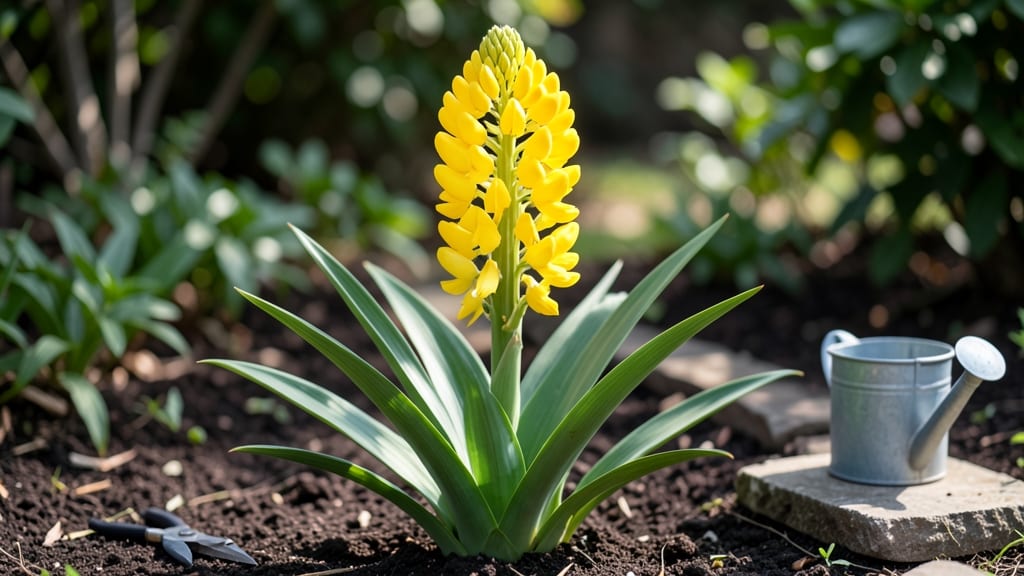
Kangaroo paw flowering transforms your garden into a year-round explosion of color—no messy cross-pollination drama required. 🌿 I’ve grown these striking plants for years, and the secret to their nonstop blooms isn’t complicated: it’s all about matching their native Australian preferences to your local conditions.
These bold, furry flowers thrive when you mimic their natural habitat, and once you do, they’ll reward you with season-long displays that turn heads.
The real magic happens in the soil and sunlight. They demand well-draining, sandy-loam mixes—think 60% native soil, 30% coarse sand, and 10% compost—and full sun to partial shade, depending on your climate. Water deeply but infrequently: let the top 2 inches dry out between soakings.
Overwatering is the #1 killer of those vibrant blooms, so if your region gets heavy rain, adjust your schedule. Prune spent flower stalks in early spring to encourage fresh growth, and you’ll see new buds forming within 4-6 weeks.
What you end up with is a clutter-free garden that stays in bloom from late winter through fall—no deadheading required. The flowers’ unique shapes and colors (reds, oranges, yellows, and greens) attract hummingbirds without inviting pests, and their upright growth habit saves space.
Even in cooler zones, they’ll keep flowering if you protect them from hard freezes with a lightweight frost cloth. The payoff? A low-maintenance plant that outshines traditional perennials every season.
Works in USDA zones 7-10, but with a little winter protection, even zone 6 gardeners can enjoy them. The key is patience—first-year plants focus on roots, but by year two, you’ll see the full color show you planted for.
Ready to skip the cross-pollination headaches and grow a garden that never quits?
📚 In This Guide
- What you need
- Instructions
- Tips and common mistakes
- Wrapping up and next steps
What you need
- ● Kangaroo Paw Plants: 1–3 mature plants (for immediate color) or seeds (for long-term growth).
- ● Pro tip: Choose native varieties like Anigozanthos manglesii (Red Kangaroo Paw) or Anigozanthos flavidus (Yellow Kangaroo Paw) for best results!
- ● Well-Draining Soil Mix: 50% native sandy loam or cactus/succulent mix.
- ● 30% perlite or coarse sand (for aeration).
- ● 20% compost or peat moss (for nutrients).
- ● Containers (if potted): 1–2 large pots (12–18 inches deep) with drainage holes.
- ○ Optional: Self-watering pots for low-maintenance care.
- ● Basic Gardening Tools: Trowel or small shovel.
- ● Pruning shears (sterilized).
- ● Gloves (to protect from thorns).
- ● Fertilizer: Slow-release native plant fertilizer (e.g., osmocote or fish emulsion).
- ● Pro tip: Avoid high-phosphorus fertilizers—they can harm Kangaroo Paws!
- ● Mulch: 2–3 inches of gravel or pebbles (to retain moisture and deter weeds).
- ● Watering Can or Hose: With a gentle spray nozzle (to avoid disturbing roots).
- ● Sunlight Spot: Full sun (6+ hours/day) or partial shade (for cooler climates).
- ● Soil pH tester (ideal range: 5.5–6.5).
- ● Slow-release granules for year-round blooms.
- ● Decorative rocks or mulch rings for a polished look.
- ● Bird deterrent (if squirrels or birds are a problem).
Step-by-Step guide to encouraging vibrant kangaroo paw flowering
Here’s how to coax those striking, bird-attracting blooms year-round without the usual pollination headaches.
🌱 Step 1: Select the Right Variety and Planting Site
Kangaroo paws thrive in well-draining soil with full sun exposure—at least 6-8 hours daily. Choose a location sheltered from strong winds, as their delicate flower spikes can flop. For year-round blooms, opt for everblooming cultivars like Anigozanthos flavidus or A. manglesii, which produce sequential flower spikes rather than a single flush.
I always test soil drainage by digging a 6-inch hole, filling it with water, and timing how long it takes to drain. If it sits for more than 30 minutes, amend with sand or perlite—kangaroo paws despise soggy roots. The ideal soil pH is 6.0-6.5, slightly acidic. If your soil runs neutral or alkaline, mix in peat moss or sulfur to adjust before planting.
☀️ Step 2: Provide Optimal Light and Temperature Conditions
Kangaroo paws demand bright, direct sunlight—they won’t tolerate shade. If your garden has partial shade, supplement with a grow light positioned 12-18 inches above the plants for 14 hours daily. You’ll notice leggy growth or sparse blooms if light is insufficient; these plants stretch toward any available light source.
Temperature matters just as much. They flourish in USDA Zones 7-10, with ideal growing temps between 60-80°F. In cooler climates, plant in sheltered microclimates or use black plastic mulch to warm the soil. If temps drop below 40°F, the flower spikes may blacken—this is irreversible, so protect them with frost cloth in early spring or fall.
💧 Step 3: Water Deeply and Strategically to Prevent Stress
Water deeply once a week (or more in extreme heat) to encourage strong root development. Shallow watering leads to weak stems and fewer blooms. The key is consistency—let the top 2 inches of soil dry out between waterings, then soak until water runs out the drainage holes. Overhead watering can cause fungal issues, so use a soaker hose or drip irrigation instead.
Here’s the trick: water at the base in the early morning. This reduces evaporation and prevents the fuzzy flower spikes from getting waterlogged, which can trigger rot. You’ll know you’ve got the right balance when the soil feels moist but not soggy down to 4 inches deep—stick your finger in to check.
✂️ Step 4: Prune and Deadhead for Continuous Blooms
Pruning isn’t just about looks—it’s how you keep kangaroo paws flowering nonstop. After a spike finishes blooming, cut it back to the base with clean, sharp shears. This encourages the plant to send up new side shoots from the base, each of which will produce another flower spike in 4-6 weeks. I always sterilize my shears with rubbing alcohol to prevent bacterial spread.
Skip the deadheading, and you’ll end up with a single, exhausted bloom cycle. Instead, watch for new growth at the base—those are your future flowers. If you notice yellowing leaves, it’s often a sign of overwatering or nutrient deficiency. Feed with a balanced 10-10-10 fertilizer every 6-8 weeks during the growing season to keep them vigorous.
🪴 Step 5: Protect from Pests and Diseases Without Chemicals
Kangaroo paws are generally pest-resistant, but aphids and snails can still target them. For aphids, blast them off with a strong stream of water—they hate it. Snails leave telltale silver slime trails at night; handpick them or set out beer traps (yes, really). I’ve never had to use pesticides, but if you do, opt for neem oil as a last resort.
Fungal issues like root rot or leaf spot usually stem from poor drainage or overhead watering. If you see dark, mushy stems, it’s too late to save that plant—but you can prevent it in others by improving airflow (space plants 18-24 inches apart) and avoiding wet foliage. Healthy plants with strong roots resist disease effortlessly.
Tips & tricks for perfect kangaroo paw flowering
These simple yet game-changing strategies will help you transform your garden into a vibrant kangaroo paw paradise year-round.
Soil Preparation Secret: Beyond the 6-inch drainage test, I recommend adding a 2-inch layer of coarse sand or gravel at the bottom of planting holes before adding amended soil. This creates an extra barrier against waterlogging, which is especially critical during winter when rainfall increases. The key is to mimic their native habitat—well-drained sandy soils prevent those dreaded mushy stems that signal root rot.
Light Optimization Hack: For those 14 hours of grow light in Step 2, position your lights on a timer to automatically turn on at 6 AM and off at 8 PM. This mimics natural daylight cycles and prevents the plants from stretching toward artificial light sources. If you notice leaves leaning toward the light, rotate the plants quarter-turn daily to encourage even growth.
Pruning Timing Strategy: The 4-6 week window between pruning and new flower spikes is your secret weapon for continuous blooms. Mark your calendar after each pruning session—this helps you anticipate when to expect new growth. I've found that plants pruned in early spring (after first frost) and late summer produce the most robust second flush of flowers.
Fertilizer Application Tip: When applying that 10-10-10 fertilizer every 6-8 weeks, mix it with compost at a 1:1 ratio before spreading. This slow-release combination prevents fertilizer burn while providing steady nutrients. Always apply in the early morning when dew is present—this helps the fertilizer adhere to the soil and reduces evaporation.
Pro Tips for Kangaroo Paw Flowering
- These simple yet game-changing strategies will help you transform your garden into a vibrant kangaroo paw paradise year-round.
- Soil Preparation Secret: Beyond the 6-inch drainage test, I recommend adding a 2-inch layer of coarse sand or gravel at the bottom of planting holes before adding amended soil.
- Light Optimization Hack: For those 14 hours of grow light in Step 2, position your lights on a timer to automatically turn on at 6 AM and off at 8 PM.
Frequently asked questions
Got questions about keeping your kangaroo paw (Anigozanthos) blooming beautifully? Here are some of the most common ones—and their answers!
When is the best time to plant kangaroo paws for peak flowering?
Plant them in early spring or fall when soil temps are mild (60–75°F). This gives roots time to establish before summer heat or winter cold. Avoid planting in peak summer—they struggle with transplant shock in extreme heat. Pro tip: Amend soil with compost to improve drainage, as soggy roots = fewer blooms!
How long does kangaroo paw flowering last, and can I extend it?
With ideal care, expect 6–8 weeks of vibrant blooms per season (spring/summer). To prolong flowering:
- Deadhead spent flowers gently (snip stems ¼ inch above the next leaf node).
- Fertilize lightly with a low-phosphorus bloom booster every 4–6 weeks.
- Water deeply but infrequently—drought stress can trigger reblooming in some varieties!
Wrapping up and next steps
Watching your kangaroo paw bloom year-round is a rewarding experience that brings vibrant color to your garden without the fuss of cross-pollination. These unique shrubs thrive with minimal effort, offering resilience and beauty—perfect for both beginners and seasoned gardeners.
Now that you’re armed with the right knowledge, why not take the next step? Plant one today and enjoy a low-maintenance, stunning addition to your outdoor space! 🌸
Pro tip: Share your progress with fellow plant lovers—inspiration spreads faster when we grow together! 🌱