Flowers
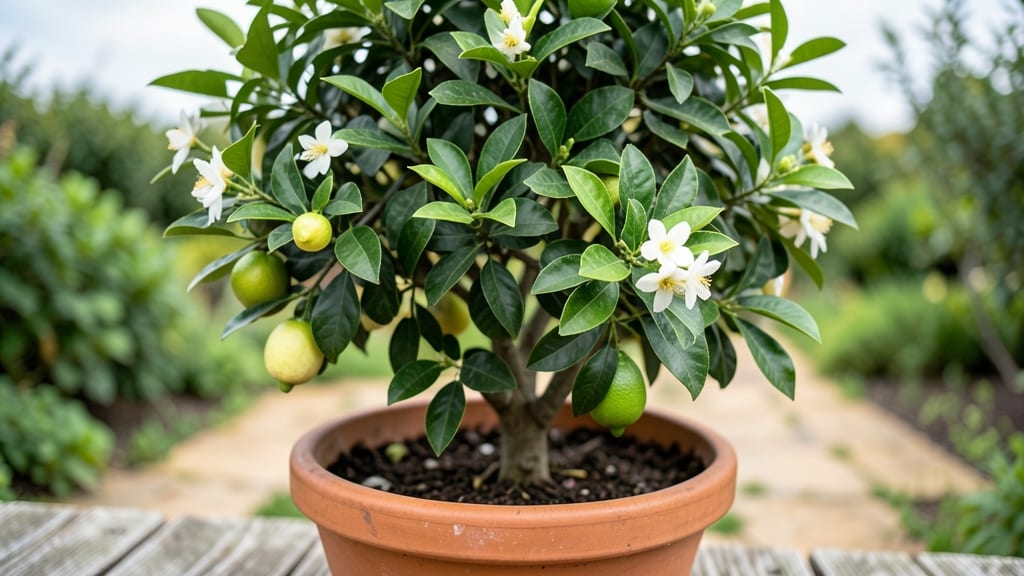
Lemon tree flowers aren't just pretty—they're the secret to your future harvest. 🌸 Every fragrant bloom holds the potential for sweet, juicy lemons, but getting them to open and set fruit takes the right timing, care, and a few pro tips.
I've watched my own trees go from sparse buds to heavy branches of blossoms just by adjusting watering and light, and I'll show you how to replicate that success.
The magic starts in late winter when your tree breaks dormancy. You'll need bright, indirect light (think morning sun and afternoon shade), consistent moisture without soggy roots, and a light fertilizer boost every 4-6 weeks once flowers appear.
The key is balance—too much water stresses the tree, while too little causes buds to drop. I learned this the hard way after my first tree lost half its blooms to overwatering.
Within 60 days, you'll see clusters of white, four-petaled flowers giving way to tiny green lemons. The scent alone is worth the effort—like sunshine and citrus in one. But here's the game-changer: hand-pollinating with a soft brush can double your fruit set, especially if bees are scarce.
Even a few minutes of gentle attention here makes all the difference in your harvest.
This works for both container-grown and in-ground lemon trees, from Meyer lemons to Eureka varieties. The same principles apply whether you're in Zone 9 or a greenhouse in Zone 5. Let's get those blooms thriving so you can enjoy lemons fresh from your own tree by summer.
📚 In This Guide
- What you need
- Instructions
- Tips and common mistakes
- Wrapping up and next steps
What you need
- ● Lemon tree seeds or saplings: Seeds: 5–10 (for germination, ~20–30% success rate)
- ● OR A 1–3 year-old Meyer lemon tree (hardier for beginners)
- ● Well-draining potting mix: 10–15 gallons (sterilized, with perlite/vermiculite for aeration)
- ● Containers or garden bed: Containers: 5–7 gallon pots (with drainage holes) for each tree
- ● OR A sunny garden spot with loose, acidic soil (pH 6.0–7.0)
- ● Fertilizer: Citrus-specific fertilizer (e.g., 6-6-6 NPK ratio) or balanced 10-10-10
- ● Slow-release granules (1 tbsp per pot) or liquid feed (diluted per label)
- ● Watering can or hose with gentle nozzle: 1–2 gallons capacity
- ● Pruning shears: Sharp, sterilized (for shaping and blooming encouragement)
- ● Gloves: Heavy-duty (lemon tree thorns are sharp!)
- ● Mulch: Wood chips or straw (2–3 inches thick to retain moisture)
- ○ pH test kit: To monitor soil acidity (optional but helpful)
- ● Grow lights: LED full-spectrum (for indoor seedlings, 12–14 hours/day)
- ● Honey or sugar water: 1 tsp honey in 1 cup water (spray on flowers to attract pollinators)
- ○ Epsom salt: 1 tbsp/month (for magnesium boost, optional)
Step-by-Step guide to encouraging lemon tree flowers
Watch your citrus tree burst into fragrant white blossoms with these proven techniques.
🌱 Step 1: Provide the Right Winter Chill Period
Lemon trees need 6-8 weeks of temperatures between 40-55°F to trigger flowering. If you're in a mild climate, move your tree outdoors during winter days (when temps rise above 50°F) and bring it back inside at night. For indoor trees, place it near a cool window or use a fan to create gentle airflow around the leaves.
Here's the thing—if your tree stays too warm all winter, it'll skip flowering entirely. You'll know it's getting enough chill when you see new growth slow down and leaves drop slightly. This dormancy period is what sets the stage for spring blooms.
☀️ Step 2: Maximize Spring Sunlight Exposure
Once temperatures rise above 60°F consistently, move your lemon tree to the brightest location possible—south-facing windows get 6+ hours of direct sun, but grow lights work if natural light is limited. Rotate the pot quarter-turn weekly so the tree grows evenly toward the light source.
Watch for these signs: Leaves should stay deep green without yellowing. If you notice new growth stretching toward the light with pale leaves, your tree needs 2-4 more hours of light daily. This is when grow lights become essential for reliable flowering.
💧 Step 3: Water and Fertilize for Flower Buds
Reduce watering slightly during the first 4 weeks of spring—let the top 2 inches of soil dry out between waterings. Overwatering now prevents bud formation. Once you see flower buds forming (tiny green bumps in leaf axils), increase water to keep soil evenly moist but not soggy.
Feed with a balanced citrus fertilizer (10-10-10 or 8-3-9) every 4-6 weeks starting in early spring. I like to mix fertilizer with water and apply it to damp soil—this prevents root burn. Stop fertilizing once flowers appear to let the tree focus its energy on blooming instead of leaf growth.
⏰ Step 4: Protect Flowers from Pests and Cold Snaps
Lemon tree flowers are delicate—cover the tree with frost cloth if nighttime temps drop below 32°F. Even a light frost can kill blossoms before they open. Watch for aphids or spider mites on new growth; spray with neem oil solution if you see sticky residue or tiny webs.
Here's where it gets fun: Once flowers open, you'll smell their sweet fragrance—this confirms your efforts are working! If you want fruit, remove some flowers to reduce the load (too many can stress the tree). The remaining flowers will develop into small, tart lemons in about 6 months.
Tips & tricks for perfect lemon tree flowers
Turn your citrus tree into a fragrant blooming beauty with these insider tricks that make all the difference.
Chill Period Timing: The 6-8 weeks between 40-55°F is non-negotiable for flowering, but here's the secret: Start tracking your chill hours from the first day temperatures dip below 55°F. Use a simple thermometer near your tree to monitor nighttime lows—consistent cold is what triggers those flower buds. If you're in a warm winter zone, move your tree to a shaded outdoor spot during daytime warmth (above 50°F) and bring it back inside at night.
Light Intensity Check: In Step 2, when you're positioning for maximum sunlight, here's what to watch for: Hold your hand near the tree's leaves during peak sunlight hours. If you can't feel warmth on your skin, you need more light. For indoor trees, supplement with a grow light 6-8 inches above the tree for 12-14 hours daily once buds appear—this boosts bloom production dramatically.
Fertilizer Application: When you're ready to fertilize in Step 3, here's my pro move: Mix the citrus fertilizer with water at half-strength (half the recommended dose) and apply it to damp soil. This gradual approach prevents root burn while still providing the nutrients needed for bud formation. I've found that applying fertilizer in the morning gives roots all day to absorb nutrients before nighttime cooling.
Pest Prevention: The early detection of aphids or spider mites in Step 4 can save your blossoms. Here's how I check: Run your finger along the undersides of new leaves—you'll often feel tiny webs or sticky residue before you see them. If you spot pests, make a neem oil solution (1 tsp neem oil + 1 quart water + drop of dish soap) and spray thoroughly, focusing on leaf undersides. Do this in the evening when bees aren't active to protect pollinators.
Pro Tips for Lemon Tree Flowers
- Turn your citrus tree into a fragrant blooming beauty with these insider tricks that make all the difference.
- Chill Period Timing: The 6-8 weeks between 40-55°F is non-negotiable for flowering, but here's the secret: Start tracking your chill hours from the first day temperatures dip below 55°F.
- Light Intensity Check: In Step 2, when you're positioning for maximum sunlight, here's what to watch for: Hold your hand near the tree's leaves during peak sunlight hours.
Frequently asked questions
Got questions about those stunning lemon tree flowers? You’re not alone! Here are some of the most common queries—plus quick, practical answers to help you grow confidently.
When do lemon tree flowers appear?
Lemon tree flowers typically bloom in early spring (March–May in most climates), but timing depends on your region and tree age. Young trees (under 3 years) may take longer. For best results, ensure your tree gets full sun (6+ hours/day) and consistent watering. Patience pays off—fragrant white blooms often appear within 60 days of proper care!
Why aren’t my lemon tree flowers opening?
If buds form but refuse to bloom, check these fixes:
- Cold snaps: Lemon trees need warmth (60°F+). Protect young trees with frost cloth if temps dip.
- Overwatering: Soggy soil stresses roots. Water deeply 1–2x/week (less in winter).
- Nutrient deficiency: Yellow leaves? Feed with citrus-specific fertilizer (high in nitrogen early spring, phosphorus for blooms).
Pro tip: Prune lightly in late winter to encourage airflow and flowering.
Can I eat lemon tree flowers?
These delicate blooms are edible and add a subtle citrusy aroma to dishes. Use them in:
- Garnishes for cocktails or desserts (like lemon curd or sorbet).
- Infusions for honey or syrups (steep 1 cup flowers in 1 cup hot honey for 24 hours).
- Tea blends (combine with chamomile for a calming, floral twist).
Note: Avoid flowers sprayed with pesticides. Rinse thoroughly if grown outdoors.
What if my lemon tree only has leaves, no flowers?
Don’t worry—this is common! Lemon trees prioritize foliage over flowers when stressed. Try these adjustments:
- Light: Move to a sunnier spot (south-facing window or outdoor full sun).
- Pruning: Trim leggy branches in late winter to redirect energy to blooms.
- Pollination: Gently shake branches to help bees (or use a small brush) if indoors.
Bonus: A warm winter (65°F+) can trigger earlier blooming!
Are there dwarf lemon tree varieties with bigger flowers?
Yes! While all lemon trees (Citrus × limon) produce small white flowers, some dwarf varieties (like ‘Meyer Lemon’ or ‘Improved Meyer’) are bred for hardiness and slightly larger blooms. For container growing, choose ‘Ponderosa’—its thick, fragrant flowers are showstoppers! Just ensure your pot has drainage holes and use well-draining soil.
Wrapping up and next steps
Watching your lemon tree burst into fragrant, delicate blooms is a rewarding experience—one that’s entirely within your reach with the right care! From selecting the perfect spot to nurturing those first blossoms, every step brings you closer to a garden filled with citrus-scented magic. 🌸
Now that you’re armed with knowledge, why not take the next step? Plant your seeds or saplings this week, and in just 60 days, you could be greeting spring with a tree heavy with lemon tree flowers.
Share your progress with fellow gardeners—your journey might inspire someone else to grow their own citrus paradise!