
Flowers
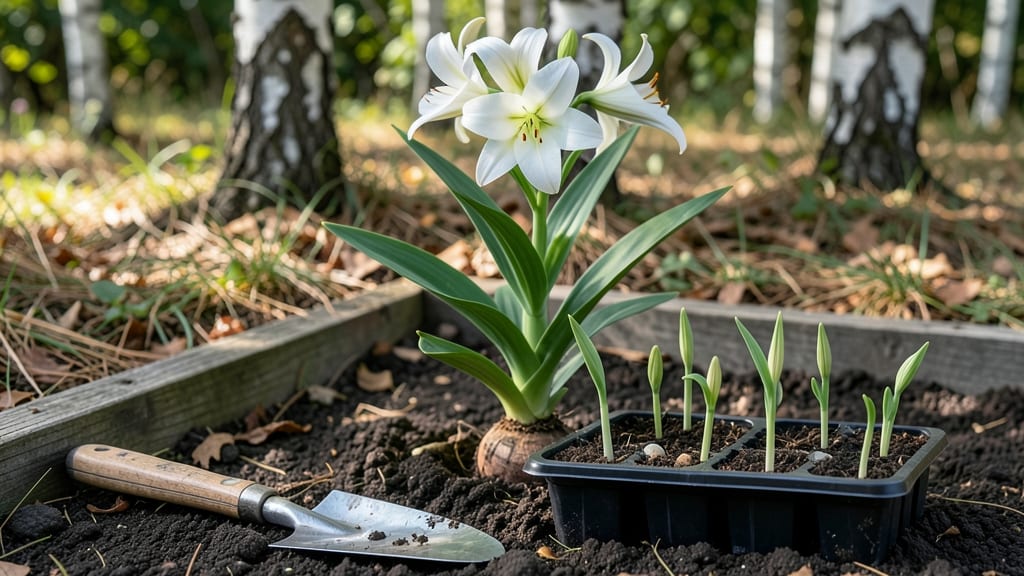
Planting lilium flower bulbs in the Pacific Northwest means timing is everything—get it right, and you’ll have bold, fragrant blooms that thrive through our damp springs and cool summers.
I’ve learned the hard way that rushing bulbs into the ground too early leads to rot, while waiting too long means fewer flowers next season. The key is knowing when to plant for your specific variety, whether that’s late fall for hardy types or early spring for tender ones.
Most frost-resistant lilies here—like ‘Stargazer’ or ‘Casa Blanca’—do best when planted 6-8 weeks before the ground freezes, usually in October or November.
Store any leftover bulbs in a cool, dry place until spring, but don’t wait past early April or you’ll miss the window for strong root establishment before summer heat arrives. The soil should be 50-60°F and workable, not soggy or frozen.
What you’ll end up with is lush, disease-resistant blooms that handle our region’s wet springs better than store-bought cut flowers ever could. The secret is well-draining soil (amend with compost) and mulch to protect roots during our unpredictable winters.
Once established, these lilies multiply yearly, giving you more flowers with less effort—and that’s a Pacific Northwest gardener’s dream.
Whether you’re planting in containers for patios or in-ground beds, the same rules apply. Just watch for squirrels digging up bulbs—they’re notorious for this—and consider a chicken wire barrier if you’ve lost bulbs before.
With the right timing, your lilies will reward you with heights of 3-6 feet and blooms from mid-summer to fall.
📚 In This Guide
- What you need
- Instructions
- Tips and common mistakes
- Wrapping up and next steps
What you need
- ● Lilium bulbs: Choose Pacific Northwest-friendly varieties like Lilium 'Black Out', 'Stargazer', or 'Casa Blanca'. Buy 3–5 bulbs per planting location for a fuller display.
- ● Well-draining soil: Amend heavy clay soil with 2–3 inches of compost or organic matter (e.g., peat moss or coconut coir) to improve aeration.
- ● Slow-release fertilizer: A 10-10-10 or 5-10-10 NPK blend (1–2 tbsp per bulb) to support root growth.
- ● Mulch: 3–4 inches of straw, wood chips, or shredded bark to insulate bulbs from winter frost and retain moisture.
- ● Garden gloves & trowel: For safe handling and digging.
- ● Bulb planter: A hand-held tool to create perfect holes (depth: 6–8 inches, spacing: 12–24 inches apart).
- ● Plant support: Stakes or rings for tall varieties like 'Stargazer' (6–12 inches tall).
- ● Drip irrigation or soaker hose: For consistent moisture without overwatering.
- ○ Frost cloth: Lightweight fabric to protect young shoots during late frosts (optional for early spring).
- ● Pest deterrents: Copper tape or neem oil spray to ward off slugs and deer.
Step-by-Step guide for planting frost-resistant Lilium bulbs in the Pacific Northwest
Here’s how to establish hardy lilies that thrive through PNW winters and return year after year.
🌱 Step 1: Select and Prepare the Planting Site
Choose a location with well-draining soil and at least 6 hours of morning sun—lilies appreciate cooler afternoon shade in the PNW’s humid climate. Test your soil’s drainage by digging a 6-inch hole and filling it with water; if it drains in under 30 minutes, the site is suitable. If not, amend the soil with 2-3 inches of coarse sand or perlite mixed into the top 12 inches of soil.
Lilies prefer slightly acidic to neutral soil (pH 6.1-7.0). If your soil is heavy clay, incorporate 2-3 inches of compost into the planting area to improve structure and fertility. Avoid low-lying spots where cold air settles, as even frost-resistant varieties can suffer from prolonged dampness.
🪴 Step 2: Plant Bulbs at the Correct Depth and Spacing
Plant lilium bulbs in early fall, about 6-8 weeks before the first hard frost (typically September-October in the PNW). Dig holes 3 times deeper than the bulb’s height—most lilium bulbs need 6-8 inches of soil coverage for winter protection. For example, a 3-inch bulb should sit 9 inches deep. Place the bulb with its pointy end up and roots spread naturally.
Space bulbs 12-18 inches apart in rows, allowing room for foliage to spread. If planting in clusters, leave 24 inches between groups to prevent overcrowding, which increases disease risk. Water deeply after planting to settle the soil and eliminate air pockets around the bulb.
☀️ Step 3: Mulch and Protect for Winter Hardiness
Apply a 3-inch layer of organic mulch (such as straw or shredded bark) over the planting area once the ground freezes. This insulates bulbs from 20-25°F temperatures, which PNW winters often dip to. Avoid thick layers of wet mulch, as they can suffocate bulbs—opt for dry, breathable materials. In particularly cold microclimates (east of the Cascades), add an extra 2 inches of mulch in December.
Lilies enter dormancy naturally, so do not water once foliage yellows in late summer. This prepares them for winter. In Zone 7-8 (common in western WA/OR), lilies often survive winters unprotected, but Zone 6 and colder (eastern WA, ID panhandle) benefit from extra mulch or a light burlap cover during extreme cold snaps.
✂️ Step 4: Support and Maintain Through the Growing Season
Install sturdy stakes or rings at planting time to support tall varieties like Lilium ‘Stargazer’ or ‘Regale’, which can reach 4-5 feet. Tie stems loosely with soft plant ties as they grow to prevent wind damage. Lilies need 1-1.5 inches of water per week during active growth (spring-summer), but reduce watering in late summer to harden off bulbs for winter.
Remove spent flower stalks after blooming to redirect energy to bulb storage, but leave foliage until it yellows naturally—this ensures the bulb stores enough nutrients for next year. Fertilize lightly in early spring with a balanced 10-10-10 fertilizer (use ½ teaspoon per bulb) to encourage strong growth without promoting weak stems.
⏰ Step 5: Monitor and Adjust for Long-Term Success
Watch for leaf spot or botrytis fungus (common in PNW humidity) and remove affected foliage immediately. Space out plantings in 3-year rotations to prevent soil-borne diseases. If lilies fail to bloom, they may need more sunlight or deeper planting—dig up a bulb to check depth if issues persist.
In Zone 6 and colder, dig up and store tender bulbs (like Lilium asiatic hybrids) after foliage dies back, but PNW-native varieties (e.g., Lilium columbianum) often naturalize and return reliably. For guaranteed winter survival, choose Lilium ‘Black Out’ or ‘Nevada’—both handle 15°F temperatures without protection.
Tips & tricks for planting frost-resistant Lilium bulbs
Common pitfalls—and how to sidestep every one—when planting lilies that survive PNW winters.
Soil Drainage Test: The 30-minute drainage test in Step 1 is non-negotiable for PNW gardens. If your soil drains slower, don't just add sand—mix in 2-3 inches of perlite throughout the top 12 inches of soil. This creates air pockets that prevent bulb rot, especially critical during the rainy winter months when soil stays saturated. I've seen bulbs fail in well-draining soil that wasn't properly amended—don't make that mistake.
Depth Calculation: Remember the 3x rule from Step 2: holes must be three times deeper than your bulb's height. For a 3-inch bulb, that means 9 inches deep. Use a ruler to measure your bulbs before planting—this precision prevents winter heaving, where bulbs push up through frozen soil. I learned this the hard way after watching several bulbs surface during our 2017 freeze-thaw cycles.
Mulch Layering: The 3-inch mulch layer in Step 3 works wonders, but timing matters. Apply it only after the ground freezes—earlier application can trap heat and encourage premature growth. In Zone 6 areas, add that extra 2 inches in December specifically during cold snaps when temperatures dip below 15°F. I keep a weather app handy to time this perfectly each year.
Watering Strategy: The 1-1.5 inches per week guideline in Step 4 is perfect for spring-summer growth, but late summer watering deserves special attention. Once foliage yellows, reduce watering immediately—this signals bulbs to prepare for dormancy. I set reminders to stop watering by mid-August to ensure proper hardening off before winter.
Pro Tips for Lilium Flower Bulbs
- Common pitfalls—and how to sidestep every one—when planting lilies that survive PNW winters.
- Soil Drainage Test: The 30-minute drainage test in Step 1 is non-negotiable for PNW gardens.
- Depth Calculation: Remember the 3x rule from Step 2: holes must be three times deeper than your bulb's height.
Frequently asked questions
Got questions about growing lilium flower bulbs in the Pacific Northwest? You’re not alone! Here are answers to the most common concerns—from planting tips to frost resilience and troubleshooting.
Can lilium bulbs survive PNW winters without extra protection?
Yes! Frost-resistant varieties like Lilium martagon (Turk’s Cap Lily) and Lilium canadense thrive in zones 3–8, handling snow and cold. Mulch with straw or leaves after the first frost to insulate roots. Avoid tender species like Lilium longiflorum (Easter Lily) unless planted in containers for winter relocation.
When is the best time to plant lilium bulbs in the PNW?
Plant bulbs in early fall (September–October) for spring blooms. This gives roots time to establish before winter. If you miss the window, plant in late winter (February) as soon as the soil is workable. Avoid spring planting—bulbs need chill time to flower.
How do I know if my lilium bulbs are diseased or rotting?
Check for soft, mushy bulbs (sign of rot) or blackened scales (fungus). Prevent issues by planting in well-draining soil, avoiding overhead watering, and spacing bulbs 6–12 inches apart. If rot is spotted, remove the bulb, trim affected areas, and replant in fresh soil with fungicide if needed.
Will liliums come back every year, or do I need to replant?
Perennial liliums (like Lilium superbum) return yearly if conditions are right: full sun, moist (but not soggy) soil, and proper spacing. However, bulbs may multiply over time—dig and divide clumps every 3–4 years to maintain vigor. Annuals (e.g., Lilium asiatic) may self-seed but often need replanting.
Are there deer-resistant lilium varieties for the PNW?
While no lilium is 100% deer-proof, Lilium martagon and Lilium pardalinum (Panther Lily) are less appealing due to their bitter scent. For extra protection, plant bulbs near deer-resistant perennials like Allium or use repellent sprays. Fencing or netting can also help during blooming season.
Can I grow liliums in containers instead of the ground?
Containers work well for tender varieties or small spaces. Use a fast-draining mix (add perlite or sand) and a pot with drainage holes. Move containers indoors or to a garage before frost. Just ensure they get 6+ hours of sunlight daily—PNW shade can stunt growth.
Wrapping up and next steps
Growing lilium flower bulbs in the Pacific Northwest is not only possible—it’s rewarding! With the right frost-resistant varieties like Lilium ‘Stargazer’ or Lilium ‘Casa Blanca’, you’ll enjoy vibrant blooms year after year.
Remember, proper planting depth, well-draining soil, and a bit of winter mulch are your secret weapons for success.
Ready to transform your garden? Start by selecting your bulbs today—whether from local nurseries or trusted online retailers—and get planting! Your future floral masterpiece awaits. 🌸✨