Flowers
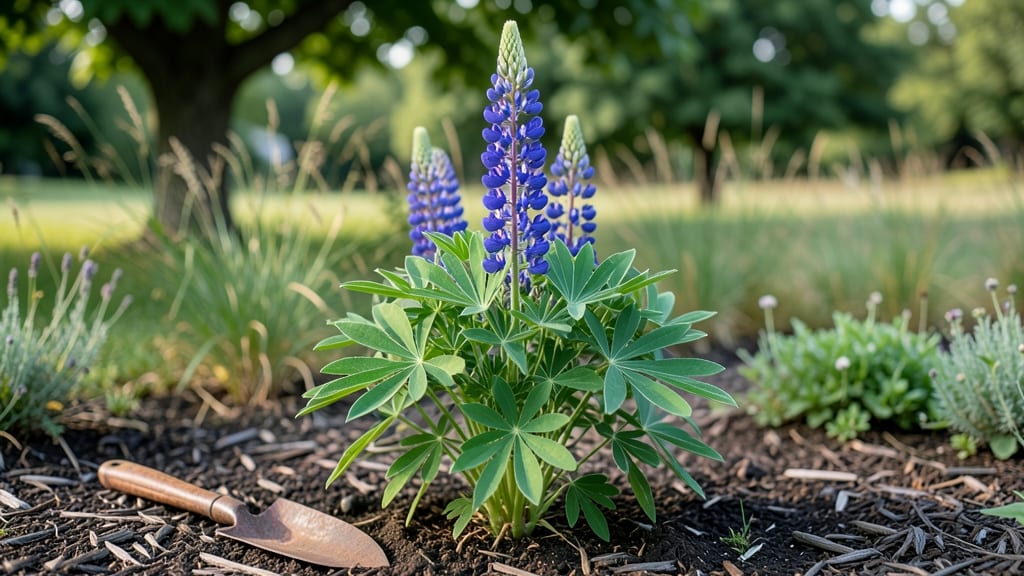
Mastering the art of lupine flower care isn’t just about watching them thrive—it’s about unlocking their shockingly lush blooms year after year with almost no fuss. I’ve grown these striking blue and purple spikes for years, and the secret lies in mimicking their natural, drought-tolerant habits rather than coddling them.
The first time I saw my lupines rebound after a dry spell with even more vibrant blooms, I knew I’d cracked the code.
You’ll need well-draining soil (they hate soggy roots), full sun for at least six hours daily, and patience—because lupines reward consistency over constant attention. Annual varieties might need a little more love, but perennials become near-indestructible once established. The biggest mistake?
Overwatering or fertilizing too much, which leads to floppy stems and fewer flowers. Think of them like desert survivors: give them space, good drainage, and occasional feedings, and they’ll reward you with foot-tall spikes of color.
By summer’s end, you’ll have lupines that bounce back from pruning, resist pests, and even self-seed for next year’s show. The key is timing—cut back after blooming but before seeds form, and watch them send up fresh shoots by early spring.
Even in my busy zone 7 garden, these plants handle neglect better than most annuals, making them the ultimate low-maintenance star.
Whether you’re dealing with annuals that need replanting or perennials that come back stronger each year, the same rules apply: drainage first, sun second, and minimal interference after that. Lupines aren’t just flowers—they’re a statement of effortless beauty. Let’s get them growing right.
📚 In This Guide
- What you need
- Instructions
- Tips and common mistakes
- Wrapping up and next steps
What you need
- ● Lupine seeds or seedlings: Choose from Lupinus polyphyllus (tall, showy) or Lupinus perennis (wild blue lupine). Start with 3–5 plants for a stunning display.
- ● Well-draining potting mix: 3–5 gallons of a blend with 50% perlite or sand and 50% peat or coconut coir (lupines hate soggy roots!).
- ● Container or garden bed: For containers: 5–10-gallon pots with drainage holes (one plant per pot).
- ● For gardens: Full sun (6+ hours/day) and slightly alkaline soil (pH 6.0–7.5).
- ○ Slow-release fertilizer (optional but helpful): A balanced 10-10-10 or phosphorus-heavy 5-10-5 blend (follow package rates).
- ● Garden trowel or small shovel (for transplanting).
- ● Watering can or hose with a gentle spray nozzle (avoid overwatering!).
- ● Pruning shears (to trim dead blooms and encourage more flowers).
- ○ Mulch (optional): 1–2 inches of gravel or pine bark to retain moisture and deter weeds.
- ● Support stakes (for tall varieties): 3–4 bamboo stakes or tomato cages per plant if needed (especially for L. polyphyllus).
Step-by-step guide to year-round lupine flower care
Here’s how I keep lupines blooming effortlessly—whether they’re in your garden beds or containers.
Plant in Well-Drained Soil with Full Sun
Lupines thrive in full sun—at least 6-8 hours daily—and well-drained soil to prevent root rot. I always test soil drainage by digging a hole, filling it with water, and checking if it drains within 30 minutes. If not, amend with sand or grit until the mix loosens up.
Choose a location where lupines won’t compete with aggressive roots. They’re deep-rooted and dislike being crowded. Space them 12-18 inches apart for mature plants, allowing room for their striking foliage to spread. If planting in containers, use a minimum 12-inch-deep pot with drainage holes.
Water Deeply but Sparingly After Establishment
Newly planted lupines need consistent moisture for the first 4-6 weeks to encourage root growth. Water deeply once a week—soaking the soil to 12 inches down—rather than shallow daily watering. This trains roots to seek moisture deeper, making them drought-tolerant once established.
After the first season, lupines become surprisingly drought-resistant. I water mine only when the top 2 inches of soil feel dry, usually every 10-14 days in summer. Overwatering is the biggest mistake—lupines hate soggy feet and will protest with yellowing leaves or stunted growth.
Fertilize Lightly and Prune Strategically
Lupines fix nitrogen in the soil, so they don’t need heavy feeding. In early spring, I scatter a low-nitrogen, balanced fertilizer (like 10-10-10) around the base, keeping it 6 inches away from stems to avoid burning roots. A light application is enough—too much fertilizer encourages leafy growth at the expense of flowers.
Deadhead spent blooms by snipping stems just above a set of leaves to encourage more flowers. I avoid cutting into old wood, as lupines bloom on new growth. In late fall, cut back foliage to 4-6 inches tall to tidy up, but leave some stems for winter interest and to protect the crown from cold snaps.
Protect from Pests and Overwinter Properly
Lupines are generally pest-resistant, but I keep an eye out for aphids or slugs, especially after rain. Aphids can be blasted off with water, while slugs are deterred by a crushed eggshell barrier around the base. If leaves show holes or chewed edges, act quickly—lupines recover slowly from damage.
In colder climates, mulch the base with 2-3 inches of straw or shredded leaves after the first frost to insulate roots. Lupines are hardy but appreciate a little winter protection. In spring, remove the mulch once new growth appears to prevent rot. This simple step ensures they bounce back strong every year.
Divide and Renew Every 3-4 Years
Lupines form dense clumps over time, and their flowering slows when they become overcrowded. Every 3-4 years, I dig up the entire plant in early spring or fall, divide the root ball into sections with 3-4 stems each, and replant them. This rejuvenates growth and keeps blooms vibrant.
Here’s the trick: Water the plant 24 hours before dividing to soften the soil and make roots easier to separate. Handle roots gently—lupines resent rough treatment. Replant divisions at the same depth they grew before, and they’ll reward you with fresh, vigorous blooms within a season.
Tips & tricks for perfect lupine flower care
These simple strategies will help you maintain vibrant lupines with minimal effort throughout the seasons.
Soil Preparation Secret: Before planting, mix in a handful of perlite or coarse sand into your native soil to improve drainage. Lupines despise soggy conditions, and this extra step prevents root rot—especially in clay-heavy soils. I test drainage by filling a hole with water and checking if it drains within 30 minutes, just as the instructions recommend. If water pools, add more grit until it drains properly.
Watering Wisdom: The key to successful lupine care lies in the first 4-6 weeks after planting. Water deeply once a week, soaking the soil to 12 inches down, rather than giving frequent shallow waterings. This encourages deep root growth, which makes your lupines drought-tolerant once established. After the first season, you can reduce watering to every 10-14 days when the top 2 inches of soil feel dry—just don't let them wilt completely.
Pruning Precision: When deadheading spent blooms, always snip stems just above a set of leaves to encourage new growth. This small detail prevents unsightly bare stems and redirects the plant's energy toward producing more flowers. In late fall, cutting back foliage to 4-6 inches tall keeps the plant tidy while protecting the crown from harsh winter winds. I've found that leaving some stems adds winter interest and helps insulate the base naturally.
Division Timing: For the 3-4 year division process, timing matters. I always choose early spring or fall because lupines are less stressed during these transitional seasons. Water the plant 24 hours before dividing to soften the soil—this makes the roots much easier to separate cleanly. When replanting divisions, maintain the same depth they grew at originally, and you'll see fresh blooms within a single season.
Pro Tips for Lupine Flower Care
- These simple strategies will help you maintain vibrant lupines with minimal effort throughout the seasons.
- Soil Preparation Secret: Before planting, mix in a handful of perlite or coarse sand into your native soil to improve drainage.
- Watering Wisdom: The key to successful lupine care lies in the first 4-6 weeks after planting.
Frequently asked questions
about lupine flower care—because even the hardiest blooms need a little TLC! Here are answers to the most common queries to keep your lupines happy and thriving.How often should I water lupine flowers?
Lupines are drought-tolerant once established, but young plants need consistent moisture. Water deeply once a week during the first growing season to encourage strong root development. After that, water only when the top inch of soil feels dry—overwatering can lead to root rot.
When is the best time to plant lupine seeds?
For optimal results, sow lupine seeds in early spring or late fall. Lupines benefit from a period of cold stratification, so planting in fall allows the seeds to naturally stratify over winter. If sowing in spring, chill seeds in the fridge for 4–6 weeks before planting to mimic winter conditions.
Are lupines good for attracting pollinators?
Lupines are a pollinator magnet, especially for bees and butterflies. Their vibrant blooms and high nectar content make them a fantastic addition to any pollinator-friendly garden. Plus, they’re nitrogen-fixers, improving soil health for other plants too!
Why are my lupine leaves turning yellow?
Yellowing leaves are often a sign of overwatering or nutrient deficiency. Check the soil—if it’s soggy, reduce watering. If the yellowing is paired with stunted growth, your lupines may need phosphorus-rich fertilizer (like bone meal) to support blooming.
Can I grow lupines in containers?
Yes, but choose large containers (at least 12 inches deep) with excellent drainage. Lupines have deep roots, so pots must accommodate their growth. Use a well-draining soil mix and place containers in full sun. Dwarf varieties like Lupinus nanus are ideal for container gardening!
Wrapping up and next steps
Caring for lupine flowers is a rewarding journey that brings vibrant color and resilience to your garden with minimal effort! By choosing the right variety, ensuring proper soil drainage, and providing occasional watering and sunlight, you’ll enjoy their stunning blooms year after year.
Remember, patience and a little attention to their unique needs will make all the difference.
Now that you’re armed with the knowledge, why not take the next step? Pick a sunny spot in your garden, grab your lupine seeds or seedlings, and get ready to welcome these hardy beauties into your outdoor space. Happy gardening! 🌸✨