
Flowers
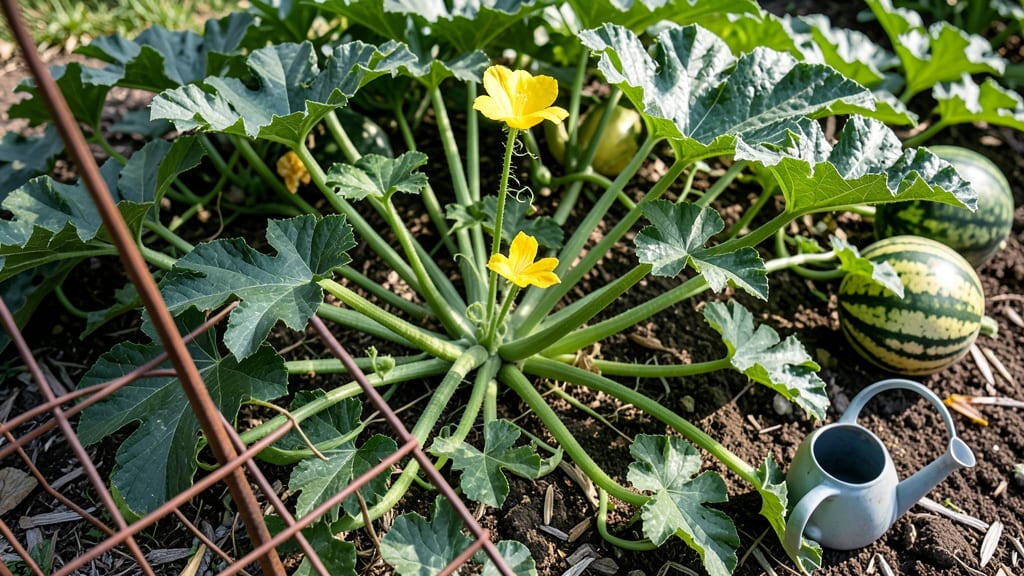
Those heavenly blue male watermelon flowers are the unsung heroes of your harvest—without them, your vines would never produce those sweet, juicy fruits you're craving. 🌿 I've spent years watching these delicate blooms transform from fuzzy buds into pollination powerhouses, and once you learn their secrets, your container-grown watermelons will thrive like never before.
The key is spotting the difference: male flowers grow on long stems with no swelling at the base, while females have that tiny watermelon bump. Hand-pollination becomes a breeze once you recognize them, and even a few minutes of gentle work with a paintbrush can double your fruit set.
My first attempt was clumsy—I accidentally crushed a few blooms—but now I treat it like a game of matchmaker for my plants.
You'll see the payoff in just a few weeks: vines heavy with fruit, bees buzzing happily between blooms, and that unmistakable watermelon scent filling the air. The best part? Container growers can still get great yields by encouraging these male flowers to do their job, even in limited space.
Let's make sure your vines know exactly what to do.
From choosing the right container size to troubleshooting pollination issues, I'll walk you through every step—no horticulture degree required. The biggest mistake I see is ignoring the male flowers entirely, assuming they're just decorative. Spoiler: they're the secret weapon behind every watermelon harvest.
📚 In This Guide
- What you need
- Instructions
- Tips and common mistakes
- Wrapping up and next steps
What you need
- ● Watermelon seeds or seedlings: Choose a container-friendly variety like 'Sugar Baby' or 'Tiny Tim' (2–3 seeds or 1–2 seedlings per pot).
- ● Containers: 5-gallon pots (minimum 12–18" deep) with drainage holes—terracotta or fabric pots work best. Quantity: 1 per plant (or 2–3 for companion planting).
- ○ Potting mix: 1 bag (2–3 cu. ft.) of well-draining, sterile mix (e.g., 60% peat moss, 30% perlite, 10% compost). Optional: Add 1 cup worm castings for extra nutrients.
- ● Support system: 4–6 ft. bamboo stakes or a trellis (1 per plant).
- ● Fertilizer: Balanced starter: 1 tbsp 10-10-10 fertilizer per pot at planting.
- ● Bloom booster: 1 tbsp 5-10-10 (high phosphorus) when vines reach 2 ft.
- ● Mulch: Straw or black plastic (1–2" layer) to retain moisture.
- ● Watering can: With a rose nozzle for gentle hydration.
- ● Pruning shears: Bypass-type (sterilized with rubbing alcohol).
- ● Sunlight: 6+ hours of full sun daily (south-facing spot or grow lights).
- ● Climate: Plant after last frost (soil temp ≥70°F) or start indoors 4–6 weeks early.
- ● pH test kit: Ideal soil pH: 6.0–6.8 (adjust with lime or sulfur if needed).
- ● Patience: Male flowers appear 4–6 weeks after transplanting (pollen-heavy blooms = pollination success!).
Step-by-step guide to cultivating male watermelon flowers in containers
Here's how to coax those stunning blue blooms from watermelon vines—even in limited space.
🌱 Step 1: Choose the Right Variety and Container Setup
Start with a compact watermelon variety like 'Sugar Baby' or 'Tiny Tim'—these thrive in containers and produce abundant male flowers for pollination. Use a 5-gallon container (minimum) with at least 12 inches of depth to accommodate sprawling roots. I always add 3-4 drainage holes to prevent soggy soil, which rots roots faster than you can say "failed harvest."
Fill the bottom third with garden rocks or broken pottery for drainage, then add a 2-inch layer of compost mixed into your potting soil. Watermelons love rich, slightly sandy soil that drains well but holds moisture. Place your container where it gets full sun (6-8 hours daily)—male flowers need warmth to develop properly. If your patio gets afternoon shade, move the plant to a sunny spot by mid-morning.
☀️ Step 2: Plant and Provide Warmth for Vigorous Growth
Plant seeds ½ inch deep after all frost risk has passed, or transplant seedlings when they have 4-5 true leaves. I like to pre-warm the soil by setting the container in a sunny spot for a day before planting—this jumpstarts root growth. Water deeply after planting to settle the soil around the roots, then let the top inch dry out before watering again.
Watermelons crave warmth, so if nights dip below 55°F, cover the plant with a frost blanket or move it indoors overnight. You'll see the first true leaves emerge in 7-10 days. Once they appear, fertilize lightly with a balanced 10-10-10 fertilizer diluted to half-strength. Too much nitrogen now will give you lush foliage but few flowers—that's the last thing you want.
💧 Step 3: Encourage Male Flower Production with Precision Care
Male flowers appear first on watermelon vines, and they're your signal that the plant is thriving. To trigger more male blooms, reduce water slightly once the plant reaches 12 inches tall. Let the top 2 inches of soil dry out between waterings—this stress encourages flower production. Overwatering now shifts the plant's energy toward fruit development instead of blooms.
Here's the thing—male flowers have long stems and no fruit behind them, while female flowers have tiny watermelons at their base. Once you spot 3-5 male flowers, hand-pollinate by gently brushing stamens onto female flowers (if you're growing fruit) or let bees do the work. Watch for blue petals with yellow centers—that's your male flower in full glory. If your vines get leggy, pinch back the tips to encourage bushier growth and more blooms.
✂️ Step 4: Maintain and Extend the Blooming Season
Prune regularly to keep air circulating—this prevents fungal diseases that can kill flowers before they open. Remove any yellow or diseased leaves immediately, and trim back overgrown vines to 18 inches if they start to sprawl uncontrollably. I always prune in the morning so wounds have time to dry before evening moisture sets in.
To prolong blooming, add a slow-release fertilizer every 4-6 weeks after the first flowers appear. Male flowers are less fussy than female ones, but they still need consistent care. If your container starts to dry out quickly (a sign of root-bound plants), repot into a 7-gallon container with fresh potting mix. You'll see new growth and more blooms within 2 weeks—it's like hitting the reset button for the plant.
Tips & tricks for cultivating male watermelon flowers
Here's what nobody tells you about getting those vibrant blue blooms—without the guesswork.
Container Size Matters: That 5-gallon minimum isn't just a suggestion—it's non-negotiable for root health. I've seen watermelon vines wither in 3-gallon pots because roots outgrow the space. If you're growing in a balcony, opt for the 7-gallon upgrade immediately when you see vines reaching for the edges. Roots need room to spread, not suffocate.
Sunlight Strategy: The 6-8 hours of full sun is non-negotiable, but timing matters just as much. Position your container where it gets morning sun and afternoon shade if temps exceed 90°F. Watermelon flowers wilt in extreme heat—think of it as their way of saying "cool down, I'm delicate." Move plants to shaded areas during peak afternoon heat if your area gets scorching summers.
Watering Precision: That 2-inch soil dry-out rule is your secret weapon. Stick your finger in the soil—if the top 2 inches feel dry, it's time to water. Overwatering at this stage is the #1 reason plants focus on leaves instead of flowers. I use a moisture meter now, but even that can be fooled by sandy soil. When in doubt, wait another day.
Pruning Payoff: Don't be afraid to get aggressive with those 18-inch vines. Pruning in the morning gives wounds time to dry before evening moisture sets in, preventing fungal infections that can kill blooms before they open. I always prune just above a leaf node—this encourages bushier growth and more flowers. Think of it as giving your plant a haircut for better airflow.
Pro Tips for Male Watermelon Flower
- Here's what nobody tells you about getting those vibrant blue blooms—without the guesswork.
- Container Size Matters: That 5-gallon minimum isn't just a suggestion—it's non-negotiable for root health.
- Sunlight Strategy: The 6-8 hours of full sun is non-negotiable, but timing matters just as much.
Frequently asked questions
Got questions about those striking male watermelon flowers? You’re not alone! Here are answers to the most common curiosities—from identification to troubleshooting—so you can grow bold blooms with confidence.
How can I tell if a watermelon flower is male vs. female?
Male flowers have a long, slender stem and no watermelon-shaped bulb at the base—they’re all about pollination! Female flowers, by contrast, feature a tiny watermelon (the future fruit) behind the bloom. Pro tip: Male flowers appear first and in clusters, while females emerge later, often solo.
Why aren’t my male watermelon flowers opening?
Male flowers may stay closed due to heat stress, low humidity, or overcrowding. Ensure your plants get 6–8 hours of sunlight and consistent watering (1–2 inches per week). If temps soar above 90°F, provide light shade during peak afternoon heat. Troubleshoot: Check for pests like aphids, which can block blooms.
When is the best time to harvest male flowers for pollination?
Harvest male flowers early morning when they’re fully open but still fresh. Use clean scissors to snip the stem, leaving a small portion attached. Key timing: Transfer them to female flowers within 1–2 hours for optimal pollination. Avoid harvesting after noon to prevent wilting.
Can I grow watermelons without male flowers?
Nope! Male flowers are essential for pollination—without them, female flowers won’t develop fruit. However, if you’re growing self-pollinating varieties (like ‘Sugar Baby’), you might see some fruit without manual help. For container gardens, hand-pollinate by transferring pollen with a paintbrush or cotton swab.
What should I do if my male flowers drop too early?
Early flower drop often signals stress from underwatering, nutrient deficiencies (especially nitrogen), or temperature swings. Boost care by:
- Adding balanced fertilizer (10-10-10) every 2–3 weeks.
- Mulching to retain moisture and stabilize soil temps.
- Avoiding sudden water changes—keep soil consistently damp.
Wrapping up and next steps
Growing male watermelon flowers in containers isn’t just rewarding—it’s a thrilling journey into bold vines and heavenly blue blooms that’ll make your garden the talk of the neighborhood! 🌱 With the right soil, sunlight, and a touch of patience, you’ve got everything you need to cultivate these showstoppers.
Whether you’re a seasoned gardener or a curious beginner, your efforts will bloom into something truly special.
Ready to take the next step? Start small—pick a sunny spot, grab your seeds, and let nature do the rest! Soon, you’ll be sharing your stunning watermelon blooms with friends (or maybe even saving a few seeds for next year’s harvest). Happy gardening! 🌸