Watering
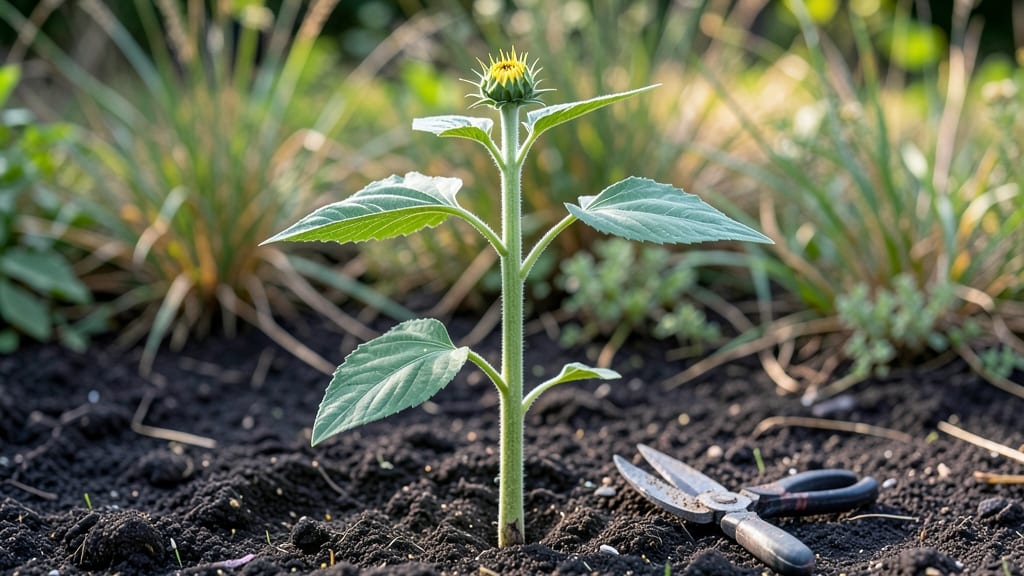
Growing mammoth sunflower seedlings starts with a single secret: deep roots. These giants need strong foundations to support their towering stems, and that begins in the soil before you even see the first leaves.
I learned this the hard way—my first batch of seedlings flopped over like drunkards because their roots couldn’t anchor them. The fix? A little extra care in those first few weeks makes all the difference.
You’ll need just a few simple supplies: a sturdy container or seed tray, well-draining soil mix, and a sunny spot. Plant seeds about 1 inch deep and keep them consistently moist—not soggy—until they sprout.
Once they’re up, give them 3-4 hours of direct sunlight daily and water at the soil level to avoid weakening stems. Leggy seedlings? That’s your cue to move them closer to light or add a grow light.
By the time they’re 4-6 inches tall, you’ll notice the difference: thick stems, vibrant green leaves, and roots that dig deep. These seedlings won’t just survive—they’ll thrive, setting the stage for 10-foot monsters by summer.
The key is patience and consistency, but the payoff is worth every drop of water and minute of sunlight.
Whether you’re a beginner or a seasoned gardener, mammoth sunflowers reward attention to detail. From preventing pests to adjusting for your climate, small tweaks early on mean fewer headaches later. Ready to grow giants? Let’s get those roots strong.
📚 In This Guide
- What you need
- Instructions
- Tips and common mistakes
- Wrapping up and next steps
What you need
- ● Mammoth sunflower seeds: 3–5 seeds (choose a variety like ‘Russian Giant’ or ‘Mammoth’ for heights of 10+ feet!).
- ● Large container or garden bed: Minimum 12" deep and 18" in diameter (or a 5-gallon pot for seedlings). For direct sowing, ensure soil depth is at least 18".
- ● High-quality potting mix: 2–3 bags (sterile, well-draining mix with compost or coconut coir for nutrients).
- ● Watering can or hose with a gentle spray nozzle: For consistent moisture without disturbing seedlings.
- ● Fertilizer: Balanced 10-10-10 or organic options like fish emulsion (follow label rates for seedlings).
- ● Stakes or trellis: 6–8 ft tall (bamboo or metal) to support future growth.
- ○ Seedling heat mat: (Optional) Speeds up germination in cooler climates.
- ○ Grow lights: (Optional) For indoor starts or low-light conditions.
- ● Mulch: Straw or wood chips to retain soil moisture and suppress weeds.
- ● Plant tie clips: Soft Velcro or fabric ties to secure stems to stakes as they grow.
- ○ Soil moisture meter: (Optional) Ensures roots stay hydrated without overwatering.
How to cultivate strong mammoth sunflower seedlings
Here’s how to raise seedlings that’ll support those 12-foot monsters—no weak stems or flopping blooms.
Start Seeds Indoors with Proper Depth and Warmth
Plant one seed per cell in a 2-3 inch deep container filled with sterile seed-starting mix. Press the seed ½ inch deep—too shallow and they’ll dry out; too deep and they’ll struggle to emerge. I like to use biodegradable pots so I don’t disturb roots later.
Keep the soil consistently moist but not soggy—think of a wrung-out sponge. Place the tray on a seedling heat mat set to 75-80°F to speed germination. Sunflowers sprout in 7-14 days, but cooler rooms (below 65°F) can delay this by weeks. Watch for green hooks breaking the soil—those are your first true leaves.
Here’s the thing—don’t overwater now. Excess moisture causes damping-off, a fungal disease that turns seedlings to mush overnight. Water only when the top ½ inch feels dry, and use a spray bottle to avoid disturbing seeds.
Provide Strong Light to Prevent Leggy Growth
As soon as those first true leaves appear, move seedlings under a grow light or to a south-facing windowsill. Sunflowers need 14-16 hours of light daily—without it, they’ll stretch toward any available light, growing weak and spindly. I use a full-spectrum LED kept 4-6 inches above the plants and raise it as they grow.
Leggy seedlings have long, pale stems with leaves spaced far apart. If you see this, lower the light immediately—they’re begging for more intensity. Rotate the tray quarter-turn daily so stems grow straight, not lopsided toward the window.
I also fertilize lightly at this stage with a balanced 10-10-10 solution (½ strength) to encourage root and stem strength. Over-fertilizing now just burns tender seedlings, so less is more.
Harden Off Gradually for Outdoor Success
Two weeks before your last frost, start hardening off seedlings. Place them outside in a sheltered, shaded spot for 1-2 hours the first day, then increase time by 1 hour daily. By day 10, they should handle full sun and wind without wilting.
Watch for wilting or yellowing leaves—this means they’re not ready. Sunflowers are tough, but sudden exposure shocks them. On the last day, leave them out overnight to test their resilience. If they survive, they’re ready for the garden.
When transplanting, bury the stem deeper than the soil line—this encourages strong root development along the buried stem. Space seedlings 18-24 inches apart in well-drained soil enriched with compost. Deep roots need room to grow, so don’t skimp on space.
Support Early Growth with Staking and Watering
Even strong seedlings need support as they grow. Install 6-foot stakes or tomato cages at planting and tie stems loosely with soft fabric strips. Sunflowers grow fast, so check ties weekly—they’ll need adjusting as stems thicken.
Water deeply 2-3 times per week, soaking the soil to 12 inches deep. Shallow watering encourages weak roots. You’ll know you’re doing it right when the soil feels damp at that depth—stick your finger in to check. Mulch with 2-3 inches of straw to retain moisture and prevent soil-borne diseases.
Here’s where it gets fun—watch the roots. If you gently tug on a stem and it doesn’t budge, you’ve got a strong anchor. If it wobbles, add a second stake or reinforce ties. Mammoth sunflowers need sturdy support from day one.
Tips & tricks for perfect mammoth sunflower seedlings
Growing towering sunflowers starts with these foundational tricks—your secret weapon against floppy stems and weak roots.
Germination Precision: In Step 1, the 75-80°F heat mat temperature is non-negotiable for consistent germination. If your room stays below 65°F, consider using a small greenhouse dome over each seedling cell to trap warmth. The goal is to mimic spring soil temperatures—any cooler and germination can stretch to three weeks instead of the 7-14 day window. I've seen seedlings emerge in just 5 days with proper warmth, so don't rush this stage.
Light Management Technique: When your seedlings hit Step 2's 14-16 hour light requirement, position your grow light so it's just 4-6 inches above the tallest leaves. The key is to raise the light as stems grow—this prevents leggy growth by keeping leaves from stretching toward the light source. I rotate my trays every 12 hours (not daily) to ensure even growth, which creates stronger stems that can support those towering blooms.
Harden Off Strategically: During Step 3's hardening process, I recommend starting with just 1 hour on day one rather than the full 1-2 hours. This gives seedlings time to adjust without shock. Watch for leaves that perk up within 30 minutes of being brought back inside—this is your signal they're ready for more time outside the next day. The overnight test on day 10 is critical: if any leaves show signs of stress, extend the hardening period by 2-3 days.
Support System Upgrade: For Step 4's staking, I've found that using two 6-foot stakes crossed in an "X" pattern behind each seedling creates a more stable support system than single stakes. The crossing prevents the plant from pushing against just one side as it grows. When tying stems, use soft fabric strips rather than wire—they'll adjust as stems thicken without causing damage.
Pro Tips for Mammoth Sunflower Seedling
- Growing towering sunflowers starts with these foundational tricks—your secret weapon against floppy stems and weak ro...
- Germination Precision: In Step 1, the 75-80°F heat mat temperature is non-negotiable for consistent germination. If y...
- Light Management Technique: When your seedlings hit Step 2's 14-16 hour light requirement, position your grow light s...
Frequently asked questions
Got questions about growing mammoth sunflower seedlings?
You’re not alone! Here are answers to the most common queries to help you nurture those towering beauties from the start.
How long does it take for mammoth sunflower seedlings to sprout?
With consistent moisture and warm soil (70–85°F), mammoth sunflower seedlings typically emerge in 7–14 days. If you’re using pre-soaked seeds, expect sprouts within 5–7 days. Patience is key—slow starters may still pop up!
Should I water mammoth sunflower seedlings daily?
Not quite! Overwatering can drown tender seedlings. Aim to keep the soil evenly moist (not soggy)—water lightly every 2–3 days or when the top inch feels dry. A spray bottle or gentle watering can prevents disturbing delicate roots.
When is the best time to transplant mammoth sunflower seedlings outdoors?
Wait until after the last frost and soil temps hit 55°F+ (usually late spring/early summer). Seedlings should have 2–4 true leaves and sturdy stems. Harden them off for 5–7 days first to avoid shock!
What if my mammoth sunflower seedlings look leggy or weak?
Leggy seedlings often mean too little light. Move them to a sunny windowsill or grow light immediately. If roots are crowded, transplant into larger pots with fresh, nutrient-rich soil. Avoid overcrowding—space them 12+ inches apart.
Can I grow mammoth sunflowers from store-bought seeds?
Yes! Store-bought mammoth sunflower seeds (like Russian Giant or Mammoth Russian) work perfectly. Just ensure they’re non-GMO, untreated for best germination. For extra vigor, soak seeds in water for 4–6 hours before planting.
Wrapping up and next steps
Growing mammoth sunflower seedlings into towering giants is a rewarding journey that blends patience, care, and a little sunshine! 🌱 With the right watering techniques, well-draining soil, and consistent attention, you’ll soon be watching those sturdy stems reach for the sky.
Remember, deep roots start with deep watering—so keep that hose handy and celebrate every inch of growth.
Ready to take the next step? Transplant your seedlings outdoors once they’re sturdy and the frost has passed—then stand back and admire your progress! 🌞 Share your sunflower success with fellow gardeners or dive deeper into advanced care tips to keep those giants thriving.