Flowers
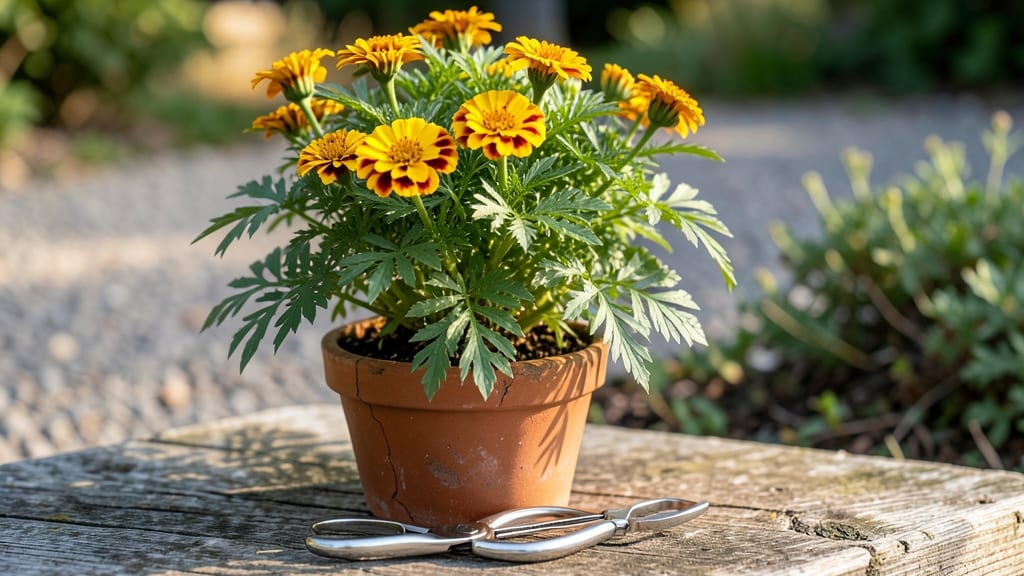
Saving marigold seeds from flowers is the easiest way to grow next year’s brightest blooms for free—no store-bought packets needed. 🌻 I’ve turned last season’s faded orange and gold flowers into next year’s bold garden stars using just a few simple steps that take less than an hour.
The key is patience: letting nature do the work while you wait for those papery seed pods to open just right.
You’ll need mature flowers that have fully dried on the plant, a clean paper bag or envelope, and a dry, dark spot to store them. The process works best with French marigolds or African marigolds—their seeds are plump and easy to handle once the blooms turn brown and crispy.
Most gardeners skip this step, but saving seeds means you’ll have exactly the colors and varieties you love growing back.
By next spring, you’ll be planting seeds that promise the same vibrant blooms you admired all summer. The dried seeds stay viable for up to two years, so you can even share extras with neighbors.
Just remember: the earlier you harvest those seed pods, the fresher your seeds will be when planting time rolls around.
This method works for both small containers and large garden beds, making it perfect for gardeners with limited space. Whether you’re saving seeds from a single pot or a whole border, the same principles apply—no fancy equipment required. Let’s get those seeds ready for next season’s sunshine.
📚 In This Guide
- What you need
- Instructions
- Tips and common mistakes
- Wrapping up and next steps
What you need
- ● Mature marigold flowers: Choose fully bloomed, healthy flowers with browned or dried petals (ideally from Tagetes varieties like French or African marigolds). Quantity: 5–10 flowers per batch (or more if saving for large-scale planting).
- ● Paper bags: Brown kraft paper lunch bags (1 per flower head) or small envelopes. Why? Breathable material prevents moisture buildup.
- ● Scissors or pruning shears: Sharp tools to snip flower heads cleanly from stems.
- ● Drying surface: Option 1: A flat, dry tray or cardboard box lined with newspaper.
- ● Option 2: A well-ventilated area (like a mesh screen or hanging basket) for air-drying.
- ● Air-tight containers: Small glass jars, plastic containers with tight lids, or resealable plastic bags. Size: 4–8 oz per container (adjust based on seed yield).
- ● Labeling supplies: Masking tape + marker or small tags to label containers with the variety name and year.
- ● Desiccant packets: Tiny silica gel packs to absorb excess moisture in storage containers.
- ● Fine mesh sieve: For gently separating seeds from chaff after drying.
- ● Humidity monitor: A small hygrometer (20–50% humidity ideal for seed storage).
- ● Freezer storage: If storing long-term, a freezer-safe bag for extra preservation.
Step-by-step instructions for harvesting and storing marigold seeds
Here's how I save seeds from my marigolds—simple, reliable, and ready for next year.
🌱 Step 1: Choose and Prepare Mature Flowers
Pick flowers that have fully bloomed and are starting to fade—look for brown, papery petals that have curled back. I avoid flowers that look diseased or have black spots, as those seeds might not grow well. Use clean, sharp scissors to snip the entire flower head from the stem, leaving about 1 inch of stem attached.
Place the cut flowers in a dry, shaded spot indoors. I like to lay them on a paper towel to catch any moisture. This prevents mold from forming while the seeds finish maturing. If you're working with multiple varieties, label each flower head with a marker and tape to avoid mixing them up later.
🌿 Step 2: Let Seeds Dry on the Flower Heads
Leave the flower heads to dry completely for about 7-10 days. You’ll know they’re ready when the flower head feels light and the seeds inside rattle when shaken gently. The seed pods should turn from green to a light brown color. If you live in a humid climate, speed up drying by placing the heads in a well-ventilated area with a small fan blowing lightly on them.
Don’t rush this step—if the seeds aren’t fully dry, they’ll mold before you can store them. I check daily by gently squeezing a seed pod; if it crumbles easily, it’s ready. If it’s still firm, give it a few more days.
✂️ Step 3: Remove and Clean the Seeds
Once the flower heads are completely dry, rub them between your palms or tap them gently over a clean piece of paper. The seeds will fall out, leaving behind the dry, papery husks. I use a small bowl to catch the seeds and shake the paper to collect any stragglers. Discard the husks—they’re not useful for storage.
To ensure clean seeds, spread them out on the paper and pick out any debris or chaff by hand. If you notice any discolored or shriveled seeds, remove those too—they won’t sprout well. Store the clean seeds in an envelope or small paper bag labeled with the marigold variety and the year harvested.
🪴 Step 4: Store Seeds in a Cool, Dry Place
Place the labeled envelope or bag in an airtight container, like a mason jar or a resealable plastic bag with the air squeezed out before sealing. Store the container in a cool, dark place, such as a pantry or refrigerator. I keep mine in a small glass jar on my kitchen shelf, away from heat and moisture.
Marigold seeds stay viable for about 2-3 years when stored properly. Check the seeds once a year to ensure they’re still dry and free from pests. If you notice any signs of mold or dampness, transfer the seeds to a new container immediately to prevent spoilage.
Tips & tricks for preserving marigold seeds
Here's what nobody tells you about saving those vibrant marigold seeds—tricks that'll make next year's garden even better.
The Right Time to Harvest: Wait until the flower petals have completely curled back and turned brown—this is your signal that the seeds are fully mature. I've learned the hard way that harvesting too early means immature seeds that won't sprout. Look for the center to turn from green to light brown, and give it that final check by gently squeezing a seed pod—it should crumble easily when fully dry.
Drying Strategy for Humid Climates: If you're in a damp area, don't just rely on air drying. Place your flower heads in a well-ventilated spot with a small fan blowing gently on them. I've had success using a box fan on low setting—this speeds up drying to about 5-7 days instead of the usual 7-10 days. Just make sure the airflow isn't too strong or it might scatter seeds prematurely.
Seed Cleaning Hack: After removing seeds from the flower heads, spread them on a clean sheet of paper and let them sit for about 10 minutes. Any remaining chaff or debris will float to the top—just gently blow it away before storing. This simple step saves you from dealing with unwanted debris later when you're ready to plant. I've found this works especially well for marigolds that produce lots of fine chaff.
Storage Container Wisdom: While mason jars are great, I've discovered that resealable plastic bags with the air squeezed out work even better for long-term storage. The vacuum seal prevents moisture from getting in, which is crucial for maintaining seed viability. Just make sure to label each bag clearly—next year's you won't remember which variety is which!
Pro Tips for Marigold Seeds From Flowers
- Here's what nobody tells you about saving those vibrant marigold seeds—tricks that'll make next year's garden even be...
- The Right Time to Harvest: Wait until the flower petals have completely curled back and turned brown—this is your sig...
- Drying Strategy for Humid Climates: If you're in a damp area, don't just rely on air drying. Place your flower heads ...
Frequently asked questions
Got questions about saving marigold seeds from your flowers? You’re not alone! Here are answers to the most common queries to help you master the process like a pro.
Can you save seeds from any marigold flower?
Most marigolds (like French or African varieties) produce seeds, but some hybrids (especially double-petaled types) may not yield viable seeds. Stick to single-petaled varieties for the best results. Check your plant’s label or ask a local nursery if you’re unsure!
How long does it take for marigold seeds to dry on the plant?
Seeds typically mature in 6–8 weeks after flowering, when the seed pods turn brown and papery. Wait until they easily crumble in your hand—don’t rush it! Harvesting too early can ruin seed quality.
What’s the best way to store marigold seeds long-term?
Store seeds in a cool, dry place (like a sealed envelope or jar with silica gel) at 35–40°F (2–4°C). Label them with the variety and date! Seeds stay viable for 2–3 years if stored properly.
Why aren’t my marigold seeds germinating?
Common culprits: old seeds (over 3 years), moisture issues (too wet or dry), or improper planting depth (seeds need light to sprout—just press them into soil!). Try soaking seeds overnight in warm water before planting.
Can I use marigold seeds for anything other than planting?
Beyond gardening, marigold seeds (and petals) are used in homemade pest repellents, natural dyes, and even culinary seasonings (sparingly—they’re bitter!). Just ensure they’re pesticide-free first!
Wrapping up and next steps
Saving marigold seeds from your flowers is a rewarding way to ensure vibrant blooms for seasons to come! With just a few simple steps—drying, storing, and planting—you can turn this year’s petals into next year’s garden stars. 🌻
Ready to give it a try? Start by harvesting your seeds today and watch your garden thrive with bold, cheerful marigolds year after year!