Pests
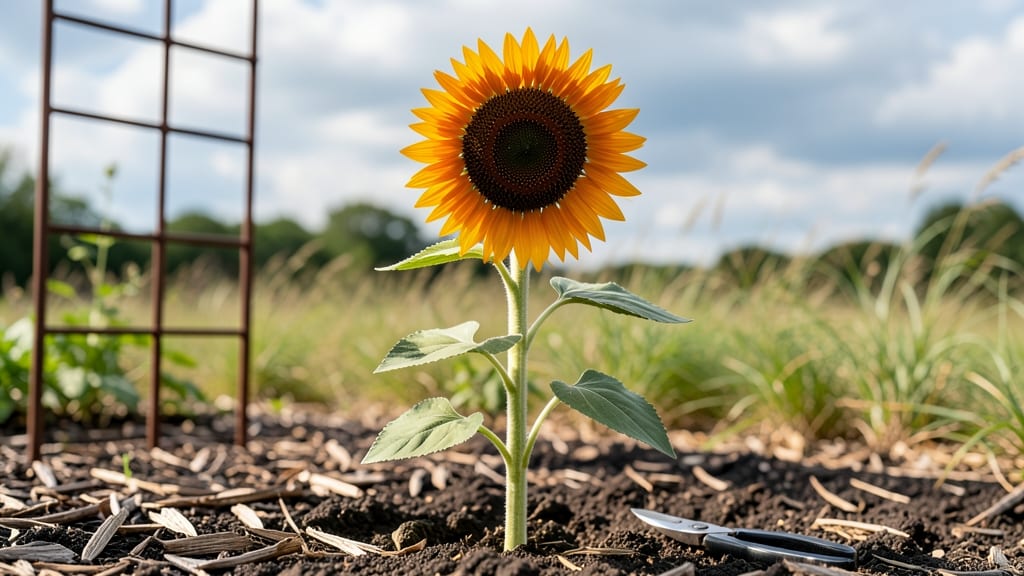
Growing Mexican orange sunflowers (Tithonia rotundifolia) in your Pacific Northwest garden means vibrant orange blooms that thrive where many tropical plants fail. 🌻 I’ve grown them for years in my Zone 7 garden, and their unmatched cold tolerance—down to 20°F—makes them the star of late-summer borders and pollinator patches.
The secret to their success? Well-draining soil that mimics their native rocky slopes and full sun for at least 6 hours daily. Water them deeply once a week (they’re drought-tolerant once established) and watch them climb naturally on trellises or sprawl gracefully in borders.
Seeds are the easiest way to start, but cuttings from mature plants root quickly in spring.
You’ll love how these sunflowers attract bees, butterflies, and hummingbirds while adding bold color to cut arrangements that last weeks in vases. Their tough stems hold up even in windy PNW summers, and they self-seed reliably—though deadheading spent blooms keeps them flowering longer.
Common mistakes? Overwatering (they hate soggy roots) and planting in shade (they’ll flop). For best results, stake them early or let them climb—either way, they’ll reward you with months of fiery color when other annuals fade.
📚 In This Guide
- What you need
- Instructions
- Tips and common mistakes
- Wrapping up and next steps
What you need
- ● Seeds or young plants: 3–5 Mexican Orange Sunflower seeds (or 1–2 nursery-grown plants for faster results). Opt for organic, non-GMO seeds if possible.
- ● Well-draining soil: A mix of native soil (amended with compost) and perlite or coarse sand (1:1 ratio) to prevent root rot. Pacific Northwest clay soil? Add 10–20% compost to improve drainage.
- ● Sunlight access: A full-sun location (6+ hours of direct sunlight daily). Partial shade (<50% filter) is tolerable but may reduce vibrant blooms.
- ● Watering can or hose: With a gentle spray nozzle to avoid disturbing seedlings.
- ○ Mulch (optional but recommended): Straw or wood chips (2–3 inches thick) to retain moisture and suppress weeds.
- ● Garden trowel or transplanting spade: For digging holes (6–8 inches deep for seeds, 12+ inches for plants).
- ● Pruning shears: Sharp, sterilized shears for trimming dead blooms or shaping the plant.
- ● Fertilizer (light-touch): A balanced, organic fertilizer (e.g., 5-5-5 or compost tea) applied once monthly during growing season (spring–fall). ⚠️ Avoid high-nitrogen fertilizers—they promote foliage over flowers!
- ● Pest monitoring: Keep an eye out for aphids or spider mites (common in PNW). A neem oil spray (1 tbsp per quart of water) is your best organic defense.
- ○ Support structure (optional): A trellis, stake, or wire cage (4–6 feet tall) to guide climbing vines if your garden space is tight.
Step-by-Step guide to planting and training Mexican orange sunflowers
Here's how to coax these vibrant climbers into thriving Pacific Northwest trellises.
🌱 Step 1: Choose the Perfect Planting Location
Mexican orange sunflowers (Tithonia rotundifolia) thrive in full sun—at least 6-8 hours daily—but their deep roots tolerate partial shade if afternoon sun is intense. In the Pacific Northwest's cooler climate, morning sun and afternoon shade works beautifully, especially near north-facing walls. I always test the spot by marking where the sun hits at midday—this helps visualize how the plant will grow toward the light.
These sunflowers love well-draining soil but aren't fussy about fertility. If your garden soil is heavy clay (common in PNW regions), amend with 2-3 inches of compost mixed into the top 12 inches of soil. The roots will appreciate the extra organic matter, especially in wet winters. Avoid low-lying areas where water pools—they hate soggy feet.
🪴 Step 2: Plant Seeds or Transplants at the Right Time
For direct sowing, wait until after the last frost date (typically late May in most of the PNW) when soil temperatures reach at least 60°F. You'll know it's time when the ground feels warm to the touch—like a sunny summer day. Plant seeds ½ inch deep, spacing them 12-18 inches apart in rows 2 feet apart for proper air circulation. I like to plant in early summer to give the roots time to establish before fall rains arrive.
If using transplants, choose 4-6 inch tall plants with sturdy stems and dark green leaves. Dig a hole twice as wide as the root ball but only as deep as the container. Gently remove the plant, loosen the roots if pot-bound, and place it in the hole so the top of the root ball sits level with the soil surface. Backfill with native soil, tamp lightly, and water deeply to settle everything.
⏰ Step 3: Install a Support Structure Early
Mexican orange sunflowers grow 6-10 feet tall and need strong support from day one. I recommend 6-foot bamboo stakes or metal trellises buried 18 inches deep—this prevents them from toppling in windy PNW conditions. Space supports 3 feet apart in rows for larger plantings. The vines will twine naturally, but you can gently weave them around the structure as they grow to encourage upward growth.
Here's the thing—don't wait until the plants are tall to install supports. Weak stems can snap under their own weight if left unsupported. I tie the main stems to the trellis with soft plant ties (never wire or anything that can cut into the bark) when they reach 12 inches tall. This gives them stability while still allowing flexibility for growth.
💧 Step 4: Water Deeply and Mulch for Retention
Water deeply once a week during the first growing season, aiming for 1-1.5 inches of water per week. The deep taproot means they're drought-tolerant once established, but young plants need consistent moisture. You'll know you're watering enough when the soil 1-2 inches down feels damp—stick your finger in to check. Overwatering is worse than underwatering for these sunflowers.
Spread 2-3 inches of mulch (like shredded bark or straw) around the base, keeping it 4 inches away from the stem to prevent rot. This conserves moisture, regulates soil temperature, and suppresses weeds—critical in the PNW's wet springs. Replenish mulch as it breaks down, especially after heavy rains. The mulch will gradually decompose, adding organic matter to the soil over time.
✂️ Step 5: Prune for Bushier Growth and Deadhead Regularly
Pinch back the top 2-3 inches of new growth when plants reach 12-18 inches tall to encourage bushier, more compact growth. This prevents them from growing too leggy, especially in lower-light PNW conditions. You'll see multiple side shoots develop within 2-3 weeks—this is your reward for pruning early. Regular pruning also improves air circulation, reducing the risk of fungal diseases common in damp climates.
Deadhead spent blooms by cutting the stem back to the nearest leaf or side shoot. This redirects the plant's energy into producing more flowers rather than setting seed. I do this every 7-10 days during peak bloom (late summer to early fall). The vibrant orange flowers will last longer and stay more vibrant with consistent deadheading. Plus, you'll get a steady supply of cut flowers for arrangements.
Tips & tricks for thriving Mexican orange sunflowers
Common pitfalls—and how to sidestep every one when growing these sun-loving climbers in the Pacific Northwest.
Sunlight Strategy: In Step 1, those 6-8 hours of sunlight are non-negotiable for vibrant blooms, but here's the trick for the PNW: position your plants where they get morning sun and afternoon shade if your garden gets intense afternoon heat. I've found that north-facing walls provide perfect afternoon shade while still capturing morning rays. Use a simple solar tracker by marking the sun's path at midday—this helps you visualize how the plant will grow toward the light throughout the day.
Soil Prep Secret: When amending heavy clay soil in Step 1, don't just add compost—work it into the top 12 inches of soil. I like to use a broadfork to loosen the soil first, then mix in the compost. This creates better drainage and prevents waterlogging, which these sunflowers absolutely hate. For even better results, add a handful of perlite to the mix—it helps with aeration and water retention without compacting the soil.
Timing Tip for Transplants: In Step 2, if you're using transplants, choose ones that are 4-6 inches tall with sturdy stems. The key is to plant them when soil temperatures reach at least 60°F—you'll know it's time when the ground feels warm to the touch, like a sunny summer day. I always plant mine in early summer to give the roots time to establish before fall rains arrive. If you're in a cooler microclimate, consider using black plastic mulch to warm the soil faster.
Support System: In Step 3, don't wait until the plants are tall to install supports. I recommend burying 6-foot bamboo stakes or metal trellises 18 inches deep—this prevents them from toppling in windy PNW conditions. When the plants reach 12 inches tall, tie the main stems to the trellis with soft plant ties. This gives them stability while still allowing flexibility for growth. For larger plantings, space supports 3 feet apart in rows to maximize space and airflow.
Pro Tips for Mexican Orange Sunflower
- Common pitfalls—and how to sidestep every one when growing these sun-loving climbers in the Pacific Northwest.
- I've found that north-facing walls provide perfect afternoon shade while still capturing morning rays.
- Soil Prep Secret: When amending heavy clay soil in Step 1, don't just add compost—work it into the top 12 inches of soil.
Frequently asked questions
How cold-hardy is the Mexican Orange Sunflower really?
The Mexican Orange Sunflower thrives in USDA Zones 9-11 but can tolerate brief dips to 28°F (-2°C) if planted in well-draining soil. In the PNW (Zones 7-9), treat it as an annual or grow it in containers to overwinter indoors. Mulch heavily in winter for extra protection!
What pests should I watch for in the Pacific Northwest?
While generally pest-resistant, keep an eye out for aphids (sap-sucking bugs) and spider mites (common in dry summers). Mexican Orange Sunflower is also a magnet for beetles like the Mexican sunflower beetle—handpick them or spray with neem oil if infestations occur. Ladybugs love these pests, so encourage them!
How long does it take to bloom after planting?
With proper care, you’ll see vibrant orange blooms 8-12 weeks after planting seeds. Start seeds indoors 6-8 weeks before last frost or sow directly in spring once soil reaches 60°F (15°C). Pro tip: Deadhead spent flowers to encourage nonstop blooms all season!
Can I grow Mexican Orange Sunflower in containers?
This climber does well in 10-15 gallon pots with drainage holes. Use a lightweight potting mix and provide a trellis or sturdy stake (they can grow 6-10 feet tall). Place containers in full sun and water when the top inch of soil is dry. Bonus: Containers make it easy to move plants indoors before frost!
What if my sunflowers aren’t blooming?
Check these common culprits:
- Not enough sun: Ensure 6+ hours of direct sunlight daily—partial shade = fewer blooms.
- Over-fertilizing: Too much nitrogen = leafy growth, no flowers. Use a low-nitrogen, high-phosphorus fertilizer instead.
- Underwatering: Drooping leaves? Water deeply 1-2 times per week (more in summer).
- Immature plants: Seedlings need time—blooms typically start at 6-8 weeks.
Are there drought-tolerant alternatives for the PNW?
If you love Mexican Orange Sunflower but want hardier options, try:
- Perennial Sunflower (Helianthus) (Zones 3-9): Drought-tolerant and pollinator-friendly.
- Blanket Flower (Gaillardia) (Zones 3-10): Thrives in poor soil and blooms all summer.
- Russian Sage (Perovskia) (Zones 5-9): Drought-resistant and deer-resistant.
Wrapping up and next steps
The Mexican Orange Sunflower is a stunning, low-maintenance choice for Pacific Northwest gardens, thriving in cooler climates while adding vibrant color and attracting pollinators. Its cold-hardy nature and pest-resistant traits make it a fantastic addition to any outdoor space—whether you're a seasoned gardener or just starting out! 🌸
Ready to give it a try? Start small by planting a single vine in a sunny spot and watch it transform your garden into a lively, buzzing oasis. Happy gardening! 🌱