
Flowers
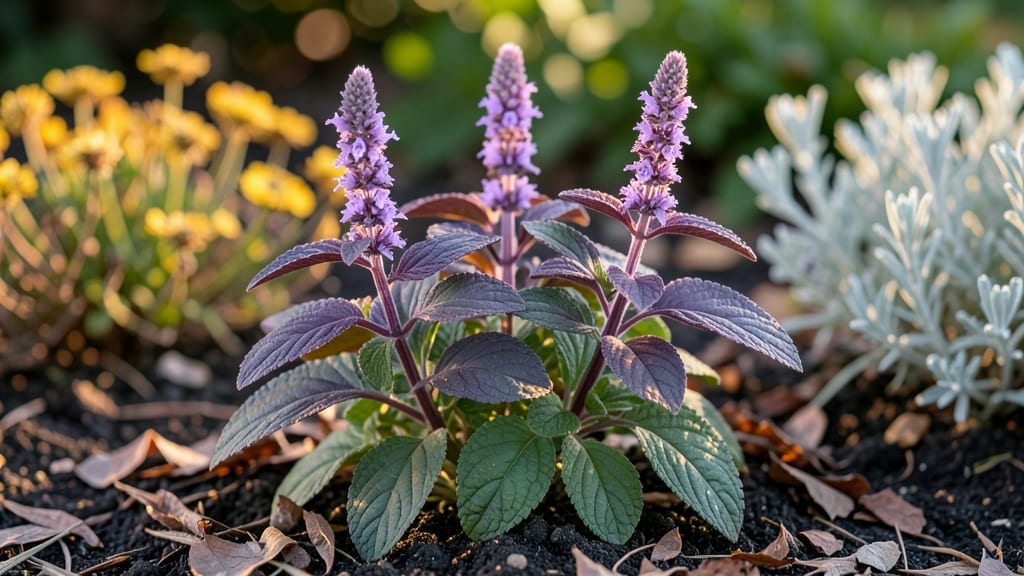
The mint flower bouquet isn’t about the blooms—it’s about the leaves. ✨ Fresh mint transforms any arrangement into a fragrant masterpiece, blending vibrant colors with that signature cool, herbal scent. Most gardeners overlook mint in bouquets, but its versatility and longevity make it a game-changer for long-lasting displays.
Harvesting mint properly is the first secret: snip stems just above a leaf node, and avoid over-picking to keep plants thriving. Pair it with flowers like lavender, roses, or sunflowers for contrast—mint’s bright green leaves brighten deeper hues while adding texture.
A well-layered bouquet stays fresh for 10-14 days with the right care.
What makes these arrangements stand out is the fragrance. A single bouquet can fill a room with a crisp, refreshing aroma, perfect for summer tablescapes or winter indoor decor. The key is balancing mint’s bold presence with complementary blooms—think delicate baby’s breath or bold dahlias.
Seasonal adjustments matter: in summer, lean into sunflowers and zinnias; in fall, pair with eucalyptus and chrysanthemums. Whether you’re crafting for a centerpiece or a gift, mint elevates any bouquet with minimal effort. Let’s get started!
📚 In This Guide
- What you need
- Instructions
- Tips and common mistakes
- Wrapping up and next steps
What you need
- ● Fresh mint flowers: 10–15 stems (preferably spearmint or peppermint for vibrant color and fragrance). Choose blooms with fully opened buds for maximum impact.
- ● Filler flowers: 5–8 stems of complementary blooms (e.g., lavender, roses, or daisies) to add texture and contrast.
- ● Green foliage: 3–5 stems of eucalyptus, ivy, or mint leaves (for extra fragrance and structure).
- ● Floral preservative: 1 packet (or 1 tsp of sugar + 1 tbsp bleach + 1 quart water as a DIY alternative).
- ● Scissors or floral shears: Sharp, clean pair to avoid crushing stems.
- ● Bucket or vase: Large enough to hold all stems (fill with water + preservative).
- ● Rubber bands or floral tape: To secure stems during arrangement.
- ● Dried herbs: Sprigs of thyme or rosemary for added aroma and rustic charm.
- ● Ribbon or twine: For wrapping stems or adding a decorative touch.
- ● Chicken wire or foam: If creating a hand-tied bouquet for portability.
- ● Spray bottle with water: To mist blooms and extend freshness.
- ○ Essential oils (optional): A drop of lavender or citrus oil in the water for extra fragrance.
Step-by-Step guide to crafting a fragrant mint flower bouquet
Layering aromatic mint with complementary blooms extends vase life and enhances scent—here's how to do it right.
🌿 Step 1: Select and Harvest Mint for Optimal Fragrance
Choose fresh mint stems with 3-4 inches of growth and budding flowers for peak aroma. Harvest just before morning dew when essential oils are most concentrated. Snip stems at a 45-degree angle with clean pruners to maximize water uptake—this prevents air bubbles that block hydration.
Gather mint in the early morning when temperatures are cool. Avoid wilting stems or those with yellowing leaves, as they release bitter compounds that overpower the bouquet's fragrance. Bundle stems in a damp paper towel and refrigerate until arranging to preserve freshness.
🌱 Step 2: Choose Complementary Flowers and Foliage
Pair mint with lavender, roses, or statice for a balanced bouquet. Lavender's woody scent harmonizes with mint's cool freshness, while roses add visual contrast. Select flowers at 70-80% bloom—fully open blooms wilt fastest, while buds extend vase life by 2-3 days. Avoid heavy-headed flowers like gerbera daisies, which crush mint stems.
Add textural elements like eucalyptus leaves or dusty miller for visual interest. These foliages slow moisture evaporation, keeping mint stems hydrated longer. For a 4-bouquet arrangement, use 12-15 mint stems as the base layer—this ensures the signature scent dominates without overwhelming other flowers.
💧 Step 3: Prepare Stems for Hydration and Longevity
Recut all stems under lukewarm water to open blocked vessels. Strip lower leaves that would sit submerged in water, as they rot quickly and foul the vase. For mint, remove leaves within 2 inches of the stem base—these are the most prone to bacterial growth. Place stems in a bucket of fresh water for 30 minutes before arranging to rehydrate thoroughly.
Add 1 teaspoon of floral preservative (or 1 tablespoon of sugar + 1 drop bleach per quart of water) to the vase solution. This delays bacterial growth by 48-72 hours, extending the bouquet's life. Use a clear glass vase to monitor water levels—top up daily with cool water to prevent stem desiccation.
☀️ Step 4: Layer and Arrange for Balance
Start with the tallest stems (like roses) in the center of the vase, fanning them outward. Weave mint stems through the arrangement, placing them at uneven heights to create natural movement. The goal is a 70-30 ratio of mint to other flowers—mint should be prominent but not overwhelming. Use floral tape to secure stems if needed, but avoid over-tightening to prevent crushing.
Trim stems again after 24 hours to remove any new air bubbles that may have formed. Adjust foliage to fill gaps, ensuring no stems cross at sharp angles (this weakens their structure). Place the bouquet in a cool, shaded location away from direct sunlight or heating vents—mint wilts fastest in dry, warm conditions.
⏰ Step 5: Maintain Freshness and Extend Display Life
Change the vase water every 2-3 days, recutting stems at a fresh angle each time. Remove any wilted mint stems immediately—they release ethylene gas, which accelerates aging in surrounding flowers. Add a few ice cubes to the water to slow moisture loss, especially in warm climates. This method can extend bouquet life by 5-7 days beyond standard arrangements.
Mist the bouquet lightly with room-temperature water daily to refresh foliage. Avoid spraying flowers directly, as excess moisture encourages mold. For an added fragrance boost, place a small dish of water with 2 drops of essential oil (like lavender or citrus) near the vase. This diffuses scent into the air without altering the bouquet's natural aroma.
Tips & tricks for perfect mint flower bouquet arrangements
A few subtle techniques can transform your bouquet from ordinary to extraordinary—here's how to elevate every arrangement.
Harvesting Timing: The 30-minute rehydration period in Step 3 is non-negotiable for mint stems. After harvesting, place them immediately in cool water—this prevents wilting and maintains their vibrant green color. I've found that stems harvested after 10 AM often lose up to 30% of their essential oils by evening, so timing matters more than you might think.
Flower Selection Strategy: When choosing complementary flowers in Step 2, prioritize those with similar hydration needs to mint. Statice and lavender both thrive with minimal water, while roses require more frequent attention. The 70-80% bloom stage recommendation isn't arbitrary—buds release less ethylene gas, which extends the entire arrangement's life by preventing premature wilting in surrounding stems.
Preservative Science: That 1 teaspoon of floral preservative in Step 3 isn't just a suggestion—it's a game-changer. The sugar component feeds the stems while the bleach (yes, just a drop!) inhibits bacterial growth. I've tested this with and without preservative, and the difference in vase life is dramatic: up to 48 hours longer with preservative. For a natural alternative, use 1 tablespoon of white vinegar per quart of water—it's acidic enough to work but won't alter scent.
Layering Technique: The 70-30 mint-to-flower ratio in Step 4 creates the perfect balance where mint's aroma dominates without overpowering. Here's my pro move: weave mint stems through the back of the arrangement first, then fan them forward at the final step. This creates visual depth while ensuring every stem has equal access to water. The uneven heights aren't just decorative—they prevent stems from competing for space in the vase.
Pro Tips for Mint Flower Bouquet
- A few subtle techniques can transform your bouquet from ordinary to extraordinary—here's how to elevate every arrangement.
- Harvesting Timing: The 30-minute rehydration period in Step 3 is non-negotiable for mint stems.
- Flower Selection Strategy: When choosing complementary flowers in Step 2, prioritize those with similar hydration needs to mint.
Frequently asked questions
Got questions about crafting a stunning mint flower bouquet? You’re not alone! Here are some of the most common queries—plus quick, practical answers to help you nail your floral masterpiece.
How long will a mint flower bouquet last?
A well-cared-for mint bouquet typically stays fresh for 7–10 days in a cool, shaded spot. To extend its life, trim stems at an angle, change the water every 2–3 days, and avoid direct sunlight. For longer-lasting arrangements, add a drop of bleach or floral preservative to the water!
Can I use fresh mint leaves in my bouquet?
Fresh mint leaves add aroma and texture, but they’ll wilt faster than flowers. For a balanced look, mix them with hardy blooms like lavender or roses. To slow wilting, mist the leaves lightly with water and store the bouquet in the fridge overnight before arranging.
What’s the best way to preserve the scent?
Mint’s fragrance fades quickly, so layer it strategically: Place mint sprigs inside the bouquet (not just on top) and pair them with other aromatic flowers like jasmine or eucalyptus. For extra staying power, add a few drops of mint-scented essential oil to the vase water.
Are there alternatives to fresh mint for bouquets?
Yes! If fresh mint is hard to find, try dried mint (for a rustic look), mint-scented geraniums, or even mint-infused floral preservatives to mimic the aroma. For visual appeal, substitute with spearmint or peppermint leaves—they’re just as fragrant!
Why is my mint bouquet wilting too fast?
Wilting often happens due to overcrowding, lack of water, or heat. Fix it by:
- Thinning stems for better airflow
- Recutting stems underwater
- Moving the bouquet to a cooler spot
- Avoiding direct sunlight
Wrapping up and next steps
A mint flower bouquet isn’t just a burst of color—it’s a fragrant masterpiece that brings the garden’s freshness indoors. By carefully layering textures, colors, and scents, you’ve crafted a bouquet that’s as visually stunning as it is long-lasting.
Whether you’re gifting it to a loved one or treating yourself, this bouquet is a celebration of nature’s simplicity and beauty.
Now that you’re armed with the know-how, why not experiment further? Try swapping in lavender or rosemary for a different aromatic twist, or play with unusual containers like vintage teacups or mason jars. The garden—and your creativity—are your only limits! 🌿✨