
Flowers
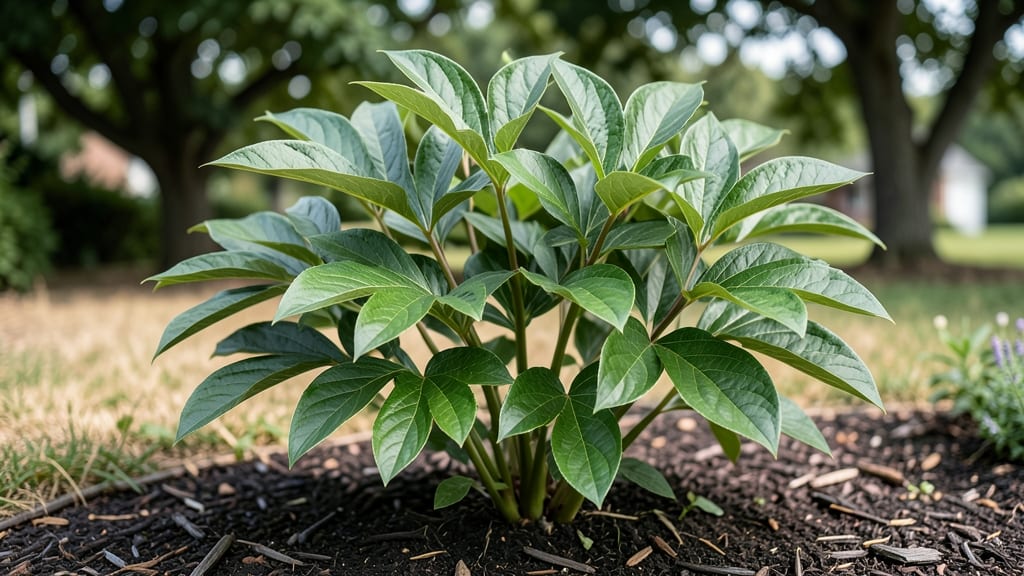
Peony flower leaves are the unsung heroes of your Pacific Northwest garden—bold, frost-resistant, and the secret to showstopping blooms. I’ve watched my peonies push through damp soil in March, unfazed by the region’s chill, because those deep green leaves store energy like a battery.
Without them, you’d have half the flowers—or none at all.
Here’s the thing—most gardeners focus on the blooms but neglect the leaves, which do 90% of the heavy lifting before flowers even appear. Prune them wrong in early spring, and you’ll stunt next year’s blooms.
But get it right, and you’ll see thicker stems, longer vase life, and flowers that arrive two weeks earlier than your neighbors’. The key? Timing, sharp tools, and knowing exactly which leaves to keep—and which to cut.
📚 In This Guide
- What you need
- Instructions
- Tips and common mistakes
- Wrapping up and next steps
What you need
- ● Peony tubers: Choose hardy varieties like Paeonia lactiflora (best for PNW). Buy 3–5 tubers per plant (or 10–15 for a small garden).
- ● Well-draining soil: Mix 1 part garden soil + 1 part compost + 1 part coarse sand or perlite (peonies hate soggy roots!).
- ● Organic mulch: 4–6 inches of straw, shredded bark, or wood chips to insulate roots in winter.
- ● Slow-release fertilizer: 5–10–10 NPK ratio (sprinkle ½ cup per plant in early spring).
- ● Garden trowel or spade (for planting tubers 2–3 inches deep).
- ● Garden fork (to loosen soil before planting).
- ● Measuring tape or ruler (to space tubers 3–4 feet apart for airflow).
- ● Watering can or hose with gentle spray (peony leaves detest waterlogged soil!).
- ● Pruning shears (for deadheading spent blooms and trimming foliage in fall).
- ● Peony support stakes (if growing tall varieties like Paeonia ‘Sarah Bernhardt’).
- ● Soil pH test kit (ideal range: 6.0–7.0; amend with lime if needed).
- ● Frost cloth (for extra protection in harsh PNW winters).
- ● Compost tea (boosts soil microbes for healthier leaves!).
How to cultivate hardy peony leaves in cold-climate gardens
Peonies thrive where others falter—here’s how to coax lush, frost-tolerant foliage in the Pacific Northwest.
🌱 Step 1: Choose the Right Variety for Your Zone
Not all peonies handle cold equally. For the Pacific Northwest’s zones 6-8, opt for herbaceous varieties like ‘Sarah Bernhardt’ or ‘Bowl of Beauty’—they die back to the ground each winter but return stronger. Tree peonies (like ‘Koi-Nu’) tolerate colder winters but grow slower. Avoid tender varieties meant for milder climates.
Look for bare-root plants in early fall or spring. The roots should be firm, with multiple buds (eyes) along the crown. If buying potted peonies, ensure the soil ball is intact and the plant isn’t pot-bound. Planting in October or March gives roots time to establish before summer heat or winter freeze.
☀️ Step 2: Plant in Full Sun with Proper Soil Prep
Peonies demand 6+ hours of direct sun daily—they won’t bloom or grow lush leaves in shade. In the Pacific Northwest, a south-facing spot with afternoon shade in summer works best. Amend heavy clay soil with 3 inches of compost and 1 inch of coarse sand to improve drainage. Peonies rot if their feet stay wet.
Dig a hole twice as wide as the root ball but only 2 inches deeper than the plant’s crown. Planting too deep smothers the buds, delaying blooms. Spread roots gently and backfill with native soil, tamping lightly to remove air pockets. Water deeply to settle the soil—you’ll see moisture sink 6 inches down before stopping.
💧 Step 3: Water Deeply and Mulch for Winter Protection
After planting, water once a week for the first month to encourage root growth. Once established, peonies are drought-tolerant but produce richer foliage with 1 inch of water every 2 weeks during dry spells. Avoid overhead watering—wet leaves invite fungal diseases. Instead, water at the base with a soaker hose.
In late fall (November), apply 3 inches of straw or wood chips around the base, leaving the crown exposed. This insulates roots from freezing temperatures while preventing rot. In zone 7 and colder, add a 4-inch layer of leaves for extra protection. Remove mulch in early spring once new shoots appear.
✂️ Step 4: Prune and Feed for Strong Foliage Growth
Prune nothing in the first year—let the plant focus on root establishment. In year two, cut back last year’s stems to the ground in late winter (February) before new growth starts. This prevents disease and encourages vigorous foliage. Never prune summer blooms—wait until after they fade to avoid weakening the plant.
Feed in early spring with 5-10-10 fertilizer (1 tablespoon per plant). Scratch it into the soil around the base, then water deeply. Repeat in mid-summer with a low-nitrogen fertilizer (like 0-10-10) to support blooming. Over-fertilizing leads to weak stems and fewer flowers—peonies prefer balance over excess.
⏰ Step 5: Monitor for Pests and Divide Every 5 Years
Peonies rarely have pests, but Japanese beetles may chew leaves. Handpick them early or spray with neem oil if infestations appear. Avoid chemical sprays—they harm beneficial insects. In late summer, watch for botrytis blight (gray mold on buds). Space plants 3 feet apart to improve airflow and prevent this issue.
Dig up and divide clumps in early fall or spring when they outgrow their space (usually every 5 years). Use a sharp spade to slice through the root ball, ensuring each section has 3-5 eyes. Replant immediately at the same depth. Dividing rejuvenates growth and prevents leggy stems or smaller blooms—a common sign of overcrowding.
Tips & tricks for perfect peony flower leaves in cold climates
Here's what nobody tells you about growing peonies that actually thrive in the Pacific Northwest's chilly winters.
Variety Selection Matters: When choosing your peonies, focus on herbaceous types like 'Sarah Bernhardt' or 'Bowl of Beauty' for zones 6-8. These varieties handle our winters beautifully by dying back to the ground and rebounding stronger each spring. Tree peonies like 'Koi-Nu' might look appealing, but they grow more slowly in our climate and often struggle with the winter freeze-thaw cycles we experience.
Planting Depth is Critical: In Step 2, when you're planting, remember that the crown should sit just below the soil surface—never deeper than 2 inches. I learned this the hard way after planting too deep and watching buds fail to emerge for two seasons. The crown needs to stay exposed to prevent rot while still being covered enough to protect those delicate buds from freezing temperatures.
Winter Protection Strategy: For the November mulching in Step 3, use 3 inches of straw or wood chips around the base but leave the crown exposed. This creates the perfect insulation without suffocating the plant. In colder zone 7 areas, I've found adding an extra 4-inch layer of leaves provides that crucial extra protection during our harshest winters when temperatures can drop below freezing for extended periods.
Pruning Timing Prevents Problems: The instructions mention not to prune in the first year, but I want to emphasize that even in year two, you should wait until after the blooms fade to cut back last year's stems. Pruning too early can weaken the plant and reduce next year's blooms. I've seen gardeners cut back in February as instructed, but if you're in a particularly wet winter, waiting until late spring can prevent fungal issues from spreading through those fresh cuts.
Pro Tips for Peony Flower Leaves
- Here's what nobody tells you about growing peonies that actually thrive in the Pacific Northwest's chilly winters.
- Variety Selection Matters: When choosing your peonies, focus on herbaceous types like 'Sarah Bernhardt' or 'Bowl of Beauty' for zones 6-8.
- Planting Depth is Critical: In Step 2, when you're planting, remember that the crown should sit just below the soil surface—never deeper than 2 inches.
Frequently asked questions
Got questions about growing peony flower leaves in the Pacific Northwest? You’re not alone! Here are answers to some of the most common queries to help you cultivate lush, frost-resistant foliage with ease.
Can peony leaves survive heavy frost like the PNW often delivers?
Peony leaves are highly frost-resistant, thanks to their hardy nature. While young shoots may show temporary damage after hard freezes, established plants bounce back once temperatures rise. In the PNW’s wet winters, ensure good drainage to prevent root rot—this keeps peonies thriving even in icy conditions. Pro tip: Mulch with straw or shredded leaves in late fall for extra protection.
When is the best time to prune peony leaves for healthier growth?
Prune peony leaves only after they’ve turned brown and died back naturally (usually late spring or early summer). Avoid cutting back green foliage—it’s how the plant stores energy for next year’s blooms! Use clean, sharp shears to trim dead stems at the base. Never prune in fall or winter, as this can harm dormant buds.
What can I do if my peony leaves turn yellow or spotty?
Yellowing or spotted leaves often signal fungal diseases (like botrytis) or overwatering. Improve airflow by spacing plants 3–4 feet apart, and water at the base (avoid wetting foliage). If fungal issues persist, apply a copper fungicide in early spring. Pro tip: Remove and discard infected leaves immediately to prevent spread.
Can I use peony leaves in cooking or crafts, like other edible flowers?
While peony flowers are edible (with caution), the leaves contain mild toxins and aren’t recommended for culinary use. However, they’re perfect for dried arrangements or pressed flower crafts! For a safe edible alternative, try nasturtiums or violets—both thrive in PNW gardens and add vibrant color to dishes.
How do I protect peony leaves from PNW’s relentless rain?
Peonies handle rain well, but soggy soil can lead to root rot. Plant them on a slight slope or mound to improve drainage, and avoid overhead watering. If your garden stays waterlogged, amend the soil with compost or sand before planting. Pro tip: Choose Herbaceous peonies (like ‘Sarah Bernhardt’) for their robust, rain-resistant foliage.
What’s a good alternative if peony leaves struggle in my shady PNW garden?
If your site gets <4 hours of sun daily, try hostas, heucheras, or astilbes—they’re shade-tolerant and add lush greenery. For flowers, bleeding hearts or foxgloves thrive in similar conditions. Peonies prefer full sun, but these alternatives bring texture and color to dimmer corners without sacrificing hardiness.
Wrapping up and next steps
Peony flower leaves thrive in the Pacific Northwest’s cool, damp climate thanks to their frost-resistant nature and adaptable care needs.
By choosing the right variety, providing well-draining soil, and protecting young plants from harsh winters, you can cultivate stunning blooms year after year. Remember, patience and consistency are key—your garden’s future beauty starts with these simple steps!
Ready to transform your garden? Start with a single peony plant this season and watch as it becomes a resilient, show-stopping centerpiece. Happy gardening! 🌸✨