
Flowers
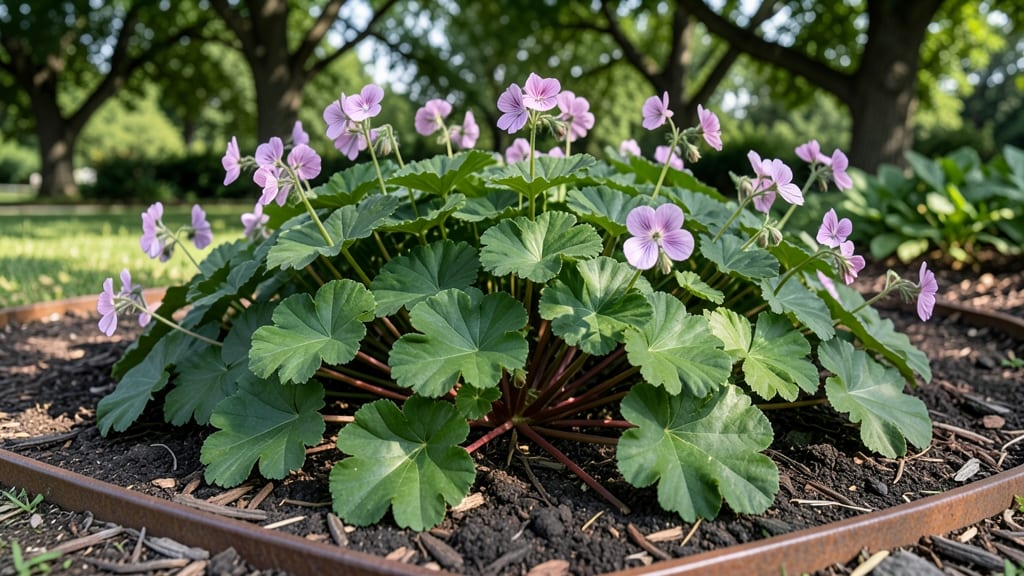
Perennial geranium flowers (Geranium spp.) bring bold, long-lasting color without the fuss of annuals—no replanting, no fussing, just reliable blooms from spring to frost. 🌿 I learned the hard way that these aren’t your grandma’s "annual" geraniums (Pelargonium), which flop in winter.
These hardy perennials thrive in my Zone 5 garden, returning year after year with minimal pruning.
The secret lies in their low-maintenance nature: full sun, well-draining soil, and occasional deadheading keep them blooming. Unlike their annual cousins, they handle heat, drought, and even light frosts—perfect for gardeners who want easy beauty without constant attention.
My favorite variety, 'Johnson’s Blue,' spreads gently and stays compact, making it ideal for borders or containers.
You’ll love how they outperform annuals—no wilting by August, no need for winter digs. Just plant once, and they reward you with vibrant blooms from early summer until the first hard freeze.
The key is light pruning after flowering to tidy them up, not the brutal cuts annual geraniums demand.
Works in rock gardens, borders, or pots—just avoid soggy soil. Whether you’re new to perennials or a seasoned grower, these plants prove that stunning color doesn’t require constant work. Let’s get yours thriving!
📚 In This Guide
- What you need
- Instructions
- Tips and common mistakes
- Wrapping up and next steps
What you need
- ● Perennial geranium plants: Choose hardy varieties like Geranium macrorrhizum (crawling geranium) or Geranium sanguineum (blood geranium). Buy 3–5 plants for a full, lush display.
- ● Well-draining potting mix or garden soil: 5–10 gallons (depending on container size or garden bed). Amend with compost (1 part) for nutrients.
- ○ Containers (optional but handy): For potted geraniums: 5–15 gallon containers with drainage holes (e.g., ceramic, fiberglass, or plastic pots).
- ● For hanging baskets: 12–18 inch diameter baskets with coconut coir liners.
- ● Slow-release fertilizer: A balanced 10-10-10 or organic option like fish emulsion (apply per package instructions).
- ● Mulch: 2–3 inches of organic mulch (e.g., shredded bark or straw) to retain moisture and suppress weeds.
- ● Garden trowel or hand shovel (for planting).
- ● Pruning shears (sharp, bypass-style for clean cuts).
- ● Watering can or hose with a gentle spray nozzle (geraniums hate soggy roots!).
- ○ Gloves (optional but recommended for prickly stems).
- ● Measuring tape or ruler (to space plants 12–18 inches apart in garden beds).
- ● Epsom salt (1 tbsp per gallon of water, monthly) for magnesium boost.
- ● Copper fungicide (prevents rust disease in humid climates).
- ● Garden stakes or rings (to support tall varieties like Geranium phaeum).
- ● Self-watering system (for drought-prone areas).
How to cultivate hardy perennial geraniums for season-long blooms
These tough, low-maintenance plants thrive with just a few key techniques—no fuss, just color.
🌱 Step 1: Select and Prepare the Perfect Planting Site
Perennial geraniums (Geranium macrorrhizum and G. sanguineum) demand full sun to partial shade—at least 6 hours of direct light daily. I always choose a spot with well-draining soil because soggy roots cause rot. If your soil is heavy clay, amend it with 2-3 inches of compost mixed into the top 12 inches before planting.
Loosen the soil to a depth of 12 inches with a garden fork to encourage root spread. Geraniums resent compacted soil, which restricts their fibrous roots. A simple scratch test tells you if it's ready: push your finger in—if it glides easily without resistance, the soil's loose enough. If not, add more compost or sand.
🌿 Step 2: Plant at the Right Depth and Spacing
Set each plant so the top of the root ball sits level with the soil surface—burying too deep suffocates stems, while planting too high leaves roots exposed. Space 18-24 inches apart in rows or 24-36 inches apart in borders. Crowding leads to weak stems and poor airflow, inviting fungal diseases like powdery mildew.
Water deeply right after planting to settle the soil and eliminate air pockets. You'll know it's right when the surface looks firm but not packed down like concrete. Mulch with 2-3 inches of shredded bark or straw, keeping it 2 inches away from stems to prevent rot. This retains moisture while deterring weeds.
☀️ Step 3: Water Strategically for Drought-Tolerant Growth
Perennial geraniums are famously drought-resistant once established, but deep, infrequent watering in their first year builds strong roots. Water once a week during the first growing season, delivering 1 inch of water per week—either from rainfall or irrigation. Check soil moisture by sticking your finger 2 inches deep; if it feels dry, water again.
After the first year, reduce watering to every 2-3 weeks unless your region experiences extreme heat or drought. Overwatering causes the most damage—wilting leaves or yellowing stems signal you're watering too much. Let the soil dry completely between waterings; geraniums thrive on neglect once rooted.
✂️ Step 4: Prune for Bushier Blooms and Season-Long Color
The secret to perennial geraniums' long bloom season lies in two pruning steps: first in early spring, then after each flush of flowers. In late winter or early spring, cut back one-third of the plant's height to encourage fresh, vigorous growth. This removes dead foliage and stimulates new shoots from the base.
After each major bloom cycle (spring and summer), deadhead spent flowers by snipping stems back to the nearest leaf or bud. This redirects energy to new blooms instead of seed production. I always use clean, sharp pruners to avoid tearing stems—dull blades create jagged cuts that invite disease. Prune on a dry morning when stems are firm for the cleanest cuts.
Tips & tricks for perfect perennial Geranium care
Between us, these hardy plants reward minimal effort with maximum color—when you nail the details. Here's what nobody tells you about keeping them thriving.
Site Selection Secret: That "full sun to partial shade" range is flexible, but morning sun with afternoon shade works best in hot climates. I've seen geraniums scorch in intense afternoon sun, even with well-draining soil. Look for spots where leaves stay cool—this prevents the crispy edges that signal heat stress. The 6 hours of direct light should ideally be spread across the cooler morning hours.
Soil Test Trick: Before amending, do this quick test: grab a handful of moist soil and squeeze. If it holds its shape like clay, you need more compost. If it crumbles easily, it's already well-draining. I've found that mixing in 2-3 inches of compost into the top 12 inches creates that perfect loose, airy texture geraniums crave—think of it as giving their roots room to breathe and stretch.
Pruning Precision: When you cut back that one-third of the plant's height in early spring, aim for just above a leaf node where new growth will emerge. I use my pruners to make clean cuts at a 45-degree angle about 1/4 inch above the node. This technique prevents water from pooling on the cut and speeds up regrowth. After deadheading, always snip cleanly to the nearest leaf or bud—never leave stubs, as they can rot and attract pests.
Watering Wisdom: The 1 inch of water per week guideline assumes average rainfall. In drought conditions, I've seen geraniums wilt dramatically after just 2-3 weeks without water—they're tough but not drought-proof. Always check that 2-inch soil depth with your finger before watering. Pro tip: Water at the base rather than overhead to prevent fungal spores from splashing onto leaves, which can trigger powdery mildew.
Pro Tips for Perennial Geranium Flowers
- Between us, these hardy plants reward minimal effort with maximum color—when you nail the details.
- Site Selection Secret: That "full sun to partial shade" range is flexible, but morning sun with afternoon shade works best in hot climates.
- Soil Test Trick: Before amending, do this quick test: grab a handful of moist soil and squeeze.
Frequently asked questions
Got questions about keeping your perennial geraniums thriving?
Here are answers to the most common ones—so you can enjoy nonstop color with ease!
Are perennial geraniums really low-maintenance?
Yes! Unlike annual geraniums, perennials like Geranium macrorrhizum (creeping geranium) or Geranium sanguineum (blood geranium) thrive with minimal pruning. Deadhead spent blooms in spring/summer to encourage more flowers, and trim leggy stems in early spring. They’re drought-tolerant once established—just water during extreme dry spells!
When is the best time to plant perennial geraniums?
Plant them in early spring or fall (4–6 weeks before the first frost) for the best root establishment. Avoid summer heatwaves, which can stress young plants. If planting in containers, use well-draining soil and place them in partial shade during peak afternoon sun.
What pests or diseases should I watch for?
Perennial geraniums are generally pest-resistant, but keep an eye out for aphids, spider mites, or whitefly (especially in hot, dry weather). Treat with neem oil or insecticidal soap if needed. Powdery mildew can occur in humid conditions—improve airflow and avoid overhead watering.
Can I grow perennial geraniums in containers?
Choose compact varieties like Geranium robertianum (woodland geranium) for pots. Use a fast-draining mix (like 60% potting soil + 40% perlite) and ensure containers have drainage holes. Place them in morning sun or dappled shade to prevent wilting. Rotate pots occasionally for even growth!
How do I revive a leggy or overgrown perennial geranium?
Give it a rejuvenating haircut! In early spring, cut back one-third of the plant to encourage bushier growth. For woody stems, prune just above a leaf node. If the center looks bare, divide the plant every 3–4 years to refresh it. Mulch around the base to protect roots in winter.
Wrapping up and next steps
Perennial geraniums are the ultimate low-maintenance superstars for gardeners who crave vibrant blooms with minimal fuss! 🌸 With just a little care—like smart pruning and proper placement—you’ll enjoy year-round color that brightens any space. Whether you’re a seasoned gardener or just starting, these hardy plants reward effortlessness with stunning results.
Ready to transform your garden? Start small: Pick a sunny spot, grab a pair of pruners, and give these resilient beauties a try. Before you know it, your outdoor (or indoor!) oasis will be bursting with life—without the stress!