
Flowers
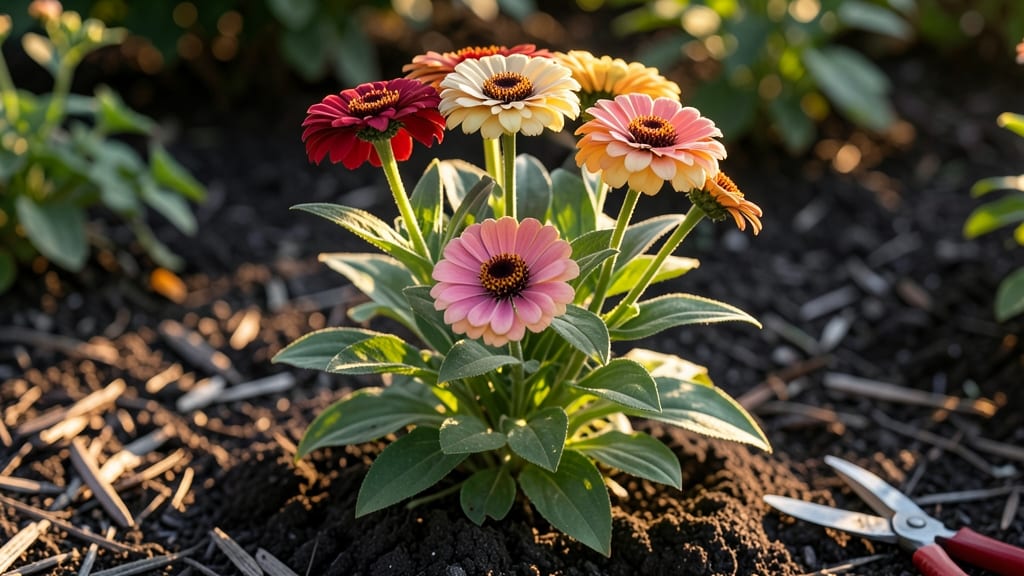
My first dog, a golden retriever named Sunny, taught me the hard way why pet-safe flowers matter. 🌼 After a trip to the vet over a nibbled lilac, I swore off toxic blooms for good—now my garden is a fragrant, safe playground for both pets and people.
Sunflowers, marigolds, and pansies top my list of non-toxic picks because they’re not just safe—they’re easy to grow. Start with well-draining soil, 6-8 hours of sunlight daily, and water when the top inch feels dry.
These flowers thrive in containers or garden beds, giving you flexibility whether your pup is a digger or a delicate pawed explorer.
Imagine a garden where your dog can sniff every bloom without worry, while you enjoy vibrant colors and pollinator-friendly blooms. Sunflowers add height, marigolds repel pests naturally, and pansies bring cheerful faces to shady spots. The result? A happy, healthy garden where tails wag and flowers flourish side by side.
For curious pets, avoid lilies, foxglove, and azaleas—these are common toxins. Instead, focus on pet-safe designs: raised beds keep roots safe from digging, and hanging baskets keep flowers out of reach. With the right choices, your garden becomes a sanctuary for both your plants and your pet.
📚 In This Guide
- What you need
- Instructions
- Tips and common mistakes
- Wrapping up and next steps
What you need
- ● Pet-safe flower seeds or seedlings: Choose from non-toxic varieties like sunflowers, roses, African violets, or snapdragons (avoid lilies, tulips, or daffodils!). Quantity: 5–10 plants (adjust based on garden size).
- ● High-quality potting soil: Use a well-draining, organic mix (e.g., Miracle-Gro Potting Mix or FoxFarm Ocean Forest). Quantity: 1–2 bags (1–2 cubic feet each).
- ● Containers or garden bed: Containers: 5–10-inch pots with drainage holes (for seedlings or small plants). Quantity: 1–10, depending on variety.
- ● Garden bed: A raised bed or in-ground plot with at least 6 hours of sunlight daily.
- ● Watering can or hose with a gentle nozzle: For even moisture without over-saturating soil.
- ● Pet-safe fertilizer: Organic options like fish emulsion or compost tea (avoid chemical fertilizers with high salt content). Quantity: 1 small bottle or bag.
- ● Garden gloves: Protect your hands from soil and thorns (e.g., nitrile-coated gloves).
- ● Hand trowel or small shovel: For transplanting seedlings or loosening soil.
- ● Pruning shears: To trim dead leaves or shape plants (sterilize with rubbing alcohol).
- ● Mulch (e.g., straw or pine bark): Helps retain moisture and suppress weeds. Quantity: 1–2 bags.
- ● Pet-safe pest control: Neem oil spray or diatomaceous earth (non-toxic to pets).
- ● Garden journal: Track plant progress, watering schedules, and pet interactions!
- ● Sunlight assessment: Identify a spot with 6+ hours of direct sunlight (most pet-safe flowers thrive in full sun).
- ● Pet-proofing: Ensure your garden area is fenced or elevated to prevent digging or chewing (especially for curious cats!).
- ● Research: Double-check your chosen flowers on the ASPCA’s toxic plant list to confirm safety.
- ● Patience: Some flowers (like sunflowers) take 8–12 weeks to bloom—plan ahead!
How to grow pet-friendly flowers without toxic risks
Safe, vibrant blooms that won’t harm your furry friends—here’s how to cultivate them like a pro.
🌱 Step 1: Select Certified Non-Toxic Varieties
Start with pet-safe flowers like sunflowers, marigolds, pansies, or snapdragons—all ASPCA-approved and free from toxic compounds. Avoid lilies, tulips, or daffodils, which can cause severe reactions in pets. I always check the ASPCA’s toxic plant database before buying seeds or cuttings to ensure absolute safety.
For 4 plants, you’ll need 4 individual pots (6 inches wide) or a shared container (12 inches wide) with well-draining soil. Use organic potting mix to avoid chemical residues that could irritate sensitive pets. Label each plant clearly—curious pets might nibble, and you’ll want to know exactly what’s safe.
🪴 Step 2: Prepare Containers and Soil for Pet Safety
Fill your 6-inch pots with 2 cups of potting mix per plant, leaving 1 inch of space at the top to prevent spills. If using a 12-inch shared container, mix 6 cups of potting mix with 1 cup perlite for extra drainage—this prevents soggy soil, which can attract pests and harm roots.
Gently press the soil down to remove air pockets, but don’t compact it tightly. Pets digging near containers can dislodge loose soil, so a firm but fluffy texture keeps everything stable. Water lightly until the mix feels evenly moist but not dripping—overwatering can leach nutrients and create unsafe muddy conditions.
☀️ Step 3: Plant and Position for Pet-Friendly Growth
Dig a hole twice as wide as the root ball but no deeper than the container’s base. Place your pet-safe seedlings or cuttings in the center, then fill gaps with soil, pressing lightly to secure them. Avoid burying stems too deeply—this can cause rotting, which might attract pets (and pests).
Position containers in bright, indirect light (6+ hours daily) but away from high-traffic pet areas. Direct sunlight can scorch leaves, making plants less appealing to nibble—but also ensure they’re not hidden in dark corners, where pets might dig or chew out of curiosity. A south-facing windowsill or patio works perfectly.
💧 Step 4: Water and Maintain Without Chemical Risks
Water every 2-3 days until the top inch of soil feels dry—use a spray bottle for delicate flowers like pansies to avoid disturbing roots. Never use fertilizers with synthetic chemicals, as these can linger on leaves and pose risks if ingested. Instead, mix 1 teaspoon of compost into the soil monthly for natural nutrients.
Watch for yellowing leaves—this usually means overwatering or poor drainage. If you notice pets pawing at the soil, add a layer of mulch (like coconut coir) to deter digging while retaining moisture. Keep containers elevated on saucers to catch spills and prevent soil from spreading where pets might track it indoors.
✂️ Step 5: Prune and Harvest Safely for Pets
Deadhead spent blooms weekly to encourage new growth, but do so outside or on a tray to contain pet-friendly debris. Use clean, sharp scissors to avoid tearing leaves, which can attract pests. If harvesting pet-safe flowers for bouquets, rinse stems under water to remove any residual soil or fertilizer particles.
Place harvested blooms in a vase with clean water and keep it out of reach of pets—some flowers (like sunflowers) can topple if knocked over. For extra safety, train pets to avoid the garden area using positive reinforcement, like treats or a designated "pet zone" with their own safe plants (like cat grass or wheatgrass).
Tips & tricks for pet-friendly flower gardens
Here's what I've learned after years of growing safe blooms for pets—these tricks make all the difference between thriving plants and curious nibbles.
Selection Tip: When choosing pet-safe varieties, opt for sunflowers for their tall, sturdy stems that resist toppling from playful pets, and marigolds for their pest-repelling properties—nature's way of keeping your garden safe from both furry and creepy-crawly intruders. Always double-check the ASPCA's toxic plant database before purchasing seeds, as some "safe" lists can be outdated or incomplete.
Container Strategy: The 1-inch space you leave at the top of your 6-inch pots isn't just for aesthetics—it prevents soil spills when pets knock over containers. For extra stability, place heavy decorative stones or ceramic weights at the base of each pot. If using a 12-inch shared container, consider adding 1/2 cup of hydroponic clay pebbles to the bottom for improved drainage and root aeration.
Lighting Insight: That 6+ hours of bright, indirect light is crucial, but don't overlook the importance of seasonal adjustments. In winter, supplement with a grow light for 2-3 hours daily to maintain consistent growth. Position lights 12-18 inches above plants to prevent leaf burn—a common mistake that creates bitter flavors pets might avoid.
Pruning Precision: When deadheading weekly, use a sterilized blade (wipe with rubbing alcohol between cuts) to prevent spreading disease. For particularly curious pets, consider elevated hanging baskets for delicate flowers like pansies—they're harder to reach and reduce the temptation to nibble. Always rinse harvested stems thoroughly to remove any residual soil or compost particles that could irritate sensitive paws.
Pro Tips for Pet Safe Flower
- Here's what I've learned after years of growing safe blooms for pets—these tricks make all the difference between thriving plants and curious nibbles.
- Always double-check the ASPCA's toxic plant database before purchasing seeds, as some "safe" lists can be outdated or incomplete.
- Container Strategy: The 1-inch space you leave at the top of your 6-inch pots isn't just for aesthetics—it prevents soil spills when pets knock over containers.
Frequently asked questions
Got questions about keeping your furry (or feathery!) friends safe around flowers? We’ve got answers—no pet-related panic here! Whether you’re a first-time plant parent or just double-checking, these FAQs will help you grow with confidence.
Which pet-safe flowers are easiest for beginners to grow?
Start with sunflowers, roses, or marigolds—they’re hardy, fast-growing, and non-toxic. For low-light spots, try African violets or calathea. Just avoid soil with pesticides or fertilizers, which can still upset pets’ tummies.
How long does it take for pet-safe flowers to become fully non-toxic?
Most pet-safe flowers are safe at all stages—seeds, sprouts, and blooms. However, some plants (like peace lilies) are toxic until fully mature. Always research your specific variety, and when in doubt, keep plants out of reach until they’re established.
What do I do if my pet nibbles a flower I thought was safe?
First, stay calm! Monitor your pet for symptoms like drooling, vomiting, or lethargy. If you suspect ingestion of a non-safe flower (even accidentally), call your vet or the ASPCA Poison Control immediately. Keep a plant list handy for quick reference.
Can I use pet-safe flowers in homemade pet treats or arrangements?
Flowers like pansies or nasturtiums can be dried and used in pet-safe treats (just avoid added sugars or spices). For arrangements, skip floral preservatives—opt for clean water and a shallow vase to prevent spills. Pro tip: Use a hanging planter for cats to enjoy the view without the temptation!
Are there any pet-safe flowers that also repel pests naturally?
Yes! Marigolds deter mosquitoes and aphids, while lavender keeps fleas at bay. Basil and rosemary are dual-purpose herbs that pets can safely nibble (in moderation). Just ensure they’re pesticide-free before planting near your pet’s favorite spots.
Wrapping up and next steps
Transforming your garden or home into a pet-friendly paradise is easier than you think! By choosing pet-safe flowers like sunflowers, snapdragons, or marigolds, you can create a vibrant space where both you and your furry friends thrive. 🌸
Ready to take the next step? Start by researching a few non-toxic varieties that suit your climate, then grab your gardening tools and get planting! Your pets—and your green thumb—will thank you.
Pro tip: Always double-check with your vet if your pet shows any unusual behavior after exposure to new plants! 🐾