
Flowers
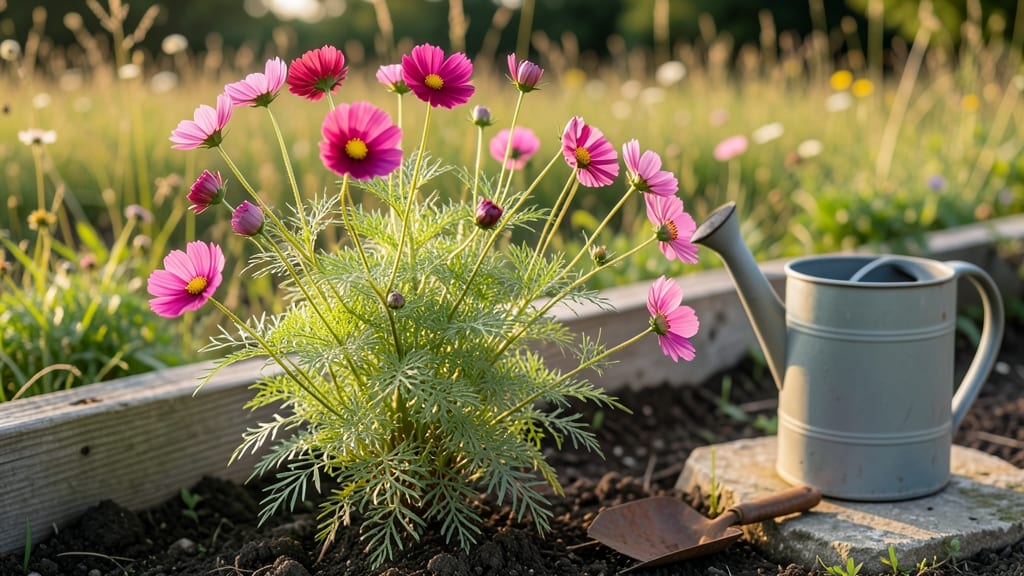
Pink cosmos flowers turn any garden into a butterfly magnet with their effortless charm and drought-resistant nature. 🌸 I’ve watched them transform my borders from ordinary to showstopping in just a few weeks—no fuss, just bold pink blooms that keep coming all summer long.
The secret lies in their carefree growing habits: they thrive in poor soil, need minimal water, and self-seed like crazy. Pair them with lavender, coneflowers, or salvia for a romantic cottage garden vibe, or mix with sunflowers for a wild, modern meadow look.
They’ll fill gaps faster than you can say "pollinator paradise."
Imagine a border where butterflies hover lazily, their wings dusted with pollen, while your cosmos sway in the breeze. The blooms stay vibrant even in heatwaves, and the more you cut them back, the more they produce. It’s like having a perpetual pink party in your garden.
Whether you’re designing a formal border or a relaxed wildflower patch, pink cosmos adapt beautifully. They’re the easy star that makes every garden feel alive—no green thumb required. Let’s get those seeds in the ground!
📚 In This Guide
- What you need
- Instructions
- Tips and common mistakes
- Wrapping up and next steps
What you need
- ● Pink Cosmos Seeds (or young seedlings): 10–20 seeds per square foot (or 1–2 plants per 12-inch pot). Opt for Cosmos bipinnatus for classic pink blooms!
- ● Well-draining potting mix: 1–2 bags (5–10 cubic feet) for in-ground planting or a seed-starting mix for pots.
- ● Containers or garden bed: For pots: 6–12-inch diameter containers (1–2 per plant).
- ● For ground planting: Full sun exposure (6+ hours/day) in loose, sandy soil.
- ● Watering can or hose with a gentle spray nozzle.
- ○ Fertilizer (optional but helpful): Balanced 10-10-10 or 5-10-10 granular fertilizer (1 tbsp per plant at planting time).
- ● OR compost (1 cup mixed into soil for organic nourishment).
- ● Garden gloves (to protect your hands from thorns on stems).
- ● Trowel or small shovel (for digging holes or transplanting).
- ● Measuring tape or ruler (to space plants 12–18 inches apart).
- ● Pruning shears (for deadheading spent blooms and encouraging more flowers!).
- ○ Mulch (optional): Straw or shredded bark to retain moisture and suppress weeds.
- ○ Butterfly-friendly extras (optional but fun!): Nearby nectar plants like Lantana or Zinnias.
- ● A shallow water source (like a birdbath) to attract pollinators.
Step-by-Step guide to growing stunning pink cosmos blooms
Here’s how to coax those effortless, butterfly-magnet cosmos into your garden with minimal fuss.
🌱 Step 1: Choose the Perfect Planting Spot
Pink cosmos thrive in full sun—at least 6-8 hours daily—but they’re surprisingly adaptable to dry, poor soil. I always pick a spot with good drainage, even if the soil’s rocky or sandy. They’ll still bloom, just with less competition from weeds.
Dig in a 1-inch layer of compost (optional but helpful) before planting. Cosmos roots run deep, so avoid amending the soil too heavily—it’s better to let them stretch for nutrients. If your soil is heavy clay, mix in 1 part perlite per 3 parts soil to improve drainage.
🌱 Step 2: Sow Seeds Directly After Frost
Cosmos seeds germinate best when sown directly in the garden after the last frost date. Scatter seeds ¼ inch deep in rows or clusters, spacing them 12-18 inches apart. They self-seed aggressively, so thin seedlings to 18-24 inches apart once they reach 3-4 inches tall—this prevents overcrowding and encourages larger blooms.
Water lightly after sowing to settle the soil, but don’t drown the seeds. Cosmos seeds need moisture to germinate, but they rot quickly if kept too wet. I wait until the soil surface looks slightly damp but not soggy before watering again.
☀️ Step 3: Provide Minimal Care for Maximum Blooms
Once established, cosmos are nearly indestructible. Water deeply once a week during dry spells—these drought-tolerant beauties store moisture in their deep taproots. Overwatering is the only real mistake you can make; they’ll wilt and struggle if kept too moist.
Deadhead spent blooms by pinching off faded flowers at the base. This encourages continuous flowering and prevents the plant from putting energy into seed production. I do this every few days during peak bloom, and the plants reward me with nonstop color.
💧 Step 4: Support Tall Varieties for Wind Resistance
Taller cosmos varieties (like ‘Bright Lights’ or ‘Sensation’) often need staking or support to prevent flopping in wind or rain. I use 5-foot bamboo stakes or tomato cages inserted 6 inches deep into the soil. Gently weave stems through the support as they grow—don’t tie them tightly, or you’ll restrict their natural movement.
If you skip support, the plants will still grow, but they’ll lean dramatically, especially in exposed areas. A little extra effort here keeps them upright and showcases their full height and vibrant pink blooms.
✂️ Step 5: Extend the Season with Light Pruning
To prolong flowering, cut back the plant by one-third after the first hard frost. This removes damaged foliage and stimulates a fresh round of growth in spring. Cosmos often reseed themselves, so you’ll likely see volunteers popping up the following year—just thin them as needed.
If you’re in a mild-winter zone, cosmos may survive winter as perennials. In colder climates, they’ll die back completely but return from seed. Either way, they’re low-maintenance stars that reward even the most casual gardener.
Tips & tricks for perfect pink cosmos blooms
These simple strategies will help you coax even more vibrant pink blooms from your cosmos while keeping them thriving with minimal effort.
Sunlight Strategy: While cosmos handle partial shade, the 6-8 hours of full sun mentioned in Step 1 is non-negotiable for those signature pink blooms. I've seen cosmos in partial shade produce flowers, but they're smaller and less vibrant. If your garden gets less than 6 hours, consider planting in containers near a sunny window or balcony instead.
Thinning Technique: The 18-24 inch spacing after thinning in Step 2 might feel generous, but trust me—this prevents competition that leads to leggy stems and smaller blooms. I use a small trowel to gently lift seedlings rather than pulling, which protects the remaining plants' roots. Save the thinned seedlings for cuttings or gifts!
Watering Wisdom: The "deeply once a week" guideline in Step 3 works wonders because cosmos store moisture in their deep taproots. Here's my trick: water in the morning so foliage dries quickly, reducing fungal risks. If your soil feels dry only at the surface but moist below, you're watering perfectly—cosmos hate soggy roots.
Support System: For those 5-foot bamboo stakes in Step 4, I recommend inserting them at planting time rather than waiting. This gives the plant immediate support as it grows. If you're using tomato cages, choose the 5-foot tall ones—they're perfect for cosmos and won't bend under the plant's weight when heavy with blooms.
Pro Tips for Pink Cosmos Flower
- These simple strategies will help you coax even more vibrant pink blooms from your cosmos while keeping them thriving with minimal effort.
- Sunlight Strategy: While cosmos handle partial shade, the 6-8 hours of full sun mentioned in Step 1 is non-negotiable for those signature pink blooms.
- Thinning Technique: The 18-24 inch spacing after thinning in Step 2 might feel generous, but trust me—this prevents competition that leads to leggy stems and smaller blooms.
Frequently asked questions
Got questions about growing and caring for pink cosmos flowers? You’re not alone! Here are some of the most common queries—plus quick, practical answers to help you cultivate these cheerful, butterfly-loving blooms with ease.
How long does it take for pink cosmos flowers to bloom after planting?
Pink cosmos flowers are fast growers! From seed, they typically bloom in 6–8 weeks under ideal conditions (full sun and well-draining soil). If you start with transplants, expect flowers in just 4–6 weeks. Patience pays off with nonstop blooms from summer until frost!
Are pink cosmos really drought-tolerant? How often should I water them?
Yes! Once established, pink cosmos thrive on neglect—they’re one of the most drought-tolerant annuals. Water deeply once a week (or when the top inch of soil feels dry) during their first month. After that, let nature take over—they’ll handle dry spells like a pro! Overwatering can lead to floppy stems, so less is more.
Why aren’t butterflies visiting my pink cosmos flowers?
Pink cosmos are a butterfly magnet, but a few factors might be keeping them away. Ensure your flowers are fully open (butterflies love flat, accessible blooms). Avoid pesticides, and plant nearby nectar sources like milkweed or coneflowers. If blooms fade quickly, deadhead spent flowers to encourage new, fresh nectar!
Can I grow pink cosmos in containers? What’s the best pot size?
Pink cosmos adapt well to containers. Use pots at least 6–8 inches deep and wide (bigger is better for stability). Ensure drainage holes are present, and mix in sand or perlite for lightweight, fast-draining soil. One plant per pot works best—overcrowding can stunt growth. Bonus: Containers make them perfect for balconies or small gardens!
What colors of cosmos are similar to pink, and which attract the most pollinators?
Pink cosmos come in shades from blush to deep magenta, but other colors like white, red, and lavender also thrive. For maximum pollinator action, opt for bright pinks, purples, or whites—these hues are most visible to butterflies and bees. Double-flowered varieties (like ‘Sensation’) look stunning but produce less nectar, so choose single blooms for wildlife.
Wrapping up and next steps
The pink cosmos flower isn’t just a stunning addition to your garden—it’s a low-maintenance, drought-resistant superstar that brings joy to pollinators like butterflies while thriving in even the toughest conditions.
Whether you’re a seasoned gardener or just starting out, these vibrant blooms prove that beauty and resilience go hand in hand. 🌸
Ready to transform your outdoor space? Start small—plant a few cosmos seeds or cuttings this season and watch your garden buzz with life! Your next step? Grab your gardening gloves and let nature do the rest.