Flowers
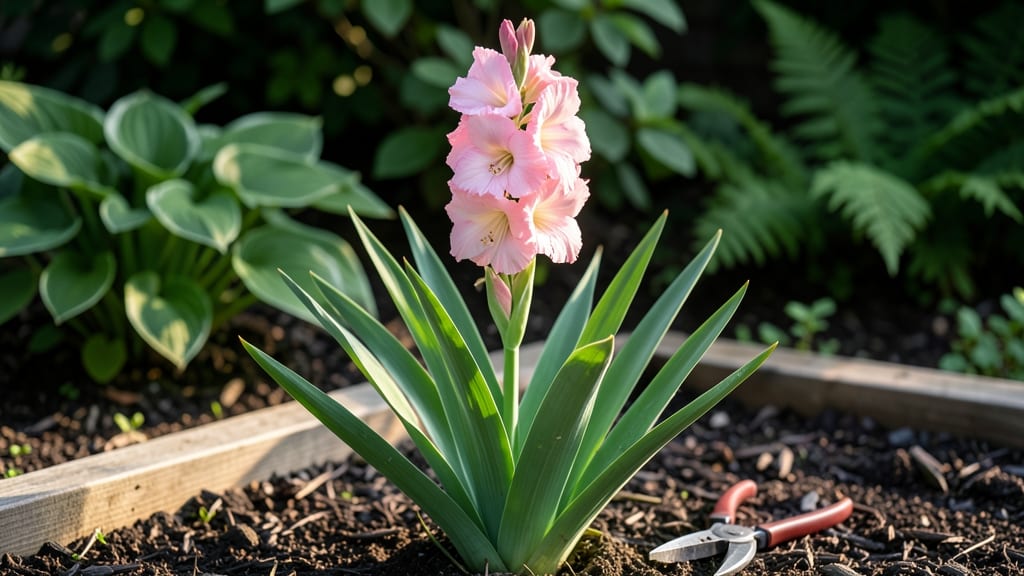
Pink gladiolus flowers transform any garden into a vertical masterpiece—their dramatic spikes of color create instant focal points that no flat border could match. 🌸 I remember the first time I planted them along my back fence: within weeks, the garden looked like a painter had swept in with bold strokes of blush and rose.
These aren’t just flowers; they’re architectural statements that command attention while demanding minimal effort to maintain.
The real magic happens when you pair them with the right companions. Try tucking them alongside salvia for contrasting textures or black-eyed Susans for a cottage-garden feel. For modern gardens, their sleek spikes pair beautifully with ornamental grasses or deep purple clematis.
And if you love cut flowers, their long stems hold up perfectly in vases—just snip them when buds are still tight for the longest-lasting bouquets.
What you’ll end up with is a garden that feels both effortlessly elegant and shockingly lush. The pink blooms catch morning light differently than other flowers, creating a shimmer that lasts all day.
They thrive in full sun, so place them where they’ll get at least 6 hours of light daily, and watch how they elevate everything around them—whether it’s a rustic trellis, a sleek concrete planter, or a wildflower meadow.
Adapt them to your style: cottage gardens love them loose and natural, while modern designs benefit from their clean lines. The key is strategic placement—never let them compete with shorter plants, but always let them shine as the star.
Here’s how to make them work in your space, no matter your aesthetic.
📚 In This Guide
- What you need
- Instructions
- Tips and common mistakes
- Wrapping up and next steps
What you need
- ● Pink gladiolus corms (choose disease-resistant varieties like ‘Pink Parfait’ or ‘Pink Star’): Quantity: 10–20 corms (for a full border or cutting garden)
- ● Size: Medium to large (2–3 inches in diameter)
- ● Well-draining soil mix (or garden soil amended with compost): pH: 6.0–7.0 (neutral to slightly acidic)
- ● Organic matter: 20–30% compost or aged manure
- ● Fertilizer (balanced or high-phosphorus for blooms): Type: 10-10-10 or 5-10-10 granular fertilizer
- ● Application: 2–3 tablespoons per corm at planting
- ● Watering can or hose with gentle spray nozzle
- ● Garden gloves (to protect hands from sharp corm edges)
- ● Hand trowel (for digging planting holes)
- ● Garden fork or spade (for loosening soil)
- ● Measuring tape or ruler (to space corms 6–8 inches apart)
- ○ Mulch (optional but recommended): Type: Straw, wood chips, or shredded leaves
- ● Depth: 2–3 inches after planting
- ● Sunlight: Full sun (6–8+ hours daily)
- ● Climate: Plant after the last frost (spring) or in early fall (for winter blooms in mild zones)
- ● Space: At least 12–18 inches between rows for airflow
Step-by-Step guide for planting pink gladiolus flowers
Here’s how to grow these showstopping blooms with minimal fuss.
🌱 Step 1: Choose the Right Planting Site
Gladiolus thrives in full sun—pick a spot that gets at least 6-8 hours of direct sunlight daily. They love well-draining soil, so avoid low-lying areas where water pools. If your soil is heavy clay, mix in 2-3 inches of compost to improve drainage before planting.
Here’s the thing—gladiolus corms (those bulb-like roots) need room to spread. Space them 6 inches apart in rows 18 inches apart to prevent overcrowding. If you’re planting in containers, use pots at least 8 inches deep with drainage holes. I like to mark planting spots with a stick or twine to keep rows straight.
💧 Step 2: Plant Corms at the Right Depth and Time
Timing matters: plant gladiolus corms 2-3 weeks before your last frost date in spring or early summer. Dig holes 4-6 inches deep—the rule is to bury the corm so the top is just below soil level. Press the soil gently around it to secure it without compacting.
Water lightly after planting to settle the soil, but don’t soak it. You’ll see new shoots emerge in 2-3 weeks if conditions are right. If your area has hot summers, consider a second planting in early summer for fall blooms. Just remember: gladiolus needs warmth to thrive, so avoid planting in cold soil.
☀️ Step 3: Provide Consistent Care for Stunning Blooms
Once shoots appear, keep the soil evenly moist but not soggy. Water at the base of the plant in the morning to reduce fungal risks. Gladiolus is thirsty—aim for 1 inch of water per week, more if it’s extremely hot. You’ll know it’s time to water when the top inch of soil feels dry.
Fertilize lightly when shoots are 6 inches tall with a balanced 10-10-10 fertilizer. Too much nitrogen makes leaves lush but flowers sparse. Watch for thrips or aphids—spray with neem oil if you spot tiny pests on the buds. Deadhead spent blooms to encourage more flowers and prevent seed formation, which drains the corm’s energy.
✂️ Step 4: Harvest and Prepare for Next Season
Cut blooms in the morning when buds are just starting to open—this extends vase life. Leave the lower leaves on the stalk to keep feeding the corm. After the first frost, cut back the foliage to 2 inches above ground and leave the corms in the soil until spring. If you’re in a cold climate, dig them up after the first frost, brush off soil, and store them in a cool, dry place until replanting.
Real talk: gladiolus corms multiply over time. If you see baby corms forming around the parent, you’ve got free plants for next year! Just dig them up in early spring, separate them, and replant. With a little patience, your garden will fill with these bold pink spikes year after year.
Tips & tricks for growing stunning pink gladiolus
Here's what nobody tells you about getting those showstopping blooms—without the guesswork.
Sunlight Secret: Those 6-8 hours of sunlight in Step 1 aren't just about light—they're about heat. Gladiolus loves warmth, so if your garden gets afternoon shade, consider planting in a raised bed where heat reflects off the soil. I've seen gladiolus in partial shade still bloom, but the stems get leggy and flowers flop. For maximum drama, position them where they'll catch that golden afternoon sun.
Planting Depth Hack: The 4-6 inch depth rule in Step 2 is your friend, but here's the thing—if you're in sandy soil, go shallower (4 inches). In clay, aim for 6 inches. The key is keeping the corm's top just below soil level, not burying it too deep. I've dug up corms planted too deep—they rot before they bloom. Press soil gently around the corm to secure it without compacting, or you'll suffocate those roots.
Watering Wisdom: That 1 inch per week in Step 3 is perfect, but timing matters more than quantity. Water in the morning so foliage dries by evening, preventing fungal issues. And here's my trick: water at the base, not overhead. I use a soaker hose to keep leaves dry—this cuts down on thrips and aphids before they become a problem. If your soil feels dry just an inch down, it's time to water again.
Fertilizer Timing: The 6-inch shoot height in Step 3 is your cue to fertilize, but don't overdo it. Too much nitrogen makes leaves grow like weeds while flowers stay small. I use half-strength 10-10-10 fertilizer when shoots hit 6 inches, then again when buds form. For extra color intensity, add a pinch of Epsom salt to the water when buds appear—it boosts magnesium for those vibrant pink blooms.
Pro Tips for Pink Gladiolus Flower
- Here's what nobody tells you about getting those showstopping blooms—without the guesswork.
- Sunlight Secret: Those 6-8 hours of sunlight in Step 1 aren't just about light—they're about heat.
- Planting Depth Hack: The 4-6 inch depth rule in Step 2 is your friend, but here's the thing—if you're in sandy soil, go shallower (4 inches).
Frequently asked questions
Got questions about growing, caring for, or styling pink gladiolus flowers? You’re not alone! Here are answers to the most common queries—from planting tips to troubleshooting—so you can enjoy their striking vertical beauty with confidence.
When is the best time to plant pink gladiolus bulbs?
Plant Gladiolus corms in early spring (after the last frost) or late summer (6–8 weeks before your first fall frost). They thrive in warm soil (60°F+), so avoid planting when nights are still chilly. For year-round blooms in mild climates, stagger plantings every 2–3 weeks!
How often should I water pink gladiolus flowers?
Keep soil consistently moist but not soggy—aim for 1–1.5 inches of water per week, including rainfall. Water at the base (not the leaves) to prevent fungal diseases like Thielaviopsis (corm rot). Reduce watering as blooms fade to encourage corm storage for next year.
Why aren’t my pink gladiolus flowers opening?
Several factors can delay blooms:
- Insufficient sunlight: Gladiolus need 6+ hours of full sun daily.
- Overcrowded corms: Space them 4–6 inches apart and 6 inches deep.
- Nutrient deficiency: Feed with balanced fertilizer (10-10-10) at planting and when spikes emerge.
- Heat stress: If temps exceed 90°F, provide afternoon shade.
If buds form but won’t open, check for aphids or thrips (spray with neem oil if needed).
Can I grow pink gladiolus in containers?
Use large pots (12+ inches deep) with drainage holes and a well-draining mix (add perlite or sand). Plant 1–2 corms per container and place in full sun. Container-grown gladiolus may need weekly watering and monthly fertilizer to compensate for limited root space.
How do I save pink gladiolus corms for next year?
After foliage yellows (6–8 weeks post-bloom), cut back stems but leave leaves to photosynthesize. Dig up corms, remove old growth, and cure in a dry, dark place (80°F) for 2 weeks. Store in paper bags (not plastic) in a cool (50–60°F), dry spot until replanting.
What’s a good alternative if I want pink flowers but hate gladiolus?
Try these pink perennials with vertical drama:
- Bee balm (Monarda) – Fragrant pink spikes, attracts pollinators.
- Foxglove (Digitalis) – Tall, bell-shaped blooms (toxic—wear gloves!).
- Hollyhock (Alcea rosea) – Classic cottage-garden height (6+ feet!).
- Salvia (Salvia nemorosa) – Drought-tolerant, spiky pink blooms.
For cut flowers, Snapdragons or Delphinium (larkspur) are also stellar picks!
Wrapping up and next steps
The pink gladiolus flower is more than just a stunning addition to your garden—it’s a statement of elegance and vertical drama that transforms any cutting garden into a showstopper. 🌸 With the right care, these bold blooms will reward you with lush, long-lasting stems perfect for arrangements or simply admiring their vibrant beauty.
Now that you’re armed with the knowledge to nurture them, why not take the next step and plant a row this season?
Start small—whether it’s a single cluster or a full border—and watch your garden bloom with confidence. Happy gardening! 🌱