
Flowers
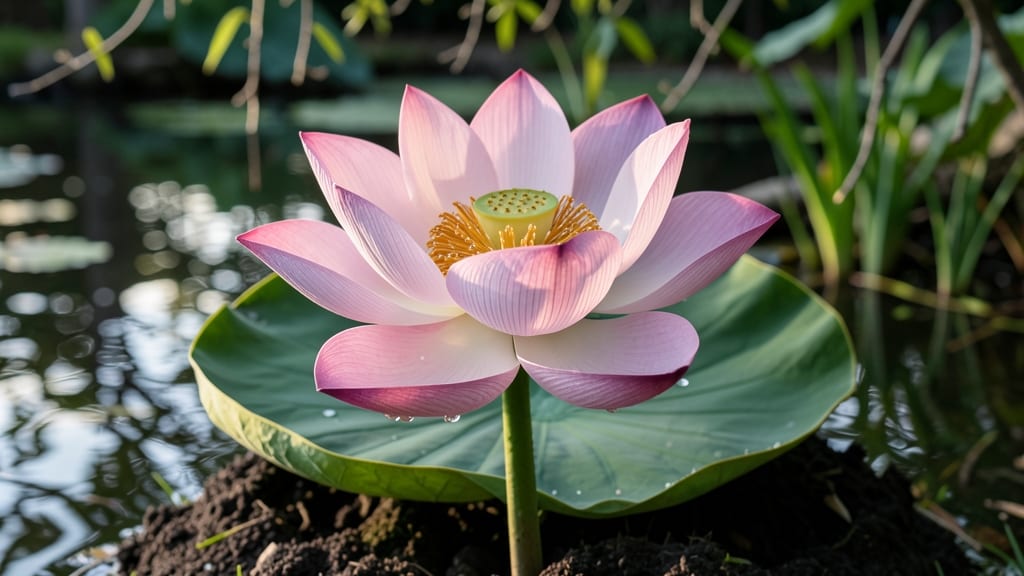
The pink lotus flower isn’t just a plant—it’s a living piece of art that transforms any water feature into a serene sanctuary. I’ve watched mine unfurl like silk petals at dawn, their blush-pink blooms catching the morning light and turning my backyard pond into a quiet, dreamy focal point.
The way they float just above the water’s surface, as if suspended by magic, makes them perfect for containers or small ponds where you want drama without overwhelming space.
Here’s the thing—pink lotuses aren’t fussy about their neighbors. Pair them with water lilies for contrast, or let them share space with cattails and sweet flag for a natural, layered look.
In a Japanese-inspired garden, they bring the essence of tranquility, while in a romantic garden, their soft hue softens hard edges and adds a touch of elegance. Even in a tiny container, their presence feels intentional and luxurious.
What you’ll end up with is a garden that feels like a retreat. The blooms open in the morning, releasing their delicate fragrance as they drink in the sun, only to close by afternoon—a daily ritual that feels like nature’s own poetry.
And the best part? They thrive in containers as small as 12 inches deep, so you don’t need a sprawling pond to enjoy their magic.
Whether you’re designing a serene water garden or just want to add a touch of ethereal beauty to your space, pink lotuses deliver. They’re the kind of plant that makes your garden feel like a secret, peaceful world—one bloom at a time.
📚 In This Guide
- What you need
- Instructions
- Tips and common mistakes
- Wrapping up and next steps
What you need
- ● Pink lotus tubers: 3–5 healthy, dormant tubers (ensure they’re disease-free and firm to the touch).
- ● Container or pond: For containers: A wide, shallow pot (12–18 inches deep) with drainage holes. Minimum size: 12" diameter for 1 tuber, scale up for more.
- ● For ponds: At least 18" depth with soft, muddy bottom soil for anchoring tubers.
- ○ Potting mix: 50% high-quality aquatic soil + 50% perlite or coarse sand (for drainage and aeration). Optional: Add a handful of compost for nutrients.
- ● Gravel or pebbles: 1–2 inches of small, smooth stones to cover tubers (prevents rot and mimics natural conditions).
- ● Water: Dechlorinated (use a water conditioner) or rainwater for planting and maintenance.
- ● Floating plant fertilizer: Liquid or slow-release tabs (e.g., Fish Emulsion or Seaweed Extract) for nutrient-rich water.
- ● Water thermometer: To monitor temperatures (ideal range: 70–85°F).
- ● Water plants: Water hyacinth or duckweed to shade tubers and improve water quality.
- ● Pond dye: Natural blue-black dye to enhance the lotus’s vibrant pink hue.
- ● Solar-powered fountain: Adds aeration and movement to keep water fresh.
- ● Tuber divider: A clean knife or specialized tool for splitting tubers (if expanding your collection).
- ● Waterproof grow lights: For indoor containers (12–14 hours of light daily).
Step-by-step guide to cultivating pink lotus flowers in containers
Here's how to bring these stunning aquatic beauties home—no pond required.
Choose the Right Container and Prepare the Water
Pink lotus thrives in 12-18 inches of water depth, so select a container that's at least 18 inches deep with a wide enough surface area to support the plant's spread. I recommend using a fiberglass or plastic pond liner (not metal) because it won't rust or leach chemicals into the water. If your container has a liner, ensure it's securely anchored to prevent shifting.
Fill the container with dechlorinated water—tap water contains chlorine that can harm the roots. Let it sit uncovered for 24 hours before adding the plant, or use a water dechlorinator. The water temperature should stay between 70-85°F for optimal growth. If your climate dips below 60°F, move the container indoors or use a small aquarium heater to maintain warmth.
Plant the Pink Lotus Tubers Correctly
Pink lotus grows from rhizomes or tubers, which should be planted just below the water's surface—never fully submerged. Place the tuber in the center of the container, with the eyes (growth points) facing upward. Use a small amount of aquatic planting soil (not regular potting mix) to secure it in place. The soil should be moist but not soggy—squeeze a handful to test consistency.
If you're using a container without a built-in liner, add a 2-inch layer of small pebbles or gravel at the bottom to improve drainage and prevent root rot. This layer also helps anchor the tuber in place while allowing excess water to circulate. Avoid using large rocks, as they can shift and disturb the plant.
Provide Sunlight and Maintain Water Quality
Pink lotus demands full sun exposure—at least 6-8 hours of direct sunlight daily. Place your container in the sunniest spot available, like a south-facing patio or balcony. If you're growing indoors near a window, supplement with a grow light positioned 12-18 inches above the plant for 12-14 hours per day. Without enough light, the leaves will turn pale and leggy, and the flowers may fail to bloom.
Change 20-30% of the water every 2-3 weeks to prevent algae buildup and maintain oxygen levels. Use a net or skimmer to remove debris before adding fresh water. Over time, the water will develop a slight green tint—this is normal and indicates healthy microbial activity. If the water smells foul or turns cloudy, increase water changes to once a week until clarity returns.
Fertilize and Encourage Blooming
Feed your pink lotus with a slow-release aquatic plant fertilizer every 4-6 weeks during the growing season (spring through fall). I like to use hydroponic tablets placed in the soil near the rhizome. These dissolve gradually, providing a steady supply of nutrients without risking root burn. Avoid liquid fertilizers—they can spike nutrient levels too quickly, leading to stunted growth or leaf burn.
To trigger blooming, ensure the plant receives consistent warmth and sunlight. If flowers don’t appear after 8-12 weeks, check for these common issues: insufficient light, water temperature below 70°F, or nutrient deficiencies. Once buds form, avoid moving the container—lotus flowers are sensitive to disturbances and may drop buds if jostled. With proper care, your pink lotus will reward you with stunning blooms for 3-5 days per flower, often multiple times in a season.
Tips & tricks for perfect pink lotus flower cultivation
These insider tips will help you avoid common pitfalls and get the most stunning blooms from your pink lotus.
Container Depth Matters: The 18-inch minimum depth requirement isn't just about water volume—it gives your tuber's roots room to establish before the plant needs to surface for air. If you're using a container with less depth, consider adding a waterproof liner or creating a layered planting system with aquatic soil on top of gravel. This mimics natural pond conditions where tubers can spread horizontally before sending up leaves.
Water Temperature Watch: That 70-85°F range is critical because pink lotus is tropical at heart. If your climate dips below 60°F, don't just rely on heaters—move the entire container indoors to a bright spot. I've seen tubers survive winter in heated greenhouses at 65°F, but they won't bloom until temperatures rise again in spring. A small submersible heater set to maintain 70°F works wonders for indoor growers.
Lighting Secrets: The 6-8 hours of direct sunlight requirement can be tricky in shaded yards. If your lotus starts looking pale and leggy, it's getting too little light. For indoor growers, position your grow light just 12-18 inches above the leaves—closer than you might think. I've had success with LED grow lights on a timer, but fluorescent bulbs work too if you keep them closer. The key is consistent light intensity, not just duration.
Fertilizer Timing: Those 4-6 week intervals for slow-release fertilizer might seem long, but they're perfect for preventing nutrient spikes. I've found that applying fertilizer right after water changes (every 2-3 weeks) gives the plant a double benefit. The fertilizer dissolves gradually while fresh water flushes out any excess salts that might build up. This two-step approach keeps your lotus thriving without risking root burn from over-fertilization.
Pro Tips for Pink Lotus Flower
- These insider tips will help you avoid common pitfalls and get the most stunning blooms from your pink lotus.
- Container Depth Matters: The 18-inch minimum depth requirement isn't just about water volume—it gives your tuber's roots room to establish before the plant needs to surface for air.
- Water Temperature Watch: That 70-85°F range is critical because pink lotus is tropical at heart.
Frequently asked questions
Got questions about nurturing the stunning pink lotus flower? You’re not alone! Here are some of the most common inquiries—and their answers—to help you cultivate these aquatic beauties like a pro.
Can pink lotus flowers grow in containers instead of ponds?
Pink lotus flowers thrive in large, deep containers (at least 18 inches deep) with a mix of aquatic soil and gravel. Ensure the pot has drainage holes and place it in a spot with full sun (6+ hours daily). Just monitor water levels closely—containers dry out faster than ponds!
How long does it take for a pink lotus to bloom?
Patience is key! From planting rhizomes, expect blooms in 2–3 years for tropical varieties (like Nelumbo nucifera). Hardy lotuses may bloom sooner (1–2 years), but cold climates can delay flowering. Winter care (like mulching in zones below 10) helps speed up the process.
What’s the best way to overwinter pink lotus in cold climates?
If temps drop below 40°F (4°C), drain containers or lift plants and store rhizomes in moist peat moss at 40–50°F (4–10°C). In ponds, bury rhizomes under 12+ inches of soil or mulch. Avoid freezing—they’re tropical divas! Pro tip: Use a pond heater for marginal plants.
Why aren’t my pink lotus leaves floating properly?
Floating leaves signal nutrient deficiencies or poor lighting. Check for:
- Sunlight: Move to a sunnier spot (they need direct light!).
- Fertilizer: Use a balanced aquatic fertilizer (like 10-10-10) in spring.
- Water quality: Test pH (ideal: 6.0–7.5) and avoid stagnant water.
Are pink lotus flowers annuals or perennials?
Pink lotuses are perennials in warm climates (zones 8–11) but often treated as annuals in colder areas. With proper overwintering, they’ll return year after year! Hardy varieties (like Nelumbo lutea) can even survive light frosts—just protect them from hard freezes.
Bonus Tip: Can I grow pink lotus from seeds?
Yes, but it’s slower than rhizomes (3–5 years to bloom!). Plant seeds in moist, warm soil (75–80°F) and keep them submerged in 2–3 inches of water. Germination takes 2–4 weeks. For faster results, opt for pre-grown rhizomes!
Wrapping up and next steps
The pink lotus flower isn’t just a vision of grace—it’s a symbol of resilience and beauty that can thrive in containers, ponds, or even small spaces. Whether you’re drawn to its ethereal charm or its low-maintenance appeal, this flower offers a serene touch to any garden or water feature.
Ready to bring its magic into your life?
🌸 Next steps:
- Grab your supplies and start planting—your pond (or patio!) will thank you.
- Share your progress with fellow plant lovers for tips and inspiration.
- Let the pink lotus remind you that beauty grows where you nurture it.