Flowers
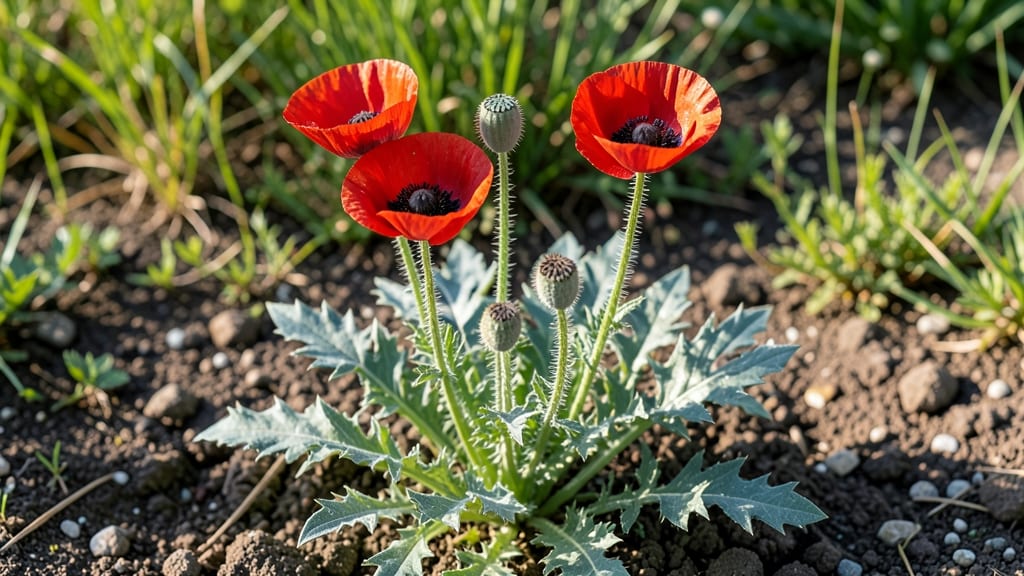
Poppy flower leaves—those delicate, fern-like fronds—are often overlooked, but they’re packed with a bright citrusy kick that makes them a chef’s secret weapon. 🌿 The problem?
Many gardeners assume their leaves are just there to support the blooms, not realizing they’re edible or that yellowing, spots, or pests can ruin their flavor and texture before you even harvest them.
Here’s the good news: most leaf issues with poppies are easy to fix. Yellowing often means overwatering or nutrient deficiency, while spots or webbing from spider mites can be cleared up with a simple spray of neem oil or insecticidal soap.
The key is acting fast—poppies are tough but hate neglect, and their leaves can drop naturally as blooms mature, so don’t panic if you see some thinning.
📚 In This Guide
- What you need
- Instructions
- Tips and common mistakes
- Wrapping up and next steps
What you need
- ● Fresh poppy flower leaves: 1–2 cups (adjust based on your recipe or project). Note: Ensure they’re pesticide-free and organically grown if possible!
- ● Sharp kitchen shears or scissors: For cleanly harvesting or trimming leaves (1 pair).
- ● Clean water: For rinsing leaves (1–2 cups).
- ● Paper towels or clean kitchen towel: For drying leaves (1–2 sheets).
- ● Small mixing bowl: For soaking or storing leaves (1).
- ● Food-grade essential oils (e.g., lemon or orange): To enhance the citrusy flavor (1–2 drops).
- ● Honey or agave syrup: For sweetening teas or infusions (1 tbsp).
- ● Salad greens or herbs (e.g., arugula, mint): To pair with poppy leaves in dishes.
- ● Floral preservative (for arrangements): Extends freshness (1 bottle).
- ● Glass jar with lid: For storing dried or infused leaves (1).
How to grow and harvest edible poppy flower leaves
Here's the straightforward method I use to coax those tender, citrusy poppy leaves from seed to plate.
🌱 Step 1: Start Seeds Indoors for Early Growth
Poppy seeds germinate best in cool conditions, so I start them indoors 6-8 weeks before your last frost date. Use small 2-inch pots filled with sterile seed-starting mix—poppies hate soggy soil. Press 2-3 seeds just below the surface (¼ inch deep) in each pot, since they often germinate unevenly.
Place pots in a seedling heat mat set to 65-70°F for faster germination. Cover with a humidity dome or plastic wrap and keep in bright, indirect light until sprouts appear (7-14 days). Here's the thing—poppy seedlings are delicate. Once they sprout, remove the cover immediately to prevent damping-off, which turns stems to mush overnight.
☀️ Step 2: Transplant Outdoors When Soil Warms
Wait until nighttime temperatures stay above 50°F before moving seedlings outside. Poppies thrive in full sun but struggle in heatwaves—plant them in late spring or early fall for ideal conditions. Space plants 6-8 inches apart in well-draining soil; they resent soggy roots.
Hardening off takes just 3-5 days for poppies. Start with 1 hour of morning sun, then gradually increase exposure. You'll know they're ready when leaves stay firm and upright, not wilting under midday heat. Real talk: poppies grow fast, so don't delay transplanting—they bolt (flower) quickly once established.
💧 Step 3: Water and Maintain for Leaf Production
Poppies need deep watering once a week, but never let soil stay wet. The moment the top inch feels dry, water at the base to keep leaves tender. Too much moisture makes leaves bitter and tough. I use a soaker hose to avoid wetting foliage, which prevents fungal issues.
Fertilizer isn't necessary—poppies grow best in lean soil. If leaves look pale, side-dress with compost in early summer. Watch for pests like aphids; a strong spray of water usually knocks them off. Here's where it gets fun: the first true leaves are the most flavorful, so harvest them before flowers appear.
✂️ Step 4: Harvest Leaves at Peak Flavor
Pick leaves in the morning after dew dries, when oils are most concentrated. Use clean scissors to snip individual leaves or small stems. You'll get 4-6 harvests per plant before flowering begins. Stop harvesting once buds form—the flavor shifts to bitter.
Use leaves fresh in salads or infuse them in oils for a citrusy, peppery kick. Store harvested leaves in the fridge for 3-4 days wrapped in a damp paper towel. Don't skip this: always harvest from the bottom of the plant first, letting new growth develop at the top.
Tips & tricks for perfect poppy flower leaves
These simple strategies will help you grow the most flavorful, tender poppy leaves possible—without the common pitfalls that turn them bitter or tough.
Seed Starting Secret: Poppy seeds are notorious for uneven germination, so I double up on seeds per pot (2-3 seeds) and thin to the strongest sprout. The key is patience—those first true leaves are the most flavorful, so don't rush the 6-8 week indoor period. I've learned the hard way that skipping this step leads to leggy, weak seedlings that struggle outdoors.
Temperature Matters: The 65-70°F heat mat temperature is non-negotiable for germination. Too cold and seeds may never sprout; too hot and they'll rot. I place my seedling trays on a sunny windowsill during the day (bright indirect light) and move them under grow lights at night to maintain consistent warmth. That 7-14 day germination window can feel like forever, but resist the urge to peek—they need darkness to sprout properly.
Harvesting Hack: The 4-6 harvest rule is your guide, but timing is everything. I harvest in the morning after dew dries because that's when the citrusy oils are most concentrated. Use clean scissors to snip leaves from the bottom up—this encourages new growth at the top. Pro tip: The first true leaves after transplanting are the most flavorful, so don't wait until you have a full plant before harvesting.
Common Mistake Fix: If your poppy leaves turn bitter, you're likely overwatering. The "top inch dry" test is crucial—stick your finger in the soil before watering. I've ruined batches by keeping soil too wet, which triggers that bitter compound. Also, avoid wetting the leaves themselves during watering (that's why I use a soaker hose)—damp foliage invites fungal problems that ruin the delicate flavor.
Pro Tips for Poppy Flower Leaves
- These simple strategies will help you grow the most flavorful, tender poppy leaves possible—without the common pitfalls that turn them bitter or tough.
- Seed Starting Secret: Poppy seeds are notorious for uneven germination, so I double up on seeds per pot (2-3 seeds) and thin to the strongest sprout.
- Temperature Matters: The 65-70°F heat mat temperature is non-negotiable for germination.
Frequently asked questions
Got questions about growing, harvesting, or using poppy flower leaves? You’re not alone! Here are some of the most common queries—plus easy answers to help you navigate this delicate yet rewarding edible bloom.
Can you eat poppy flower leaves raw?
Yes! Poppy flower leaves are completely edible and safe to eat raw. They have a mild, citrusy, and slightly peppery flavor that works beautifully in salads, garnishes, or infused oils. Just ensure they’re pesticide-free and organically grown for the best taste and safety.
How long does it take for poppy leaves to grow?
Poppy leaves (from Papaver somniferum) typically appear within 3–4 weeks of planting, but they’re most flavorful when harvested just before the flowers bloom. For Papaver rhoeas (corn poppies), leaves may take 4–6 weeks to reach a harvestable size. Patience pays off—rushing can make them bitter!
What can I substitute if I can’t find poppy leaves?
If poppy leaves are unavailable, try these flavorful alternatives:
- Opium poppy substitute: Dill, fennel fronds, or young celery leaves (mild, citrusy notes).
- Corn poppy substitute: Nasturtium leaves (peppery kick) or borage flowers (honey-like sweetness).
Pro tip: A pinch of lemon zest or fennel pollen can mimic the citrusy poppy vibe in a pinch!
Are poppy leaves safe to grow at home?
Yes, but with caution! Only grow non-opium varieties (like Papaver somniferum ‘Blue Moon’ or Papaver rhoeas)—these are legal and safe. Avoid seeds labeled for opium production. Check local laws, as some regions regulate poppy cultivation. When in doubt, buy leaves from trusted edible flower suppliers.
Why do my poppy leaves taste bitter?
Bitter poppy leaves usually mean over-maturity or stress. Harvest leaves when they’re young and tender (3–5 inches tall), and avoid letting plants bolt (flower too early). Overwatering or poor soil can also trigger bitterness. Try growing them in well-draining soil with partial sun (6+ hours/day) for the best flavor.
Wrapping up and next steps
From their bright, citrusy flavor to their versatile culinary uses, poppy flower leaves are a hidden gem for adventurous cooks and gardeners alike. Whether you’re sprinkling them over salads, infusing oils, or experimenting with teas, these delicate blooms add a unique twist to your dishes.
Now that you’re equipped with the knowledge to grow, harvest, and enjoy them safely, why not plant a few seeds and bring a burst of floral magic to your kitchen? 🌱✨
Ready to dive in? Start small—try a fresh poppy leaf garnish on your next meal and let your taste buds do the talking!