
Flowers
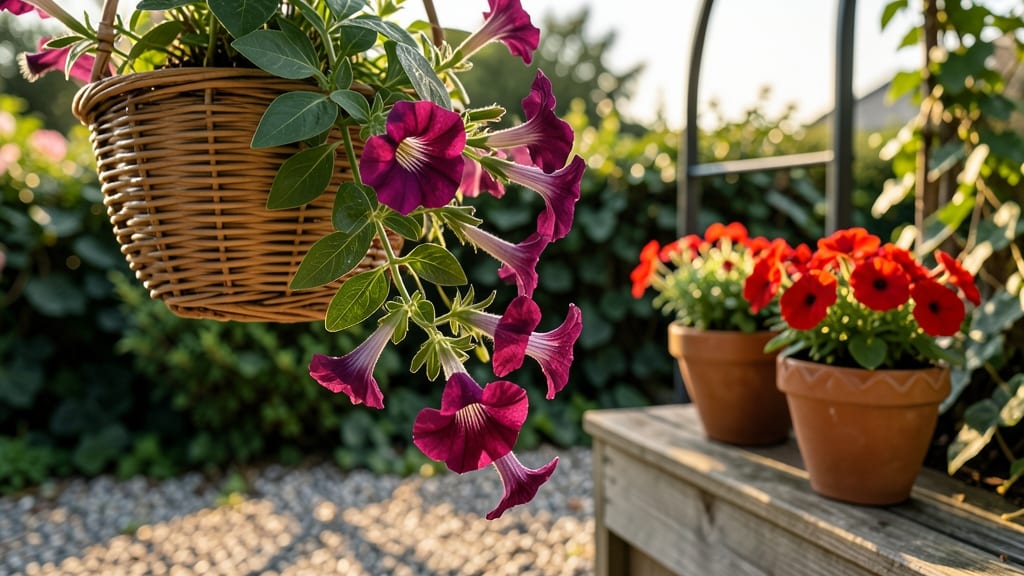
Porch flower baskets transform blank spaces into vibrant, fragrant displays that bring your home’s exterior to life. 🌸 I’ve filled mine with trailing petunias, sweet alyssum, and cascading ivy, creating a lush curtain that thrives from spring through fall—no green thumb required.
The secret lies in pairing the right plants with containers that drain well and get enough sunlight, while keeping maintenance simple with drought-tolerant picks.
Start with a sturdy basket or hanging planter (at least 12 inches deep) and a mix of moisture-retentive potting soil and perlite for drainage. Choose plants that complement each other: trailing flowers like nasturtiums or lobelia, foliage like sweet potato vine, and herbs like creeping thyme for texture.
Color coordination is easy—stick to a 2-3 color palette for harmony, or go bold with contrasting hues for a statement look.
By mid-summer, your baskets will be spilling over with blooms, their scent drawing hummingbirds and butterflies. The best part? Swap out plants seasonally—cool-weather pansies in spring, heat-loving geraniums in summer, and ornamental kale in fall—to keep the show going year-round. Even small porches can shine with the right arrangement.
Pro tip: Water deeply in the morning to keep roots happy, and fertilize every 2-3 weeks during peak growing months. A little effort upfront means weeks of effortless beauty—your porch will be the envy of the neighborhood. Let’s get those baskets blooming!
📚 In This Guide
- What you need
- Instructions
- Tips and common mistakes
- Wrapping up and next steps
What you need
- ● Flower baskets: 2–4 hanging baskets (10–14" diameter, with drainage holes). Opt for coconut fiber, plastic, or metal based on your preference.
- ● Potting soil: 1–2 bags of lightweight, well-draining potting mix (avoid garden soil—it compacts!). Look for blends labeled for hanging baskets or containers.
- ● Slow-release fertilizer: 1–2 packets of balanced, time-release granules (e.g., 10-10-10 or 14-14-14 NPK ratio).
- ○ Moss or liner: Sphagnum moss (optional but helps retain moisture; 1–2 sheets per basket).
- ● Spikes or hooks: 2–4 heavy-duty hooks or brackets (for secure mounting to your porch railing or eaves).
- ● Trailing plants (let them spill over!): Petunias (heat-tolerant, vibrant colors)
- ● Bacopa (moss rose, delicate white/purple blooms)
- ● Sweet potato vine (fast-growing, chartreuse foliage)
- ● Lobelia (compact, blue/purple flowers, thrives in shade)
- ● Upright plants (add height and structure): Geraniums (classic, drought-resistant)
- ● Impatiens (shade-loving, non-stop blooms)
- ● Calibrachoa (mini petunias, prolific flowers)
- ● Hand trowel or small shovel (for planting and mixing soil).
- ● Watering can with a rose attachment (gentle watering prevents soil erosion).
- ○ Gloves (optional but handy for thorny plants or messy soil).
- ● Scissors or pruners (for trimming plants and moss).
- ○ Mulch or decorative stones (optional, adds a polished look to the base of baskets).
- ● Drainage is key! Ensure baskets have holes, and add a layer of gravel or perlite at the bottom if needed.
- ● Water wisely: Hanging baskets dry out fast. Water daily in hot weather or use a self-watering system.
- ● Rotate baskets weekly for even sun exposure (prevents lopsided growth).
- ● Deadhead regularly to encourage more blooms (pinch off spent flowers with your fingers or scissors).
Step-by-Step guide to designing stunning porch flower baskets
Here's how to create baskets that burst with seasonal color and stay vibrant all year.
🪴 Step 1: Select the Right Baskets and Hanging System
Choose baskets with sturdy handles and drainage holes—plastic or woven options both work well. I prefer 14- to 16-inch diameter baskets for maximum plant volume and cascading effect. The hanging system must support at least 20 pounds per basket when saturated with water and plants.
Position hooks at varying heights to create visual interest. A mix of 24- to 36-inch drop lengths lets taller plants spill dramatically while shorter ones add mid-level color. Test the weight distribution by hanging an empty basket—if it feels unbalanced, adjust the hook position before planting.
🌱 Step 2: Layer Soil and Add Slow-Release Fertilizer
Fill each basket with a 3-inch layer of moisture-retentive liner (like coconut coir or sphagnum moss) to prevent soil from spilling through drainage holes. This also helps roots stay hydrated longer. On top of that, add 2-3 inches of high-quality potting mix mixed with 1 cup of slow-release fertilizer per basket.
I like to press the mix down lightly so it's firm but still loose enough for roots to penetrate. The reason for this layering is simple: the liner keeps soil in place while the fertilizer ensures your plants get consistent nutrition without frequent feeding. Don't skip this—baskets dry out faster than ground plantings.
✂️ Step 3: Plant a Thriving Color Cascade
Start with a spiller plant (like trailing petunias or sweet potato vine) in the center. These will create the dramatic waterfall effect. Add 2-3 filler plants (like geraniums or impatiens) around the edges to create volume, and finish with 1-2 thriller plants (like dusty miller or heuchera) for height contrast.
Here's the thing—space matters. Plant spillers in the center so they have room to trail, and arrange fillers in a circular pattern around them. Water thoroughly after planting to settle the soil and remove air pockets. The first few days are critical—keep baskets consistently moist until you see new growth.
💧 Step 4: Water and Maintain for Long-Lasting Beauty
Water baskets deeply every morning—soak until water runs freely from the drainage holes. This ensures roots get the moisture they need without sitting in soggy conditions. In hot weather, you may need to water twice daily, but always check the soil first. Stick your finger 1 inch deep—if it's dry, water again.
Feed plants with a balanced liquid fertilizer every 2 weeks during the growing season. Deadhead spent blooms regularly to encourage continuous flowering. I also like to rotate baskets every few weeks so all sides get even sunlight exposure—this prevents plants from leaning toward the light.
☀️ Step 5: Protect and Refresh Seasonally
Move baskets to a sheltered location during heavy rain or wind to prevent soil erosion and plant damage. In winter, store baskets in a cool, dry place and refresh the soil with fresh potting mix and fertilizer in early spring before replanting.
Real talk: Your baskets will need a seasonal refresh. After 6-8 weeks of growth, many annuals become leggy or stop flowering. This is your cue to trim back overgrown plants, replace tired fillers, and add new blooms to keep that "wow" factor. A little maintenance goes a long way in extending their life.
Tips & tricks for perfect porch flower baskets
Common pitfalls—and how to sidestep every one—so your porch flower baskets stay vibrant and stunning all season.
Basket Selection Matters: In Step 1, don't skimp on basket quality. The 14- to 16-inch diameter recommendation isn't just about size—it's about weight distribution. Heavier baskets (like woven ones) hold moisture better and last longer. Test the hanging system with an empty basket first; if it sways excessively, reposition the hook for stability. I've seen too many baskets collapse under saturated weight because of this oversight.
Soil Layering Secret: When you're adding the 3-inch moisture-retentive liner in Step 2, consider adding a thin layer of perlite or vermiculite mixed into your potting soil. This improves drainage while retaining moisture—critical for hanging baskets that dry out faster. Press the soil mixture down firmly but don't compact it too tightly; roots need room to breathe. The liner prevents soil loss but shouldn't become a water trap.
Plant Arrangement Strategy: In Step 3, the circular pattern for fillers isn't just decorative—it creates airflow. Place thriller plants on the outer edges where they won't get shaded by trailing spillers. I've found that positioning spillers slightly off-center (about 1 inch toward the back) makes the trailing effect more dramatic. After planting, give everything a thorough watering to eliminate air pockets that could cause root rot.
Seasonal Refresh Timing: The 6-8 week refresh window in Step 5 is a guideline, not a rule. Watch your plants' growth patterns—some varieties like trailing petunias may need refreshing every 4-5 weeks in hot climates. When replacing plants, choose varieties with similar light and water needs to maintain balance. I keep a "refresh kit" ready with pre-potted plants, fresh potting mix, and fertilizer so I can swap out tired blooms in minutes.
Pro Tips for Porch Flower Baskets
- Common pitfalls—and how to sidestep every one—so your porch flower baskets stay vibrant and stunning all season.
- Basket Selection Matters: In Step 1, don't skimp on basket quality.
- Soil Layering Secret: When you're adding the 3-inch moisture-retentive liner in Step 2, consider adding a thin layer of perlite or vermiculite mixed into your potting soil.
Frequently asked questions
Got questions about keeping your porch flower baskets blooming beautifully? We’ve got answers! Here are some of the most common queries—plus quick tips to keep your cascading greenery thriving.
When is the best time to plant porch flower baskets?
The ideal time to plant is early spring (after the last frost) or late summer (for fall color). This gives roots time to establish before extreme heat or cold. If you’re planting in summer, water deeply twice daily for the first week to help them adjust.
How often should I water my porch flower baskets?
Water baskets daily in hot weather—soaking until water drains from the bottom. In cooler months, water every 2-3 days, checking soil moisture with your finger (top inch should feel dry). Mulch helps retain moisture and keeps roots cool.
What should I do if my flowers look wilted or pests appear?
Wilting often means underwatering or overwatering. Check soil moisture and adjust. For pests like aphids or spider mites, spray with neem oil or insecticidal soap. Prune damaged leaves to encourage new growth, and rotate baskets occasionally for even sunlight.
Can I reuse last year’s baskets and soil?
Yes, but refresh the soil first! Remove old plants, rinse baskets with soapy water, and replace half the soil with fresh potting mix. Add slow-release fertilizer to give new plants a nutrient boost. Disinfect baskets with a 10% bleach solution if pests were an issue.
What are some low-maintenance flower options for porch baskets?
Try these hardy, drought-tolerant picks:
- Petunias – Vibrant blooms, thrive in heat.
- Begonias – Shade-tolerant with lush foliage.
- Lobelia – Trailing blue/purple flowers, loves moisture.
- Sedum – Succulent-like, needs minimal water.
Wrapping up and next steps
Transforming your porch into a blooming paradise with porch flower baskets is easier—and more rewarding—than you think!
Whether you’re a seasoned gardener or a beginner, these cascading displays bring life, color, and charm to any space. 🌸 With the right plants, materials, and a little creativity, you’ll enjoy all-season beauty that turns heads and lifts spirits.
Ready to get started? Grab your supplies, follow the steps, and let your porch become the envy of the neighborhood! Need inspiration? Browse local nurseries or online plant guides to pick your perfect blooms—then watch your hard work flourish! 🌿